
 By Hashim Hashmi
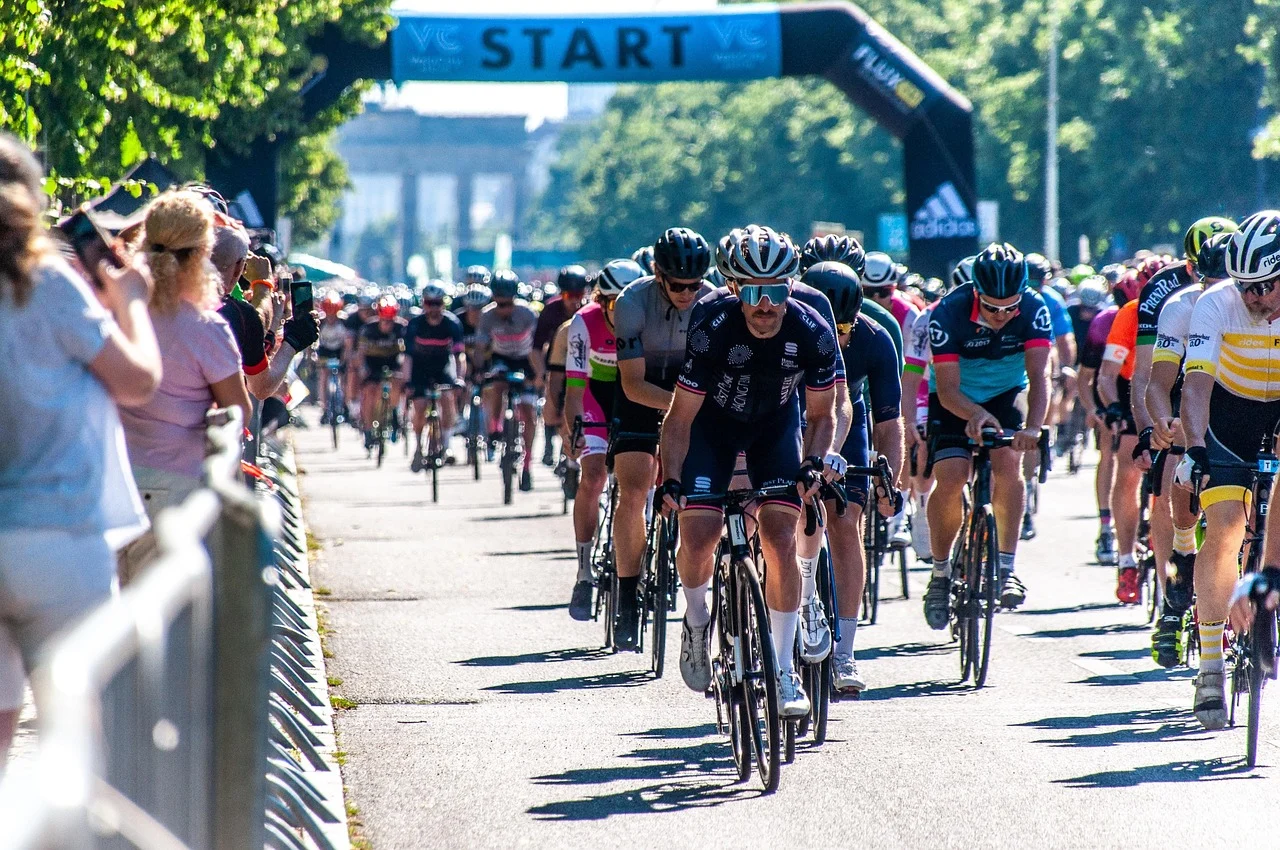
Standard casual sunglasses rarely perform well on a bicycle. Everyday frames sit too far from the brow, allowing turbulent air to enter from the top and sides, which dries out your eyes at speed. Also, glass or non-impact-rated acrylic lenses present a safety hazard if struck by stones thrown up by vehicle tyres or during a crash. Purpose-built cycling eyewear uses shatterproof polycarbonate or polyamide (Nylon) lenses engineered to resist high-velocity impacts without splintering into dangerous shards.
Why do you need dedicated cycling glasses?
The primary function of cycling glasses extends beyond simply blocking sun glare. When riding at speed, cold wind quickly causes involuntary tearing, which blurs vision at critical moments. Extended exposure to high-speed airflow can also cause long-term dryness and eye irritation. A high-wrap frame creates a protective pocket of calm air around your eyes, preventing desiccation and maintaining sharp peripheral vision.

Optical protection is vital. Grit, gravel, insects, and branches pose risks. In bright conditions, cycling glasses filter harmful ultraviolet (UVA and UVB) radiation. This reduces eye fatigue and protects ocular tissue. In low light or wet weather, transparent or high-contrast lenses keep debris out. They do not compromise your ability to spot potholes or greasy patches.
Understanding lens categories and Visible Light Transmission
Visible Light Transmission (VLT) measures the percentage of ambient light that passes through a lens to reach your eye. A lower VLT percentage indicates a darker tint suitable for intense sunlight. A higher VLT percentage allows more light through, making it ideal for overcast, twilight, or indoor conditions. Cycling lenses are standardized into five regulatory categories based on their VLT range:
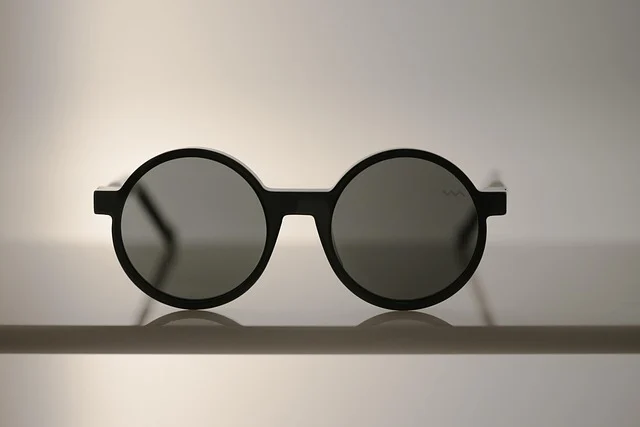
- Clear or nearly transparent lenses designed for night riding, dark woods, and wet, heavily overcast days. Their sole purpose is impact and wind protection.
- Lightly tinted or high-contrast lenses (such as yellow or pale rose) suited for dull, cloudy conditions, low winter sunlight, or deep forest canopy.
- Medium tint lenses engineered for moderate sunlight and variable light conditions, such as riding in and out of tree shade on spring afternoons.
- Dark lenses designed for bright sun, open alpine roads, and high-glare environments. This is the standard darkness level for bright-summer riding.
- Very dark lenses strictly for high-altitude glacier use. These are unsafe for driving or cycling because they obscure subtle road details and shadow changes.
If riding across shifting conditions—such as setting off at dawn and finishing at midday—we recommend choosing a photochromic lens that spans Category 1 to Category 3, or buying a frame supplied with multiple interchangeable lenses.
Choosing the right lens tint for your riding terrain
The base tint of a lens alters colour perception and visual contrast. Different lens shades isolate specific wavelengths of light, helping you spot road hazards or changes in trail surface quickly.
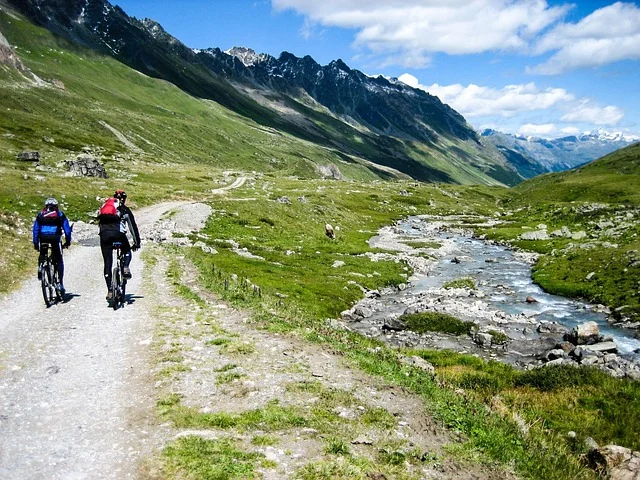
Clear lenses do not alter colour or light levels. This makes them essential for night rides or dark winter commuting. Grey and smoke tints preserve neutral, true-to-life colour representation while uniformly cutting down glare in bright sunshine. They are ideal for long highway rides in open country.
Rose, copper, and amber tints in cycling glasses selectively filter blue light. This significantly enhances visual contrast. These contrast-boosting shades are superior for gravel and mountain biking. They emphasize changes in surface texture. They highlight loose stones, roots, and damp soil hidden beneath tree shadows. Yellow tints offer maximum contrast enhancement in low-light and foggy conditions. They make damp, gray tarmac features stand out more sharply.
Are photochromic lenses worth it for cycling?
Photochromic lenses automatically darken when exposed to ultraviolet radiation and lighten when UV intensity drops. This transitions the lens dynamically, eliminating the need to stop and swap lenses when cloud cover shifts or when moving from sunny valleys to shaded woodland.
However, they do have minor operational trade-offs to keep in mind:
- Temperature sensitivity: Photochromic compounds react faster and darken more deeply in cold temperatures than in ambient heat. This means a scorching summer day may yield a slightly lighter tint than a crisp, sunny winter morning.
- Transition speed: While the shift from light to dark is relatively swift, clearing from dark to light takes longer (often 1 to 2 minutes). Entering a dark tunnel or dense woodland directly from bright sunlight can briefly leave you wearing an overly dark lens.
- UV dependence: Because they react to ultraviolet light rather than visible glare, photochromic lenses will not darken behind modern automotive wind screens that block UV radiation.
Despite these limitations, photochromic lenses are considered the single most practical choice for year-round UK riding, where weather conditions shift rapidly over the course of a three-hour ride.
Why polarised lenses are often problematic for cycling
Polarised lenses contain a filter that blocks horizontal light waves. This effectively eliminates specular glare reflected off horizontal surfaces like water or metal hoods. While excellent for fishing or sailing, polarised eyewear can create distinct disadvantages on a bicycle.
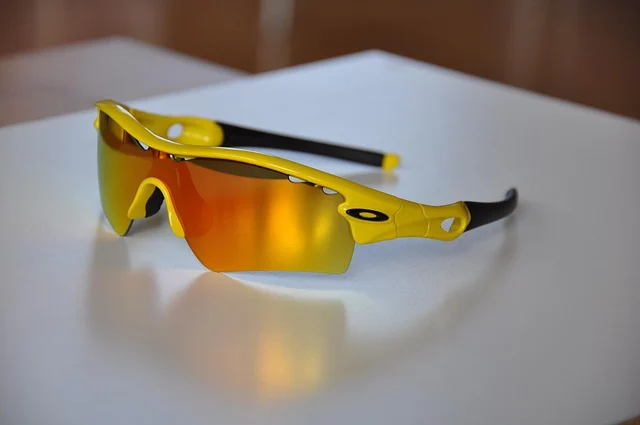
First, polarised filters interact with liquid crystal displays (LCDs). When viewing your bike computer, phone, or power meter screen while wearing polarised glasses, the screen may appear distorted, rainbow-streaked, or completely black depending on your angle of view. Second, polarization dampens the reflective sheen from wet road patches and diesel spills, making oil slicks or black ice harder to identify on tarmac surface transitions. Unless you ride exclusively along marine coastlines in bright, blinding sunlight, non-polarized lenses are generally safer for cycling.
Frame designs: Full-rim, half-rim, and frameless
The frame structure directly affects field of vision, durability, lens stability, and ventilation performance.
| Frame Type | Key Advantages | Primary Drawbacks | Best Suited For |
|---|---|---|---|
| Full-Rim | Maximum lens protection, durable structure, secure lens retention | Slightly restricted lower field of view, slightly heavier | Mountain biking, gravel, off-road impacts |
| Half-Rim | Unobstructed downward vision, lower weight, improved airflow | Exposed lower lens edge vulnerable to drops | Road cycling, endurance riding, racing |
| Frameless | Lightweight, maximum peripheral and vertical field of view | Higher fragility, lenses flex more easily under pressure | Time trials, fast road racing, minimal weight focus |
For aggressive, head-down road riding positions, half-rim or upper-frameless designs keep the top frame boundary out of your direct line of sight when looking up from the drop handlebars. For mountain biking and trail riding, full-rim frames provide structural rim shielding against ground strikes, drops, and gravel spray.
Ensuring correct fit and helmet clearance
A poorly fitting frame causes pressure points behind the ears, slips down damp nose bridges, or clashes continuously with your helmet retaining system. Eyewear fit should always be tested while wearing your specific cycling helmet.

Check the frame width across your temples: the arms should hold your head securely without pinching or bowing outward. Look for soft, hydrophilic rubber grips on the nose pad and temple tips. Hydrophilic rubber becomes grippier when exposed to sweat and rain, holding the frames securely during high-intensity efforts.
Check temple arm length and shape carefully. Long arms hit your helmet retention dial. They also collide with side straps. This pushes the cycling glasses down your nose. Adjustable wire-core temples let you bend the arm ends. This provides clearance inside your helmet shell.
Managing fogging and moisture runoff
Lens fogging occurs when warm, moist air rising from your face contacts the cooler inner surface of the lens, causing micro-droplets of water to condense. This issue is most pronounced when stopping at junctions after high-powered climbing in cold weather.
To prevent condensation build-up, quality cycling eyewear incorporates deliberate ventilation features:
- Vented lenses: Small cut-outs along the top edge or upper corners of the lens encourage a constant, subtle draft across the inner surface to sweep away moisture.
- Hydrophobic and oleophobic coatings: External lens coatings reduce liquid surface tension. This causes rainwater droplets and sweat splatters to bead up and slide off rather than smearing.
- Anti-fog interior coatings: Chemical treatments applied to the inner surface attract water molecules evenly into an invisible film. This prevents fog droplets from forming.
If your glasses mist up frequently when climbing, we advise sliding the frame slightly further down the bridge of your nose while riding uphill to increase airflow behind the lens, then pushing them back tight against your face for the descent.
Prescription solutions for cyclists
Cyclists requiring vision correction have three main avenues when choosing protective eyewear:

Prescription inserts (Rx clips): A small, corrective lens adapter snaps directly behind the main protective shield. This is generally the most cost-effective solution because you can retain photochromic or tinted outer lenses. However, double-lens systems sit closer to the eyes, which can increase fogging tendencies and eyelash contact.
Direct-glaze prescription lenses: Corrective prescriptions are ground directly into the shield or twin lenses. This offers pristine optical quality and superior fog resistance, but is considerably more expensive and limits your ability to swap tints economically.
Contact lenses combined with standard cycling glasses: Wearing single-use soft contact lenses paired with non-prescription cycling eyewear provides the widest unobstructed field of view and allows you to use off-the-shelf interchangeable lens sets.
Related guides
Sources: Glasses
Frequently asked questions
Can I use standard everyday sunglasses for cycling?
While casual sunglasses offer basic sun protection, they lack the high-velocity impact protection of shatterproof polycarbonate lenses. Their frames generally lack wraparound protection, allowing wind and flying grit to reach your eyes, and casual glass or rigid plastic lenses can shatter dangerously in a crash.
Why do my cycling glasses fog up when I stop riding?
When you stop, air stops moving across the cycling glasses lens. Your body still generates heat and sweat vapor. This warm, humid air collects behind the cooler lens. It condenses into fine droplets. Choose glasses with cut-out vents. Or slide the frames down your nose. This clears condensation quickly.
Should I choose clear or photochromic lenses for winter riding?
If you ride exclusively at night or under heavy cloud cover, clear lenses (Category 0) are ideal. They provide maximum light transmission without tint shift. However, if your winter rides take place during daylight hours with shifting sun and dark shadows, a photochromic lens spanning Category 1 to 3 offers far greater flexibility.