
 By Hashim Hashmi
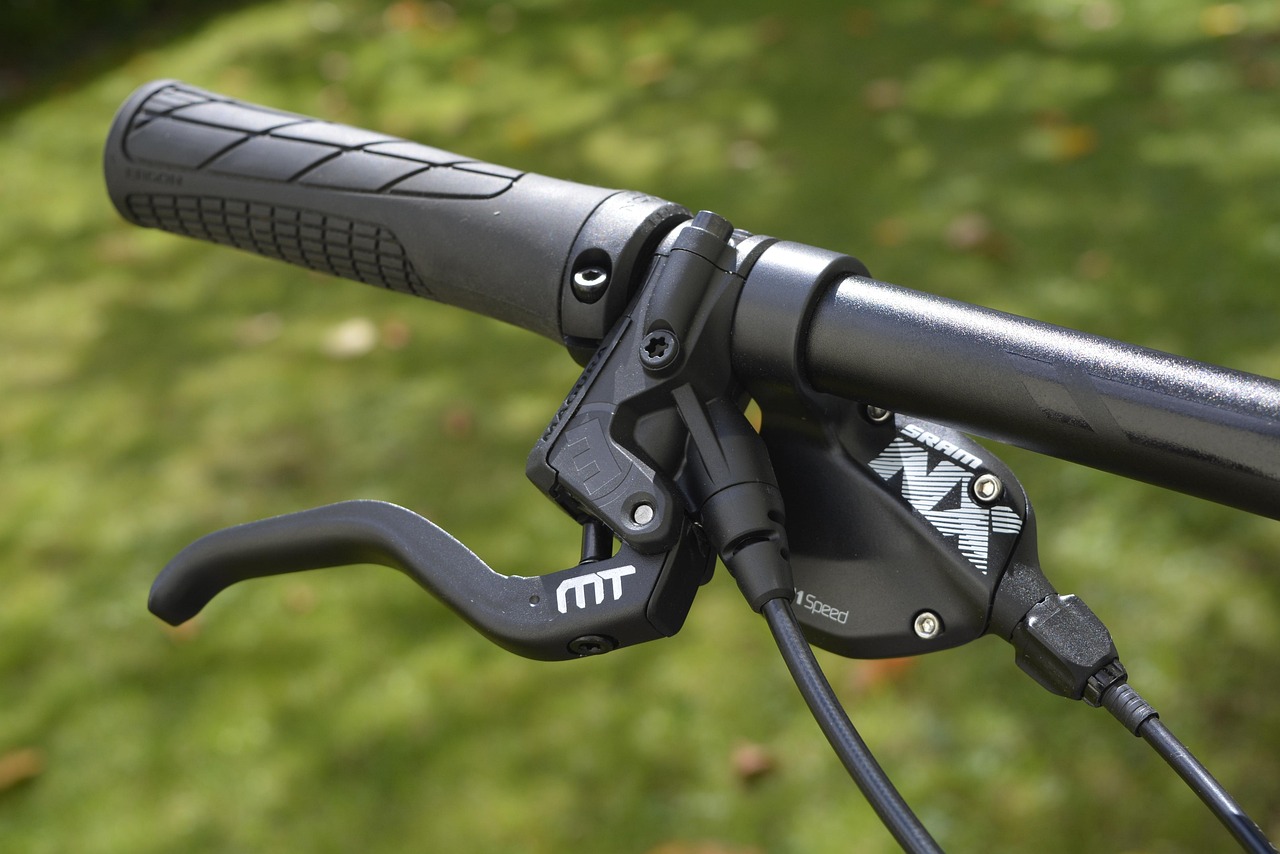
The best mtb grips balance secure bar attachment, shock-absorbing materials, and an outer diameter matched to your hand size to eliminate fatigue and arm pump. Choosing between single or dual lock-on clamps, soft rubber or silicone compounds, and diameters from 28mm to 35mm ensures maximum control across technical trails and varied weather conditions.
As your primary contact point on the bicycle, handlebar grips dictate how effectively you steer, brake, and absorb trail feedback. A worn or ill-fitting pair reduces traction, causes painful hand cramping, and compromises handling during sudden impacts. Replacing stock grips with a model tailored to your hand dimensions, glove preference, and riding style provides an immediate improvement in bike control and rider confidence.
What materials and rubber compounds make the best mtb grips?
The physical composition of a grip determines its tackiness, shock absorption, weather resistance, and service life. Bicycle component manufacturers formulate grips using synthetic rubber blends, pure silicone, thermoplastic elastomers, or eco-friendly recycled compounds.
Synthetic rubber and proprietary rubber blends
Rubber remains the industry standard for off-road grips. Softer rubber formulations yield exceptional friction against gloved or bare hands, helping absorb high-frequency chatter from rock gardens and braking bumps. However, softer compounds wear down faster under hard use and can degrade over time when exposed to UV light or hand oils. Harder rubber compounds offer prolonged durability and sharper trail feedback, but transmit more vibration directly into your forearms and palms.
Many brands utilize dual-density rubber designs. These feature a firm inner core to prevent deformation against the bar, covered by a softer, grippier outer shell for tactile comfort.
Silicone foam and 100% silicone grips
Silicone grips offer high shock absorption per gram of weight. Unlike rubber, non-porous silicone does not degrade under sun exposure or absorb water, sweat, or mud. They conform slightly to hand pressure, distributing force evenly across the palm to reduce nerve compression during long cross-country rides. The primary trade-off is crash durability: silicone can tear or chunk if scraped heavily against sharp rocks or tree bark.
Eco-friendly and alternative materials
Certain manufacturers offer grips incorporating plant-based oils, natural rubber, or recycled post-industrial rubber. While these reduce environmental impact, performance varies. Natural rubber blends provide excellent cold-weather flexibility and tackiness, though some recycled synthetic blends can feel firmer or wear less evenly than virgin compound formulations.

Lock-on vs slip-on: which attachment system do you need?
How mtb grips attach to your handlebar dictates overall safety, ease of maintenance, and weight. The two primary mounting formats are lock-on grips and traditional slip-on grips.
Dual lock-on grips
Dual lock-on designs feature aluminum locking collars at both the inner stem side and outer bar end. Small hex bolts clamp these collars directly to the handlebar tubing, locking the rigid inner plastic sleeve firmly in place.
- Pros: Complete rotation resistance under high torque or wet conditions; quick installation and removal without glue or solvents; integrated protection for handlebar ends.
- Cons: Hard metal outer collar can feel uncomfortable if you rest your hands over the extreme outside edge of the bars; slightly heavier than single-clamp alternatives.
Single lock-on grips
Single lock-on grips use a clamp only on the inner collar. The outer end features a tapered internal plastic core or friction sleeve that clamps tightly onto the bar tip, often covered by rubber or a smooth plastic end plug.
- Pros: High rotation resistance; lighter weight than dual lock-ons; smooth rubber outer edge provides padding for riders who position their palms on the edge of the handlebar.
- Cons: Requires precise handlebar wall dimensions; slight movement can develop if the bar end is under-sized or damaged.
Slip-on (push-on) grips
Slip-on grips lack internal plastic sleeves or metal clamps, relying entirely on direct friction against the bare handlebar surface.
- Pros: Lowest weight option; maximum rubber thickness for a given outer diameter; lower cost.
- Cons: Prone to twisting when water or mud penetrates under the rubber; installation and removal require alcohol, compressed air, or grip adhesive.
| Grip Mounting System | Security Level | Weight Range | Outer Edge Comfort | Ideal Riding Discipline |
|---|---|---|---|---|
| Dual Lock-On | Maximum | 110g – 140g | Firm (Metal collar) | Downhill, Enduro, Bike park |
| Single Lock-On | High | 85g – 110g | Soft (Rubber covered) | Trail, All-Mountain, Enduro |
| Slip-On (Push-On) | Moderate | 50g – 80g | Soft (All rubber/silicone) | Cross-Country, XC Racing |
How do you choose the right grip diameter and ergonomic shape?
Selecting the correct grip profile directly impacts muscle fatigue, forearm strain, and finger grip strength. Standard grip outer diameters range between 28mm and 35mm, with most trail grips measuring between 30mm and 32mm.
Matching grip diameter to hand size
A grip that is too thin forces your fingers to curl tightly into your palm, causing hand cramping over bumpy terrain. A grip that is too thick prevents your fingers from closing securely around the bar, forcing your forearms to work harder to maintain control.
- Small hands (Glove size Small or smaller): 28mm to 30mm diameter.
- Medium hands (Glove size Medium to Large): 30mm to 32mm diameter.
- Large hands (Glove size Extra Large or larger): 33mm to 35mm diameter.
Ergonomic shaping and surface texturing
Standard round grips maintain a uniform cylindrical diameter. However, specialized profiles offer distinct anatomical benefits:
- Tapered grips: Feature a thinner inner diameter that thickens toward the outer palm, matching the natural angle of a closed fist.
- Ergonomic winged grips: Incorporate a flattened outer palm platform to distribute upper body weight across a broader surface area, reducing nerve pressure.
- Surface patterns: Micro-knurling provides fine traction; mushroom fins offer soft vibration absorption; waffle patterns beneath the fingers give extra mechanical hold when pulling up on the handlebars.
BikeRadar mentioned in their 2023 testing that matching diameter to hand size yielded a greater reduction in arm pump than changing rubber compound softness alone. For riders tackling technical downhill sections or riding steep alpine mountain terrain, choosing the correct shape is essential for maintaining bike control over long descents.

How do you install and maintain mtb grips properly?
Incorrectly installed grips can slide unexpectedly off the handlebar, creating a severe crash hazard. Proper fitting requires a clean bar surface and correct bolt torque settings.
Installing lock-on grips
- Remove old grips and wipe down the handlebar ends thoroughly with isopropyl alcohol to remove grease, dirt, or adhesive residue.
- Check the directional or rotational markings on your new grips, as many ergonomic models feature left/right indicators and top-facing alignments.
- Slide the grip completely onto the handlebar until the internal stop rests flush against the bar tip.
- Using a calibrated torque wrench and the appropriate hex bit, tighten the lock ring bolt to the manufacturer’s recommended specification. Odi recommends specific torque values for their grips, typically around 2 to 3 Nm. Avoid overtightening, which can strip aluminum threads or crush carbon handlebars.
- Ensure end plugs or integrated end caps are fully seated to protect your handlebar and prevent injury during a fall.
Installing slip-on grips
- Thoroughly clean the handlebar surface with isopropyl alcohol.
- Spray a light coating of isopropyl alcohol or aerosol hairspray into the inside of the slip-on grip and over the handlebar end.
- Quickly slide and rotate the grip into position before the liquid evaporates or dries.
- Allow 12 to 24 hours for the liquid to cure completely before riding.
Fixing common grip problems
- Spinning slip-on grips: Remove the grip, clean off residual oil from the bar, apply dedicated grip adhesive or safety wire, and reinstall.
- Stripped lock-on clamp bolts: Replace damaged bolts with high-grade stainless steel hardware; never ride with loose or single-bolt-secured dual lock-on grips.
- Sticky or breakdown rubber: Heat, UV exposure, and hand sweat decompose soft rubber over time. When grips feel soft and leave black residue on your gloves, replace them immediately.
Which mtb grips suit your riding style?
Different mountain bike disciplines place unique demands on hand grip performance:
Downhill and Enduro riding
Downhill and enduro riders hit high speeds over rough, technical terrain where maximum security is vital. Single or dual lock-on grips with a tacky rubber compound and mid-to-thick diameter work best. Patterns featuring raised waffle grids beneath the fingers provide extra hold through rough braking bumps.
Cross-country and marathon racing
XC riders prioritize low weight, direct bar feedback, and sustained comfort over long distance events. Light silicone foam grips or ultra-light single lock-ons reduce total bike weight while suppressing fine trail vibration.
Trail and all-mountain riding
For general singletrack trail riding, balanced single lock-on grips with a 30mm to 32mm diameter offer an optimal compromise between traction, cushioning, and weight. For handlebar width setup tips, see Is Cycling Good for Weight Loss? The Real Impact.
What popular mtb grips are available and how do they compare?
Selecting among top market options depends on your primary need: maximum traction, ergonomic relief, or low weight.
DMR Deathgrip
Co-developed with professional riders, the DMR Deathgrip combines three distinct surface textures: a mushroom thumb section for comfort, a knurled palm area for control, and a waffle finger underside for traction. It comes in soft or firm compounds, thin (29.8mm) or thick (31.3mm) diameters, and a single lock-on design.
- Best for: Aggressive trail, enduro, and bike park riding.
- Trade-off: Soft compound versions wear relatively fast under frequent use.
Ergon GE1 Evo
Designed specifically for wide handlebars and aggressive riding postures, the Ergon GE1 Evo features an angled profile that supports an outboard elbow attack position. Its textured rubber zones support forearm relief by dampening trail shock.
- Best for: Riders struggling with arm pump or wrist fatigue on technical descents.
- Trade-off: Precise alignment requires careful rotation adjustment before riding.
Deity Knuckleduster
Featuring a single lock-on design, the Deity Knuckleduster utilizes a chevron rib pattern to absorb shocks while preventing hand movement. It uses a soft rubber blend that provides high traction in wet or dusty conditions.
- Best for: All-around trail riding in varied weather.
- Trade-off: Only available in one standard 32mm outer diameter.
Frequently asked questions
How often should I replace my MTB grips?
Inspect your grips regularly and replace them when the tread pattern wears flat, the rubber feels soft or tacky to the touch, or the ends tear. Most active riders replace their grips every 12 to 18 months, though aggressive riding in abrasive conditions can require faster replacement.
What is the best MTB grip compound for sweaty hands?
Soft, high-tack synthetic rubber compounds with ribbed or deep knurled patterns perform best with sweaty hands. Non-porous silicone grips also maintain non-slip friction when wet without absorbing moisture.
Are ergonomic MTB grips worth the extra cost?
Ergonomic grips are worth considering if you suffer from hand numbness, wrist fatigue, or nerve pain on longer rides. However, riders focused on technical jump trails or bike parks often prefer uniform cylindrical grips for unrestricted hand movement.
What is the difference between 30mm and 32mm grip diameter?
A 30mm grip offers a slimmer feel and tighter finger wrap, ideal for smaller hands or maximum steering feedback. A 32mm grip adds 2mm of extra rubber cushioning, reducing vibration transmission and pressure points for medium-to-large hands.
Can I use motorcycle grips on my mountain bike?
No, standard motorcycle grips are sized for different handlebar diameters and lack mountain bike lock-on clamp specifications. Always use dedicated mountain bike grips designed for standard 22.2mm bicycle handlebar ends.