
 By Hashim Hashmi
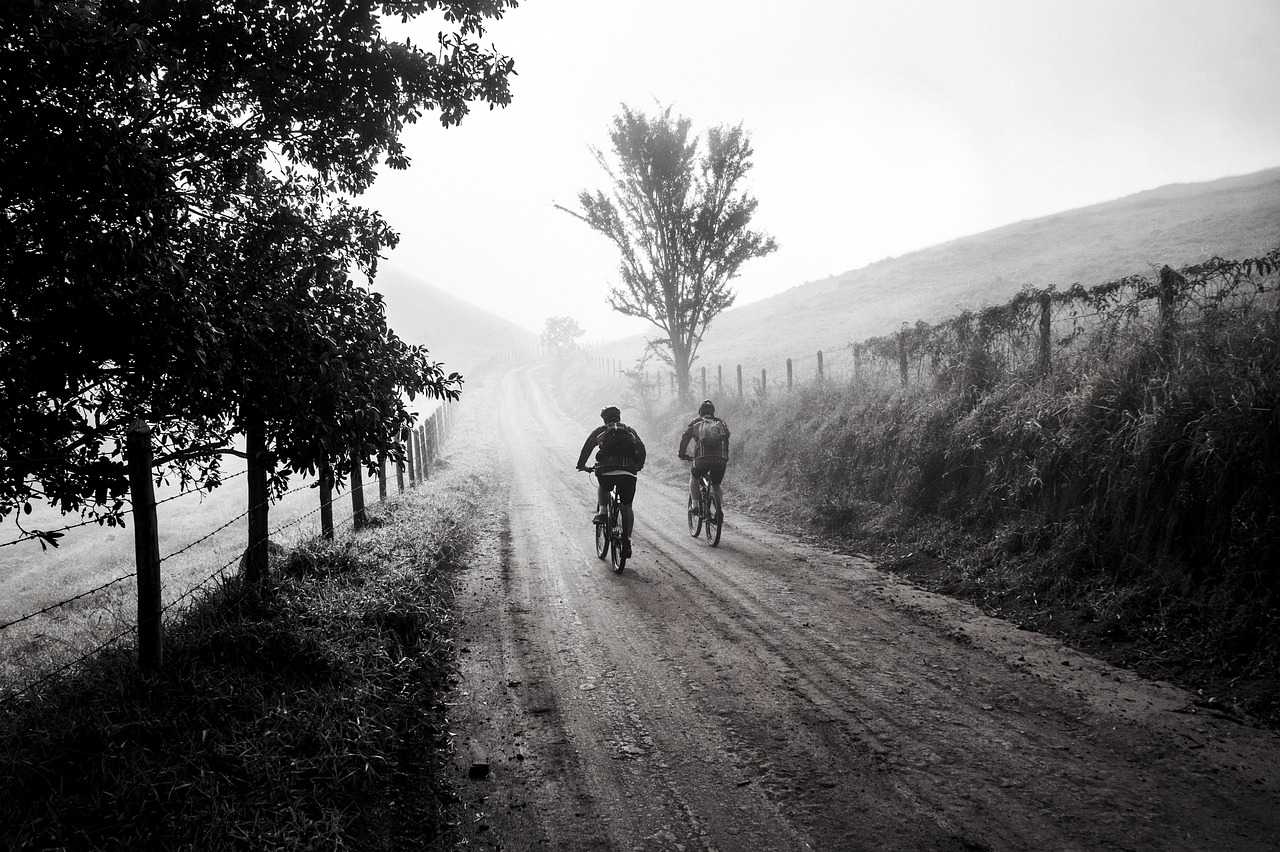
Ladies MTB bikes feature either dedicated women-specific frame geometry or unisex frames with female-tailored touchpoints to match specific body proportions and trail conditions. Finding the right model requires balancing frame reach, standover height, suspension type, and wheel size to ensure optimal comfort and control on off-road terrain.
This guide covers the key differences between dedicated geometries and unisex designs with tailored touchpoints like narrower handlebars and ergonomic saddles. It also explains suspension tuning for lighter riders, compares hardtail and full-suspension frame options, details wheel size configurations, and outlines essential components alongside frame materials.
Ladies MTB Bikes: Your Guide to Finding the Right Ride
Ladies MTB bikes encompass both women-specific models engineered with custom geometry and tuned suspension, as well as unisex frames equipped with female-tailored touchpoints like ergonomic saddles and narrower handlebars. Finding the right mountain bike requires balancing frame sizing, suspension type, and wheel size to match your body proportions and target trail conditions.
- Women-specific mountain bikes feature adjusted reach, lower standover height, and lighter suspension tunes.
- Unisex frames paired with female touchpoints (saddles, narrower bars, shorter cranks) provide an equally capable fit for many riders.
- Choosing between a hardtail and a full-suspension bike depends on your local trail roughness, budget, and maintenance preferences.
- Wheel sizes range from nimble 27.5-inch options to fast-rolling 29ers and mixed-wheel (mullet) configurations.
- Proper brake lever reach, saddle width, and suspension sag adjustment are essential for riding comfort and downhill control.
How do ladies MTB bikes differ from unisex models?
Historically, off-road bicycles were designed around average male physical proportions, leaving many female riders with bikes that felt too long, overly stiff, and difficult to maneuver. Today, mountain bike manufacturers address female ergonomics using two distinct design approaches:
- Dedicated women-specific frame geometry: Brands like Liv Bicycles build frames using unique carbon and aluminium molds. These frames feature shorter top tubes, reduced reach measurements, lower standover heights, and steeper seat angles tailored around female anatomical database measurements. This design accommodates shorter upper torsos and longer leg-to-torso ratios.
- Unisex frames with tailored touchpoints: Brands such as Trek, Specialized, and Cannondale utilize single frame geometries for all riders, but fit women’s models (or smaller frame sizes) with shorter stem lengths, narrower handlebars, female-specific saddles, shorter crank arms, and lighter internal suspension shock tunes.

Geometry measurements directly dictate how a bike handles on steep or technical terrain. A shorter frame reach prevents you from overstretching across the top tube, improving steering control and reducing shoulder tension. Lower standover height creates extra clearance above the top tube, making it easier to step off safely when stopping on uneven trails.
Why suspension tuning matters for lighter riders
Standard suspension forks and rear shocks are typically tuned internally for average rider weights between 75kg and 85kg. When a lighter rider (for example, between 50kg and 65kg) sits on a standard rear shock, setting the correct air pressure (sag) often creates an overly stiff ride.
Because the internal damper valving resists oil flow at high rates, light riders may struggle to achieve full travel over trail chatter and small bumps. The front fork can feel harsh, causing hand fatigue, arm pump, and reduced front-wheel traction in corners.
Dedicated ladies MTB bikes and light-tune suspension units feature modified internal shim stacks and lighter damper tunes. This allows the front fork and rear shock to compress smoothly under lower body weights, delivering active traction and bump absorption across rough terrain. For riders opting for a full- suspension bike with standard dampers, removing internal air volume tokens or having a suspension technician adjust the damper shims can adapt the shock for a lighter rider weight.
Hardtail vs full-suspension: which frame type suits your trails?
Deciding between a hardtail and a full-suspension bike is one of the most significant choices when purchasing a ladies MTB bike. A hardtail features a front suspension fork with a rigid rear frame, whereas a full-suspension bike incorporates front and rear shock absorbers.
Hardtails provide direct power transfer from the pedals to the rear wheel without energy loss from shock compression, making them efficient climbers on fire roads and smooth singletrack. They are lighter, require less ongoing maintenance due to having no rear frame pivots or linkage bearings, and cost less for equivalent components.
Full-suspension bikes absorb mid-size and large impacts from roots, rocks, and drops. The rear suspension allows the rear wheel to track terrain smoothly, maintaining grip on loose uphills and stability on steep descents. This reduces body fatigue over long trail rides, though full-suspension bikes carry extra weight, demand higher maintenance, and cost more upfront.
| Feature | Hardtail Mountain Bike | Full-Suspension Mountain Bike |
|---|---|---|
| Suspension System | Front fork only (100mm–120mm travel) | Front fork & rear shock (120mm–160mm travel) |
| Average Weight | Lighter (11 kg – 13.5 kg) | Heavier (13.5 kg – 15.5 kg) |
| Best Terrain | Smooth singletrack, gravel paths, forest roads | Rough, rocky, root-filled, technical descent trails |
| Maintenance Needs | Low (fork oil service & standard drivetrain) | Moderate to High (frame pivots, bearings, rear shock) |
| Climbing Efficiency | High direct energy transfer on smooth climbs | Superior traction on rough, loose, technical climbs |
| Entry Price Range | £400 – £1,000 | £1,200 – £2,500+ |
Wheel sizes explained: 27.5-inch, 29-inch, and mixed wheels
Wheel size plays a central role in how a mountain bike accelerates, rolls over obstacles, and handles through turns. Modern ladies MTB bikes use three primary wheel configurations:
- 29-inch wheels (29ers): Larger wheels roll over rocks and tree roots with less momentum loss, maintain high cruising speeds, and offer a larger tyre contact patch for cornering traction. However, on Small and Extra-Small frames, 29ers can restrict standover clearance and cause toe-overlap with the front tyre during sharp turns.
- 27.5-inch wheels (650b): 27.5-inch wheels accelerate quickly out of slow corners and give the bike a nimble, agile steering response. They provide generous standover clearance and generous rear tyre clearance for riders under 5ft 5in (165 cm).
- Mixed wheels (Mullet / 29 front, 27.5 rear): A mixed setup combines a 29-inch front wheel for rollover efficiency and cornering grip with a 27.5-inch rear wheel for lower rear-end clearance and quick direction changes.

If you are under 5ft 3in (160 cm), 27.5-inch wheels or a mullet setup usually provide better body proportions and control on technical trails. Taller riders focused on cross-country efficiency or high-speed stability will generally benefit from full 29-inch wheels.
Crucial components that define comfort and control
Beyond frame geometry and suspension, specific components dictate how comfortable and controlled you feel on off-road terrain.
Female-specific contact points
- Saddles: Female sit-bone width is typically wider than male sit-bone spacing. Riding a narrow, flat saddle puts pressure on soft tissue, leading to pain and numbness. Look for a saddle measuring 143mm to 155mm in width with a ergonomic central cutout.
- Handlebar width: Stock mountain bike handlebars often span 780mm to 800mm wide. Handlebars that are too wide force the hands outward, straining shoulders and wrists. Trimming handlebars down to 740mm–760mm brings arms into natural alignment. For cockpit adjustment advice, see Should You Switch to a TPU Inner Tube? on mountain bike setup.
- Crank length: Standard 175mm crank arms require a wide pedalling circle that can over-flex knee joints for riders with shorter inseams. Switching to 165mm or 170mm cranks improves pedalling cadence, reduces joint strain, and provides extra ground clearance over trail rocks.
- Brake lever reach: Hydraulic brake levers feature small reach-adjustment screws. Bringing the lever blades closer to the grips allows effective single-finger braking without overextending fingers.
Drivetrains and braking systems
Modern mountain bikes feature 1x (one-by) drivetrains with a single front chainring and a wide-range rear cassette (such as 10-51 teeth). This setup simplifies shifting, prevents dropped chains, and provides a wide gear range for steep climbs without extra weight.
Hydraulic disc brakes are standard on quality ladies MTB bikes. Hydraulic systems use fluid pressure to deliver strong stopping power with minimal finger effort, outperforming mechanical cable brakes in wet, muddy conditions. Look for 180mm front brake rotors for optimal heat dissipation and stopping control on long downhill sections.
Setting a budget and choosing frame materials
Your budget influences frame construction, component durability, and suspension performance.
Aluminium alloy vs carbon fibre frames
Aluminium alloy frames are durable, impact-resistant, and cost-effective, making them the most popular choice for entry-level and mid-range ladies MTB bikes. Carbon fibre frames save weight and dampen high-frequency trail vibration, but they carry a higher price point and require careful torque handling during bolt adjustment.

Price brackets for ladies MTB bikes
- Entry-level (£300 to £600): Aluminium frames, coil-sprung front forks, and basic drivetrains. Ideal for green trails, park paths, and casual off-road riding.
- Mid-tier (£800 to £1,800): Lightweight air-sprung forks (allowing precise pressure setup for light riders), hydraulic disc brakes, 1×12 drivetrains, and capable hardtail or entry full-suspension designs.
- High-end (£2,000+): Premium carbon frames, advanced custom-tuned air suspension, tubeless-ready wheelsets, 4-piston hydraulic brakes, and integrated dropper seatposts.
Who is a women-specific MTB not suited for?
While women-specific designs solve fit challenges for many cyclists, they are not strictly required for all female riders:
- Taller female riders: Women over 5ft 8in (173 cm) generally fit comfortably on standard unisex Medium or Large frames without requiring modified frame dimensions.
- Riders with longer torsos or arms: Women with longer upper bodies relative to their leg length may find women-specific frames with shortened top tubes feel too cramped.
- Aggressive downhill riders: Riders prioritizing stability at high speeds often prefer the extended wheelbase and longer reach of progressive unisex geometry.
How to size and adjust your new mountain bike
Follow these steps to dial in your bike fit and suspension settings before heading onto the trail:
- Check standover clearance: Stand flat-footed over the top tube. Verify that you have at least 5cm (2 inches) of open space between your body and the top tube.
- Set saddle height and fore/aft angle: Adjust saddle height so your leg retains a slight knee bend (roughly 25 to 30 degrees) at full pedal extension. Level the saddle horizontally using a spirit level, and slide it fore or aft so your knee sits directly over the pedal spindle when crank arms are horizontal.
- Adjust brake lever reach and angle: Loosen lever clamps and tilt levers downward at approximately 45 degrees so your wrists remain straight while resting index fingers on the brake blades. Turn the reach screw until the lever rests under your finger’s first joint.
- Set suspension sag: Fill the air fork and rear shock to the recommended baseline pressure. Dress in full riding kit, sit on the bike against a wall, and measure suspension compression under body weight. Target 20–25% sag on front forks and 25–30% sag on rear shocks. For additional shock tuning tips, see Full Suspension Mountain Bikes: Your Guide to Trail-Ready Control on air shock setup.
- Set tyre pressure: Run tyre pressures between 20 PSI and 26 PSI depending on rider weight and tyre setup (tubeless vs inner tubes). Lower pressure improves traction and cornering grip on loose dirt.
Sources: Cycles Peugeot
Frequently asked questions
What is the difference between men’s and women’s mountain bikes?
Women-specific mountain bikes feature frame geometry adjusted for female proportions, such as shorter reach and lower standover height, along with suspension tuned for lighter body weights and touchpoints like wider saddles and narrower handlebars.
Are women’s specific bikes really necessary for ladies MTB bikes?
Not always. Many female riders fit standard unisex frames comfortably, particularly taller women or those with longer torsos. Personal fit, saddle comfort, and correct suspension tuning matter far more than gender labels.
What’s a good budget for a beginner ladies MTB bike?
A budget between £400 and £700 offers a reliable entry-level hardtail mountain bike with a lightweight aluminium frame, hydraulic disc brakes, and an air-sprung or adjustable front fork built for off-road trails.
How do I determine the right size for a ladies MTB bike?
Consult manufacturer size charts based on height and inseam, but always check standover clearance, reach, and handlebar height during a test ride. Visiting a local bike shop for a professional fitting ensures proper geometry selection.
What type of suspension is best for ladies MTB bikes?
Hardtails are ideal for cross-country trails, fire roads, and budget-conscious riders seeking low maintenance. Full-suspension bikes provide greater traction, comfort, and control on rough, rocky, and technical descend trails.
Are carbon fibre ladies MTB bikes worth the extra cost?
Carbon fibre frames are lighter and absorb trail vibrations better than aluminium, but they significantly increase the purchase price. For most recreational riders, an aluminium frame provides excellent durability and value.
Source: Britannica.