
 By Hashim Hashmi
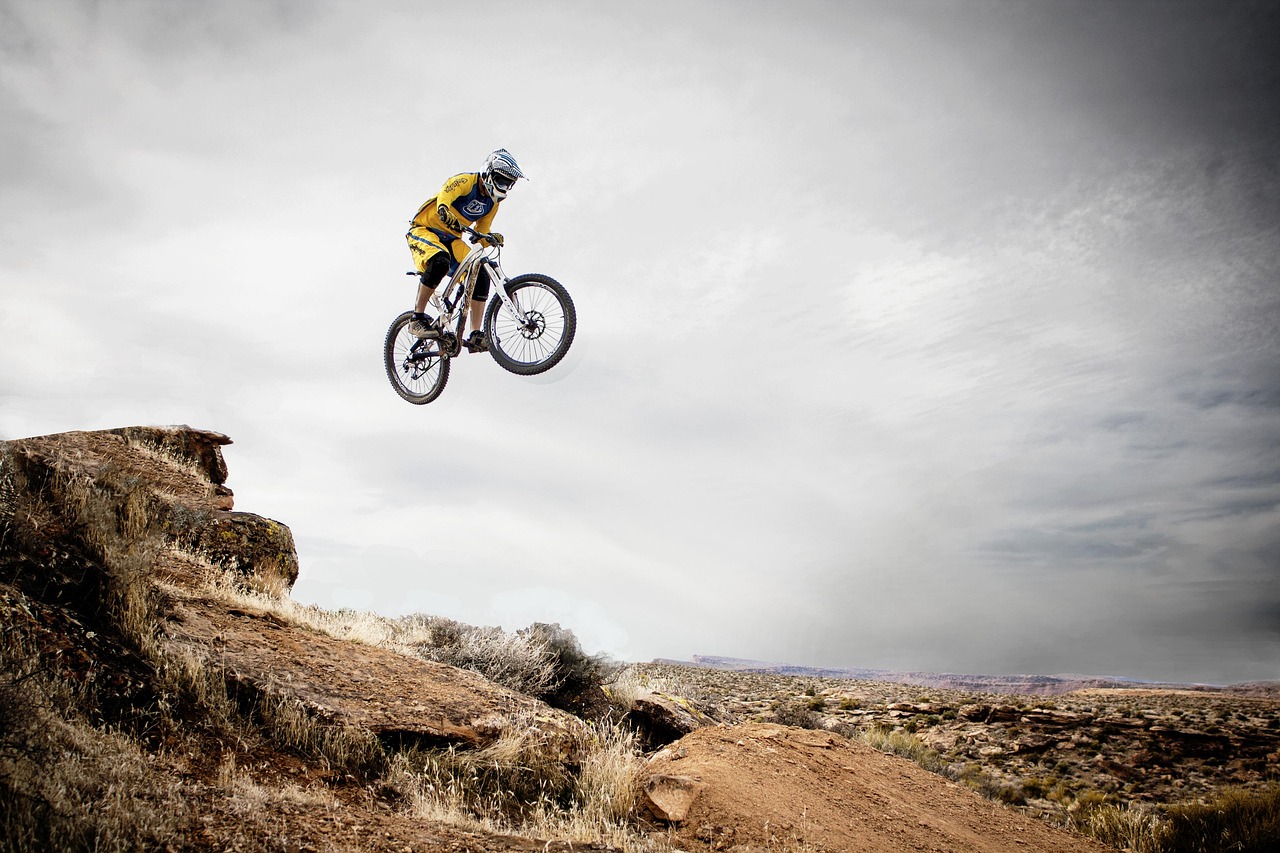
The best hardtail mountain bikes offer a blend of efficiency, durability, and direct trail feedback, making them excellent choices for a wide range of riders and terrains. Top models like the Canyon Stoic, Vitus Sentier, and Specialized Fuse stand out for their progressive geometry, reliable components, and ability to tackle everything from technical climbs to aggressive descents, providing exceptional value and a pure riding experience.
What Makes a Hardtail Mountain Bike Best for You?
Hardtail mountain bikes remain a core pillar of off-road cycling, celebrated for their straightforward design and engaging ride feel. By forgoing rear suspension, hardtails focus manufacturing budgets on superior front forks, stronger frames, and higher-grade drivetrains, resulting in a machine that transfers every watt of pedalling energy directly to the rear wheel. This design keeps overall weight low and maintenance costs predictable.
Whether you are looking to purchase your first mountain bike, upgrading from an outdated entry-level model, seeking a durable winter training bike, or searching for the best hardtail mountain bikes for bikepacking, choosing the right hardtail requires balancing frame geometry, suspension travel, wheel size, and component quality against your specific riding goals and budget.
Why Choose a Hardtail Mountain Bike Over Full Suspension?
The decision between a hardtail and a full-suspension bike comes down to budget, terrain, and riding philosophy. While full-suspension frames absorb impacts at both wheels, hardtails offer distinct advantages that make them the preferred choice for many riders:
- Direct energy transfer: Without rear shock bobbing under pedal loads, hardtails accelerate quickly and climb smooth or fire-road ascents with high efficiency. This makes them excellent for cross-country racing and fast-paced trail riding.
- Lower purchase cost: A hardtail avoids complex frame linkages and rear suspension units, allowing bike builders to fit higher-spec forks, hydraulic brakes, and drivetrains at equal price points. This is a significant factor when considering hardtail mountain bikes under $1000 or hardtail mountain bikes under $2000.
- Simplified maintenance: Fewer moving parts mean no pivot bearings to service, no linkage play to diagnose, and reduced annual suspension servicing costs. This translates to more time on the trails and less time in the workshop.
- Fundamental skill building: Riding a rigid rear end teaches you to pick precise lines, use your legs as active suspension, and manage weight distribution accurately. According to BikeRadar, starting on a hardtail can significantly improve a rider’s control and trail feel, fostering better bike handling skills. When rear suspension is not absorbing trail feedback, you learn to read terrain, unweight over square-edged rocks, and pump terrain features for momentum.
- Lighter overall weight: For cross-country riding or long-distance climbing, hardtail frames save substantial weight compared to rear-suspension platforms, enhancing agility and reducing fatigue.
How Do Different Hardtail Categories Compare?
Not all hardtails are built for the same purpose. Frame geometry and suspension travel categorize hardtails into distinct sub-types, ranging from ultra-light racing bikes to heavy-duty descending machines. Understanding these categories is crucial for finding the best hardtail mountain bike for your specific needs.
Trail Hardtails: The Versatile All-Rounder
Trail hardtails are the most versatile option for general mountain biking. Featuring 120mm to 140mm of front suspension travel, head tube angles between 65 and 66.5 degrees, and often 29-inch wheels, these bikes balance uphill efficiency with confident descending across singletrack, trail centres, and natural woodland trails. They are excellent choices for riders who enjoy a mix of terrain and want a bike that can handle a bit of everything without being overly specialized.
Cross-Country (XC) Hardtails: Built for Speed and Climbing
XC hardtails prioritize speed, weight reduction, and climbing performance. They feature 100mm to 110mm travel forks, steeper head tube angles (67.5 to 69 degrees) for quick steering response, light carbon or aluminium frames, and fast-rolling tyres. They excel on smooth singletrack, fire roads, and endurance race courses, though they can feel nervous on steep, rough descents. These are the best hardtail mountain bikes for those focused on racing or fast, efficient rides on less technical terrain.
Aggressive and Hardcore Hardtails: For Technical Descents
Designed for steep drops, jumps, and technical descents, aggressive hardtails feature 140mm to 160mm travel forks, slacker head tube angles (63.5 to 65 degrees), low bottom brackets, and reinforced frame tubing. Usually crafted from durable aluminium or chromoly steel, these bikes cater to riders who enjoy technical terrain without full-suspension complexity. They prioritize stability and control at speed over climbing prowess, making them popular with riders who frequent bike parks or challenging natural trails.
Budget and Entry-Level Hardtails: Your First Steps into MTB
Entry-level hardtails focus on recreational riding, smooth gravel tracks, and light trail use. Priced between £400 and £800 ($500 to $1,000), they typically utilize aluminium frames, 100mm coil-sprung forks, entry-level 1x or 2x drivetrains, and mechanical or basic hydraulic disc brakes. While capable on gentle tracks, their components and conservative geometry limit speed on rough trails. Brands like Schwinn, Mongoose, and Huffy offer entry models in this category, though component specs should be scrutinised carefully. For someone searching for the best hardtail mountain bikes for beginners or under $1000, these offer a starting point, but upgrading key components later is often beneficial.
Bikepacking and Adventure Hardtails: For Long Journeys
Adventure hardtails emphasize frame mounts for bags, racks, and water bottles, combined with comfortable upright geometry and durable steel or aluminium construction. They feature clearance for wide tyres (2.4 to 2.8 inches) and moderate fork travel (100mm to 120mm) to endure long days over mixed surfaces. These are the best hardtail mountain bikes for bikepacking, designed for stability and comfort over multi-day trips on varied terrain.
Top Hardtail Mountain Bikes for Every Riding Style
Selecting specific models depends on your riding goals and budget. The following options consistently deliver strong performance in their categories and are frequently cited among the best hardtail mountain bikes available.
Canyon Stoic: Aggressive Trail Value
The Canyon Stoic is an aggressive trail hardtail designed around progressive geometry and long reach. Featuring a 140mm travel fork, 65-degree head tube angle, and 29-inch wheels (or 27.5-inch on smaller frame sizes), it offers high stability on fast descents and jump lines. Its direct-to-consumer sales model delivers exceptional component value, though its sturdy aluminium frame carries a slight weight penalty on long climbs. This model is a strong contender for those seeking a capable, fun, and value-packed hardtail.
Vitus Sentier: Reliable Trail Performance
The Vitus Sentier is one of the most reliable options for trail riders seeking value and modern features. Available in both 27.5-inch and 29-inch wheel configurations with 130mm to 140mm forks, the Sentier pairs modern frame geometry with reliable Shimano or SRAM drivetrains. It handles tight singletrack and varied trail center loops with ease, making it a consistently popular choice for general trail riding.
Specialized Fuse: Playful and Versatile
The Specialized Fuse focuses on playful trail handling and tire versatility. Built with a lightweight aluminium frame, sliding dropouts for single-speed setups or adjustable chainstay lengths, and 130mm travel forks, the Fuse offers balanced weight distribution. Its comfortable reach numbers make it suitable for all-day trail epics and technical climbs alike, appealing to riders who value agility and adaptability.
Commencal Meta HT AM: Enduro-Ready Hardtail
The Commencal Meta HT AM is a heavy-hitting hardtail built for rough, steep, and demanding trails. Equipped with a 150mm or 160mm travel fork, slack 64.5-degree head angle, and reinforced aluminium frame, it functions as a rigid-tail enduro machine. It prioritizes high-speed stability and durability on descents over light climbing weight, making it a favorite for riders who push the limits on technical terrain.
Trek Roscoe: Stable and Grippy Trail Rider
The Trek Roscoe is a well-rounded trail hardtail built for stability and traction. Equipped with 140mm travel forks, 29×2.6-inch tyres, modern slack geometry, and dropper posts across the range, the Roscoe delivers abundant grip and rollover capability over loose rocks and wet roots. It’s a forgiving and confidence-inspiring option for varied trail conditions.
Trek Procaliber and Scott Scale: XC Race Machines
For cross-country racers, the Trek Procaliber features an IsoSpeed decoupler—a pivot point between the top tube and seatstay that allows subtle seat tube flex to damp trail chatter. The Scott Scale utilizes ultra-light carbon layup techniques to maximize power transfer and minimize weight, making both models top choices for competitive XC racing. These are among the best carbon hardtail mountain bikes for pure speed and efficiency.
Ragley Marley and Marin San Quentin: Agile and Jump-Friendly
The Ragley Marley (aluminium) and Marin San Quentin feature progressive frame geometry, short chainstays, and low standover heights. They provide an agile, jump-friendly ride feel for riders who enjoy tight corners, pump tracks, and technical singletrack. These bikes are designed for maximum fun and responsiveness on dynamic trails.
Comparing Key Specs Across Popular Hardtail Models
Comparing key specifications helps narrow down which hardtail suits your riding style and budget, especially when looking at the best hardtail mtb bikes across different categories.
| Bike Model | Category | Frame Material | Fork Travel | Head Angle | Drivetrain Tier |
|---|---|---|---|---|---|
| Canyon Stoic | Aggressive Trail | Aluminium | 140mm | 65.0° | Shimano Deore or SRAM SX/NX |
| Vitus Sentier | Trail | Aluminium | 130mm – 140mm | 66.0° | Shimano Deore / SLX |
| Specialized Fuse | Trail | Aluminium | 130mm | 66.5° | SRAM SX / NX Eagle |
| Commencal Meta HT AM | Enduro / Aggressive | Aluminium | 150mm – 160mm | 64.5° | SRAM SX / GX Eagle |
| Trek Roscoe | Trail | Aluminium | 140mm | 65.0° | Shimano Deore / SRAM NX |
| Trek Procaliber | Cross-Country | Carbon / Aluminium | 100mm | 68.8° | Shimano XT / SRAM GX |
| Scott Scale | Cross-Country | Carbon / Aluminium | 100mm | 67.9° | Shimano Deore / SRAM NX |
How Frame Material and Geometry Affect Your Ride
Frame design dictates how a hardtail handles impacts, pedals uphill, and responds to steering inputs. Understanding these elements is key to selecting a bike that performs optimally for you, whether you’re interested in a carbon hardtail mountain bike or a durable aluminium hardtail mtb.
Aluminium Alloy: The Common Workhorse
Aluminium (typically 6061 or 6061-T6 alloy) is the dominant frame material for mid-range and trail hardtails. Hydroformed tube shaping allows manufacturers to alter wall thickness and shape, providing stiffness around the bottom bracket for power transfer while keeping weight manageable. Aluminium frames are durable and affordable, though they transmit more high-frequency trail vibration to the rider than steel or carbon. This makes them a great choice for riders seeking a balance of performance, durability, and cost-effectiveness, especially in the “hardtail aluminum mtb” category.
Carbon Fibre: Lightweight Performance
Carbon fibre allows engineers to tune frame stiffness directionally. Layers of carbon weave can be aligned to yield lateral stiffness for efficient pedalling while permitting minor vertical flex to reduce trail fatigue. Carbon frames save substantial weight, making them ideal for XC racing, but they increase total bike cost and require careful inspection after heavy crashes. These are the go-to for competitive riders or anyone prioritizing minimal weight and maximum efficiency.
Chromoly Steel: Durable and Compliant
Chromoly steel (such as 4130 alloy or Reynolds tubing) retains a strong following among aggressive hardtail enthusiasts and bikepackers. Steel offers natural material compliance, dampening harsh trail impacts and vibration better than aluminium. Steel frames are heavier and require anti-corrosion protection inside the tubes, but they are exceptionally tough and easily repaired by custom builders. Their compliant ride quality makes them comfortable for long days in the saddle.
Titanium: The Premium Choice
Titanium combines the shock-absorbing ride feel of steel with weight comparable to high-grade aluminium, alongside complete immunity to rust. Titanium hardtails represent a premium investment, offering custom tube sets and longevity, though their elevated price keeps them as boutique offerings. They are for riders seeking the ultimate in ride quality and durability, willing to invest significantly.
Understanding Modern Hardtail Geometry
Geometry numbers reveal more about a bike’s handling than its component list. These figures are crucial for determining how a bike will feel on the trail and whether it suits your preferred riding style.
- Head tube angle: Slacker angles (64° to 66°) position the front wheel further forward, preventing the bike from feeling unstable on steep descents. This enhances confidence on challenging terrain. Steeper angles (67.5° to 69°) provide quick, responsive steering ideal for climbing and low-speed twisty trails, common on XC-focused hardtails.
- Seat tube angle: Modern hardtails use steeper seat tube angles (74° to 77°). This positions your center of mass forward over the bottom bracket during steep ascents, preventing front-wheel lift and improving climbing efficiency.
- Reach: Reach measures the horizontal distance from the bottom bracket center to the head tube center. Longer reach numbers provide room to move your body weight over the bike, improving stability at speed and allowing for a more aggressive riding position.
- Chainstay length: Shorter chainstays (420mm to 430mm) make lifting the front wheel and carving tight corners easier, contributing to a playful and agile feel. Longer chainstays (435mm to 445mm) improve high-speed stability and climbing traction, often found on bikes designed for more aggressive or endurance riding.
Understanding Suspension Forks, Wheel Sizes, and Drivetrains
Choosing the right components ensures your hardtail handles terrain smoothly and operates reliably over time. These elements significantly impact performance and value, especially when comparing different models for the best hardtail mountain bikes.
Suspension Fork Features: Your Only Front Line of Defense
The front fork is the only mechanical shock absorption on a hardtail, making its performance critical.
- Air vs coil springs: Budget hardtails often rely on heavy steel coil springs that offer fixed spring rates. Air-sprung forks (found on most mid-range and premium models) allow you to adjust stiffness precisely by adding or bleeding air pressure with a shock pump. This adjustability is a key upgrade for comfort and control. Industry leaders RockShox and Fox offer reliable air forks such as the RockShox Recon, Judy, or Fox Rhythm across mid-tier price points.
- Damper adjustability: Rebound damping controls how fast the fork extends after compressing; without it, the front wheel bounces off obstacles. Compression damping adjusts resistance against diving during braking or low-speed cornering. Lockout stiffens the suspension for paved roads and smooth climbs, maximizing pedalling efficiency.
- Axle standards and stanchion diameter: Modern trail hardtails use 15x110mm Boost thru-axles instead of quick-release skewers to prevent front wheel flex under heavy cornering. Thicker stanchions (34mm or 36mm) stiffen long-travel forks, providing more precise steering, while 32mm stanchions save weight on 100mm XC forks.

Wheel Size: 29-inch vs 27.5-inch vs Mullet
Wheel selection alters momentum, rollover capability, and cornering agility, significantly influencing the bike’s feel on the trail.
- 29-inch wheels: The dominant standard for cross-country and trail hardtails. Larger wheels roll over rocks and roots with less speed loss and offer a larger tyre contact patch for traction. They excel at maintaining momentum and providing a stable ride.
- 27.5-inch wheels (650b): Smaller wheels accelerate faster, weigh less, and respond quickly to rider inputs, making them ideal for shorter riders, jump trails, and tight woodland tracks. They offer a more agile and playful feel.
- Mullet setup (29 front / 27.5 rear): Combines the obstacle rollover of a 29er front wheel with the rear wheel clearance and cornering agility of a 27.5 rear wheel. This setup provides a good balance for aggressive riding, offering the best of both worlds.
Drivetrains and Hydraulic Disc Brakes: Control and Stopping Power
Modern hardtails almost exclusively use 1x drivetrains with a single front chainring and wide-range cassettes (10-51T or 11-50T). This simplifies shifting and reduces weight.
- Shimano vs SRAM: Shimano Deore M6100 (12-speed) and SRAM NX Eagle offer high reliability at accessible prices, making them common on bikes under $1500 to $2000. Entry drivetrains like Shimano Tourney, Altus, or SRAM X3/X4 are suited to light recreational use, while stepping up to Shimano SLX/XT or SRAM GX Eagle reduces weight and provides crisper shifting under heavy pedal loads, found on higher-end models.
- Braking power: Hydraulic disc brakes are essential for precise stopping power and reduced hand fatigue compared to mechanical disc or rim brakes. Entry-level 2-piston brakes with 160mm or 180mm rotors work well for light trail use. Aggressive trail hardtails benefit from 4-piston calipers paired with 180mm or 203mm front rotors for heat dissipation on long descents and consistent stopping power.
- Cockpit and contact points: Fitting the right grips, saddle, and pedals improves rider control and comfort over rough terrain (see Full Suspension Mountain Bikes: Your Guide to Trail-Ready Control for selecting bar setup parameters). These personal touches are crucial for long-term enjoyment.
Who is a Hardtail Mountain Bike NOT for?
While hardtails are versatile and cost-effective, they are not suited for every rider or every trail condition. Understanding these limitations helps in making an informed decision.
- Riders targeting severe downhill and bikepark terrain: Continuous boulder fields, square-edged rock drops, and high-speed braking bumps transfer heavy impacts through a hardtail’s rear wheel, causing rapid leg fatigue and increased risk of rim damage. For these conditions, the shock absorption of a full-suspension bike is almost mandatory.
- Riders with chronic lower back or joint issues: Without a rear shock to absorb vertical impacts, trail feedback travels directly through the pedals, saddle, and spine. Riders requiring joint isolation are better served by full-suspension bikes, which offer a much smoother ride.
- Riders seeking maximum traction on loose, rough climbs: On uneven, rocky ascents, a hardtail rear wheel can bounce off obstacles, losing traction where a rear shock maintains tire contact with the ground. Full-suspension bikes generally offer superior grip on technical climbs.
- Riders prioritizing ultimate comfort on long, bumpy rides: While skilled riders can mitigate some harshness, a hardtail will always be less forgiving on prolonged rough terrain compared to a full-suspension bike, leading to greater fatigue over extended periods.
Essential Upgrades and Setup Tweaks for Maximum Control
If you buy an entry-level or mid-range hardtail, a few key upgrades can dramatically improve trail performance, turning a good hardtail mountain bike into a great one.
- Fit a dropper post: A dropper post lets you lower the saddle at the push of a handlebar lever, allowing your legs to bend fully and absorb impacts when descending. It is the single most effective upgrade for any trail hardtail, enhancing confidence and control significantly.
- Convert tyres to tubeless: Eliminating inner tubes allows you to run lower tyre pressures (such as 20 to 24 PSI depending on rider weight) without risking pinch flats. This increases tyre deformation over rocks, dramatically improving rear-wheel grip, comfort, and puncture resistance.
- Upgrade tyre tread compounds: Factory entry-level hardtails often ship with hard-compound tyres that offer less grip. Fitting a grippy, soft-compound front tyre improves front-end cornering traction on loose soil and wet roots, a critical safety and performance upgrade. Consider a more aggressive tread pattern for the front and a faster-rolling one for the rear based on your terrain.
- Upgrade flat pedals and footwear: Replace cheap plastic test pedals with wide aluminium or composite flat pedals featuring replaceable steel pins, paired with dedicated sticky rubber mountain bike shoes. This combination provides superior grip and control, connecting you better to the bike.
- Optimize suspension fork settings: If you have an air-sprung fork, take the time to set the sag correctly (typically 15-20% for hardtails) and dial in the rebound and compression damping. Correctly tuned suspension makes a huge difference to comfort and control.
Common Hardtail Maintenance Problems and Solutions
Keeping your hardtail quiet and smooth requires addressing routine mechanical issues early. While hardtails are simpler than full-suspension bikes, they still benefit from regular attention.
1. Persistent Bottom Bracket or Seatpost Creaks
Creaks often sound like bottom bracket failure but frequently originate from dry seatposts or dirty seat clamps. Remove the seatpost, clean the inside of the seat tube, apply fresh assembly paste (or carbon paste for carbon components), and torque to spec. If creaking persists under heavy pedalling while standing, remove the bottom bracket, clean the threads or press-fit shell, grease thoroughly, and reinstall.
2. Rear Derailleur Shifting Hesitation or Chain Drop
A stiff or ungreased derailleur clutch can cause chain slap and shifting lag. Ensure the clutch mechanism on your rear derailleur (Shimano Shadow+ or SRAM Type 3) is engaged and properly tensioned. Check derailleur hanger alignment if shifting is crisp on lower cogs but jumps near the top of the cassette; a bent hanger is a common culprit.
3. Spongy Hydraulic Brake Lever Feel
Air bubbles entering the hydraulic line cause soft lever pull and reduced stopping power. Perform a lever bleed using manufacturer-specific mineral oil (Shimano) or DOT fluid (SRAM) to restore firm lever feel. Inspect brake pads regularly; worn pads cause heat buildup and rotor warping, so replace them before they are completely worn down.
4. Suspension Fork Stanchion Wear and Harsh Feel
Failing to clean fork stanchions after muddy rides allows grit past the wiper seals, scratching lower legs and contaminating internal oil. Wipe stanchions with a microfiber cloth after every ride, and perform a lower-leg service (replacing bath oil and foam rings) every 50 to 100 riding hours. This preventative maintenance significantly extends fork life and maintains smooth performance.
Sources: Mountain bike
Frequently Asked Questions About Hardtail Mountain Bikes
Are hardtail mountain bikes still relevant?
Yes, hardtails remain widely popular because they offer superior value, lower weight, direct power transfer, and reduced maintenance costs compared to full-suspension bikes. They are ideal for cross-country racing, trail riding, bikepacking, and developing fundamental bike handling skills, making them highly relevant for a broad range of riders.
What is the difference between a hardtail and a full-suspension mountain bike?
A hardtail mountain bike features suspension only in the front fork, while a full-suspension bike incorporates both a front fork and a rear shock. Full-suspension bikes absorb larger trail impacts and offer more traction on rough descents, but they are heavier, more expensive, and require significantly more maintenance.
How much suspension travel do I need on a hardtail?
For cross-country riding and speed on smooth trails, 100mm to 110mm of fork travel is ideal. For general trail riding, 120mm to 140mm provides a strong balance of comfort and control, while aggressive hardtails designed for steep descents use 150mm to 160mm travel forks for maximum impact absorption.
What is the best wheel size for a hardtail mountain bike?
29-inch wheels are the standard recommendation for most riders because they roll over obstacles smoothly and maintain momentum effectively. 27.5-inch wheels offer quicker acceleration and higher agility, making them suitable for jump trails, tight technical tracks, or shorter riders. Some aggressive hardtails also use a “mullet” setup with a 29-inch front and 27.5-inch rear wheel.
What should I expect to spend on a quality hardtail mountain bike?
A reliable, trail-ready hardtail with an air-sprung fork, 1x drivetrain, and hydraulic disc brakes typically costs between £800 and £1,800 ($1,000 to $2,500). Beginner recreational options start around £400 to £800 ($500 to $1,000), while lightweight carbon cross-country race models exceed £2,500 ($3,000).
Are there hardtail mountain bikes specifically for women?
While many hardtails are unisex, some brands offer specific “women’s” models with adjusted geometry, saddles, and smaller frame sizes to better fit female riders. However, many women find a standard hardtail with appropriate sizing and component adjustments (like narrower handlebars or a different saddle) perfectly suitable, focusing on reach, standover height, and component fit rather than gendered branding.