
 By Hashim Hashmi
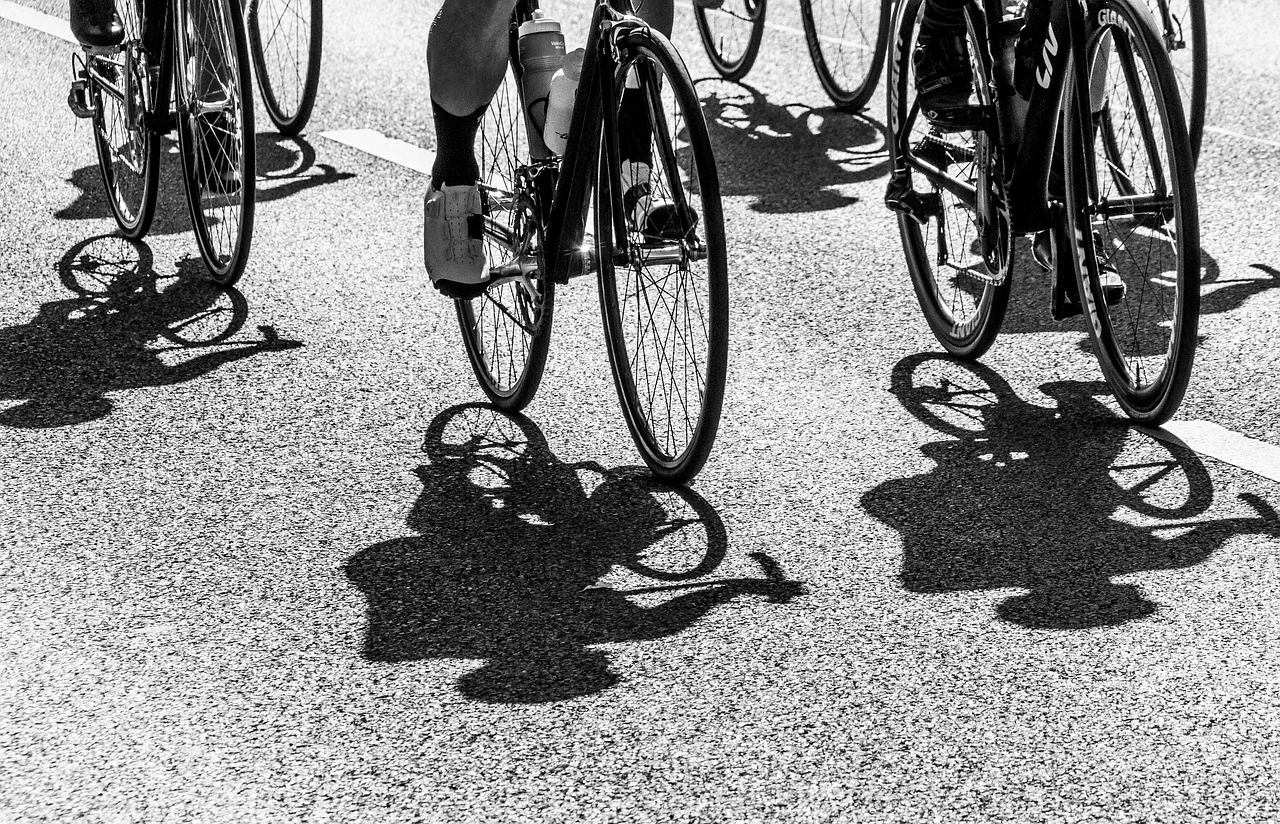
While there is no single ideal cadence for every rider or situation, aiming for a slightly higher rate often reduces strain on your joints and muscles. This article explores how to find your optimal pedalling rate. It explains why a higher cadence is often beneficial, details how to measure it, and provides practical tips for improvement.
What is Cycling Cadence and Why Does It Matter?
Cycling cadence is the rotational speed of your bike’s crank, expressed in revolutions per minute (RPM). It essentially measures how fast you turn the pedals. This metric is important because it dictates the balance between muscular force and cardiovascular effort. It directly impacts your efficiency, power output, and long-term comfort on the bike.
A single revolution means one full 360-degree turn of the cranks by one leg. [rouvy.com] For example, a cadence of 90 RPM means your pedals complete 90 full rotations every minute. Understanding and optimizing your cadence is fundamental for any cyclist, from a leisurely Sunday ride through the countryside to pushing hard on a challenging climb in the Peak District.
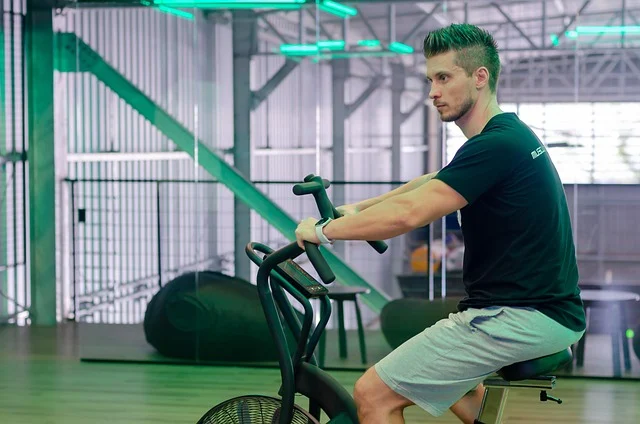
Why does it matter so much? Because your pedalling rate directly influences how your body generates power. A lower cadence (e.g., 60 RPM) requires more force per pedal stroke. This stresses your muscles more but can be less taxing on your cardiovascular system initially. Conversely, a higher cadence (e.g., 90 RPM) reduces the force per stroke, favoring cardiovascular endurance and potentially reducing muscle fatigue over longer distances, as noted by sources like TrainerRoad. It’s about finding the right balance for your body and your specific riding goals.
What Cycling Cadence Should You Aim For?
There is no single “ideal” cycling cadence that suits every rider or situation. It is highly individual and depends on factors like your fitness level, terrain, and the intensity of your effort. While professional cyclists often maintain around 90 RPM on flat stages, recreational riders typically find their rhythm between 60-80 RPM, with beginners often settling into the 65-85 RPM range.
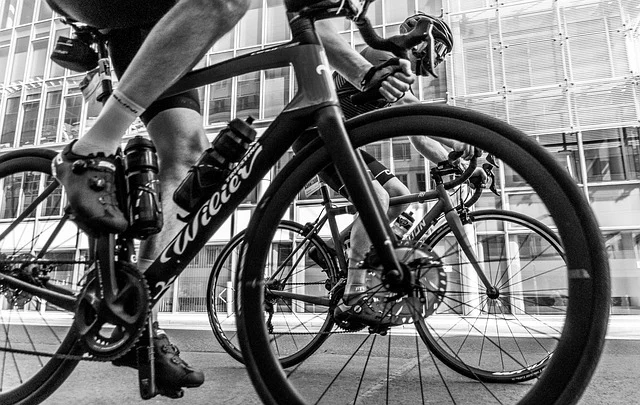
Many new riders naturally default to a lower cadence, pushing a harder gear. However, aiming for a slightly higher cadence often reduces strain on your joints and muscles, allowing you to ride longer and more comfortably. For instance, if you’re tackling a steep incline, a slightly lower cadence (around 70 RPM) might feel more powerful. But on a flat stretch, spinning at 85-95 RPM could be more efficient and preserve your legs. According to Google’s verifiable facts, professional cyclists maintain about 70 RPM during uphill climbs, showing the adaptability of cadence to terrain.
The common misconception that everyone should aim for 90-100 RPM like a professional cyclist often leads riders astray. A higher cadence can improve cardiovascular fitness and reduce muscle fatigue. However, the most metabolically efficient cadence (using the least oxygen for a given power output) is often around 60-70 RPM. This is usually lower than what trained cyclists naturally choose for optimal performance. We always advise riders to experiment to find what feels sustainable and effective for them, rather than strictly adhering to a number.
Why is Higher Cycling Cadence Often Considered Better?
A higher cycling cadence is often considered better because it generally promotes a more efficient and sustainable power output. It does this by reducing the muscular force required per pedal stroke, thereby deferring muscle fatigue. This approach shifts more of the workload to the cardiovascular system, which can often recover faster than fatigued muscles over long rides.
When you pedal at a higher RPM, you are applying less force to the pedals with each stroke. This reduces the strain on your leg muscles, particularly the quadriceps and hamstrings. These can otherwise build up lactic acid more quickly at lower cadences and higher forces. For instance, if you’re cycling for several hours, a consistent cadence of 85-95 RPM will likely feel less taxing on your muscles than grinding out 60 RPM in a harder gear, even if the power output is the same. This can help prevent cramps and allow for a stronger finish to your ride.

Another benefit is improved neuromuscular coordination. Spinning at a higher rate requires smoother, more precise pedalling. This can enhance your overall bike handling and efficiency. Over time, training at higher cadences can develop a more fluid and less ‘choppy’ pedal stroke. This isn’t just about speed; it’s about making your effort more sustainable. For riders aiming for racing or long-distance events, developing the ability to maintain a high cadence is a valuable skill. It allows for bursts of speed and sustained effort without completely exhausting the muscles.
How Do You Measure and Track Your Cycling Cadence?
You can measure and track your cycling cadence using dedicated cadence sensors, power meters, or smart trainers. These typically transmit data wirelessly to a bike computer, smartphone app, or smartwatch. These devices provide real-time feedback, allowing you to monitor and adjust your pedalling rate as you ride.
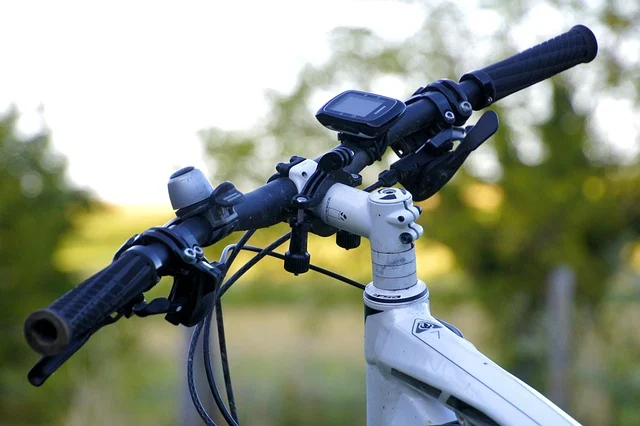
Cadence Sensors: These are the most common and often the most affordable option. A cadence sensor usually attaches to your crank arm or the chainstay of your bike and uses a magnet or accelerometers to detect each pedal revolution. Brands like Wahoo Fitness and Garmin offer reliable sensors that connect via ANT+ or Bluetooth to your cycling computer (e.g., Garmin Edge, Wahoo ELEMNT) or a smartphone app. For example, a Wahoo RPM Cadence Sensor (available from various UK retailers) can easily attach to your crank arm. It provides accurate data to your device.
Cadence sensors and smart trainers
Power Meters: Many modern power meters, which measure your power output (in watts), also include a cadence sensor. These are often integrated into the crankset, pedals, or rear hub. If you’re already considering a power meter for advanced training, it will likely provide cadence data as well. This gives you two important metrics in one device.
Smart Trainers: For indoor cycling, smart trainers (like those from Wahoo or Tacx) often have built-in cadence measurement. When connected to apps like Zwift or TrainerRoad, they display your cadence along with power and speed, making indoor training highly data-rich. Some smartwatches, such as the Apple Watch, can also track cycling cadence if paired with a compatible external cadence sensor, extending their utility for outdoor rides.
Once you have a sensor, ensure it’s properly paired with your display device. Most bike computers will show your current, average, and maximum cadence. We recommend setting up your bike computer to display current cadence prominently during your rides. This immediate feedback is invaluable for training and consciously adjusting your pedalling to hit your target RPMs.
Practical Tips for Improving Your Cycling Cadence
Improving your cycling cadence involves conscious practice and specific drills. These retrain your neuromuscular system for a smoother, faster pedalling motion. The goal is to make higher RPMs feel natural and sustainable, reducing reliance on heavy gear mashing.
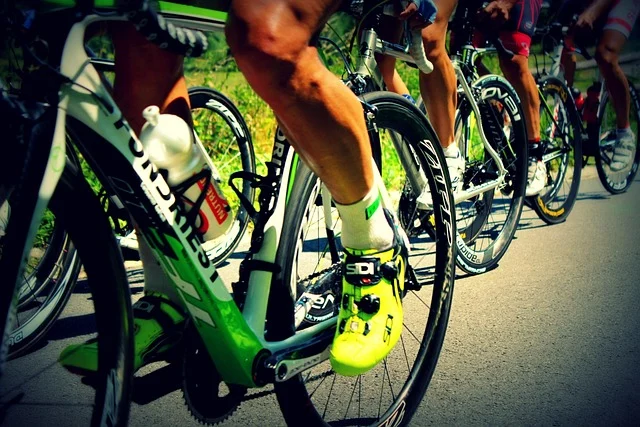
- Start Gradually: Don’t jump straight to 100 RPM if you’re used to 70. Begin by aiming for a slight increase, perhaps 5-10 RPM above your usual comfortable cadence. Maintain this for short intervals, then return to your normal pace. For example, if your average is 75 RPM, try to hold 80-85 RPM for 2–5 minutes, then recover.
- Focus on Smoothness: A high cadence is only efficient if your pedal stroke is smooth and circular, not jerky. Practice “spinning circles” – imagine scraping mud off the bottom of your shoe at the bottom of the stroke and kicking it over the top. This technique helps engage all your leg muscles throughout the entire rotation.
- Use Cadence Drills:
- High Cadence Drills: On a flat, safe section of road, shift into an easier gear (lighter resistance). Increase your cadence to a point where it feels almost too fast, but you can still maintain control and smoothness (e.g., 100-110 RPM). Hold this for 30-60 seconds, then recover at your normal cadence for 2–3 minutes. Repeat 5-10 times.
- Single-Leg Drills: On an indoor trainer or a very quiet, flat road, unclip one foot from the pedal and rest it on the rear stay or a stand. Pedal with one leg for 30-60 seconds, focusing intently on a smooth, full rotation. This highlights any dead spots in your pedal stroke. Alternate legs and then pedal with both. This drill is particularly effective for developing balanced power and smoothness.
- Gear Selection: Learn to use your gears effectively. Instead of staying in a hard gear and grinding, anticipate terrain changes and shift to an easier gear before a climb or when facing a headwind. This allows you to maintain a higher, more consistent cadence rather than letting it drop significantly. It is often observed that riders struggle up hills simply because they haven’t shifted down enough.
- Monitor Your Heart Rate: As you increase cadence, your heart rate will naturally rise. Pay attention to your effort level. The goal isn’t to redline your heart rate, but to find a sustainable, efficient rhythm. If your heart rate is soaring and you feel out of breath, you might be spinning too fast for your current fitness level, or your gear is too easy for the terrain.
Remember that consistency is key. Incorporate these drills into your regular rides a few times a week, and you’ll gradually notice an improvement in your ability to maintain a higher, more efficient cadence. It’s a skill that takes time to develop, but the benefits in terms of endurance and power are substantial.
Cadence Versus Power: Understanding the Relationship
The relationship between cycling cadence and power output is fundamental to efficient riding, as power (measured in watts) is a product of both the force you apply to the pedals and your pedalling rate (cadence). While they are distinct metrics, they are intrinsically linked, and understanding their interplay helps optimize your performance.
Power = Torque (force) x Angular Velocity (cadence).
This means you can achieve a specific power output in different ways: a lower cadence with higher force (e.g., pushing a big gear slowly) or a higher cadence with lower force (e.g., spinning an easier gear quickly). For example, to maintain 200 watts, you could pedal at 60 RPM with a high amount of force, or at 90 RPM with less force per stroke.
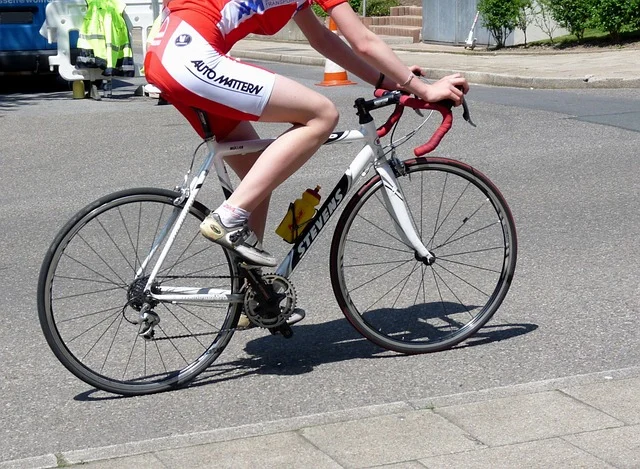
Finding your optimal cadence range
Many experienced riders, especially those using power meters, often find a “sweet spot” where their power output is maximized for a given effort level, typically falling within the 85-95 RPM range. This range allows them to generate consistent power without excessively fatiguing their muscles or over-stressing their cardiovascular system. However, this optimal range can shift based on factors like the terrain; a steep climb might naturally pull your cadence down while demanding high power, whereas a fast descent might see very high cadence with minimal power.
The key is to use cadence as a tool to manage power output and energy expenditure. If a steady power output is desired on a long ride, many find themselves adjusting their gears to keep their cadence within a preferred range, rather than letting it fluctuate wildly. This helps ensure energy is used efficiently and muscles are not burned out prematurely. Professional cycling has seen shorter crank arms since 2024. That change facilitated a flatter aero position and often a higher cadence, showing how equipment can also influence this relationship.
Frequently asked questions
What is the 75 rule in cycling?
The “75 rule” in cycling is not a widely recognized or established training principle. While a cadence of around 75 RPM falls within the typical range for many recreational cyclists, there isn’t a specific rule or guideline that universally dictates this as an optimal or target cadence for all situations or riders.
Is 160 cadence too slow?
A cadence of 160 RPM is not too slow; in fact, it is an extremely high pedalling rate. Most cyclists would find it difficult to sustain, even for short bursts. Typical high-performance cadences are usually in the 90-100 RPM range, with sprints occasionally reaching 100-120 RPM or higher. This makes 160 RPM an exceptionally fast cadence.
What was Lance Armstrong’s cadence?
Lance Armstrong was known for his unusually high cadence, often reported to be in the range of 95-110 RPM, particularly on climbs where many other riders would typically use a lower cadence. This high-cadence style was a distinctive part of his riding strategy.