
 By Hashim Hashmi

While 28mm tyres offer a good balance for many riders, 32mm tyres excel for endurance rides or on rougher roads. This article explores how rolling resistance, aerodynamics, and comfort influence speed. It helps determine which tyre width is best for your specific riding conditions and bike compatibility.
What’s the Core Difference Between 28mm and 32mm Road Bike Tyres?
The fundamental difference between 28mm and 32mm road bike tyres is their width, measured in millimeters. This seemingly small distinction of just 4mm has a cascading effect on several key performance characteristics: contact patch, air volume, and ideal tyre pressure. A wider tyre means a larger air volume, which allows you to run lower pressures. This leads to a greater contact patch with the road.
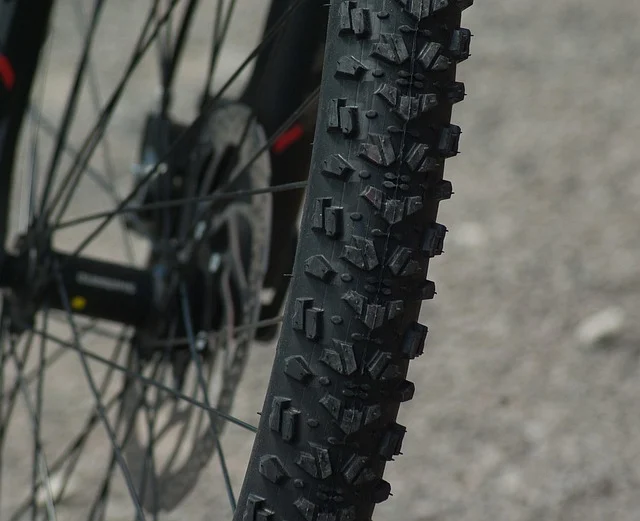
The larger contact patch of a 32mm tyre, when run at appropriate lower pressures, can provide better grip. This is particularly true in corners and on wet or loose surfaces. The increased air volume also acts as a natural suspension, absorbing more road chatter and small bumps. This translates directly to enhanced rider comfort over long distances. While 28mm tyres offer a good balance, 32mm road bike tyres push further into the comfort and grip territory. They are excellent for endurance rides or roads that are not perfectly smooth.
Are 28mm Tyres Faster Than 32mm Tyres?
This is a common question, and the answer is more nuanced than a simple ‘yes’ or ‘no’ because ‘faster’ depends on the specific conditions and what metric you prioritize. Historically, narrower tyres like 23mm or 25mm were considered faster due to perceived lower aerodynamic drag and a smaller contact patch. However, current research and real-world testing suggest that wider tyres, when correctly inflated, can often be as fast, or even faster, in many practical scenarios.
Rolling Resistance
The biggest shift in understanding has been around rolling resistance. Counter-intuitively for some, a wider tyre run at a lower pressure often has lower rolling resistance than a narrower tyre inflated to a higher pressure on real-world road surfaces. This is because a wider tyre deforms less for the same amount of ‘give’ when it hits an imperfection. A narrower, higher-pressure tyre has to deform more acutely, creating more energy loss. When comparing 28mm vs 32mm road bike tyres, the wider option can spread the load over a wider, shorter contact patch, leading to less deformation and a smoother roll over varied terrain compared to the narrower tyre that might be inflated harder and ‘bounce’ more.
Aerodynamics
Where 28mm tyres still hold a slight edge is in pure aerodynamics, especially at higher speeds on smooth surfaces. A narrower tyre presents a smaller frontal area, and if paired with a wheel rim designed for it (where the tyre width is similar to or slightly less than the rim’s external width), it can be more aerodynamically efficient. However, rough road surfaces diminish this advantage significantly, and vibrations quickly nullify aerodynamic gains through increased rolling resistance and rider fatigue. Most recreational riders see minimal aerodynamic difference in 28mm vs 32mm road bike tyres, which other factors often outweigh.

Correct tyre pressure is important for optimising the performance of both 28mm and 32mm tyres.
Comfort and Fatigue
While not directly a measure of speed, comfort plays a significant role in how fast you can ride over a sustained period. A more comfortable ride means less fatigue, allowing you to maintain a higher power output for longer. The superior vibration damping of 32mm tyres can reduce the amount of energy your body expends absorbing road shock. This can lead to a faster overall time on longer rides or rougher routes. This is true even if the absolute top speed in a short sprint is slightly lower due to aerodynamics.
Can I Put 28mm Tyres on My Road Bike?
Before you commit to a new tyre width, you need to check if your bike can actually accommodate it. Thorough inspection is a critical step, and we always advise checking before making a purchase. Main factors to consider are frame and fork clearance, rim width, and brake caliper clearance if you have rim brakes.
Frame and Fork Clearance
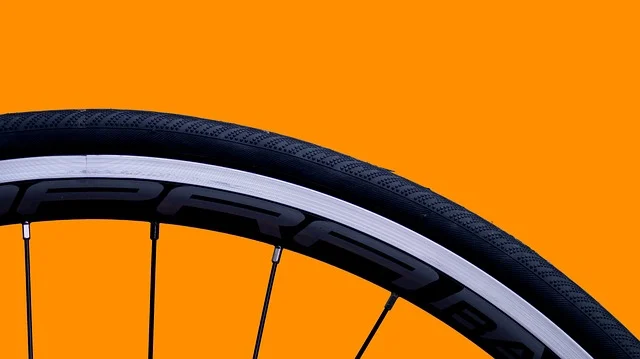
The most important check is whether your frame and fork have enough space for the wider tyre. You need to look at the clearance around the chainstays, seatstays, and fork legs. There should be at least 3-4mm of space between the tyre and any part of the frame or fork. If it’s too tight, the tyre could rub, causing damage to your frame or, worse, locking up your wheel. Bear in mind that a tyre’s actual width can vary slightly from its stated size. Some tyres ‘grow’ a little once inflated.
For modern disc brake road bikes, clearance for 28mm and even 32mm tyres is often standard. Many manufacturers now design their frames with ample room. Older rim-brake road bikes, particularly those designed for racing, might struggle to fit anything wider than 25mm or 23mm tyres.
Rim Width Compatibility
The internal width of your wheel rims also plays a role. Tyres perform best when mounted on rims of an appropriate width. An overly narrow rim can cause a wider tyre to ‘bulge’ excessively, compromising its shape, stability, and handling characteristics. Conversely, an overly wide rim with a narrow tyre can expose the rim to damage. For 28mm vs 32mm road bike tyres, ideal internal rim widths are 19-21mm and 21-25mm. Check your wheel manufacturer’s specifications for recommended tyre widths.
Brake Caliper Clearance (Rim Brakes)
If your bike uses rim brakes, you’ll also need to ensure that the brake calipers can open wide enough to clear the wider tyre. Some older caliper designs simply don’t have the vertical clearance for a 28mm vs 32mm road bike tyres, even if the frame does. The tyre might rub against the top of the caliper or make it impossible to remove the wheel without deflating the tyre. This is less of an issue with modern disc brake bikes, as the caliper is not positioned over the tyre.
When to Choose 28mm Road Bike Tyres
We recommend 28mm road bike tyres for a broad range of riders and conditions, making them an excellent all-rounder. They hit a sweet spot for many cyclists.
- Fast Group Rides and Racing (on good roads): If you participate in fast group rides or road races on well-maintained tarmac, 28mm tyres provide a good balance of speed, aerodynamic efficiency (especially with modern wide rims), and a noticeable increase in comfort and grip over narrower options.
- Everyday Training and Commuting: For daily training rides or commuting on roads that might have a few potholes but are generally decent, 28mm tyres offer a solid and comfortable solution. They absorb road vibrations better than 25mm tyres, reducing fatigue and improving puncture resistance.
- Mixed Terrain, Mostly Paved: If your rides occasionally take you onto short stretches of light gravel or rougher tarmac, the 28mm tyre provides enough volume and grip to handle these sections without feeling sluggish on the smoother parts.
- Riders Prioritising a ‘Road Race’ Feel with Comfort: If you enjoy the responsive feel of a traditional road bike but want to dial up the comfort without fully committing to a ‘gravel’ or endurance setup, 28mm is a superb compromise.
When to Choose 32mm Road Bike Tyres
The 32mm tyre truly shines when comfort, stability, and grip take precedence, or when tackling less-than-perfect road surfaces. This width is becoming the default for many endurance and adventure road bikes.

- Long-Distance Endurance Rides: For gran fondos, addaxes, or any ride where you spend many hours in the saddle, the comfort benefits of 32mm tyres are immense. The reduced road chatter translates to less body fatigue, allowing you to ride stronger for longer.
- Rough Roads and Light Gravel: If your favorite routes include poorly maintained tarmac, chip-seal roads, or even well-packed dirt and light gravel paths, 32mm tyres are a major shift. They provide significantly more cushioning and confidence. This allows you to maintain speed over surfaces that would be jarring on narrower tyres.
- Winter Riding and Wet Conditions: The larger contact patch and ability to run lower pressures mean 32mm tyres offer superior grip in wet conditions or on slippery winter roads. This enhances safety and control when conditions are less than ideal.
- Heavier Riders: For heavier riders, the increased air volume of a 32mm tyre provides better support. This also reduces the risk of pinch flats, even at lower pressures, compared to a 28mm tyre.
- Riders Prioritising Comfort and Confidence: If your primary goal is a smooth, stable, and confidence-inspiring ride, especially if you’re new to road cycling or simply prefer a more relaxed feel, 32mm tyres are an excellent choice.
Pressure Matters: Optimizing Your 28mm or 32mm Tyres
Simply choosing the right tyre width is only half the battle. Optimising your tyre pressure is equally, if not more, important. Running the correct pressure maximizes the benefits of your chosen width. Too high, and you lose comfort and grip; too low, and you risk pinch flats and increased rolling resistance.
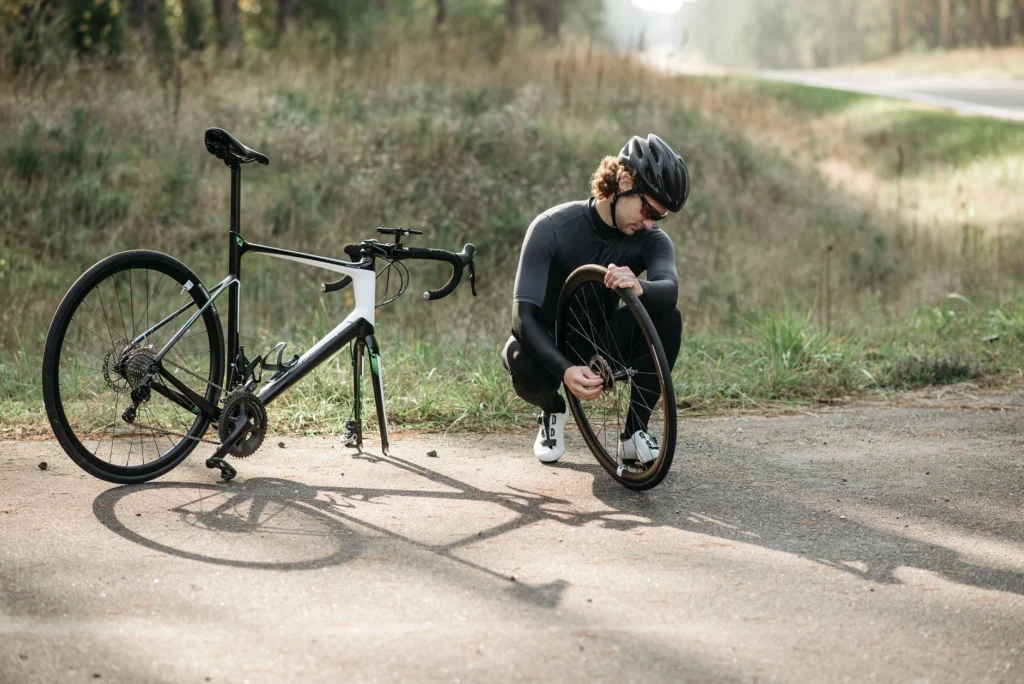
For 28mm tyres, pressures ranging from 70-90 PSI (4.8-6.2 bar) are typically suggested, depending on rider weight and road conditions. For 32mm tyres, it is often possible to go significantly lower, perhaps 55-75 PSI (3.8-5.2 bar). These are general guidelines, and we always recommend experimenting to find what feels best. Factors like rider weight, tyre construction (tubeless vs. inner tube), and road surface all influence the ideal pressure. Many online tyre pressure calculators can provide a good starting point based on a specific setup.
The Role of Tyre Construction and Casing
Beyond width and pressure, the internal construction of a tyre plays a huge role in its performance. This is particularly relevant when comparing 28mm vs 32mm road bike tyres. A high-quality 28mm tyre might outperform a budget 32mm tyre in terms of rolling resistance and suppleness.
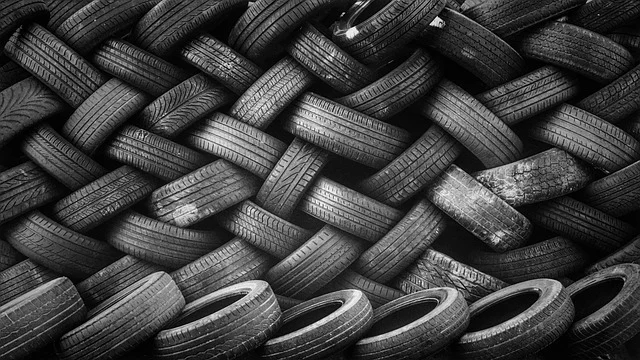
Tyre casing refers to the fabric layers (often nylon, cotton, or silk) that form the structure of the tyre. The Thread Per Inch (TPI) count indicates the density of these threads. A higher TPI count (e.g., 120 TPI or more) generally means a more supple, flexible casing. It deforms easily over road imperfections, contributing to lower rolling resistance and a smoother ride. A lower TPI count (e.g., 60 TPI) usually means a more solid, puncture-resistant casing, but often at the expense of ride quality and speed.
Additionally, whether a tyre is tubeless-ready or requires an inner tube can influence your choice. Tubeless setups allow for even lower pressures without the risk of pinch flats, enhancing the benefits of wider tyres like 32mm, particularly for comfort and grip.
Making the Switch: What to Consider Beyond Tyre Width
If you’re considering a move in 28mm vs 32mm road bike tyres, it’s not just about the tyre itself. There are a few other elements that might need your attention.
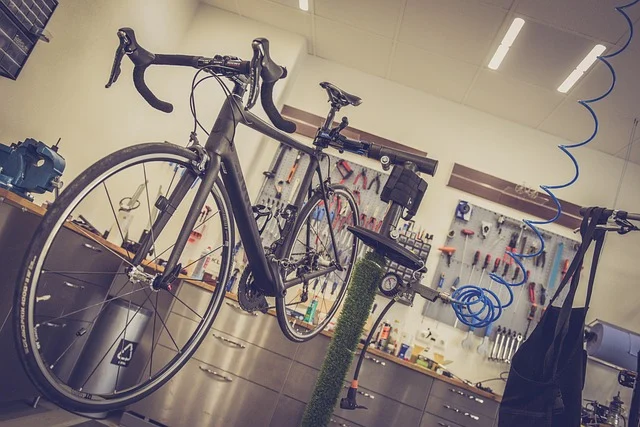
Firstly, your choice of inner tube will need to match the tyre width. Tubes are sized in ranges (e.g., 700×25-32mm), so ensure you pick one that covers your chosen tyre width. If you’re going tubeless, you’ll need tubeless-compatible rims, appropriate tubeless valves, and sealant.
Secondly, if you have mudguards fitted, particularly on a commuting or winter bike, wider tyres might not clear them. Always check this before fitting, as you may need to adjust or replace your mudguards.
Finally, remember that changing tyre width can subtly alter your bike’s handling. A wider tyre will slightly increase the overall diameter of your wheel and tyre combination (though not as much as you might think due to lower pressure), which can slightly raise your bottom bracket height and change the feel of the steering. Most riders adapt quickly, but it’s something to be aware of.
Sources: Road Bike Tires Test Results
Frequently asked questions
Do 32mm tyres make a road bike slower?
Not necessarily. While 32mm tyres might have a slight aerodynamic penalty compared to 28mm at very high speeds on smooth surfaces, their lower rolling resistance at appropriate pressures and enhanced comfort on real-world roads can often make them as fast, or even faster, over longer distances by reducing rider fatigue.
What are the benefits of 32mm road bike tyres?
32mm road bike tyres offer superior comfort due to increased air volume allowing lower pressures, enhanced grip in various conditions from a larger contact patch, and improved puncture resistance. They are ideal for rough roads, long endurance rides, and winter cycling.
Can I use 28mm tyres for racing?
Yes, 28mm tyres are a popular choice for road racing, especially on modern bikes with wider rims. They offer an excellent balance of speed, aerodynamics, and comfort, making them versatile for many race courses and conditions.
Should I choose 28mm or 32mm for commuting?
For commuting, 32mm tyres are generally favoured, especially if a route involves varied road quality, potholes, or adverse weather. The increased comfort, grip, and durability of 32mm tyres make for a more pleasant and solid commuting experience.