
 By Hashim Hashmi
What Exactly is Bikepacking in the UK?
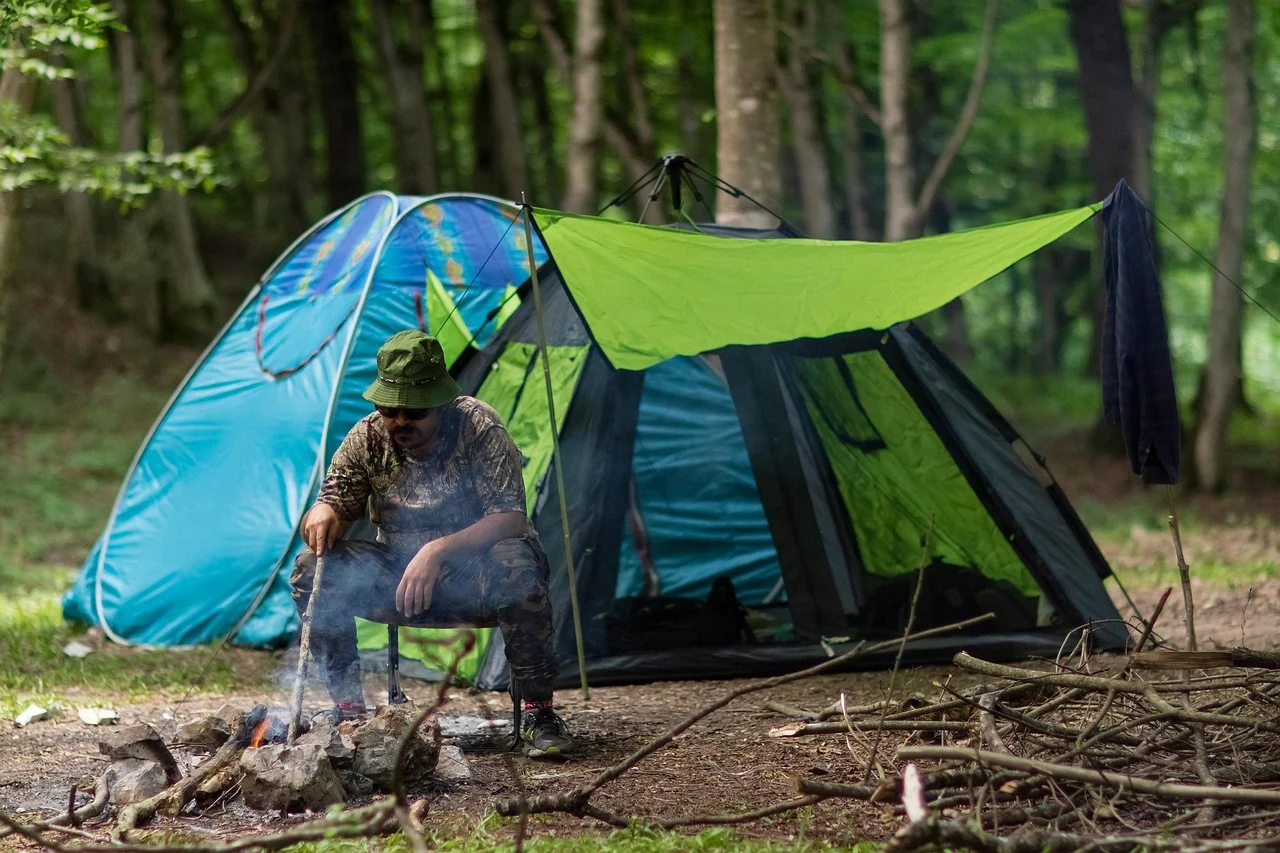
Bikepacking is a self-supported, multi-day cycling adventure. You carry a lightweight, minimalist setup of gear directly on your bike, focusing on exploration and freedom over traditional cycle touring. It typically involves less kit than cycle touring and prioritizes off-pavement or mixed-terrain riding. This enables access to more remote areas while maintaining better bike handling.
Many people confuse bikepacking with bicycle touring. However, the distinction often lies in the approach. While both involve multi-day trips, bikepacking usually means lighter gear. You often pack it in frame bags, saddlebags, and handlebar rolls, rather than traditional panniers. This setup is better suited for technical trails and mixed terrain. Stability and agility are paramount there. Bikepacking merges the adventure of backpacking with the efficiency of cycling. You often do this on UK bikepacking routes that would be challenging for a touring bike with heavy panniers. A common misconception is that you need expensive, ultralight gear or a specific bike to start. However, you can begin with a well-maintained mountain bike or gravel bike. You can also adapt existing camping equipment.
Key Considerations for UK Bikepacking Adventures
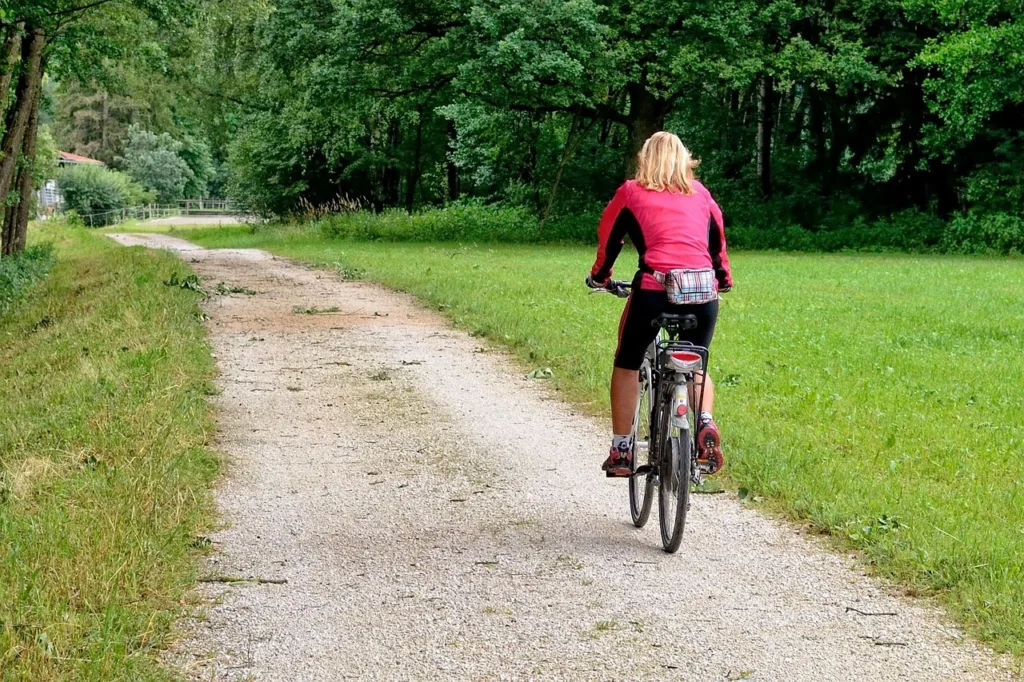
When planning a bikepacking trip in the UK, it is important to understand the legal framework for accessing trails and wild camping, as these regulations vary significantly between England, Wales, and Scotland. Additionally, the unpredictable British weather and diverse terrain demand careful planning for equipment and route selection.
Understanding Legal Access to Trails
Access rights for cyclists in the UK are not uniform. This is a critical point to always highlight. In England and Wales, you cannot legally ride on footpaths. This means 78% of public rights of way are off-limits to cyclists. Cyclists can legally ride on roads, bridleways, restricted byways, open byways, and cycle tracks. Regulations categorize a compliant e-bike as a bicycle. Individuals over 14 can use it on these same routes. Always check local maps for permissible bikepacking routes in the UK. Straying onto footpaths can lead to fines and conflict with other users.
Scotland operates under a more permissive system thanks to the Land Reform Act 2003. This act grants rights of access over land and inland water for recreational and educational purposes, including cycling. This access is conditional on users behaving responsibly. They must adhere to the Scottish Outdoor Access Code. This means a much greater freedom to explore off-road trails in Scotland compared to England and Wales. It makes Scotland an incredibly appealing destination for bikepacking.
Navigating Wild Camping Regulations
Wild camping on bikepacking routes in the UK is permitted only in Scotland and on Dartmoor in England. This presents a significant restriction you should be aware of. In Scotland, you can generally wild camp responsibly. Just leave no trace and respect the environment and private land. On Dartmoor, the park designates specific areas for wild camping. You must check the Dartmoor National Park Authority’s guidelines before pitching your tent. Outside of these areas, wild camping in England and Wales is illegal without the landowner’s explicit permission. If you’re bikepacking elsewhere, we strongly advise planning to stay at official campsites or B&Bs. You can also wild camp only where you have sought and received permission from the landowner beforehand. This avoids potential legal issues and ensures a positive relationship with local communities.

What are the Best Bikepacking Routes in the UK?
The UK offers a diverse range of bikepacking routes suitable for all levels, from gentle introductory rides to challenging multi-day epics, encompassing everything from coastal paths to mountain passes and dense forest trails. The ‘best’ route often depends heavily on experience, desired terrain, and the time available.
Beginner-Friendly Bikepacking Routes UK
For those new to bikepacking, we recommend starting with shorter, less technical routes that allow you to test your gear and fitness without overwhelming commitment. These often feature a mix of quiet roads, gravel tracks, and well-maintained bridleways.
- The Royal Chilterns Way: Announced by Cycling UK in August 2025, this new 280km route is an excellent option. It offers a mix of rolling hills, ancient woodlands, and charming villages, making it accessible for those looking for a scenic and manageable first adventure. It’s close enough to London for many to access easily.
- London Escape to Surrey Hills: This route, mentioned on Bikepacking.com, provides a great escape from the city. It features rolling hills and a good network of bridleways and quiet lanes, ideal for an overnighter or a two-day trip to get a taste of off-road riding without venturing too far.
- Exmoor Explorer Overnighter: Another Bikepacking.com highlight, this route offers stunning coastal views and a good mix of terrain. It’s challenging enough to feel like an adventure. Also, you can complete it as an overnighter, which is perfect for trying out your kit.
Gravel and Off-Road Bikepacking Routes UK
If you’re looking for more challenging terrain and extended off-road sections, the UK has numerous routes that cater to gravel and mountain bikes.
- The Wolf Way: Located in Suffolk, this route, also featured on Bikepacking.com, offers a substantial off-road experience through diverse landscapes, including quiet lanes, forest tracks, and open farmland. It provides a true sense of adventure over several days.
- Coals to Newcastle Trail: This route takes you through historical landscapes with a significant portion on old railway lines and canal paths, offering a relatively flat but long-distance off-road experience. It’s a great example of a route that blends history with adventure.
- Lakes Loop Overnighter: For those seeking dramatic scenery and more challenging climbs, the Lake District offers incredible off-road opportunities. This overnighter, mentioned by Bikepacking.com, gives a taste of the rugged beauty and technical riding the region is known for.
Cycling UK’s ‘Adventure Series,’ unveiled in August 2025, includes several other routes beyond the Royal Chilterns Way, providing a growing collection of curated rides designed for various skill levels and terrains. Their resources are invaluable for discovering new routes.
Planning Your UK Bikepacking Adventure
Effective planning is the cornerstone of a successful and enjoyable bikepacking trip in the UK. This includes meticulous route planning, smart packing choices, and selecting the right bike for the terrain you intend to tackle. We always emphasize the importance of having backup plans, especially for navigation.
Choosing the Best Bike for Bikepacking in the UK
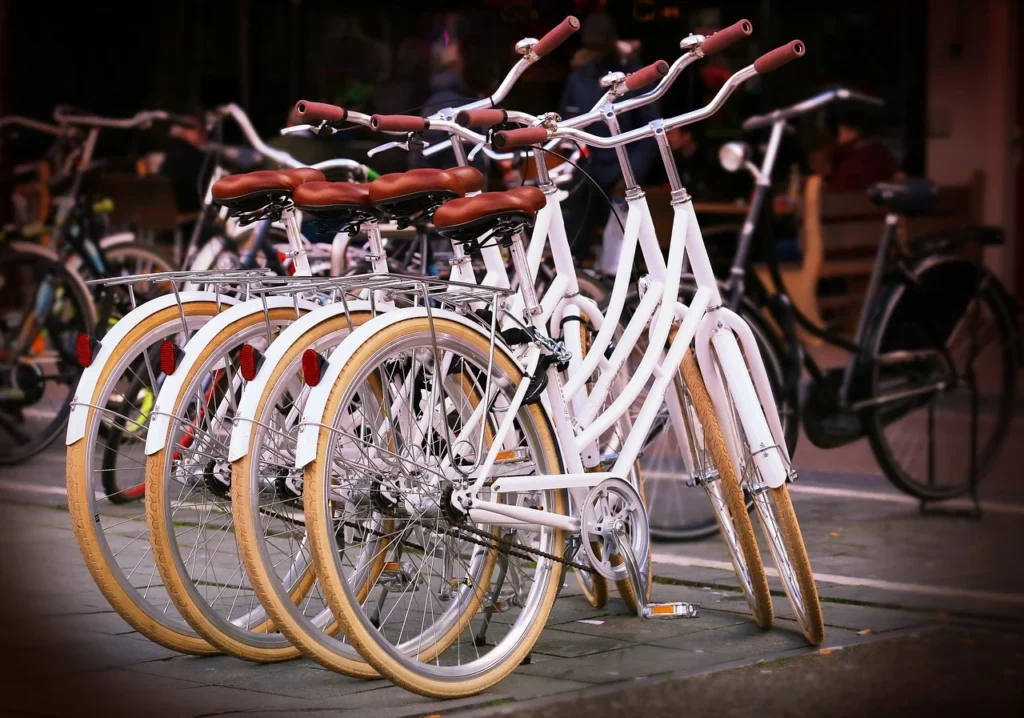
The best bike for bikepacking in the UK really depends on the type of route chosen. For predominantly off-road and mixed-terrain routes, a gravel bike or a hardtail mountain bike is generally the recommendation. Gravel bikes offer a good balance of speed on tarmac and capability on rougher tracks, while mountain bikes provide greater comfort and control on technical singletrack.
| Bike Type | Ideal Terrain | Key Advantages | Considerations |
|---|---|---|---|
| Gravel Bike | Mixed terrain, forest roads, bridleways, quiet lanes | Versatile, efficient on varied surfaces, good mounting points | Less comfortable on very technical singletrack |
| Hardtail Mountain Bike | Technical trails, rough bridleways, steep descents | Excellent off-road capability, solid, comfortable | Slower on tarmac sections, heavier than gravel bikes |
| Touring Bike | Roads, smooth cycle paths | Comfortable for long distances, good for carrying heavy loads (panniers) | Less suitable for off-road, poor handling on technical terrain |
For routes that stick mostly to roads and well-maintained cycle paths, a traditional touring bike can still be a good choice. This is especially true if you prefer the stability of panniers. However, for true bikepacking, where off-road exploration is key, the agility of a gravel or mountain bike makes all the difference.
Navigation and Common Mistakes
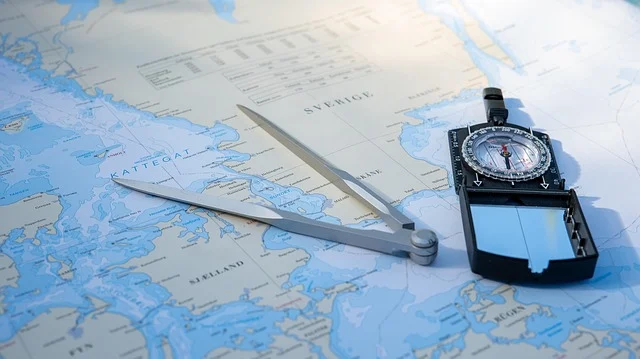
Relying too heavily on electronic devices for navigation is a common mistake observed in beginners. While GPS devices and smartphone apps are incredibly useful, always have a backup plan. This means carrying a paper map (Ordnance Survey maps are essential for the UK) and a compass, and knowing how to use them. Downloading offline maps to one’s device is also important, as mobile signal can be unreliable in remote areas.
Another frequent error is overpacking, which adds unnecessary weight and makes riding more challenging. We always advise a minimalist approach: lay out everything you think you need, then halve it. Prioritize multi-use items and focus on essentials for sleeping, shelter, food, and bike repair. Each kilogram saved makes a noticeable difference on the trail, especially when tackling bikepacking routes in the UK.
Essential Gear for UK Bikepacking
Successful bikepacking in the UK hinges on having the right gear, chosen for its functionality, weight, and ability to withstand the varied British climate. My philosophy is to invest in quality rather than quantity, focusing on core items that are reliable and versatile.
Bags and Packing Strategy
The beauty of bikepacking lies in its integrated luggage system. Instead of traditional panniers, most bikepackers use a combination of:
- Saddlebag: A large, waterproof bag that attaches under your saddle, ideal for bulky, compressible items like your sleeping bag and spare clothes.
- Frame Bag: Fits within the main triangle of your bike frame, perfect for dense, heavy items like water, tools, and food, keeping the weight low and central.
- Handlebar Roll/Bag: Attached to your handlebars, this is great for lighter, frequently accessed items like a sleeping mat, tent, or extra layers.
- Top Tube Bag: A small bag on your top tube, ideal for snacks, phone, and other essentials you need on the go.
When packing, distribute weight evenly to maintain bike balance. Keep frequently needed items accessible and heavier items low in the frame bag. Waterproofing is non-negotiable for UK conditions; ensure all your bags are either fully waterproof or use dry bags inside them.
Sleeping and Shelter
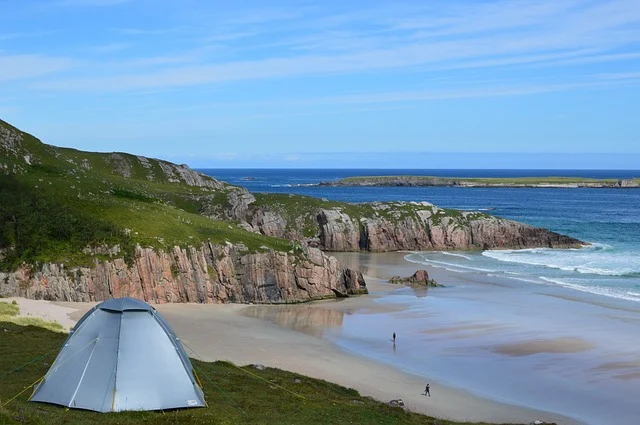
Your choice of sleeping system will depend on whether you plan to wild camp (where legal) or use established campsites. You need a lightweight, compact tent or a bivvy bag for bikepacking routes in the UK. People often prefer a bivvy bag for its minimalist footprint and quick setup. This is especially true in Scotland where wild camping is permitted. Pair this with a compact sleeping bag appropriate for the expected night-time temperatures. Also, bring a comfortable, insulated sleeping mat.
Given the UK’s weather, a reliable shelter is paramount. Look for tents or bivvies that are quick to pitch, offer good ventilation to prevent condensation, and are solid enough to handle wind and rain. Pay attention to packed size and weight, as these will directly impact your ride.
Safety and Etiquette on UK Trails
Prioritising safety and practicing responsible trail etiquette are fundamental to enjoying bikepacking in the UK. They also ensure the sustainability of these routes for everyone. You must be prepared and respectful of both the environment and other users.
Responsible Access and Leave No Trace
When cycling in the UK, especially on shared-use paths, always adhere to the ‘Leave No Trace’ principles. This means packing out everything you pack in, including all litter. Minimize your impact on the environment by sticking to established trails. Avoid shortcuts that can cause erosion. When wild camping (only where permitted), choose a discreet spot away from paths and water sources. Leave no trace of your presence. This includes not lighting fires unless in designated areas. Ensure you properly bury your toilet waste away from water sources.
Be considerate of other trail users on bikepacking routes in UK, including walkers, horse riders, and other cyclists. Slow down and give a friendly warning when approaching from behind, especially around blind corners. Horses can be easily spooked. Approach slowly, make your presence known, and be prepared to stop and dismount if necessary. We always advocate a polite and patient approach; we all share these wonderful spaces.
Emergency Preparedness
Even on well-planned bikepacking routes in the UK, emergencies can happen. Always carry a basic first-aid kit appropriate for cuts, blisters, and minor injuries. Ensure your phone is fully charged. You should also consider carrying a power bank for recharging. In remote areas, a personal locator beacon (PLB) or satellite messenger can be a lifesaver. This is especially true if you’re riding solo. Inform someone of your route and expected return time. You also need to know basic bike repair, like fixing a puncture or a broken chain. You should carry the necessary tools and spare parts.
It is always better to be over-prepared than under-prepared. This is especially true when you venture into remote parts of the UK. Help might be hours away there. Understanding your limits and being willing to turn back if conditions worsen or you encounter an unexpected challenge is a sign of good judgment, not failure.
Frequently asked questions
Are there any Coast to Coast cycle rides available in the UK?
Yes, several well-established Coast to Coast cycle routes exist in the UK, offering iconic multi-day challenges. The most famous is the C2C (Sea to Sea) route, which typically runs from Cumbria to Tyneside/Wearside, predominantly on roads and dedicated cycle paths, making it more akin to cycle touring but adaptable for bikepacking.
What are some good cycle touring routes in the UK?
For cycle touring, routes like the Great North Trail, National Cycle Route 1 (which runs from Dover to Shetland), and the Scottish North Coast 500 are excellent choices. These routes are generally longer, often utilize more road sections or well-maintained paths, and are suitable for bikes with panniers, focusing on distance and scenic travel rather than technical off-road riding.
What are the best resources for finding UK bikepacking routes?
Bikepacking.com is an excellent resource, especially after its global routes map overhaul in September 2026. It offers detailed guides and GPS maps. Cycling UK also provides a growing collection of routes through their ‘Adventure Series,’ and sites like Komoot offer curated collections of off-road routes across the UK.