
 By Hashim Hashmi
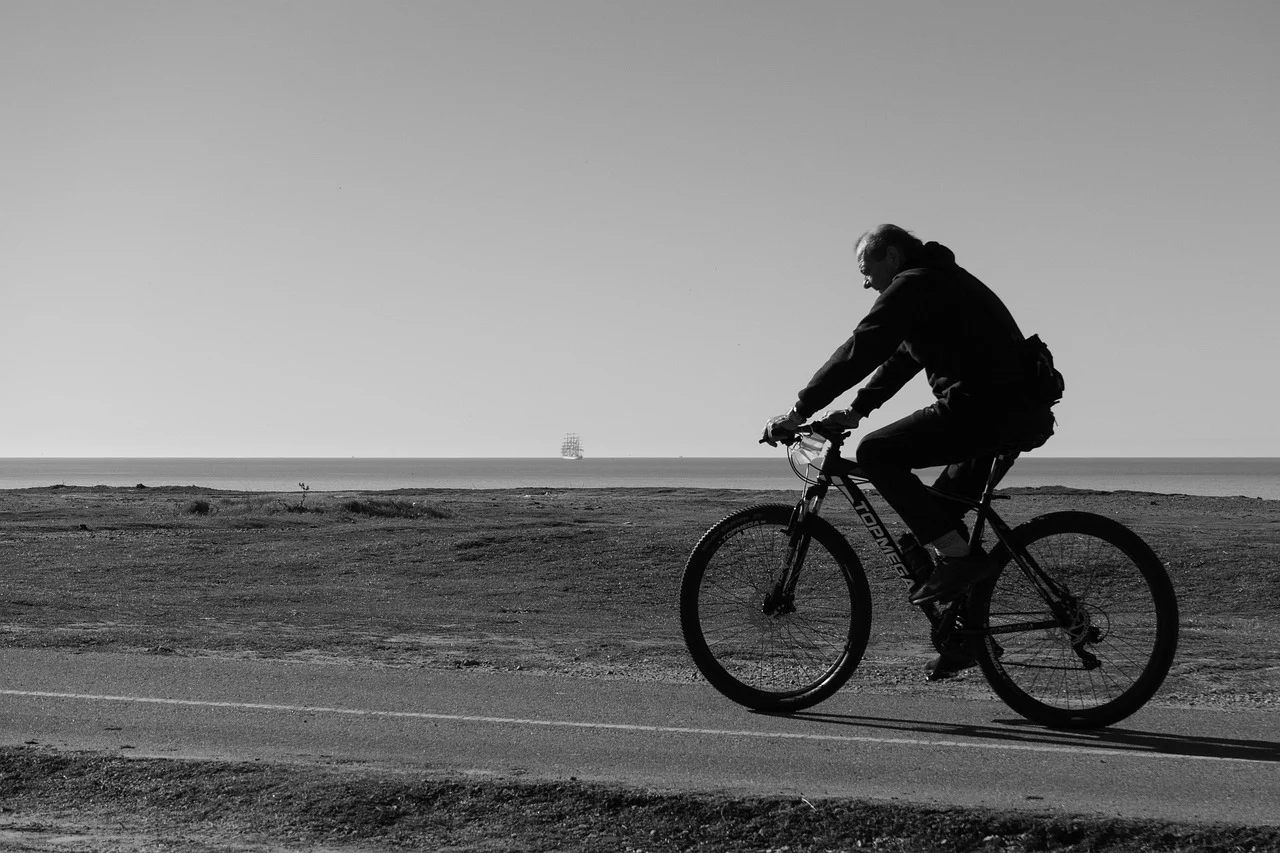
UK National Cycle Route 1 (NCR 1) is a significant route within the National Cycle Network. It stretches 1,264 miles (2,034 kilometres) from Dover in the south of England to Tain in the Scottish Highlands. This extensive route generally follows the east coast of the UK. It offers cyclists a journey through diverse landscapes, historic towns, and major cities like London and Edinburgh.
What is UK National Cycle Route 1?
National Cycle Route 1 is a long-distance cycling path. It forms a spine along the eastern side of Great Britain, connecting Dover with the Scottish Highlands at Tain. [walkwheelcycletrust.org.uk] At 1,264 miles, it is one of the longest signed routes in the UK. We designed it to showcase the country’s varied scenery and heritage for cyclists.

The route is an integral part of the larger North Sea Coastal Route (EuroVelo 12). People recognize this as the world’s longest signed cycleway, extending across multiple European countries. While NCR 1 primarily hugs the coastline, it does include significant inland diversions. For example, it passes through Norwich and Lincoln. This means it isn’t strictly a continuous coastal path. Cyclists should be aware that, as of summer 2020, Sustrans de-designated all sections of National Cycle Route 1 north of Tain. [en.wikipedia.org] They did this due to safety concerns. This means the officially recognised northern terminus is now Tain.
What to Expect on National Cycle Route 1: Surfaces and Terrain
Cycling NCR 1 involves navigating a wide variety of surfaces and terrains. This is a key consideration for planning your ride and choosing your bike. The route is far from uniform. You will encounter everything from dedicated traffic-free tarmac paths to sections on public roads and compacted gravel trails.
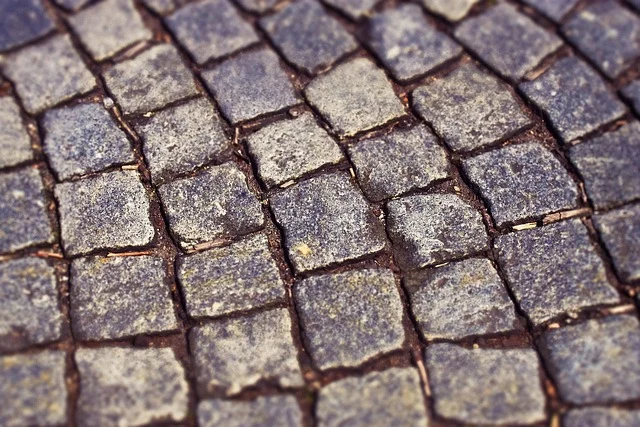
Many European cyclists arriving in the UK by ferry often expect extensive dedicated cycle paths. However, much of the UK National Cycle Route 1, particularly outside urban areas, utilizes on-road sections. These can range from quiet country lanes to busier A-roads, though the route generally aims for quieter options. The traffic-free sections are often well-maintained tarmac; they are ideal for smooth riding. However, some compacted surfaces, especially outside urban centers, can be rough with loose gravel or mud, particularly after wet weather. This varied surface profile means that a road bike with skinny tyres (under 28mm) is generally not ideal for the full length of the route. We recommend a touring bike, a gravel bike, or any bicycle equipped with tyres wider than 28mm to handle the diverse conditions comfortably and reliably.
Planning Your Journey: Navigation and Current Diversions
Effective navigation is important for a smooth journey on the UK National Cycle Route 1. The route is extensive and includes occasional diversions or closures. We generally signpost the route well throughout its length, providing clear directions. However, remember there is a short missing section after Whitby where signage may be absent. This requires careful attention to your map or GPS device.
We always advise carrying a reliable GPS device with the route loaded. You can also carry detailed paper maps, as a backup. This is particularly vital. Sections of the route can be subject to temporary closures for maintenance or upgrades. For example, a section of the UK National Cycle Route 1 known as the Water Rail Way, between Lincoln and Washingborough, is temporarily closed from 22 June to 31 October 2026 for path widening, resurfacing, and accessibility enhancements. [walkwheelcycletrust.org.uk] A fully traffic-free diversion is not available for this specific closure. Instead, cyclists are directed to use shared-use routes accessible via Washingborough village or Cherry Willingham and Greetwell Road. These routes might involve sections with traffic. Always check the latest updates on the Sustrans website or local council pages before you set off. This is especially important if you’re tackling a specific section, to avoid unexpected detours.
Choosing Your Gear: Bikes and Equipment for NCR 1
Selecting the right bike and equipment is paramount for an enjoyable and safe experience on National Cycle Route 1. You should consider its length and varied conditions. As has been noted, the mix of on-road sections and potentially rougher compacted surfaces means your choice of bicycle significantly impacts comfort and performance.
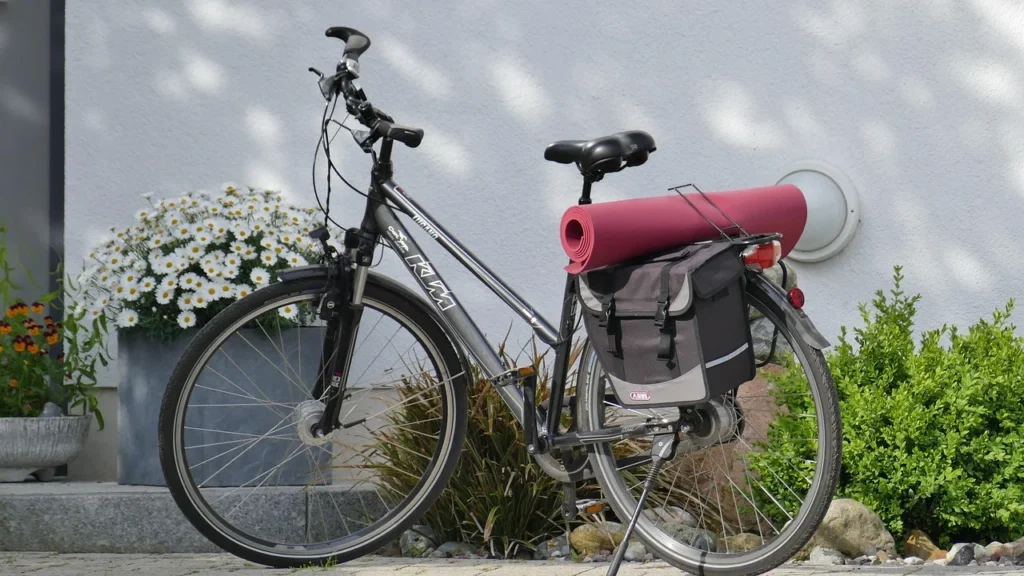
For the bike itself, we recommend a touring bike, a gravel bike, or a sturdy hybrid. These bikes are designed to handle diverse terrains and carry luggage comfortably. Look for models with solid frames, reliable braking systems (disc brakes are a strong preference for touring), and a good range of gears to tackle both flat stretches and any climbs you encounter. Importantly, ensure your tyres are wider than 28mm – we suggest something in the 32mm to 40mm range with a moderate tread pattern. This provides better grip on loose surfaces. It also increases comfort over rough patches and reduces the risk of punctures compared to narrow road tyres.
In terms of equipment, panniers or a bikepacking setup are essential for carrying clothing, food, and repair kits over multiple days. Given the UK’s unpredictable weather, waterproof clothing is a non-negotiable. We would also pack a comprehensive puncture repair kit, a multi-tool, spare inner tubes, and a small pump. A good quality front and rear light set is important for visibility, especially if cycling in low light conditions or through tunnels. Finally, a comfortable saddle and padded cycling shorts will make a significant difference to comfort over long distances.
What are the Most Beautiful Cycle Routes in the UK?
While National Cycle Route 1 offers its own unique charm along the east coast, the UK boasts a wealth of beautiful cycle routes. These routes cater to different preferences and levels of difficulty. The definition of ‘most beautiful’ is highly subjective. It often depends on whether you prefer coastal views, mountainous terrain, or serene countryside.
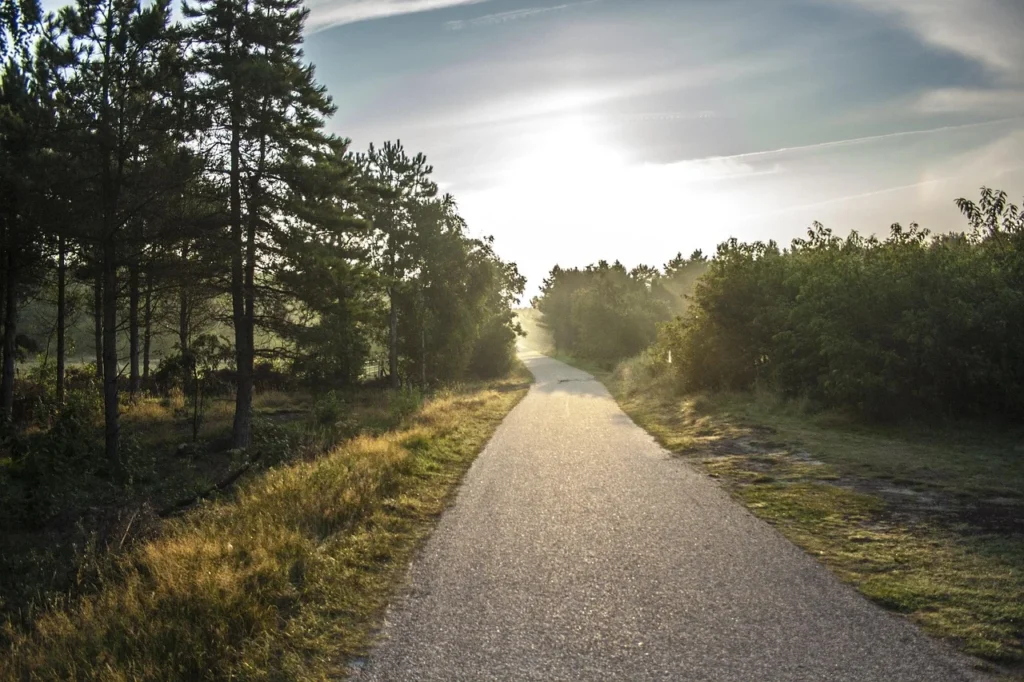
Beyond NCR 1, other popular and highly regarded routes include parts of the EuroVelo 1 Atlantic Coast Route in the UK. This route goes particularly through areas like the Pembrokeshire Coastline or the Devon Coast to Coast. For those seeking dramatic landscapes, routes through Scotland’s Cairngorms National Park or Loch Lomond National Park on National Cycle Route 7 offer breathtaking mountain and loch views. If you are looking for a challenging but rewarding experience, the iconic Land’s End to John O’Groats route is an option. While it is not a single designated NCR, it incorporates many stunning sections of the National Cycle Network. Ultimately, the ‘most beautiful’ route is the one that aligns best with your personal cycling aspirations and aesthetic preferences. This includes the historical journey of NCR 1 or the rugged beauty of a mountain trail.
Sources: National Cycle Route 1
Frequently asked questions
How long is National Cycle Route 1?
National Cycle Route 1 is 1,264 miles (2,034 kilometres) long, running from Dover in England to Tain in the Scottish Highlands. This makes it one of the longest signed routes within the UK’s National Cycle Network.
Is the cycle route from London to Brighton difficult?
The cycle route from London to Brighton is generally considered moderately challenging, particularly due to Ditchling Beacon, a steep climb near Brighton. While not part of NCR 1, it’s a popular charity ride that many cyclists can complete with reasonable fitness and preparation.
What is the longest car-free cycle route in the UK?
While precise figures for the ‘longest car-free’ route are difficult to ascertain due to variations in route design and temporary diversions, NCR 1 itself incorporates many traffic-free sections. However, it is not entirely car-free, as much of its length uses on-road sections, especially outside urban areas.
Sources
- www.walkwheelcycletrust.org.uk · route-1Route 1 – Walk Wheel Cycle Trust
- National Cycle Route 1 – Wikipedia
- Water Rail Way