
 By Hashim Hashmi
This article covers what to expect from sub-£1000 gravel bikes, how to evaluate key components like brakes and drivetrains, frame geometry considerations, and where to buy your bike online, at a local shop, or second-hand.
Best Gravel Bike Under £1000 in the UK
Finding the best gravel bike under £1000 in the UK is certainly achievable, but it requires a careful focus on essential components and realistic expectations. You’ll be looking for a bike that offers a solid foundation with a durable frame, a reliable entry-level groupset, and mechanical disc brakes, prioritizing function and longevity over lightweight or advanced features.
At this price point, the key is to understand where compromises are typically made and how to evaluate bikes to ensure you get the most capability for your money. It is important to recognize that while you won’t get a top-tier carbon fibre machine, you can still find a highly capable and enjoyable gravel bike.
What to Expect from a Gravel Bike Under £1000
When you’re shopping for an entry-level gravel bike in the UK for under £1000, you’ll primarily find models built around aluminium frames. These frames are known for their durability and stiffness, offering a responsive ride quality suitable for both road and light off-road use. While they might be heavier than their carbon counterparts, they are solid enough to handle the demands of gravel riding and commuting.
Fork materials can vary; some models will feature an aluminium fork to match the frame, while others might offer a carbon fibre fork. A carbon fork can help dampen vibrations from rough surfaces, improving comfort on longer rides, but it’s not a deal-breaker if the bike you’re considering has an aluminium one. The focus should be on overall build quality and component choices.
Prioritizing Components: Where Your Money Goes
The biggest influence on a bike’s performance and longevity, especially at this price point, comes from its components. We always advise looking closely at the drivetrain and brakes.
Drivetrain: Shimano Claris, Sora, or Microshift
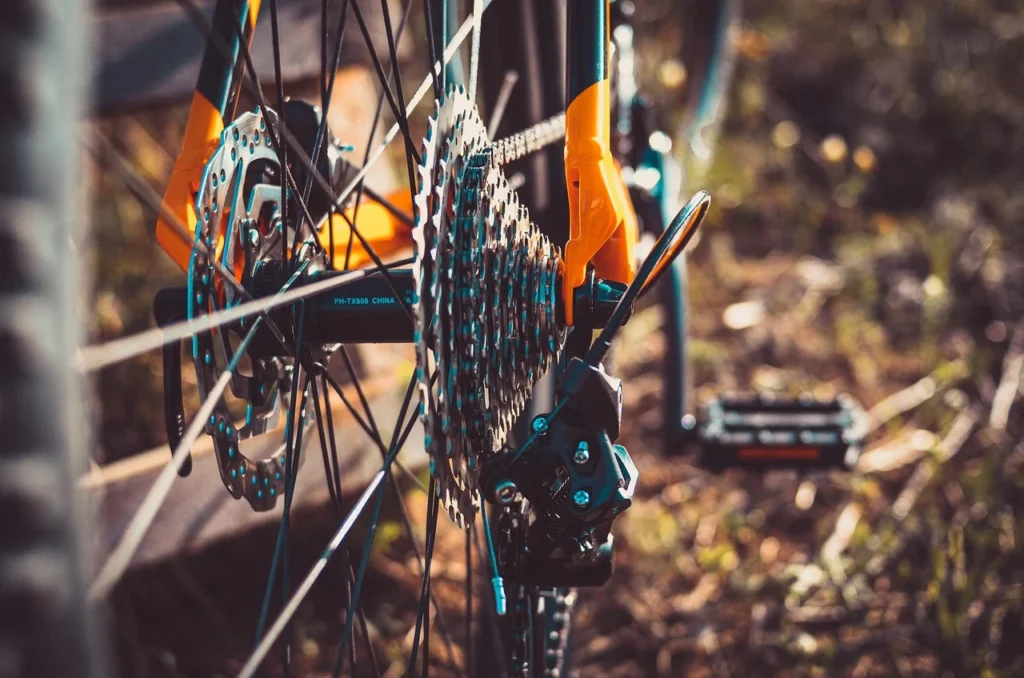
For under £1000, you’ll likely encounter drivetrains from Shimano’s entry-level road groupsets, such as Claris (8-speed) or Sora (9-speed). Microshift is another common and perfectly capable option. These groupsets offer reliable shifting performance, though perhaps not as crisp or quick as more expensive options.
- Shimano Claris: This 8-speed system is a workhorse, offering dependable performance for general riding and light gravel. It’s solid and relatively easy to maintain. You’ll often find it paired with a double chainring (50/34t or similar) and a wide-range cassette (11-32t or 11-34t), providing a good spread of gears for varied terrain.
- Shimano Sora: A step up from Claris, Sora is a 9-speed groupset that provides slightly smoother shifting and often a wider gear range, thanks to the extra cog. It’s a solid choice that offers a noticeable improvement in feel and performance.
- Microshift: Brands like Microshift have made significant strides in recent years, offering excellent value for money. Their Advent X (10-speed) or Sword (10/11-speed) groupsets, if you can find them in this price range, provide impressive performance. They often feature a 1x (single chainring) setup that simplifies shifting and reduces complexity. A 1x setup is particularly good for gravel. It offers fewer moving parts to go wrong and often sufficient gear range for most off-road adventures.
The number of gears isn’t the sole indicator of performance; the overall quality and reliability of the shifting mechanism are more critical. Ensure the bike offers a gear range suitable for the hills and terrain you plan to tackle.
Brakes: Mechanical Disc Brakes are Standard
Hydraulic disc brakes are generally reserved for bikes above the £1000 mark. At this price point, you’ll almost exclusively find mechanical disc brakes. These brakes use a cable to actuate the caliper, similar to traditional rim brakes, but they offer superior stopping power and modulation in all weather conditions compared to rim brakes, especially when wet or muddy.
While mechanical disc brakes require a bit more lever effort than hydraulic systems, they are generally easier and cheaper to maintain. We would look for models that use dual-piston calipers rather than single-piston ones, as they offer more even pad wear and better stopping power, but even a good quality single-piston setup will be a significant upgrade over rim brakes for gravel riding.
Wheels and Tyres: The Foundation of Your Ride
The wheels and tyres are your primary contact points with the ground and significantly influence how a gravel bike performs and feels. At this budget, you’ll typically find solid, entry-level alloy wheelsets.
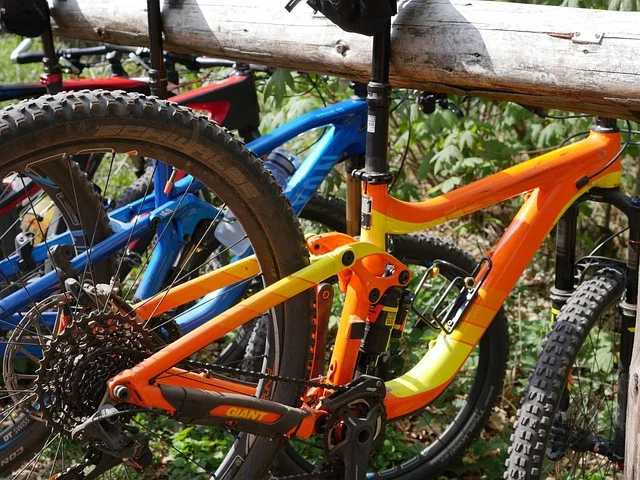
Durable Wheelsets
Expect wheels with a decent number of spokes (28 or 32) for strength and durability. These wheels might not be the lightest, but they’ll be built to withstand the bumps and impacts of gravel roads and light trails. Tubeless-ready wheels would not be expected as standard, but it’s worth checking, as converting to tubeless can significantly reduce punctures and improve ride comfort.
Tyres for Versatility
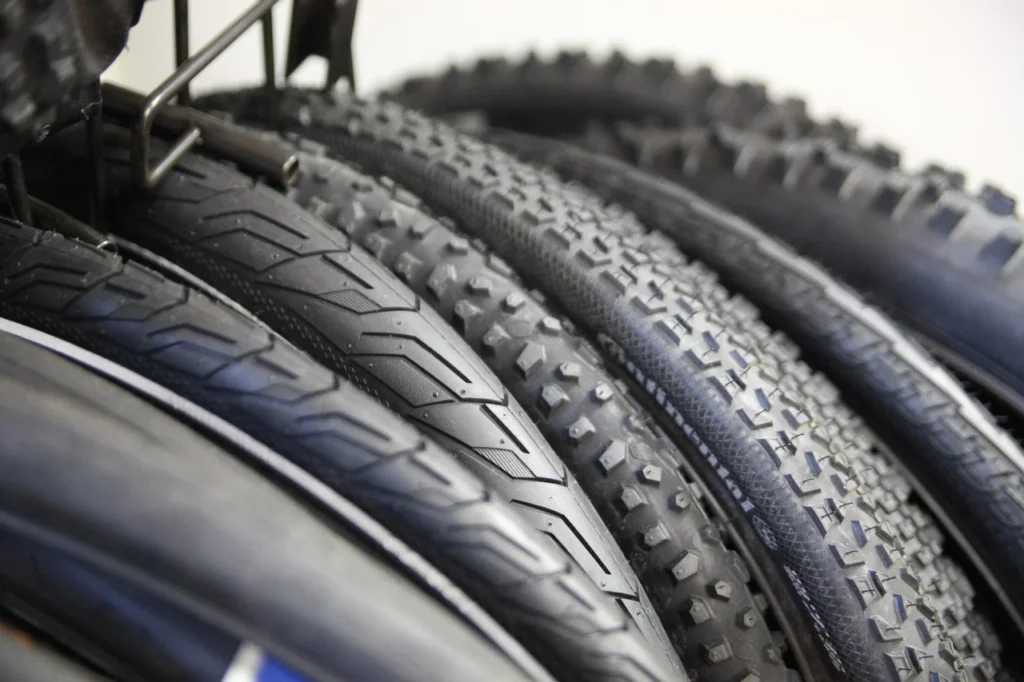
Tyres are important for gravel. You’ll likely find tyres in the 35mm to 42mm width range. Wider tyres (40mm+) offer more comfort and grip on rougher terrain, while narrower options (35-38mm) can feel a bit quicker on tarmac. Look for tyres with a versatile tread pattern – a smootcenterre for rolling efficiency on roads and some knobby shoulders for grip when leaning into turns off-road.
Consider the tyre clearance of the frame. Even if the bike comes with 38mm tyres, if it can comfortably fit 45mm tyres, that gives you the option to upgrade to wider, more aggressive rubber later if your riding preferences change. This flexibility is a valuable feature for any gravel bike.
Frame Geometry and Fit for UK Riding
Gravel bike geometry tends to be a blend of road and mountain bike characteristics, aiming for stability and comfort over long distances and varied terrain. For a bike under £1000, you’ll generally find a more relaxed geometry that encourages an upright riding position, which is found beneficial for both comfort and visibility during commuting or leisurely rides.
Relaxed Angles for Stability
Look for a bike with a slacker head tube angle and a longer wheelbase compared to a traditional road bike. This combination provides greater stability, especially when descending or riding on loose surfaces. A longer wheelbase also helps to smooth out rough roads, making the ride more comfortable.
Mounting Points for Versatility
A good entry-level gravel bike should offer plenty of mounting points. These include:
- Mudguard mounts: Essential for keeping you and your bike clean during wet UK rides.
- Rack mounts: Ideal if you plan to use the bike for commuting, touring, or carrying groceries.
- Bottle cage mounts: Standard on most bikes, but consider if there are extra mounts for longer adventures.
These features extend the bike’s utility beyond just recreational gravel riding, making it a versatile option for daily use. If you’re looking for one bike that can handle commuting, fitness, and light trails, as highlighted by Bicycling’s editors in October 2026 when discussing hybrids, a well-equipped gravel bike can certainly fit that bill.
Where to Buy Your Gravel Bike Under £1000 in the UK
When searching for your ideal gravel bike, you have a few main avenues, each with its own advantages. It is important to explore all options to find the best value.
Online Retailers and Direct-to-Consumer Brands
Many direct-to-consumer brands and large online retailers offer excellent value, as they cut out the middleman. You might find better specifications for your money this way. However, you’ll need to be comfortable with some basic assembly upon delivery (usually fitting the handlebars, front wheel, and pedals) and potentially doing your own initial adjustments. Ensure the retailer has a good returns policy and customer service, especially for sizing advice.
Local Bike Shops (LBS)
Your local bike shop might have a smaller selection in the sub-£1000 category, but they offer invaluable expertise. You can test ride bikes, get professional fitting advice, and benefit from after-sales support and servicing. Sometimes, an LBS might have last year’s models on sale that fall within your budget with better components than current year models at the same price point. We often recommend supporting your LBS if you can, as their knowledge and service can save you hassle in the long run.
Second-Hand Market
The second-hand market (through sites like eBay, Gumtree, or local cycling forums) can be a treasure trove for finding a higher-spec bike that originally cost more than £1000, now within your budget. However, this route requires more caution. Always inspect the bike thoroughly for damage, wear, and tear, especially the frame, wheels, and drivetrain. If you’re unsure, take a knowledgeable friend or even pay a local bike shop for a pre-purchase inspection. Be wary of deals that seem too good to be true.
What About Entry-Level Gravel Bikes for £1000?
When you hit the £1000 mark exactly, you might start to see some subtle upgrades. You might find a carbon fork as standard, or perhaps a slightly better groupset like Shimano Tiagra (10-speed) or a higher-tier Microshift option. Some bikes might even come with tubeless-ready wheels, giving you an immediate performance upgrade option. The difference between a £900 bike and a £1000 bike can sometimes be significant in terms of component quality and ride feel, so it’s worth stretching your budget if you can.
However, the core principles remain: focus on the frame, drivetrain, and brakes. A well-chosen bike at £950 with solid, reliable components will serve you better than a £1000 bike that has skimped on essentials to include one flashy, but ultimately less critical, upgrade.
Who is a Sub-£1000 Gravel Bike For?
A gravel bike under £1000 is ideal for several types of riders:
- The Newcomer: If you’re new to cycling or gravel riding, this price point offers an excellent entry without a huge financial commitment. It allows you to explore the discipline and see if it suits you before investing in a more expensive machine.
- The Commuter: With their solid build, comfortable geometry, and ability to mount mudguards and racks, these bikes make fantastic, reliable commuters, especially if your route involves rough roads, towpaths, or light trails.
- The Versatile Rider: If you want one bike that can handle weekend adventures on gravel, daily commutes, and even some leisurely road rides, a budget gravel bike is a strong contender. Also, it offers a blend of speed, comfort, and capability that many other bike types can’t match.
- The Winter Rider: Many cyclists choose a budget gravel bike as a reliable winter training bike or an alternative to their high-end road bike. Consequently, they keep their more expensive machine safe from harsh weather and road salt.
This advice might not suit someone looking to enter gravel racing at a serious level, as the weight and component limitations of a sub-£1000 bike would be a disadvantage. Similarly, if your primary goal is aggressive mountain biking, a dedicated mountain bike would be a better choice, as gravel bikes are not designed for technical singletrack or large drops.
Final Considerations When Buying
Before making your final decision, consider these practical points:
- Sizing: This is paramount. An ill-fitting bike, no matter how good its components, will be uncomfortable and inefficient. Use manufacturer size charts as a guide, but if possible, test ride the bike or consult with an expert at an LBS.
- Pedals: Most bikes at this price point come without pedals or with very basic ‘platform’ pedals. Factor in the cost of a good set of pedals (platform or clipless, depending on your preference) into your budget.
- Accessories: Remember to budget for essential accessories like a helmet, lights, lock, water bottles, and potentially mudguards or a rack if you plan to commute. These can quickly add up.
- Future Upgrades: A good sub-£1000 gravel bike should have a solid frame that you can upgrade components on over time. Think about whether the frame has features that will allow for future improvements, such as internal cable routing or compatibility with wider tyres.
Ultimately, the best gravel bike under £1000 in the UK is the one that fits you well, meets your riding needs, and inspires you to get out and explore. Focus on the fundamentals, and you’ll find a capable companion for many miles.
Frequently asked questions
Are entry-level gravel bikes under £1000 good enough for long rides?
Yes, many entry-level gravel bikes under £1000 are perfectly capable of long rides. Their relaxed geometry often prioritizes comfort, and with suitable tyres, they can handle extended periods on varied terrain, though they may be heavier than more expensive models.
What’s the main difference between a cheap gravel bike and a cheap hybrid bike?
The main difference lies in their intended use and geometry. Gravel bikes typically feature drop handlebars for multiple hand positions and a more aggressive, yet still stable, geometry for off-road efficiency, whereas hybrid bikes usually have flat handlebars and a more upright position, optimized for urban commuting and light paths.
Can I upgrade components on a sub-£1000 gravel bike later?
Absolutely. A good quality frame from a reputable brand will provide an excellent foundation for future upgrades. You can gradually improve components like the drivetrain, wheels, or brakes as your budget allows and your riding preferences evolve.
Do I need specific gravel bike shoes for an entry-level gravel bike?
While you don’t strictly need gravel-specific shoes, they offer advantages like stiffer soles for pedalling efficiency and better walkability off the bike compared to road shoes. For an entry-level bike, standard mountain bike shoes are a great, versatile option that pair well with clipless pedals like SPD, as highlighted by BikeRadar’s 2026 guide.