
 By Hashim Hashmi
You can use a road bike on light, firm gravel paths if it has sufficient tire clearance, but a dedicated gravel bike is essential for loose, rough, or muddy off-road conditions due to its specialized geometry, wider tires, and lower gearing. Conversely, a gravel bike can effectively double as a road bike with a quick tire swap, offering comfort and versatility with only minor speed trade-offs.
Gravel Bike vs. Road Bike: Key Differences Explained
How frame geometry shapes handling and stability
Frame geometry is the primary design difference dictating how a bicycle handles. A road bike frame is built for quick direction changes and low wind resistance. It features a steep head tube angle (72.5° to 73.5°) and a short fork offset, resulting in responsive steering on paved roads. However, this quick steering can feel twitchy on loose gravel, requiring constant corrections.
By contrast, gravel bike geometry emphasizes stability across unpredictable ground. A gravel frame features a slacker head tube angle (typically 70° to 71.5°) and a longer fork trail, creating a self-centering steering effect. The wheelbase is lengthened by 30mm to 60mm compared to a road frame, primarily through longer chainstays. This extended footprint keeps the bike tracking straight when tires break traction on loose gravel. The bottom bracket height is also calibrated to offer clearance over small obstacles while maintaining a planted center of gravity.

The rider’s position also varies. Road bike geometry places handlebars lower relative to the saddle (lower stack height) and extends horizontal reach for an aerodynamic tuck. Gravel bikes raise the stack height and shorten the reach, positioning the rider in a more upright stance. This elevated position relieves pressure on the lower back and neck during multi-hour off-road rides and provides better sightlines over trails and improved control on technical descents, making for a comfortable gravel bike.
Tire clearance, rim width, and air pressure
Tire selection and frame clearance form the single biggest physical boundary separating road bikes from gravel bikes, directly impacting traction, braking, rolling resistance, and impact absorption. On smooth pavement, narrow, high-pressure tires minimize deformation and drag. Off-road, narrow tires sink, bounce, and risk rim strikes or pinch flats.
Road bikes generally accept maximum tire widths between 28mm and 30mm; endurance road bikes up to 32mm or 35mm. While a 30mm or 32mm road tire adds comfort on rough asphalt, it offers minimal cushioning or tread on unpaved surfaces. When evaluating whether you need a gravel bike or can use a road bike, frame tire clearance is almost always the deciding factor.
Gravel bike frames provide generous spacing for tire widths ranging from 38mm up to 50mm on 700c wheels. Many also accept 650b wheelsets, allowing 2.1-inch mountain bike style tires for severe terrain. According to data compiled by cycling publications as of 2026, the average gravel bike sold is equipped with tires between 38mm and 42mm wide.
Air pressure is vital off-road. Road bike tires operate between 60 PSI and 90 PSI. Gravel setups rely on tubeless technology, allowing pressures to drop to 25 PSI to 40 PSI without pinch-flat risks. Lower pressure allows the tire casing to deform around stones and uneven ground, dramatically increasing grip, reducing rolling resistance over rough surfaces, and protecting the rider from harsh road chatter.
Drivetrains, gearing ratios, and braking systems
Road riding benefits from closely spaced gear ratios for maintaining a steady cadence. Common road drivetrains feature 2x double chainrings (e.g., 52/36t or 50/34t) paired with an 11-28t to 11-34t cassette.
Gravel riding demands a far wider total gear range with much lower bottom gears. Steep off-road ascents on loose dirt or wet gravel require low gear ratios below 1:1 to maintain traction. A popular 1x setup pairs a 40t single chainring with a 10-44t or 10-52t wide-range cassette, eliminating the front derailleur while providing an ultra-low climbing gear. Alternatively, gravel 2x systems use sub-compact chainrings (e.g., 48/31t or 46/30t) with an 11-34t or 11-36t cassette for tighter gear steps on pavement.
Beyond gear ratios, gravel components include features engineered for rough terrain:
- Clutch derailleurs: Gravel rear derailleurs feature friction clutches to prevent chain slap or chain drops over rough ground.
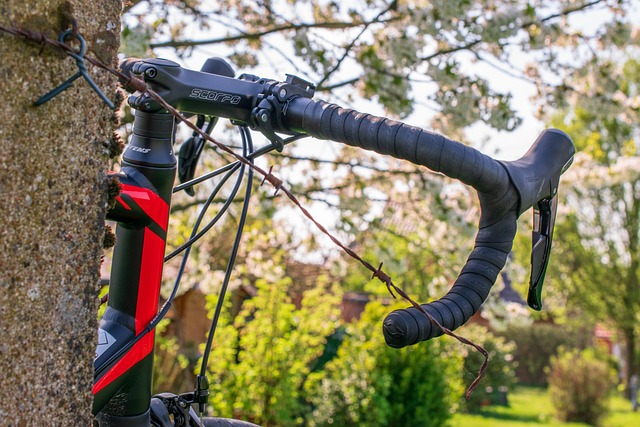
- Flared drop handlebars: Gravel handlebars flare outward at the drops (12° to 24°), creating a wider hand position for increased control and wrist clearance during technical descents.
- Hydraulic disc brakes: Modern gravel bikes use hydraulic disc brakes with 160mm rotors front and rear, delivering consistent stopping power and precise lever modulation through mud, water, and sustained dirt descents.
Can You Use a Road Bike on Gravel Roads?
You can successfully ride a road bike on gravel if the terrain is restricted to dry, smooth hardpack dirt, fine compacted limestone, or well-maintained park trails. On these firm surfaces, a road bike rolls fast and handles predictably. However, taking a pure road bike onto thick, loose gravel, sharp ballast rock, or wet clay leads to immediate physical limitations and potential equipment damage. This answers the search “road bikes and gravel” and “gravel road bike”.
The narrow tires of a road bike slice into loose rock rather than floating on top, making steering unpredictable and squirmy. Thin road tire casings lack sidewall protection, making them susceptible to sharp rock cuts. Also, tight frame clearances collect mud and small stones, which can scratch frame paint, gouge carbon fiber stays, or lock the wheels completely. Attempting to ride significant gravel sections on a road bike typically results in a 10-20% reduction in average speed compared to a gravel bike on the same terrain, purely due to tire choice and handling limitations.
Common Problems Using a Road Bike on Gravel
When trying to navigate unpaved surfaces with a road bike, riders frequently encounter specific issues:
- Lack of traction: Narrow, slick road tires struggle to grip loose surfaces, leading to skidding, loss of control, and increased effort.
- Reduced comfort: Road bikes transmit more vibrations and impacts from rough terrain directly to the rider, causing fatigue and discomfort over longer distances.
- Puncture risk: Thin road tire casings are highly vulnerable to pinch flats and cuts from sharp rocks and debris.
- Poor handling: The steep geometry of a road bike makes steering feel overly sensitive and unstable on uneven, unpredictable surfaces, requiring constant micro-corrections.
- Frame damage: Limited tire clearance can cause mud and stones to rub against the frame, leading to cosmetic damage or even structural wear over time.
- Mechanical issues: Road drivetrains lack the clutch mechanisms of gravel derailleurs, leading to chain slap or chain drops on bumpy terrain.
Steps to prepare a road bike for light gravel riding
If you want to use your current road bike on firm unpaved routes, follow these preparation steps to optimize comfort and avoid mechanical issues:
- Measure frame clearance: Insert hex keys between your existing tires and the frame/fork to check clearance. Ensure you have at least 4mm of open space on all sides to allow for wheel flex and minor debris.
- Fit the widest tire possible: Upgrade to 30mm or 32mm tires. Look for endurance models with file treads, reinforced puncture belts, or tubeless compatibility.
- Switch to tubeless or TPU tubes: Running a tubeless setup allows lower pressures without pinch-flat risks. If running inner tubes, lightweight TPU (thermoplastic polyurethane) tubes offer superior pinch resistance over standard butyl.
- Reduce tire pressure: Drop your tire pressure by 10 to 15 PSI below your normal road setting. This enlarges the contact patch and absorbs surface chatter.
- Apply frame protection: Wrap protective polyurethane film along the underside of the down tube and inside the chainstays to protect paint from gravel strike damage.
Can You Use a Gravel Bike as a Road Bike?
Using a gravel bike as your primary road machine is a practical solution for cyclists who want one bicycle for all surfaces. A gravel bike performs comfortably on paved roads, making it ideal for winter training, long endurance rides, touring, and multi-surface commutes. This addresses “gravel bike as road bike” and “gravel road bike”.
The main trade-offs when riding a gravel bike on asphalt center on speed, efficiency, and component feel. Wide, treaded gravel tires produce higher rolling resistance and road noise compared to slick tires. On 1x drivetrains, large jumps between cassette cogs can make it tricky to find your ideal pedaling rhythm when riding in a fast group paceline. Additionally, the higher stack height and relaxed geometry place you in a slightly upright posture, increasing aerodynamic drag when pushing speeds above 20 mph (32 km/h).
Steps to convert a gravel bike for efficient road riding
You can significantly improve a gravel bike’s road efficiency without buying a second bicycle:
- Install fast road tires: Swap knobby 40mm off-road tires for fast-rolling 30mm or 32mm tubeless road slicks. This single change eliminates off-road tread drag and reclaims up to 80% of lost road efficiency.
- Adjust tire pressure: Pump slick tires to appropriate road pressures (45 to 65 PSI depending on rider weight and tire volume).
- Lower the handlebar height: Move one or two spacers from below the stem to above it to lower your position, reducing frontal surface area and wind resistance.
- Consider a smaller chainring: If your gravel bike uses a 1x drivetrain and you find yourself spinning out on fast descents or struggling to keep up with road groups, a slightly larger chainring (e.g., from 40t to 42t or 44t) can provide higher top-end speed on the road.
- Invest in a second wheelset: Keep one set of wheels mounted with 40mm off-road tires and cassette, and a second set mounted with fast road slicks. This allows you to convert your gravel bike into a road machine in under five minutes. If you are building a dual-purpose setup, see Best Budget Gravel Bikes Under £1500: Your Definitive Guide for advice on choosing compatible disc rotor spacings and cassettes.
Gravel Bike vs Road Bike: Comparison Table
To help you evaluate whether a road bike, endurance bike, or dedicated gravel bike fits your riding environment, review the structural differences detailed below. This table helps answer “gravel bike vs road bike” and “road bike vs gravel bike”.
| Bike Category | Max Tire Clearance | Riding Position | Gearing Setup | Primary Terrain | Major Limitation |
|---|---|---|---|---|---|
| Dedicated Road Bike | 28mm – 30mm | Aggressive & low | 2x (52/36t or 50/34t with 11-30t) | Smooth pavement | Uncomfortable on rough surfaces, high puncture risk on loose rock |
| Endurance Road Bike | 32mm – 35mm | Moderate & balanced | 2x (50/34t with 11-34t) | Asphalt & firm dirt paths | Lacks clearance and tread for mud or deep gravel |
| All-Road Bike | 35mm – 38mm | Slightly relaxed | 2x or 1x wide-range | 70% Road / 30% Light Gravel | Limited grip on steep off-road climbs or loose trails |
| Dedicated Gravel Bike | 38mm – 50mm+ | Upright & stable | 1x (40t with 10-44t/10-52t) or 2x sub-compact | Unpaved roads, dirt, trail, asphalt | Slightly heavier, wider gear steps on fast road group rides |
How to Decide Which Bike Fits Your Riding Style
Selecting between a gravel bike and a road bike depends on where you ride today, the roads in your local area, and your performance goals. Consider these scenarios to make the best choice for your needs.
When a road bike is the right choice
A road bike remains the superior choice if:
- You spend 90% or more of your riding time on smooth paved roads.
- You participate in competitive group rides, road races, fast club runs, or organized gran fondos where average speed is critical.
- You enjoy climbing paved mountain passes where minimum bike weight and snappy power transfer matter most.
- You prefer sharp, responsive handling over high stability.
When a gravel bike is the right choice (including lightweight and comfortable gravel bikes)
A gravel bike is the better investment if:
- Your local routes consist of poorly maintained asphalt, chip-seal backroads, canal towpaths, gravel fire roads, or forest trails.
- You value comfort, shock absorption, and upright stability over top-end speed. This is key for a comfortable gravel bike.
- You want the freedom to turn off paved roads onto unpaved tracks whenever an interesting trail appears, seeking an “adventure road bike” experience.
- You need a versatile bike for multi-day bikepacking, wet-weather commuting, or winter road riding. If you are searching for budget-friendly versatile options, a purpose-built Gravel Bike delivers mixed-terrain durability without requiring costly wheel or drivetrain modifications. For those seeking “lightweight gravel bike” or “light gravel bikes”, modern carbon and titanium models offer competitive weights while retaining off-road capability.
Who each option does not suit
A road bike on gravel does not suit heavy riders, beginners seeking stability on steep loose descents, or anyone attempting wet clay trails, thick mud, or jagged ballast rock where wheel damage and crashes are likely. Conversely, a gravel bike on the road does not suit competitive road racers, criterium cyclists, or riders who insist on riding in ultra-aggressive aerodynamic positions at high speeds.
Sources: Gravel cycling
Frequently asked questions
Can I fit mountain bike tires on a gravel bike?
Generally, no. While gravel bikes offer wide clearance, they typically max out around 50mm (2.0 inches) on 700c wheels, whereas standard mountain bike tires start at 2.1 inches and go wider. Mountain bike tires also require wider internal rim dimensions and aggressive knob profiles that rub against gravel frame stays.
Will a gravel bike be too slow for road cycling?
A gravel bike will feel slightly slower than a dedicated road bike on pavement, primarily due to wider, treaded tires and an upright riding posture. However, fitting slick road tires narrows that speed difference down to 1 or 2 mph, making a gravel bike perfectly usable for general road cycling, fitness rides, and commuting.
Can I convert my road bike to a gravel bike?
You can make a road bike more capable on light gravel by fitting the widest tires your frame allows and running lower pressures. However, a full gravel conversion is limited by the frame’s permanent tire clearance, aggressive geometry, and lack of mounting points for racks, bags, or mudguards.
Are gravel bikes more comfortable than road bikes?
Yes, gravel bikes are significantly more comfortable over long distances and rough surfaces. The combination of high tire volume run at lower tubeless pressures, relaxed frame angles, longer wheelbases, and compliant carbon layups dampens road vibrations far better than a stiff road frame.
Do gravel bikes have suspension?
Most gravel bikes do not feature traditional mountain bike suspension forks, relying instead on tire volume and frame compliance to absorb impacts. However, some adventure-oriented models incorporate micro-suspension systems, flex-stay rear triangles, or suspension stems with 20mm to 30mm of travel to reduce upper body fatigue over rough ground.