
 By Hashim Hashmi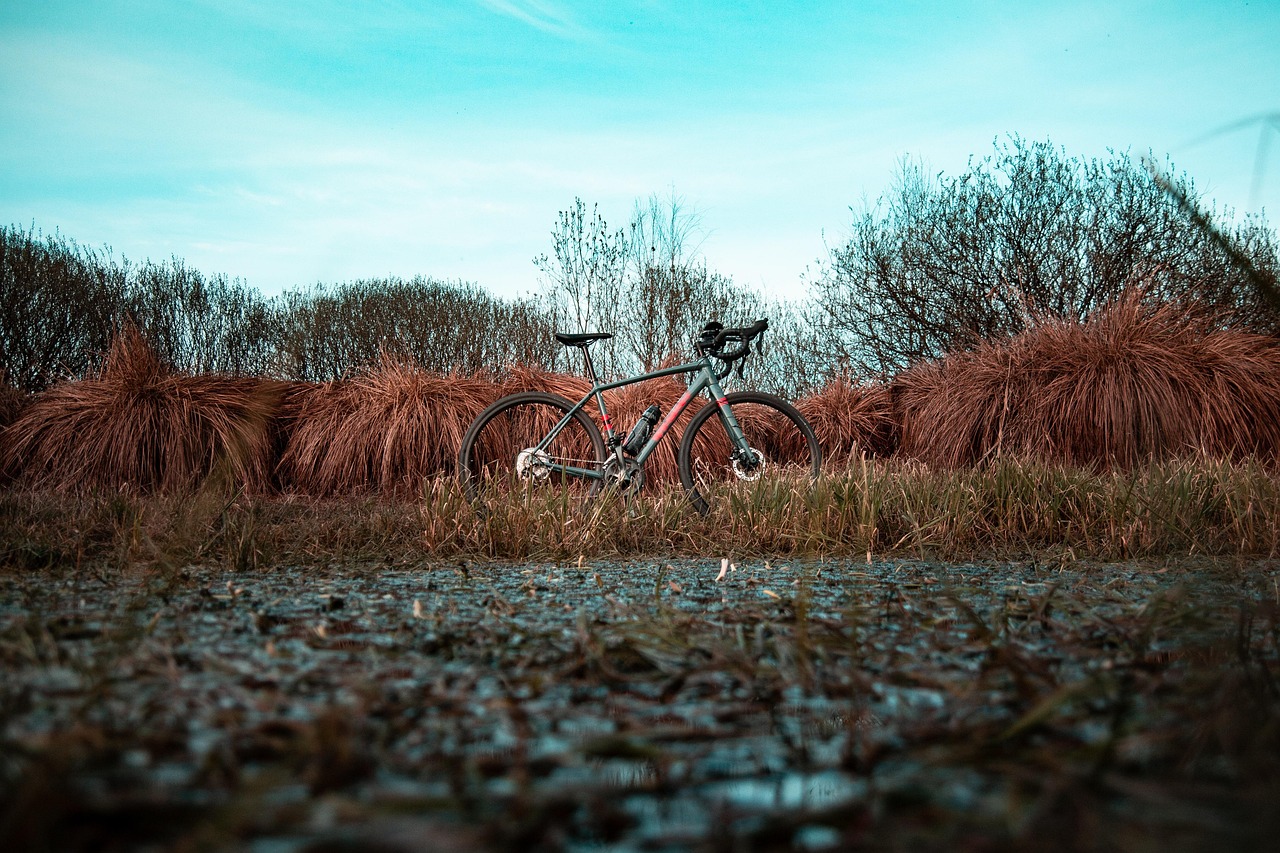
You do not actually need both a gravel bike and a road bike in 2026 unless your riding involves competitive road racing or challenging off-road singletrack. A single, versatile gravel bike, especially when paired with two wheelsets, can effectively cover most road and gravel riding needs for the majority of cyclists, offering significant flexibility with only minor trade-offs.
For cyclists looking to maximize their riding budget and shed space, choosing between a dedicated road machine and a versatile gravel frame comes down to terrain priorities and speed expectations. Dedicated road bikes remain precision instruments engineered for aerodynamic efficiency and rapid acceleration on asphalt. However, modern gravel bikes have evolved into highly capable do-it-all drop-bar machines. Whether you opt for an ultralight carbon frame or a durable gravel bike built from titanium or alloy, understanding the mechanical trade-offs is essential before filling your garage with multiple bikes.
Gravel Bike vs. Road Bike: Key Differences Explained (Answering “what are gravel bikes” and “road bike vs gravel bike”)
To understand whether you need both a gravel bike and a road bike, it’s essential to examine their core engineering differences. These distinctions dictate how each bike performs across various terrains and riding styles.
Frame Geometry: Stability vs. Responsiveness
Road bikes are engineered for responsiveness, quick direction changes, and aerodynamic efficiency. A standard road race frame features a head tube angle between 72.5 degrees and 73.5 degrees, short chainstays (405mm–415mm), and a compact wheelbase (under 1,000mm). This creates sharp handling for aggressive cornering on smooth tarmac.
By contrast, a modern gravel bike prioritizes stability, traction, and control over unpredictable surfaces. Head tube angles drop to 69 degrees–71.5 degrees, while chainstays lengthen to 425mm–435mm to accommodate wider rear tire clearance and maintain traction on off-road climbs. The overall wheelbase extends to 1,020mm or longer, providing a planted feel on loose gravel roads.
Rider position also differs. Road frames place the rider in an aggressive, low posture for aerodynamics. Gravel frames feature higher stack heights and shorter reach, placing the rider in a more upright position. This reduces strain on the lower back, neck, and wrists during long endurance efforts and improves visibility and weight balance on loose descents, contributing to a “comfortable gravel bike” experience.
Tire Clearance and Rim Width
Tire clearance is the most defining technical boundary. Standard road frames accommodate tire widths from 25mm to 32mm. These narrower slick tires operate at higher pressures (55 psi–85 psi), offering low rolling resistance on asphalt but transmitting road shock.
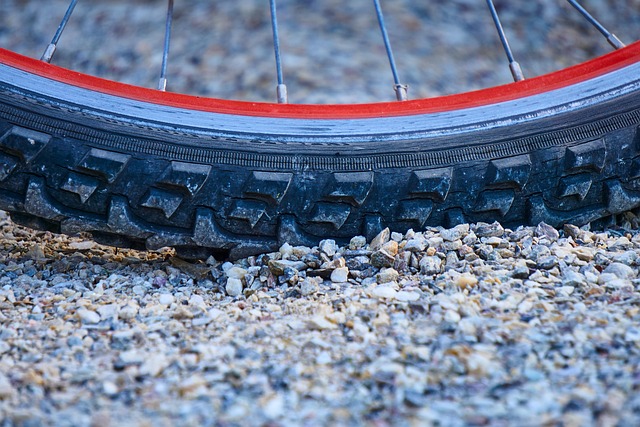
In contrast, a multi-surface gravel bike frame offers clearance for tires ranging from 38mm to 50mm on 700c wheels, with many frames also supporting 650b (27.5-inch) wheels with up to 2.1-inch mountain bike tires. Running 40mm or 45mm tires at low tubeless pressures (25 psi–38 psi) creates a large contact patch that cushions the rider from harsh impacts, enhances traction over loose gravel, and drastically reduces pinch punctures.
Rim internal widths have also expanded. Road wheels typically have 21mm–25mm internal widths, optimized for 28mm–32mm slick tires. Gravel wheels utilize internal widths of 25mm–28mm, supporting wider tire sidewalls to prevent squirming when cornering off-road at low pressures.
Drivetrain Design: Gearing Ratios and Chain Retention
Drivetrain configuration highlights distinct functional targets. Road bikes rely on double chainring (2x) drivetrains with close-ratio rear cassettes (e.g., 52/36T or 50/34T with 11-30T or 11-34T cassettes). This provides small gear jumps, allowing riders to maintain optimal cadence (85–95 RPM) on varied road gradients.
Gravel bikes demand lower gear ratios for steep, loose off-road gradients. Gravel drivetrains come in both 2x (e.g., 48/31T or 46/30T sub-compact) and 1x (single chainring) configurations. Single-chainring systems (typically 38T–42T) are paired with wide-range rear cassettes (e.g., 10-44T, 10-51T, or 10-52T).
The primary advantage of a 1x gravel setup is mechanical simplicity, reduced weight, and chain retention on rough terrain. Gravel rear derailleurs incorporate clutch mechanisms to prevent chain bounce. However, 1x drivetrains feature noticeable cadence steps between gears, which can be felt on flat paved roads at high speeds.
Road Bike vs. Gravel Bike: A Performance Specification Comparison
To evaluate how these designs compare across technical specs, review the core engineering metrics side-by-side:
| Feature / Spec | Dedicated Road Bike | All-Road Bike | Dedicated Gravel Bike |
|---|---|---|---|
| Max Tire Clearance | 28mm – 32mm | 35mm – 38mm | 40mm – 50mm+ |
| Head Tube Angle | 72.5° – 73.5° | 71.5° – 72.5° | 69.0° – 71.5° |
| Chainstay Length | 405mm – 415mm | 415mm – 422mm | 425mm – 435mm |
| Typical Drivetrain | 2x (52/36T or 50/34T) | 2x (50/34T or 48/31T) | 1x (40T) or 2x (46/30T) |
| Average Frame Weight | 750g – 950g | 850g – 1,050g | 950g – 1,250g |
| Primary Terrain | Smooth Tarmac & Asphalt | Tarmac, Rough Pavement, Smooth Dirt | Gravel, Singletrack, Mud, Rough Fire Roads |
| Handlebar Flare | 0° – 4° (Narrow) | 6° – 12° (Moderate) | 12° – 24° (Wide) |
Can a Gravel Bike Be Used as a Road Bike? (Answering “gravel bike as road bike”)
Yes, a single gravel bike can function effectively as your sole road bike, provided you make realistic adjustments to your wheel setup and accept small speed trade-offs. For non-competitive riders, endurance cyclists, and commuters, a gravel frame with a dedicated set of road wheels provides a high quality road riding experience.
The most effective strategy for using one bike across all surfaces is owning two dedicated wheelsets:
- Wheelset 1 (Road Setup): Lightweight carbon or alloy rims with 28mm or 30mm tubeless slick road tires, inflated to road-appropriate pressure, paired with a close-ratio cassette (e.g., 11-30T or 10-33T).
- Wheelset 2 (Off-Road Setup): Wider, durable alloy or carbon rims fitted with 40mm to 45mm treaded gravel tires, paired with an off-road cassette (e.g., 10-44T or 10-52T).
Swapping between these wheelsets takes under two minutes if both rear wheels share identical disc rotor alignment and cassette spacing. With a slick 28mm road tire mounted, a modern lightweight gravel bike eliminates almost all tire rolling resistance penalties on pavement.
However, minor aerodynamic penalties remain. Gravel frames feature wider fork blades and chainstays to clear large tires, which increases drag compared to a sleek aero road frame. Gravel handlebars are also wider and often feature flared drop sections, placing your arms wider and creating more wind resistance. At speeds around 30 km/h (18.6 mph), an aerodynamic gravel frame with slick tires requires roughly 10 to 15 additional watts of effort compared to a dedicated aero road bike. For solo training, fitness riding, and long endurance events, this small energy difference is virtually unnoticeable.
For riders looking for an accessible entry point into multi-surface riding without spending thousands, exploring options for a gravel bike under budget limits proves that high versatility is available at accessible price points, even for a “lightweight gravel bike” option.
Can You Use a Road Bike for Gravel Riding? (Addressing “road bikes for gravel” and “gravel road bike”)
While you can ride an endurance road bike on smooth, dry dirt roads or well-groomed canal towpaths, a road bike is fundamentally limited when conditions turn rougher, steeper, or wetter.
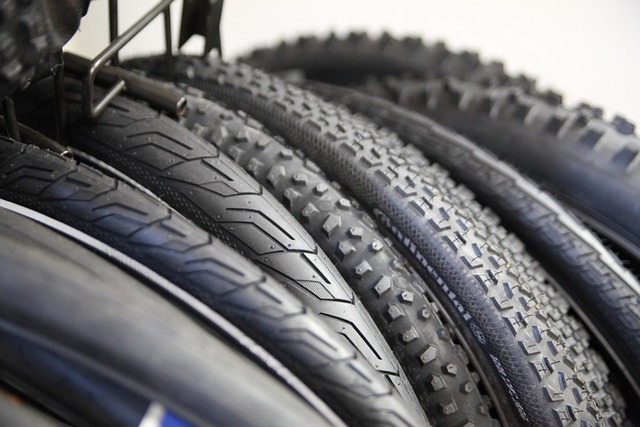
The major hurdle is tire clearance. Even modern road frames that accept 32mm tires leave almost no clearance for mud, small stones, or debris. When riding on damp dirt or loose gravel, fine grit and mud collect between the tire and the underside of the fork crown or brake bridge, potentially damaging the frame.
Narrow 28mm–32mm road tires require higher tire pressure to prevent rim damage from rock impacts. High pressures cause the tire to bounce off rocks rather than deform, leading to a harsh ride and reduced traction on loose ascents. You’ll experience less comfort and control compared to a gravel bike.
Handling on loose downhill turns is another major risk. The steep head angle and short wheelbase of a road race frame create quick, sensitive steering. On loose gravel, this rapid steering response can cause the front tire to wash out without warning, increasing the risk of crashes.
Can a Gravel Bike Keep Up on Fast Group Road Rides?
Whether a gravel bike keeps pace on fast group rides depends on the nature of the group and your gearing setup. On casual, endurance, or B-group club rides maintaining average speeds under 30 km/h (18.6 mph), a gravel bike fitted with slick 30mm road tires will perform effortlessly alongside dedicated road bikes. This addresses the “gravel bike as road bike” search query.
On fast competitive group rides, sharp chain gang pacelines, or hilly drop rides, three factors put the gravel bike rider at a tactical disadvantage:
- Top-End Speed Gearing: A 1x gravel setup with a 40T front chainring and 10T small rear cog provides a top gear ratio of 4.0. A standard road double with a 52T chainring and 11T cog yields a 4.72 ratio. On high-speed downhill sprints or tailwind pushes exceeding 45 km/h (28 mph), a 1x gravel rider will spin out their cadence around 110+ RPM while road riders continue to pedal smoothly.
- Cadence Steps: Wide-range 1x cassettes (such as 10-44T) have jumps of 3 or 4 teeth between middle gears. On a paceline where the group speed fluctuates, the gravel rider may struggle to find a gear that matches the group’s natural cadence, leading to extra fatigue. Road bike cassettes have much tighter spacing.
- Aerodynamic Drag in Sprints: Wide handlebars and upright frame geometry increase wind resistance when riding outside of draft pockets or attempting breakaways. This added drag requires more power to maintain speed.
If fast group rides and road sportifs represent a significant portion of your weekly riding, selecting a gravel frame with a 2x sub-compact drivetrain (like Shimano GRX 2x or SRAM AXS 2x) and a narrower, less flared handlebar narrows the performance gap dramatically. However, a pure road race bike will always have the edge in these specific scenarios.
The All-Road Bike Alternative: A True “Gravel Road Bike” Solution
For riders stuck in the middle between road and gravel, the “All-Road” bike category provides a practical alternative. These bikes are also sometimes referred to as “endurance road bikes with wider clearance” or “light gravel bikes,” directly addressing “gravel road bike” searches.
Unlike dedicated gravel frames designed for bikepacking panniers and heavy off-road trails, all-road frames maintain endurance road geometry: responsive head tube angles (71.5°–72.5°), moderate chainstay lengths (415mm–420mm), and traditional 2x road drivetrains. However, they expand tire clearance to 35mm–38mm. This allows for comfortable 32-35mm slick tires for road rides and 35-38mm lightly treaded tires for smooth dirt and light gravel. The average frame weight is also often closer to a road bike (850g – 1,050g).
For riders who never plan to ride mud, deep sand, or rocky mountain trails, an all-road bike eliminates the need to buy two separate bikes or invest in extra wheelsets. It’s an excellent choice for those whose “gravel” riding means well-maintained dirt paths and rough pavement, rather than technical singletrack.
Who Actually Needs Both a Gravel Bike and a Road Bike?
Owning both a dedicated road bike and a dedicated Gravel Bike makes practical sense for specific rider profiles. You actually need both bikes if you fit into these scenarios:
- You Race Road Events or Fast Criteriums: Aggressive road racing requires light frames, steep geometry for sharp cornering in tight packs, low front-end positions, and large chainrings for high-speed sprints. A gravel frame cannot replicate these characteristics without major compromises, making it unsuitable for competitive road racing.
- You Ride Technical Off-Road Trails and Singletrack: Riding steep, muddy, or rocky off-road terrain requires 45mm to 50mm knobby tires, very low 1x gearing, clutch derailleurs, and wide flared bars for control. Modifying a road bike for these conditions is impossible due to clearance limits, and even many all-road or lighter gravel bikes may struggle.
- You Dislike Swapping Components: Even with two wheelsets, swapping wheels, adjusting brake rotor alignments, changing tire pressures, and altering gear ratios between weekend rides takes effort and time. Owning two dedicated, pre-configured bikes allows you to grab the right tool for the job instantly without any setup fuss.
- You Want Peak Performance on Every Surface: A dedicated 7kg carbon aero road bike feels incomparably quick on smooth tarmac ascents, while a stable, comfortable gravel bike excels on multi-day bikepacking adventures. Dedicated machines offer uncompromised engineering for their specific purpose. If maximizing performance in each distinct discipline is your priority, then having both is ideal.
Who Should Only Buy One Bike: Gravel or Road?
For most recreational cyclists, buying two separate drop-bar bikes leads to redundant spending and underutilized gear. You should choose a single bike if any of these apply to you:

- Your Budget is Under £3,000 / $3,500: Investing your entire budget into one high-quality gravel or all-road bike equipped with solid components yields a far better riding experience than splitting that budget into two lower-spec bikes with heavy frames and low-tier groupsets. A single well-spec’d bike will be more enjoyable and reliable.
- You Ride a Mix of Surfaces in Single Rides: If your standard route includes tarmac lanes, canal paths, park shortcuts, and light gravel trails connected together, a gravel bike is the ideal vehicle. It transitions smoothly between surfaces, eliminating the need to choose between a road or off-road specific machine for a single ride.
- You Prioritize Comfort and Reliability: Modern gravel bikes offer vertical compliance, higher hand positions, wide tubeless tires that resist flats, and components designed for variable weather. This makes them inherently more comfortable and less prone to punctures on mixed terrain, even on longer endurance rides, answering “comfortable gravel bike” queries.
- Storage Space is Limited: Maintaining, storing, and washing a single multi-surface bike fits urban apartments and small garages much better than managing multiple machines. For those with limited space, one bike is simply more practical.
- You Primarily Ride Roads but Want the Option for Light Gravel: An “all-road” bike could be your perfect single solution. It offers the responsiveness of an endurance road bike but with enough tire clearance (35-38mm) to comfortably tackle smooth dirt roads and rough pavement, without the compromises of a full-blown gravel bike.
Maintenance and Real-World Upkeep Costs for Gravel vs. Road Bikes
Managing two bikes doubles your routine maintenance overhead: twice as many chains to measure and replace, double the hydraulic brake flushes, and multiple sets of tires aging over time. However, operating a single gravel bike across both terrain types brings its own upkeep requirements, particularly if you’re frequently swapping between road and off-road setups.
Off-road riding exposes drivetrains, bottom brackets, headset bearings, and brake pads to abrasive grit, water, and sand. Gravel brake pads wear out significantly faster when exposed to mud compared to clean tarmac riding. Chains require frequent cleaning and re-lubrication with wet or dry off-road lubricants to prevent grit from grinding down cassette teeth. These factors contribute to higher component wear rates compared to a bike ridden exclusively on clean pavement.
When maintaining a single gravel bike with two wheelsets, ensure both rear wheels use identical disc brake rotor sizes (typically 160mm front and rear) and matching hub cassette spacing. Minor tolerances between hub brands can cause brake rotors to rub against brake pads when swapping wheels. Using thin rotor shims or ensuring your hubs are precisely spaced solves this issue, allowing instant wheel swaps without re-aligning brake calipers every time. This small step is crucial for making the two-wheelset approach truly convenient.
Related reading
Frequently asked questions
Can I fit gravel bike tires to my existing road bike?
Usually no, because most road bike frames and front forks lack the physical clearance required for wide gravel tires. Most modern disc-brake road frames max out at 30mm or 32mm tire width, whereas standard gravel tires start at 38mm and extend past 50mm. Attempting to force larger tires can damage your frame or fork.
How much slower is a gravel bike on the road compared to a road bike?
With identical slick road tires installed, a gravel bike is generally only 1 to 2 km/h slower than an endurance road bike due to slightly heavier frame weight and wider handlebar aerodynamics. However, if you keep wide, knobby off-road tires fitted, high tread rolling resistance will slow you down by 3 to 5 km/h on paved roads, making a significant difference over longer distances.
Is a 1x or 2x drivetrain better if I only own one gravel bike?
A 1x drivetrain is preferable if you prioritize off-road simplicity, chain security, mud clearance, and steep loose trails. However, if you spend a significant amount of time on pavement or participate in fast group rides, a 2x sub-compact gravel drivetrain will offer smaller gear steps and a higher top-end gear, improving your cadence control and speed on the road.
Are gravel bikes comfortable for long distance endurance rides?
Yes, gravel bikes are exceptionally comfortable for long distance rides thanks to their upright endurance seating geometry, longer wheelbases, and high-volume tubeless tires that filter out road vibration. These features reduce fatigue and enhance stability over varied terrain, making them ideal for multi-hour adventures. Historical technical details on cycle frame engineering can be explored through reference resources like Britannica.
What are the common problems when using a gravel bike as a road bike?
Common problems include slightly slower top-end speed due to aerodynamics and potentially wider gear jumps with 1x drivetrains, which can make it harder to maintain an optimal cadence on flat roads. Additionally, if you don’t swap to slick road tires, the rolling resistance of knobby gravel tires will significantly reduce your speed and efficiency on pavement.