
 By Hashim Hashmi

The best budget gravel bike under £1500 effectively balances an aluminum frame, a carbon fork, hydraulic disc brakes, and wide tire clearance for off-road versatility. Models like the Trek Checkpoint ALR 4, Canyon Grail AL 7.0, and Giant Revolt 0 lead this category, combining reliable 1x or 2x drivetrains with high-volume tire clearance to offer significant performance for daily commutes and bikepacking.
For many cyclists, the £1500 mark represents a highly attractive sweet spot in the gravel bike market. It offers a significant step up in performance and durability from entry-level models, without venturing into premium price brackets. Manufacturers offer sophisticated components and frame technologies at this price point, making it ideal for anyone looking for a versatile bike that handles daily commutes and weekend bikepacking adventures.
This guide highlights the best budget gravel bikes under £1500 available right now, and explains what to look for to ensure you make an informed purchase that suits your riding style and terrain.
What features offer the best value on a £1500 budget gravel bike?
When searching for the best budget gravel bike under £1500, several core features consistently appear on well-specced models and provide the most significant performance per pound. Prioritizing these elements ensures you get the best value.
Reliable Drivetrain Components (Shimano GRX or SRAM Apex)
The drivetrain is critical for performance and longevity. Look for reliable groupsets that offer a good range of gears. Shimano’s GRX series, particularly the RX400 (2×10-speed) or RX600 (2×11-speed or 1×11-speed), is a popular choice for gravel-specific performance. These offer clutch-equipped rear derailleurs to minimize chain slap and ergonomic shifter designs.
SRAM Apex is another strong contender, often found in this price bracket, providing excellent performance and durability, particularly its 1x options. A 1x (single chainring) or 2x (double chainring) setup can be found; 1x systems offer simplicity and good chain retention, while 2x systems provide a wider gear range beneficial for loaded touring or steep climbs. Choosing between them depends on your typical terrain and preference for gear steps versus simplicity.
Hydraulic Disc Brakes for Superior Control
At this price point, you should predominantly find hydraulic disc brakes. These offer superior stopping power and modulation in all weather conditions compared to mechanical brakes, a crucial advantage on loose gravel or wet descents. This directly translates to increased safety and confidence, making them a non-negotiable feature for value.
Wide Tire Clearance for Versatility and Comfort
Tyre clearance is paramount for a gravel bike’s versatility. Most reputable gravel bikes under £1500 should comfortably accommodate tires at least 38mm wide, with many capable of fitting 40mm or even 45mm. This allows you to run wider, more comfortable, and grippier tires for off-road excursions, or narrower slicks for efficient road riding. Greater clearance also means better mud shedding.
Aluminum Frame with a Carbon Fork
The frame material is typically aluminum for bikes in this range, offering a good balance of weight, stiffness, and affordability. Crucially, a full carbon fork (or at least carbon blades with an alloy steerer) is a key value indicator at this price point. Carbon forks significantly reduce road chatter and vibration, improving comfort on long rides without adding excessive cost.
Comparing top budget gravel bikes under £1500
To help you compare specs directly, the table below highlights key features across leading options in this category, all offering exceptional value for money.
| Model | Drivetrain | Brake Type | Max Tyre Clearance | Frame / Fork | Best Use Case |
|---|---|---|---|---|---|
| Trek Checkpoint ALR 4 | Shimano GRX RX400 (2×10) | Hydraulic Disc | 45mm (700c) | 300 Alpha Aluminum / Carbon | Bikepacking & touring |
| Canyon Grail AL 7.0 | Shimano GRX RX600 (2×11) | Hydraulic Disc | 40mm (700c) | AL Aluminum / Carbon | Fast gravel & endurance roads |
| Specialized Diverge E5 Elite | Shimano GRX RX400 (2×10) | Hydraulic Disc | 47mm (700c) | E5 Premium Aluminum / Carbon | Rough tracks & plush comfort |
| Giant Revolt 0 | Shimano GRX RX400 (2×10) | Hydraulic Disc | 53mm (Flip-Chip rear) | ALUXX SL Aluminum / Carbon | Mixed surfaces & technical trails |
| Cube Nuroad EX | Shimano GRX RX810/RX600 (1×11) | Hydraulic Disc | 45mm (700c) | Superlite Aluminum / Carbon | Commuting & simple off-road maintenance |
How do the top budget gravel bikes under £1500 perform in detail?
Several models consistently offer exceptional value and performance within the £1500 budget. These picks stand out for their reliable components, versatile capabilities, and overall ride quality.
You can browse additional options on Gravel Bikes Under for secondary market comparisons or alternative regional builds.
Trek Checkpoint ALR 4: The Bikepacking Workhorse
Trek’s Checkpoint ALR 4 features an aluminum frame paired with a full carbon fork, offering a balanced blend of power transfer and front-end compliance. Equipped with a Shimano GRX RX400 10-speed drivetrain, it delivers crisp shifting alongside responsive hydraulic braking.
The frame offers abundant mounting points for bags and mudguards, making it a natural choice for multi-day bikepacking. Progressive geometry keeps handling stable on loose descents without feeling sluggish on paved connectors. Tyre clearance goes up to 45mm on standard 700c wheels.
Canyon Grail AL 7.0: For Fast Gravel and Endurance
Canyon’s direct-to-consumer sales structure enables them to spec higher-tier components at aggressive price points. The Grail AL 7.0 frequently upgrades you to Shimano’s 11-speed GRX RX600 component mix, offering tighter gear steps, which is excellent value at this price.
The AL version uses a standard ergonomic handlebar and stem setup, making stem length adjustments and accessory mounting straightforward. Frame geometry leans towards road endurance speeds, making it ideal if you spend significant time linking tarmac sections with fast dirt tracks. It’s a great choice for riders who want a fast, efficient machine for mixed terrain.
Specialized Diverge E5 Elite: Comfortable All-Rounder
The Specialized Diverge E5 Elite focuses on rider comfort and handling stability. Constructed around an E5 Premium aluminum frame and a full-carbon FACT fork, it dampens chatter effectively across hardpack gravel and light singletrack. This focus on compliance makes it a strong contender if you prioritize a comfortable ride.
Equipped with a 2×10 Shimano GRX drivetrain and generous 47mm tyre clearance, the Diverge handles rougher surfaces with ease. Its tall stack height and relaxed reach reduce wrist and lower-back fatigue during long days in the saddle, making it particularly suitable for new gravel riders or those seeking extended comfort.
Giant Revolt 0: Adaptability for Mixed Surfaces
Giant’s Revolt 0 stands out for frame adaptability. Featuring an ALUXX SL aluminum frame paired with a carbon fork, it incorporates a flip-chip dropout at the rear axle. Setting the flip-chip to the long position extends the wheelbase and expands maximum tyre clearance up to 53mm (700c), giving you near mountain bike tyre volume for loose sand or mud. This unique feature offers unparalleled versatility at this price point.
A D-Fuse alloy seatpost adds built-in vertical compliance, deflecting vibration from bumps before it reaches the saddle, further enhancing comfort. A Shimano GRX 2×10 drivetrain provides reliable shifting across wide gear ranges, making it suitable for almost any terrain.

Cube Nuroad EX: Simple and Low-Maintenance
Cube’s Nuroad EX targets riders who want simplicity and low-maintenance operation. Specifying a 1×11 Shimano GRX drivetrain (combining RX810 and RX600 components), it eliminates the front derailleur while maintaining a wide gear range via an 11-42T cassette. This 1x setup is excellent for reducing mechanical complexity and is often preferred by commuters or those riding in muddy conditions.
With integrated mounting points for full-length mudguards, rear pannier racks, and a kickstand, the Nuroad EX converts quickly between a fast weekday commuter and a weekend trail exploration bike. It’s a pragmatic choice for riders who value ease of use and practicality.
Should you choose a 1x or 2x drivetrain on a budget gravel bike?
Choosing between a single chainring (1x) and double chainring (2x) setup comes down to the terrain you ride and how you carry gear. Neither option is universally better, but each has clear mechanical trade-offs.
1x Drivetrains (Single Chainring)
A 1x setup uses one chainring at the front (typically 40T) paired with a wide-range cassette at the rear (such as 11-42T or 11-44T). Key advantages include:
- Simplicity: One shifter controls all gears, removing front derailleur trim adjustments and making gear selection more intuitive.
- Chain Retention: Narrow-wide chainring teeth combined with a clutch rear derailleur make chain drops extremely rare, even on rough trails.
- Weight and Clearance: Eliminating the front derailleur clears space around the bottom bracket for mud shedding and potentially wider rear tyre profiles. It also generally results in a slightly lighter overall bike.
- Trade-off: Larger jumps between gear steps, which can make maintaining a precise pedaling cadence on flat road sections harder.
2x Drivetrains (Double Chainring)
A 2x setup uses two front chainrings (typically sub-compact 46/30T or 48/32T) paired with a narrower rear cassette (such as 11-34T). Key advantages include:
- Tighter Gear Steps: Smaller cadence jumps make it easier to find an efficient pedaling rhythm on flat tarmac or gradual climbs, providing a smoother transition between gears.
- Broader Overall Range: Delivers a wider top-end speed on descents and lower gear ratios on steep climbs, ideal for loaded bikepacking or very hilly terrain.
- Trade-off: Higher maintenance needs due to the additional front derailleur, potential for chain rub on extreme gear combinations (cross-chaining), and increased weight.
How do hydraulic disc brakes compare to mechanical disc brakes?
Braking system selection directly affects control and safety off-road. Under £1500, hydraulic disc brakes have become the standard recommendation over cable-actuated mechanical disc brakes, offering a significant performance advantage.
Hydraulic systems use sealed fluid lines to push brake pads against the rotor. This design provides immediate stopping power with light finger pressure, reducing hand fatigue on long descents. The sealed system is less susceptible to contamination, and hydraulic calipers also auto-adjust for pad wear, ensuring consistent lever feel. This reliability and power are crucial for confidence and safety on varied gravel terrain, especially in wet conditions.
Mechanical disc brakes pull a steel cable to actuate the caliper. Over time, friction inside the cable housing increases lever pull resistance, and cable stretch requires manual barrel adjustments, leading to inconsistent braking performance. Mechanical systems also generally push only one pad against the rotor, reducing ultimate stopping power and modulation. While simpler to maintain for some, their performance limitations make them a less desirable choice for serious gravel riding compared to hydraulics.
When evaluating brakes under £1500, ensure the bike specifies full hydraulic calipers (such as Shimano GRX RX400 or Tiagra hydraulic) rather than hybrid cable-actuated hydraulic systems.
What frame and fork details matter most for comfort and performance?
The frame and fork form the foundation of your bike, significantly influencing ride comfort, handling, and durability. At the £1500 price point, frame construction focuses heavily on double-butted or triple-butted 6061 and 6013 aluminum alloys, paired with full-carbon or carbon-legged forks.
Modern aluminum frames utilize hydroforming to vary tube wall thicknesses, placing extra material at high-stress joints while thinning out tube centers to drop weight and improve vertical flex. This engineering helps deliver a responsive yet reasonably compliant ride. For additional frame protection and policy choices, see gravel bikes under for insurance considerations on aluminum frames.
Axle Standards and Cable Routing
Ensure any bike you consider uses standard 12mm thru-axles (12x100mm front, 12x142mm rear) rather than quick-release skewers. Thru-axles lock the wheels stiffly into the frame dropouts, preventing rotor rub under heavy pedaling torque and improving steering precision through corners, enhancing both performance and safety.
Internal cable routing keeps gear cables and hydraulic hoses safe from debris and frame bag straps, contributing to a cleaner aesthetic and longer component life. Look for entry ports with rubber grommets to prevent water intrusion and rattling.
Gravel Geometry Explained for Stability and Comfort
Gravel bike frame geometry differs significantly from standard road bikes to enhance stability, comfort, and off-road capability:
- Slacker Head Angles (69°–71.5°): Slows down steering response slightly, keeping the front wheel tracking straight across loose rocks and making the bike less twitchy on rough terrain.
- Longer Wheelbase: Increases high-speed stability when descending on unpaved fire roads and provides a more planted feel.
- Lower Bottom Bracket Drop (70–80mm): Drops your center of gravity closer to the ground for confident cornering traction and a more stable ride.
- Taller Stack Height: Places the handlebars higher relative to the saddle, reducing neck and back strain over rough surfaces and during long rides, contributing significantly to overall comfort.
- Shorter Reach: Often paired with a taller stack, a shorter reach creates a more upright and relaxed riding position, reducing strain on the arms and shoulders.
How do budget gravel bikes perform for lightweight riders?
While gravel bikes under £1500 typically feature aluminum frames, which are generally lighter than steel options at this price point, they are not designed to be ultra-lightweight racing machines. Most bikes in this category will weigh between 9.5kg and 11.5kg. For lightweight riders, this weight is perfectly manageable and offers durability for varied terrain.
To optimize a budget gravel bike for lighter weight, focus on tubeless tyre conversion (removing inner tubes saves weight and allows lower pressures), and consider lightweight accessories like carbon seatposts or handlebars as future upgrades. The inherent stability and comfort benefits of gravel geometry are often more impactful for a lightweight rider’s experience than marginal weight savings at this price.
Who is a £1500 budget gravel bike not for?
While gravel bikes under £1500 offer wide versatility, they are not the right choice for every cyclist or riding discipline. Understanding these limitations helps ensure you make the best purchase for your specific needs.
- Pure Road Racers: The upright position, slacker head angle, and wider tyres create drag on smooth tarmac. If you only ride paved roads in group rides or prioritize absolute speed on asphalt, an endurance road bike will feel significantly faster and more efficient (see Full Suspension Mountain Bikes: Your Guide to Trail-Ready Control for road geometry breakdowns).
- Technical Trail and Enduro Riders: Rigid forks and drop handlebars cannot handle steep drop-offs, large rock gardens, or fast jumps. If your routes involve root-filled singletrack, aggressive descents, and jumps, a hardtail or full-suspension mountain bike provides necessary control, suspension travel, and robust components designed for high-impact riding.
- Short-Distance City Commuters: If your journey consists of a 2-mile flat paved commute, the advanced disc brakes and drivetrain components of a £1500 gravel bike may be unnecessary expenditure. A durable budget hybrid bike offers practical transport at a lower cost with lower theft risk, and often includes integrated racks and mudguards as standard.
- Riders Seeking Ultra-Lightweight Performance: While budget gravel bikes offer good value, they won’t compete with high-end carbon models weighing under 9kg. If every gram counts for racing or ultimate climbing efficiency, you’ll need to increase your budget significantly.
How to set up your new gravel bike step by step for optimal performance
Getting the optimal performance out of your budget gravel bike requires careful setup once unpacked or collected from the shop. Follow these steps to prepare your ride and maximize your comfort and control:
- Convert to Tubeless: Check if your wheelset and tyres are marked “Tubeless Ready” (TLR or TLE). Remove the inner tubes, fit tubeless rim tape if not factory sealed, insert tubeless valves, seat the tyre bead, and inject 60–90ml of sealant per tyre. Tubeless operation lets you run lower pressures without flatting, significantly improving grip, comfort, and puncture resistance on gravel.
- Set Tyre Pressures: Avoid over-inflating wider tyres. For a 40mm tyre and a 75kg rider, start at 32 PSI rear and 30 PSI front for gravel roads. Adjust upwards by 5–10 PSI if riding mostly tarmac, or downwards by 2–4 PSI for very loose or technical terrain. Optimal pressure is crucial for comfort and traction. See Gravel Bike or Road Bike: Do You Actually Need Both? for tire pressure charts.
- Adjust Cockpit Controls: Rotate the handlebars so the top hoods sit horizontal or at a slight upward tilt, ensuring a comfortable wrist angle. Ensure you can comfortably reach the brake levers from both the hoods (main riding position) and the drops (for descents and aggressive riding) without overstretching.
- Calibrate Rear Derailleur Clutch: Ensure the clutch switch on your Shimano GRX or SRAM derailleur is flipped to the “ON” position before off-road riding to keep chain tension tight. This prevents chain slap and reduces the risk of chain drops on bumpy terrain.
- Apply Frame Protection Tape: Apply clear polyurethane protective tape to the underside of the down tube, head tube (where cable housing rubs), and chainstays to prevent stone chips, cable rub, and paint wear. This simple step protects your investment from the inevitable impacts of gravel riding.
- Check Bolt Torques: Before your first ride, use a torque wrench to ensure all critical bolts (stem, seatpost, brake calipers, thru-axles) are tightened to the manufacturer’s specified settings. This is vital for safety and prevents component slippage.
Common gravel bike issues and how to fix them
Regular off-road riding introduces dirt, vibration, and mud that can cause mechanical issues. Knowing how to address common problems can save you time and keep you riding.
Brake Rotor Rub or Squeal
If a disc brake pad rubs continuously against the rotor, loosen the two caliper mounting bolts slightly. Squeeze and hold the brake lever tightly to center the caliper over the rotor, then re-tighten the mounting bolts evenly to torque specs (typically 6–8 Nm). Clean squealing rotors with isopropyl alcohol and fine sandpaper (very lightly) to remove contaminants and glaze from the pads.
Shifting Hesitation (Cable Stretch)
New shift cables stretch within the first few rides, causing delays when shifting to larger cassette sprockets. Turn the barrel adjuster on the rear derailleur or shift cable anti-clockwise one quarter-turn at a time until gear changes align cleanly with sprocket spacing. This micro-adjustment compensates for cable slack.
Tubeless Sealant Seepage
Small drops of sealant bubbling through sidewalls or bead interfaces on a new tubeless setup are normal. Spin the wheel and lay it horizontally over a bucket for 15 minutes per side to allow sealant to seal tiny pores in the rubber casing. If seepage persists, check for proper rim tape installation or consider adding more sealant.
Chain Slap and Noise
If your chain is frequently slapping against the chainstay, first ensure your rear derailleur’s clutch is engaged (switched to “ON”). If the issue persists, consider applying chainstay protector tape or a neoprene sleeve to dampen noise and protect the frame. Consistent chain slap can indicate an issue with chain length or a worn derailleur, especially if the clutch is active.
Frequently asked questions
Can I really get a good gravel bike for under £1500?
Yes. The £1500 price point offers an excellent balance of performance, durability, and features, including reliable groupsets like Shimano GRX or SRAM Apex, hydraulic disc brakes, full-carbon forks, and tubeless-ready wheelsets from reputable brands.
What type of tires should I look for on a budget gravel bike?
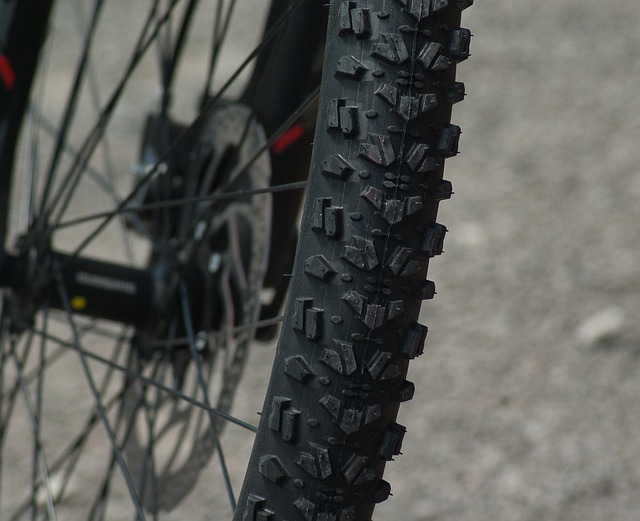
Look for frames with tyre clearance accommodating between 38mm and 45mm. Choose a fast-rolling file-tread tyre for mixed tarmac and hardpack dirt, or a knobby tread pattern if riding wet clay and loose rock for optimal grip.
Is a 1x or 2x drivetrain better for a budget gravel bike?
A 1x drivetrain is better for simplicity, low maintenance, and chain retention on rough terrain. A 2x drivetrain is better for steep climbs, loaded bikepacking, and maintaining smooth pedaling cadence on long paved sections due to tighter gear steps.
Should I prioritize hydraulic or mechanical disc brakes?
Always prioritize hydraulic disc brakes. They provide significantly better stopping power, finger modulation, and consistent braking control in wet or muddy conditions compared to mechanical disc brakes, which offer inferior performance.
How important is frame material at this price point for a lightweight gravel bike?
Aluminum frames are standard under £1500 and offer low weight and durability. Pairing an aluminum frame with a full carbon fork absorbs trail vibration effectively while keeping total bike weight competitive for the price, usually between 9.5kg and 11.5kg.
What makes a budget gravel bike comfortable for long rides?
Comfort on a budget gravel bike comes from features like a carbon fork (to absorb vibrations), generous tyre clearance allowing wider, lower-pressure tyres, and gravel-specific geometry with a taller stack height and shorter reach for a more upright riding position.
Source: Britannica.