
 By Hashim Hashmi

You can use a road bike on light, smooth gravel if it fits at least 28mm to 32mm tires, but you need a dedicated gravel bike if you plan to ride rough unpaved trails, loose dirt, or steep off-road climbs. A road bike lacks the wide tire clearance, stable geometry, and low gearing required for control and comfort on rougher terrain.
While the boundary between road and gravel frames continues to shift as endurance frames gain wider clearance, both categories remain distinct tools built around specific engineering priorities. Choosing between them comes down to evaluating where you actually ride, the surface conditions you encounter, and whether speed on asphalt or capability on unpaved terrain matters most to you.
Can you use a road bike on gravel? (Road bike vs. Gravel bike differences)
Riding a traditional road bike off paved surfaces depends heavily on the specific grade of off-road terrain. Unpaved surfaces break down into four distinct surface types:
- Category 1 (Hardpack and Fine Crushed Limestone): Smooth, firm dirt roads, canal towpaths, and fine gravel with minimal loose stones.
- Category 2 (Loose Gravel and Light Dirt): Unpaved rural fire roads with loose pebbles, light washboard ripples, and small exposed rocks.
- Category 3 (Coarse Gravel and Rutted Tracks): Chunky ballast rock, deep loose gravel, rutted soil, and embedded sharp stones.
- Category 4 (Forest Doubletrack and Light Singletrack): Muddy paths, tree roots, steep off-camber drops, and loose rock gardens.
A standard road bike handles Category 1 surfaces reasonably well if equipped with 28mm or 32mm tires. However, moving onto Category 2 or higher surfaces exposes clear mechanical and physical limitations. Narrow road tires operating at high pressures (above 50 PSI) skim across loose gravel rather than conforming to it, resulting in a severe loss of cornering traction and braking grip.
Steep steering geometry designed for fast road cornering becomes unpredictable on loose stones. The front wheel tends toward deflection—skittering sideways off small stones—requiring constant upper-body effort to stay upright. Additionally, frame clearance on a road bike leaves little space between the tire tread and the fork crown or chainstays. When riding through wet dirt or mud, sticky trail debris fills these tight spaces, dragging against the frame, abrading the paint, and eventually locking the wheels.
Understanding whether gravel bikes are truly necessary requires looking closely at how frame design, tire volume, frame geometry, and gearing affect control on uneven surfaces.
Tire clearance: The main difference
Tire clearance is the single most important physical distinction between a road bike and a dedicated gravel bike. It dictates the maximum tire width you can safely fit inside the frame and fork.
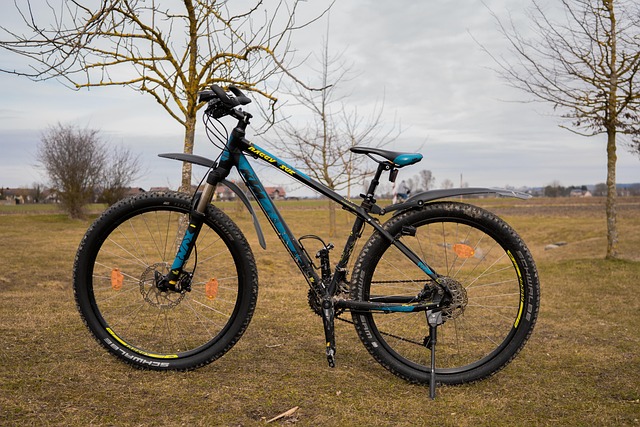
Bicycle clearance standards break down into clear categories:
- Pure Road Race Bikes: Designed around 25mm to 28mm tires, with absolute maximum frame clearance topped out at 30mm.
- Endurance Road Bikes: Designed around 30mm to 32mm tires, with maximum frame clearance accommodating up to 35mm slicks.
- All-Road Bikes: Designed around 35mm tires, squeezing up to 38mm slick or semi-slick treads.
- Dedicated Gravel Bikes: Designed for 40mm to 50mm+ tires on 700c wheels, or up to 2.1-inch tires on smaller 650b (27.5-inch) wheels.
The physical difference between a 28mm road tire and a 42mm gravel tire is dramatic in terms of internal air volume. A 42mm tire holds more than double the air volume of a 28mm tire. This increased air volume allows you to run lower tire pressures—often between 25 and 35 PSI on gravel, compared to 60 to 80 PSI on road setups—without the risk of bottoming out the tire against the rim wall.
Lower tire pressure permits the tire rubber to deform around bumps, rocks, and surface imperfections. Instead of bouncing over obstacles, the tire absorbs impacts, maintaining contact with the ground for superior traction and dampening high-frequency road vibration before it reaches your hands and saddle.
Frame manufacturers observe mud clearance safety standards (such as ISO 4210 guidelines), which mandate at least 4mm to 6mm of open clearance between the tire tread and any part of the frame or fork. Fitting a 33mm tire into a road frame that only leaves 1mm of clearance creates serious hazards. Small stones caught in the tread can gouge carbon chainstays, and caked mud can lock the wheel instantly.
Geometry and handling: Stability versus agility (comfortable gravel bike)
Frame geometry governs how a bike responds to steering inputs and how comfortable you remain during long hours in the saddle. A technical comparison reveals why road and gravel bikes behave differently on different surfaces:
Head tube angle and fork trail
Road bikes feature steep head tube angles (typically 72.5° to 73.5°). This yields a short mechanical trail measurement (around 55mm to 60mm), producing light, rapid steering responses for smooth pavement.
Gravel bikes use slacker head tube angles (typically 70.0° to 71.5°) and longer fork offsets, creating a mechanical trail of 65mm to 75mm. This longer trail creates a self-centering steering effect, preventing the front wheel from flopping or washing out on high-speed loose gravel descents.
Wheelbase and chainstay length
Road race bikes keep chainstays short (405mm to 412mm) and total wheelbases compact (under 1,000mm) for quick acceleration and tight cornering.
Gravel bikes extend chainstays to 425mm–435mm to accommodate wider tires and provide stability. Overall wheelbases frequently exceed 1,020mm. The longer wheelbase distributes weight more evenly and reduces pitching motions over bumps.
Rider position and handlebar flare
Road bikes place the handlebars lower and farther forward relative to the saddle for aerodynamic efficiency.
Gravel bikes raise the stack height and shorten frame reach, positioning the rider in a more upright stance. This reduces strain on the lower back, neck, and shoulders during long rides on vibrating surfaces, while lowering the effective center of gravity relative to the handlebar for better control on steep descents.
Also, gravel handlebars feature outward-flared drop sections (12° to 24°). Flared drop bars provide a wider, more stable stance for your hands when tackling technical terrain, without making the top hoods excessively wide for road cruising. According to a detailed review of frame dynamics on gravel bike design, flared bars significantly improve control when descending steep dirt tracks.
Gearing and drivetrains: Tackling steep off-road climbs (geared road bike comparison)
Gearing requirements on loose off-road surfaces differ drastically from paved road riding. On asphalt, high traction allows riders to stand and push heavy gear ratios up steep grades. On loose gravel, standing shifts body weight off the rear wheel, causing the rear tire to spin out. Off-road climbing requires staying seated and spinning a smooth, low gear ratio.
Gear ratios compared
Road bikes predominantly rely on 2x (double chainring) drivetrains with standard mid-compact (52/36T) or compact (50/34T) chainrings paired with an 11-30T or 11-34T cassette. A typical road compact setup produces a lowest gear ratio of 1.00 (34T chainring to 34T cassette cog).
Gravel bikes utilize either wide-range 2x setups (sub-compact 48/31T or 46/30T chainrings with 11-34T or 11-36T cassettes) or 1x (single chainring) drivetrains featuring a 40T or 42T chainring combined with a 10-44T, 10-51T, or 10-52T wide-range cassette.
A gravel 1x setup with a 40T chainring and 44T large cog yields a bottom ratio of 0.90, while a 10-52T cassette drops the ratio down to 0.76.
Clutch rear derailleurs and chain retention
Off-road riding exposes the drivetrain to severe bouncing and vibrations. Gravel groupsets (such as Shimano GRX or SRAM XPLR/Eagle) feature rear derailleurs equipped with adjustable mechanical or hydraulic clutches. The clutch mechanism maintains heavy tension on the lower chain run, preventing the chain from slapping against the chainstay or bouncing off the chainring over rough terrain. Standard road derailleurs lack clutches and can drop chains frequently when subjected to repeated off-road impacts.
Gravel bike vs. Road bike: Key specifications comparison
To visualize how different bike types fit between traditional tarmac machines and rugged gravel setups, the following comparison highlights key specifications:
| Bike Category | Max Tire Clearance | Head Tube Angle | Typical Gearing | Ideal Surface | Primary Limitation |
|---|---|---|---|---|---|
| Road Race | 28mm – 30mm | 72.5° – 73.5° | 52/36T or 50/34T, 11-30T cassette | Smooth asphalt, road racing | Zero off-road traction, harsh ride on rough surfaces |
| Endurance Road | 32mm – 35mm | 71.5° – 72.5° | 50/34T, 11-34T cassette | Rough pavement, chip-seal, smooth dirt paths | Limited clearance for mud or knobby tires |
| All-Road | 35mm – 38mm | 71.0° – 72.0° | 48/31T or 46/30T, 11-34T cassette | 80% road, 20% light gravel towpaths | Struggles on deep loose gravel and singletrack |
| Gravel (Adventure/Trail) | 40mm – 50mm+ | 69.5° – 71.0° | 40T 1x, 10-44T or 10-52T cassette | Unpaved fire roads, coarse gravel, trail networks | Slower on fast tarmac group rides due to drag |
Can you convert a road bike for gravel riding? (road bikes for gravel)
Converting an existing road bike for off-road use is a frequent consideration for riders looking to test unpaved routes without purchasing a new bicycle. While a partial conversion makes a road bike more capable on smooth dirt roads, inherent frame design boundaries limit how far you can take it.
If you decide to adapt your road bike, follow these systematic steps:
- Measure true frame and fork clearance: Measure the tightest gap between your frame tubes (chainstays, seatstays, fork crown) and your current tires using calipers or allen keys. Subtract 8mm (4mm per side) from the smallest measurement to determine the true maximum tire width your frame can safely run.
- Upgrade to tubeless tires: If your wheels are tubeless-compatible, convert from inner tubes to tubeless sealant. Tubeless setups eliminate pinch flats (snakebites) caused by pinching an inner tube between the rim and a sharp rock when running lower pressures.
- Optimize tire tread choice: Choose file-tread or micro-knob semi-slick tires in the widest size your frame permits (such as 30mm or 32mm). Slicks lack lateral braking grip on loose dirt.
- Lower tire pressure using a digital gauge: Calculate tire pressure based on your combined rider and bike weight. A 75kg rider on 32mm tires on light gravel should start around 40–45 PSI rather than typical 65–70 PSI road pressures.
- Protect frame contact points: Apply heavy polyurethane frame protection tape to the underside of the down tube and along the drive-side chainstay to shield carbon fiber or aluminum from rock strikes and chain slap.
- Adjust low gearing if possible: Swap your rear cassette to the maximum tooth count supported by your rear derailleur (e.g., changing from an 11-28T to an 11-34T cassette) to gain easier climbing ratios.
The limits of converting a road bike
Even after making these modifications, a converted road bike cannot match a purpose-built gravel bike. Popular endurance frames like the Specialized Roubaix max out around 32mm to 33mm tire capacity. This tire volume remains inadequate for deep gravel or muddy trails. Also, you cannot modify a frame’s head tube angle or lengthen its wheelbase, meaning the bike retains its steep, reactive handling dynamics on unpredictable surfaces.
How does a gravel bike perform on paved roads?
A common question for prospective buyers is whether a gravel bike can serve double duty as a primary road bike. The answer is yes, but you must accept specific efficiency trade-offs.

When riding a gravel bike fitted with 40mm knobby tires on asphalt alongside traditional road bikes:
- Aerodynamic drag: Wider tires, wider frame tubes, and an upright rider position increase aerodynamic drag significantly.
- Rolling resistance: Treads with tall rubber knobs squirm under load on hard asphalt, dissipating mechanical energy. Switching from 28mm slick road tires to 40mm aggressive off-road tires can require an extra 15 to 25 watts of pedaling power just to maintain 30 km/h.
- Weight penalty: Gravel wheelsets, wider tires, and reinforced frames typically add 1.0 kg to 2.0 kg compared to a road bike at a similar price point. This impacts the “lightweight gravel bike” search.
- Gear jumps: On 1x gravel drivetrains with wide 10-44T or 10-52T cassettes, the tooth jumps between adjacent cogs are larger (2 to 4 teeth per shift) compared to narrow road cassettes (1 tooth jumps). On flat road rides, finding an exact pedaling cadence can be more challenging.
The dual-wheelset solution
You can eliminate most of these road penalties by owning two separate wheelsets for a single gravel bike:
- Wheelset 1 (Off-Road): Durable alloy or carbon rims fitted with 40mm–45mm knobby tires and a wide-range cassette.
- Wheelset 2 (Road): Lightweight road rims fitted with 28mm–32mm slick road tires and a tighter road-ratio cassette.
Swapping between wheelsets takes under two minutes.
Who needs a gravel bike versus who should stay on a road bike?
You need a dedicated gravel bike if:
- Your local routes frequently include dirt roads, forest tracks, canal paths, or rough ballast gravel where tires narrower than 38mm lose grip or sink into the surface.
- You plan to go bikepacking or multi-day touring. Gravel frames include dedicated accessory mounts on the top tube, fork blades, and down tube to carry gear bags, racks, and extra water cages securely.
- You ride in wet, winter conditions on degraded urban asphalt full of deep potholes, glass, and debris. Commuters who face varied urban terrain benefit greatly from the puncture resistance and stability of higher-volume gravel tires.
- Comfort and confidence rank higher on your priority list than maximum outright speed or climbing fast on smooth tarmac.
You should stick with a dedicated road bike if:
- More than 90% of your riding takes place on paved asphalt roads or well-maintained chip-seal.
- You regularly participate in fast road group rides, road races, gran fondos, or local club rides where keeping up with high-speed accelerations demands low weight and aerodynamic efficiency.
- You enjoy sharp, responsive handling and an aggressive, low riding position optimized for speed.
- You frequently ride on indoor smart trainers. Standard road frames align effortlessly with indoor direct-drive trainers without requiring specialized hub spacers or wide-chainline adjustments.
Common pitfalls riders make when choosing
Avoid these four frequent missteps when deciding whether you need a gravel bike or can adapt a road machine:
- Assuming all road bikes have equal tire clearance: Older rim-brake road bikes max out at 25mm tires. Modern disc-brake road bikes vary wildly—pure aero race bikes stop at 28mm, whereas endurance models stretch to 35mm. Always verify frame specs directly before assuming wider tires will fit.
- Ignoring tire pressure mathematics: Running high pressures in wider tires ruins off-road traction, while running excessively low pressures in narrow 28mm road tires off-road causes immediate pinch flats and rim damage.
- Underestimating drivetrain gear spacing: Choosing a 1x gravel bike with a massive 10-52T cassette for routes that are 90% flat paved roads will leave you struggling to find a comfortable cadence between gear shifts.
- Overestimating bike skills over terrain limits: Attempting technical, rock-strewn trails on a rigid road bike with 28mm tires forces you to ride so cautiously that the experience becomes stressful rather than enjoyable. Matching your machine to the actual surface yields a far better experience.
Frequently asked questions
Can a gravel bike be used for daily commuting?
Yes, a gravel bike is one of the most practical choices for daily commuting. Its wide, puncture-resistant tires handle potholes, railroad tracks, and wet urban roads easily, while built-in frame mounts allow you to install full-coverage mudguards and pannier racks.
Will a gravel bike be much slower than a road bike on pavement?
A gravel bike with wide, knobby tires is typically 2 to 4 km/h slower than a road bike at equivalent pedaling effort due to higher rolling resistance and aerodynamic drag. However, fitting slick 30mm road tires to a gravel bike closes most of this speed gap.
What is the main difference in geometry between gravel and road bikes?
Gravel bikes feature slacker head tube angles, longer wheelbases, and higher stack heights for stability and comfort on rough, loose terrain. Road bikes use steeper head angles and shorter wheelbases to deliver fast, agile steering on smooth asphalt.
Can I fit gravel tires on my road bike?
It depends entirely on your frame’s physical clearance. Most endurance road bikes can fit up to 32mm or 35mm tires, which works for smooth dirt paths, but dedicated gravel tires (38mm to 50mm+) require the wider fork and frame clearance found only on true gravel frames.
Is a gravel bike more comfortable than a road bike?
Generally, yes. The high air volume of wider gravel tires absorbs severe surface vibrations, while the slacker frame geometry and taller stack height promote a less aggressive, more upright riding position that reduces strain on your neck and lower back.
Source: Britannica.