
 By Hashim Hashmi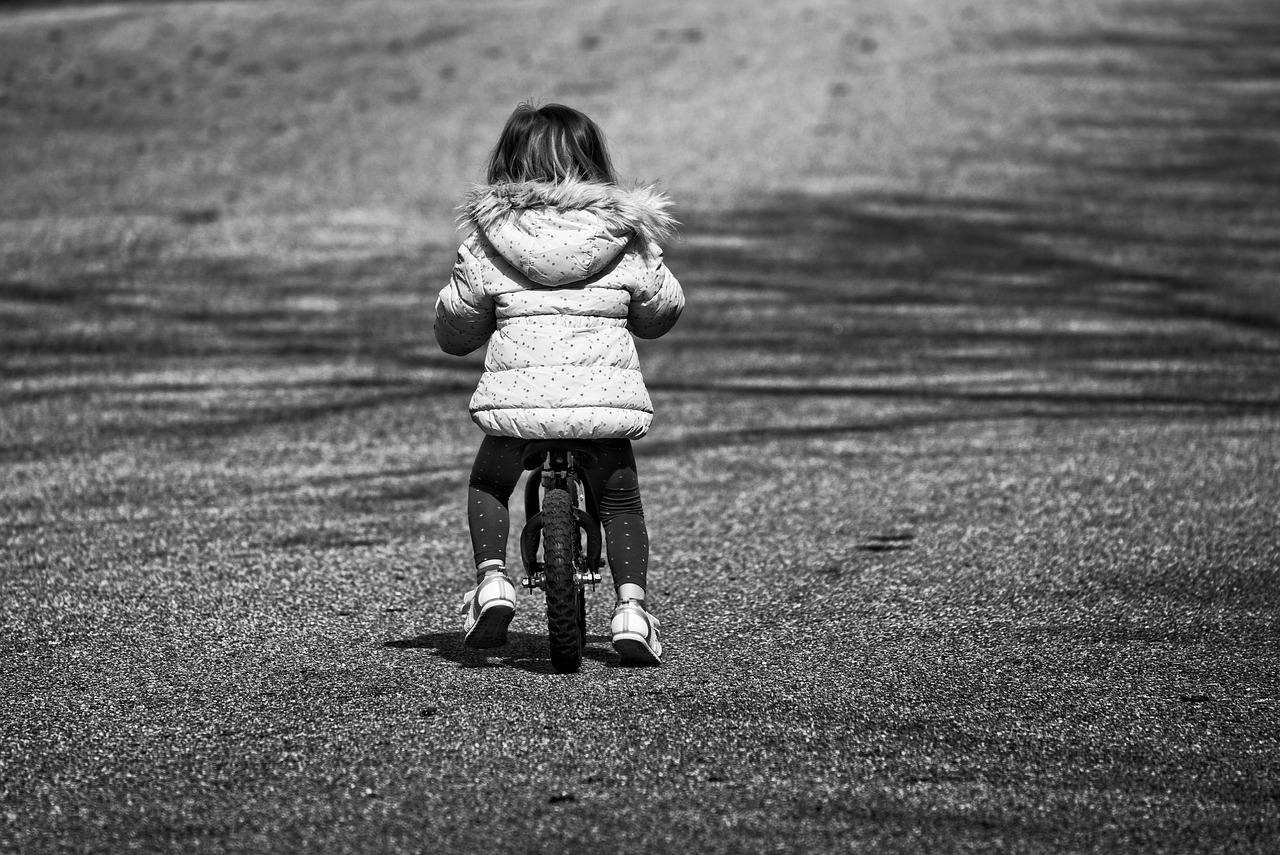
A balance bike is a pedal-free bicycle designed for children aged 18 months to 5 years to master steering and upright equilibrium using their feet on the ground. By removing pedals, cranks, and chains, it isolates core balancing skills so young riders can transition directly to a two-wheeled pedal bike without needing stabilisers.
This simple pedal-less bicycle design allows toddlers and young children to walk, run, and glide on two wheels while staying in full control of their speed and stability. Rather than dividing their attention between pedalling, steering, and balancing all at once, children focus purely on weight distribution and body position. Once balance becomes second nature, adding pedals later takes minimal effort, making the learning curve faster and safer than traditional training wheel methods.
Why choose a balance bike over stabilisers?
For decades, training wheels (stabilisers) were the standard method for teaching young children how to ride. However, stabilisers often create a false sense of security and instil counterproductive riding habits. On a bike equipped with training wheels, a child learns to lean outward into turns to engage the support wheel, which is the exact opposite of how a true two-wheeled bicycle corners. They rely on rigid side supports rather than developing dynamic balance and weight shifting.
A balance bike teaches correct riding mechanics from the very first ride:
- Dynamic leaning: Children learn to lean into turns naturally, balancing gravitational forces against forward momentum.
- Tactile speed control: Pushing off and braking with their feet gives riders instant, intuitive speed regulation without relying on hand brake levers before their grip strength develops.
- Terrain flexibility: Without wide stabiliser arms catching on bumps, rocks, or sloped pavement, young riders can navigate grass, dirt paths, and uneven surfaces smoothly.
- Lighter frame weight: Balance bikes lack heavy drivetrain components, weighing between 2.5 kg and 4 kg, which allows a toddler to pick up, turn, and manoeuvre the bike independently.
When a child starts on a balance bike, balance is mastered first. When pedals are eventually added, the transition takes a fraction of the time required by children trained on stabilisers—often taking just a single afternoon.

How do you choose the right size balance bike?
Size is the single most critical factor when selecting a balance bike. A bike that is too large will undermine your child’s confidence, make stopping difficult, and increase the risk of falls. Buying a balance bike with the intention of having a child “grow into it” often leads to frustration and delayed progress.
To get an accurate fit, measure your child’s inner leg inseam rather than relying solely on overall height or age guidelines:
- Have your child stand straight against a flat wall wearing their normal riding shoes.
- Place a hardcover book flat against the wall, sliding it up between their legs until it rests gently against their crotch (simulating a bike saddle).
- Mark the top edge of the book against the wall and measure straight down from that point to the floor.
Matching inseam to seat height
The minimum seat height of the balance bike should match your child’s inseam measurement, or sit roughly 1 cm to 1.5 cm below it. When seated on the saddle, your child must have both feet planted flat on the ground with a slight bend in their knees. This flat-footed stance is essential for pushing off effectively, striding comfortably, and bringing the bike to a safe, controlled stop.
The 30 percent weight rule
For an average 2-year-old weighing 12 kg, the bike should ideally weigh under 3.6 kg. A lighter bike enables your child to push, steer, and lift the frame off the ground independently after an inevitable bump or tumble.
What frame materials and tyre options are available?
Balance bikes come in a variety of frame materials and wheel setups, each offering distinct trade-offs in weight, durability, weather resistance, and ride comfort.
| Material / Feature | Advantages | Disadvantages | Best Suited For |
|---|---|---|---|
| Aluminium Frame | Ultra-lightweight, rust-proof, durable, strong resale value | Higher initial purchase price | Toddlers under 3 years old and daily outdoor riding |
| Steel Frame | Sturdy, budget-friendly, highly impact-resistant | Heavier, vulnerable to rust if left outdoors | Budget-conscious buyers and taller or older children |
| Wooden Frame | Eco-friendly, stylish aesthetic | Limited seat adjustment range, sensitive to moisture | Indoor play and dry, smooth pavement |
| EVA Foam Tyres | Puncture-proof, zero maintenance, lightweight | Lower traction on wet surfaces, less shock absorption | Young toddlers, paved footpaths, indoor use |
| Pneumatic Air Tyres | Superior grip, excellent shock absorption on rough ground | Requires air pumping, risk of punctures, adds weight | All-terrain riding, gravel paths, and grass inclines |
Brands such as Strider are widely recognised for their lightweight aluminium frames and tool-free adjustability, making them a popular, accessible choice for young toddlers starting out. Other brands like Woom offer high-end options equipped with child-proportioned rear hand brakes, specialized geometry, and pneumatic air tyres at a higher price point.
What features should you look for before buying?
Beyond basic frame sizing and tyre choices, specific structural design features can significantly affect ride quality, comfort, and safety:
- Scooped saddle geometry: A dedicated balance bike saddle features a scooped, ergonomic shape. Flat pedal bike saddles tend to let toddlers slide forward towards the handlebars while striding.
- Integrated footrests: Footrests located near the rear chainstays give children a place to rest their feet once they reach higher gliding speeds. Ensure footrests do not protrude outward where they could catch on calf muscles during pushing strokes.
- Steering limiters: A steering limiter prevents the handlebars from turning a full 360 degrees, reducing sharp jackknife turns that cause forward falls. While helpful for early beginners, advanced riders benefit from removing the limiter to practice tighter turns.
- Brake options: Most basic balance bikes rely exclusively on shoe soles for stopping. However, models fitted with a rear hand brake featuring short-reach levers allow children to learn hand braking mechanics early and prevent premature shoe wear on sloped terrain.
How do balance bikes support child development?
The physical and cognitive benefits of riding a balance bike go far beyond preparing for two-wheeled cycling. According to guidelines from the American Academy of Pediatrics, early physical activity and active play play a key role in developing essential motor coordination and physical confidence.
Riding a balance bike builds physical skills across several key areas:
- Gross motor development: Operating a balance bike engages core, back, leg, and arm muscles simultaneously. Coordinating leg pushing with upper-body steering builds cross-body motor control and strength.
- Proprioception and spatial awareness: Proprioception is the body’s internal sense of self-movement and spatial positioning. Gliding over varied terrain teaches young riders to continuously assess speed, distance, slope, and balance adjustments.
- Independence and confidence: Unlike bicycles with training wheels that require constant adult steadying, a balance bike gives children complete control over their speed and stopping. This autonomy fosters self-reliance and enthusiasm for outdoor activity.

How to teach your child to ride a balance bike: Step-by-step
Teaching a child to ride a balance bike requires patience and positive reinforcement. Follow this progressive step-by-step approach to help your child build confidence:
- Fit safety equipment: Always fit a properly sized helmet before every riding session (for details on proper helmet fitting, see Child Seat for Bicycle: Safe Rides for Your Little One for safety standards). Ensure your child wears closed-toe shoes with grippy soles to protect their feet while striding and stopping.
- The “Stand and Walk” stage: Initially, your child may simply stand over the frame and walk forward while holding the handlebars, without sitting on the saddle. Allow them to explore this stage at their own pace to build familiarity with steering and frame weight.
- Seated striding: As comfort increases, encourage your child to sit down on the saddle while walking. Their legs will naturally move in an alternating walking pattern, taking weight off their legs and distributing it onto the saddle.
- Long strides and pushing: Once seated walking is comfortable, prompt your child to push off using stronger, longer leg strides to build forward momentum.
- Gliding on two wheels: When sufficient speed is reached, encourage your child to lift both feet off the ground (or place them on integrated footrests) to glide. Practice gliding across flat, smooth asphalt or gentle grassy slopes.
- Controlled turning and stopping: Teach your child to bring the bike to a stop using both feet flat on the ground. Practice broad, wide turns before attempting tighter maneuvers around gentle obstacles.
How to transition from a balance bike to a pedal bike
The step from a balance bike to a traditional pedal bicycle is usually fast because the most challenging aspect—upright equilibrium—has already been mastered. Children transitioning from balance bikes rarely require training wheels at all.
Indicators of readiness
Your child is likely ready for pedals when they consistently demonstrate these riding habits:
- Sustained gliding on two wheels for 5 to 10 seconds without dropping their feet.
- Confident steering around corners and obstacles while gliding.
- Controlled stopping using their feet or hand brakes without losing balance.
- Exhibiting curiosity about riding a pedal bike like older children or adults.
Steps for a smooth pedal transition
Select a lightweight pedal bike (typically with 12-inch or 14-inch wheels) and set the saddle height low enough so their feet can rest flat on the ground. If your child seems hesitant, remove the pedals initially so they can get used to the weight and steering geometry of the new frame as a balance bike first.
Once comfortable, reinstall the pedals. Hold the child gently by their shoulders or upper jacket (avoid holding the handlebars) to support them while they place their feet on the pedals. Have them push off with one strong stride, place both feet on the pedals, and turn the cranks forward. Most balance bike riders start pedalling independently within 15 to 30 minutes.
Common mistakes and how to fix them
Avoid these frequent mistakes when selecting and using a balance bike:
- Buying an oversized bike: Purchasing a frame that is too large forces children onto their tiptoes, which eliminates stopping control and causes anxiety. Always prioritize current inseam fit over room to grow.
- Incorrect saddle height: Setting the saddle too high prevents flat-footed stopping, while setting it too low restricts full stride leg motion. Adjust the seat height regularly as your child grows.
- Skipping head protection: Even at slow walking speeds, head protection is mandatory. Establishing good helmet habits early ensures safety across all future cycling.
- Riding on challenging surfaces too early: Avoid deep gravel, loose sand, or steep paved hills during early learning. Begin on flat, smooth asphalt, tarmac, or short, firm lawn grass.
- Rushing the process: Avoid forcing a child to glide or move up to pedals before they are fully comfortable striding at speed. Let your child set the pace.
Who is a balance bike not suitable for?
While balance bikes suit most toddlers, they are not ideal for every child or circumstance:
- Older children over 6 years old: Standard toddler balance bikes are designed for heights up to roughly 105 cm. Older children learning to ride need larger-framed balance bikes or a standard pedal bike with the pedals temporarily removed.
- Infants under 18 months: Children who cannot walk, run, and squat with stable motor control lack the core stability required for a two-wheeled balance bike. Ride-on rocker toys or four-wheeled balance toys are better stepping stones for this age group.
- Long-distance family rides: Toddlers on balance bikes tire quickly over longer distances. For extended family outings over several miles, a bicycle trailer, rear child seat, or tow bar is more practical until the child can ride a pedal bike.
Frequently asked questions
What age is best to start with a balance bike?
Most children can start using a balance bike between 18 months and 3 years old. The best indicator is physical mobility: if your child can walk and run with confident stability, they are physically ready to begin striding on a balance bike.
How do I choose the right size balance bike?
Measure your child’s inner leg inseam while they are wearing shoes, and select a bike with a minimum seat height equal to or slightly lower than that measurement. Your child must be able to sit squarely on the saddle with both feet resting flat on the ground and a slight bend in their knees.
Do balance bikes have brakes?
Many entry-level balance bikes rely on the child using their feet against the ground to stop. However, higher-end models feature rear hand brakes specifically designed with short-reach levers, which help teach braking control early and preserve shoe soles on sloped terrain.
Are balance bikes safer than bikes with training wheels?
Yes, balance bikes are generally safer because they allow young riders to keep their feet close to the ground and stop instantly at any time. They also teach natural leaning and weight management, preventing the unexpected tipping hazards common with rigid training wheels.
How long does it take a child to learn on a balance bike?
Most toddlers learn to walk and stride with a balance bike within their first few sessions. Mastering gliding, turning, and controlled stopping typically takes between two weeks and a few months depending on practice frequency and individual motor development.
What is the average cost of a balance bike?
Prices typically range from around £50 for basic steel or plastic models up to £150 or more for lightweight aluminium bikes featuring air tyres and hand brakes. Higher-end models offer superior durability, lighter weight, and better resale value.