
 By Hashim Hashmi
Women’s bicycle shorts are specialized athletic bottoms crucial for comfortable cycling, featuring a female-specific chamois pad, moisture-wicking fabrics, and secure leg grippers designed to prevent chafing and reduce pressure on sit bones. They are engineered to be worn without underwear, directly against the skin, to transform rides into smooth, pain-free experiences.
Most cyclists quickly learn that riding in street clothes or standard athletic wear leads to chafing, bunching fabric, and painful pressure points. Standard gym shorts lack the foam architecture needed to protect soft tissues against a hard bike saddle. Investing in a proper pair of women’s shorts transforms hours in the saddle from an endurance test into a smooth, pain-free ride. Whether you are commuting, training for long road rides, or tackling gravel trails, choosing the right pair is essential for comfort and performance.
What Makes Women’s Bicycle Shorts Different from Men’s?
Women’s bicycle shorts are built around female anatomy, specifically accounting for pelvic structure, ischial tuberosity (sit bone) spacing, and soft tissue sensitivity. A unisex or men’s short generally features a narrower rear padding area and a longer front section, which can cause severe pressure or excess fabric bunching on a female rider.
The core differences include:
- Chamois shape and width: Women’s chamois pads are wider at the rear to match broader sit bone placement and shorter front-to-back to prevent unwanted material in the front.
- Pressure-relief channels: The center channel is contoured to relieve pressure on delicate soft tissue, whereas men’s pads focus pressure relief along a central channel running further forward.
- Waistband cut: Women’s waist shorts feature a higher rise at the back and a V-shaped or wider, non-binding front band to prevent the waist from digging into the abdomen while bent forward in a riding posture.
- Torso length on bibs: Women’s bib straps are positioned wider apart across the chest or feature a central Y-strap design to fit comfortably over or around the bust.
What Are the Key Components of a Quality Cycling Short?
Understanding how cycling shorts are constructed helps you evaluate quality and predict how a pair will perform on long rides.
Every quality pair relies on five main design elements:
- The Fabric: High-grade shorts blend synthetic nylon or polyester with elastane (Lycra/spandex). This blend offers four-way stretch, active moisture management to pull sweat off skin, and mild muscle compression to lower fatigue.
- The Chamois (Pad): The cushioned foam insert sewn into the crotch. High-end pads use multi-density open-cell foam that cushions heavy impacts while remaining breathable.
- The Waistband or Straps: Waistbands must anchor the shorts without constricting breathing. Bib straps replace the waist elastic entirely with breathable mesh bands over the shoulders.
- Leg Grippers: Wide elastic bands lined with microscopic silicone dots or laser-cut compression grippers hold the thigh hems firmly in place so they do not ride up during pedal strokes.
- Flatlock Seams: Off-center, flat-stitched seams eliminate thick ridges of material that cause seam rub against inner thigh skin.
How Do You Choose Between Waist Shorts, Bib Shorts, or Padded Liners?
Choosing between standard waist shorts, bib shorts, or liner shorts depends on ride duration, personal preference, and bathroom convenience.
Standard Waist Shorts rely on a soft, wide elastic band around the waist. They are fast to pull on and easy during bathroom breaks. However, the waistband can roll over or dig into your stomach when you tuck down into low handlebars, and the chamois can occasionally shift downward during long efforts.
Bib Shorts replace the waist elastic with shoulder straps. Because there is no waistband, bibs never dig into your stomach and hold the chamois firmly against your body throughout the entire pedal stroke. The primary drawback is taking bathroom breaks, which traditionally required taking off your jersey. Modern designs address this with drop-tail, halter-neck, or rear-zip access points (such as Endura’s FS260 DropSeat system), allowing quick bathroom access without removing upper layers.
Cargo or Pocket Shorts are another popular choice, often found in both waist and bib styles. Brands like Baleaf, Heathyoga, and Rapha incorporate stretchy side leg pockets capable of holding a phone, snacks, or small tools, making them ideal for long adventure rides where extra storage is beneficial.
Padded Liner Shorts are designed to be worn underneath baggy mountain bike shorts, casual shorts, or even dresses. They offer the necessary chamois padding but provide a more relaxed, non-cycling specific outer appearance. They are excellent for mountain biking, commuting, or any ride where you prefer a less form-fitting look off the bike.
| Short Style | Waistband Comfort | Chamois Stability | Bathroom Convenience | Best Riding Use |
|---|---|---|---|---|
| Waist Shorts | Moderate (can roll or dig) | Moderate | High (quick and easy) | Short commutes, spin class, recreational rides |
| Standard Bib Shorts | High (no waistband pressure) | Exceptional (zero shift) | Low (requires jersey removal) | Road riding, long distance endurance |
| Drop-Seat Bib Shorts | High (no waistband pressure) | Exceptional (zero shift) | High (zipper or stretch flap) | All-day road riding, touring, gravel |
| MTB / Baggy Liner Shorts | Variable (worn under shorts) | Moderate to High | Moderate | Mountain biking, casual town riding, under dresses |
How Do You Choose the Right Chamois Pad Density and Thickness?
A common mistake is assuming that a thicker chamois always provides better comfort. Excessively thick or squishy foam bunches up inside the groin, leading to increased friction, sweat build-up, and painful chafing.
Pad selection should match your riding style and position:
- Endurance Road and Gravel (2+ Hours): Requires medium-thickness, high-density foam (ranging between 80 kg/m³ and 120 kg/m³ density). High-density foam supports sit bones without bottoming out under your body weight over several hours.
- Racing and Short Time-Trials: Demands a thin, minimalist pad. In aggressive, forward-leaning positions, heavy padding creates pressure in the perineal region; a firm, low-profile pad protects key contact points without bulk.
- Casual and Urban Riding: Works best with a medium-density, flexible chamois that offers light cushioning without feeling cumbersome when walking off the bike.
Look for smooth top-sheets made with anti-bacterial face fabrics. Micro-perforated channels inside the foam core allow heat and perspiration to evaporate rapidly, keeping skin dry.
How Should Women’s Bicycle Shorts Fit on Your Body?
Fit is the single most critical factor in preventing discomfort. Even the most expensive shorts will cause sores if they do not fit correctly.
Steps to Ensure a Correct Fit
Follow these steps when trying on a new pair of shorts:
- Remove all underwear: Bike shorts are engineered to sit directly against bare skin. Underwear adds cotton seams that create severe friction and trap moisture.
- Pull the shorts high into the crotch: Ensure there is no gap or air space between the chamois pad and your skin. The chamois must sit flush against your body.
- Assume the riding position: Bend at your hips, hinge forward, and place your hands forward as if holding handlebars. Check if the waistband digs in or if bib straps feel overly tight across your shoulders.
- Check compression across the thighs: The fabric should feel snug like a firm second skin without cutting off circulation or creating a bulging “sausage leg” effect at the leg grippers.
- Inspect for loose fabric: Excess material anywhere on the buttocks, legs, or chamois will fold over and chafe during pedaling. If the fabric wrinkles easily, size down.
Who Standard Fits Do Not Suit
Riders with an extra-long or short torso may find standard bib straps too tight or loose. If you have a long torso, look for bib shorts constructed with high-stretch mesh straps or adjustable halter necks. If you have sensitive skin or leg swelling, avoid narrow, tight elastic leg bands; instead, choose laser-cut leg cuffs with wide, flat silicone grippers.
How to Wear Women’s Cycling Shorts
Proper wearing of women’s cycling shorts extends beyond just fit to include pairing them with other apparel and understanding their functional purpose. Always wear cycling shorts without underwear, as the chamois is designed to be the only layer against your skin, managing moisture and reducing friction. For road cycling, pair them with a moisture-wicking jersey that complements the shorts’ performance. For mountain biking or casual rides, padded liner shorts can be worn discreetly under baggy shorts or even a dress, offering comfort without the typical form-fitting aesthetic.
Consider the inseam length based on your preference and riding style. Common inseam lengths include 7-inch and 9-inch options. A longer inseam offers more coverage and can prevent chafing higher on the thigh, while a shorter inseam might be preferred for warmer weather or by riders who prefer less fabric. Women’s bike shorts with pockets, often on the side of the thigh, are excellent for carrying essentials without needing a jersey with rear pockets or a separate bag.
How to Prevent Saddle Sores and Friction Issues
Saddle sores are skin irritation, hair follicle inflammation, or fluid-filled bumps caused by friction, heat, and moisture in the saddle area. Preventing them requires smart gear habits and good hygiene.
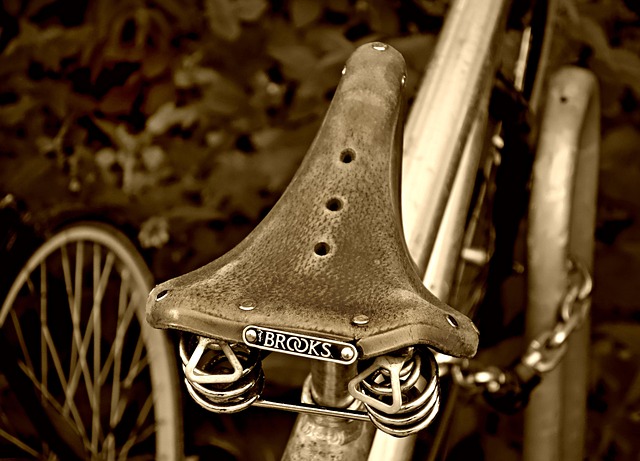
Apply these practical solutions to prevent skin breakdown:
- Never wear underwear: Always wear cycling shorts directly against your skin. Underwear seams act like sandpaper against skin under constant body weight.
- Use chamois cream when necessary: On rides longer than two hours, apply an anti-bacterial chamois cream either directly to your skin or to the top surface of the chamois pad. This reduces friction between your body and the pad fabric.
- Change immediately post-ride: Remove damp cycling shorts right after finishing a ride. Bacteria multiply quickly in warm, damp chamois foam. Wash the seating area with mild soap immediately.
- Check saddle tilt and height: If you experience persistent inner thigh rubbing or pressure despite wearing fitted shorts, your saddle may be set too high or angled improperly.
How Do You Wash and Maintain Cycling Shorts So They Last?
Proper cleaning preserves elasticity, prevents antibacterial treatment breakdown, and keeps foam densities firm over thousands of miles.

Follow this step-by-step care routine after every ride:
- Wash after every single use: Never wear cycling shorts twice without washing. Sweat salts and skin oils break down Lycra fibers and cultivate bacteria within the foam pad.
- Pre-rinse or wash inside out: Turn shorts inside out so the chamois receives direct exposure to water and detergent. Place them in a mesh laundry bag to protect straps from catching on zippers.
- Use cold water and mild liquid detergent: Select a gentle wash cycle with cold water. Avoid powdered detergents that leave coarse residue inside the foam.
- Never use fabric softener: Fabric softeners coat performance synthetic fibers, clogging breathable pores and destroying moisture-wicking and elastic properties.
- Line dry only: Hang shorts to air dry in a well-ventilated area away from direct sunlight. Never put cycling shorts in a tumble dryer; heat melts Lycra elastic strands and deforms foam pads.
With proper care, high-quality shorts last between 1,000 and 3,000 riding miles. Replace your shorts when the chamois feels noticeably thin, the fabric becomes sheer, or the leg grippers lose elasticity.
How Do Specialty Shorts Differ Across Cycling Disciplines?
Different cycling disciplines place distinct demands on apparel design.
Road Riding: Features streamlined, highly compressive bib shorts designed for maximum aerodynamic efficiency and continuous seated pedaling over smooth pavement. These typically have no pockets, focusing purely on speed and aerodynamics.
Gravel Riding: Prioritizes storage and durability. Gravel shorts combine high-density padding for rough roads with abrasion-resistant side panels and mesh thigh pockets to carry extra gear, making them ideal for long, self-supported adventures.
Mountain Biking: Uses padded liner shorts worn underneath loose, durable trail shorts. The inner liner features highly breathable mesh side panels to maximize air movement inside baggy shorts on slow, technical climbs, offering protection from trail debris with the outer layer.
Commuting and Fitness Riding: Emphasizes quick convenience and discreet style. Discrete inner padded underwear or lightweight waistband shorts work well for short urban trips where you want comfort without looking like a full-road cyclist when stepping into a shop or office.
Sources: Shorts
Frequently Asked Questions
Do women need specific cycling shorts?
Yes. Women’s shorts feature anatomically tailored chamois pads that are wider at the rear and shorter in front, relieving pressure on soft tissues and matching female sit bone geometry.
How tight should women’s cycling shorts be?
They should fit like a firm second skin without restricting breathing or pedal movement. There should be no loose fabric, gaps, or folds around the crotch or thigh area.
Can I wear regular underwear under cycling shorts?
No. You should never wear underwear under cycling shorts. Underwear introduces thick seams and cotton fabric that trap moisture, leading directly to severe chafing and saddle sores.
How often should I replace my cycling shorts?
With proper cold-water care and air drying, quality cycling shorts last 1,000 to 3,000 miles (roughly 1 to 3 years). Replace them when the foam chamois stays flattened or the fabric becomes thin and see-through.
Are bib shorts better than waist shorts for women?
Bib shorts provide superior comfort on longer rides because they eliminate tight waistbands that dig into your stomach when leaned forward. Modern drop-tail designs also make bathroom breaks simple and quick.
What are women’s biker shorts?
The term “biker shorts” can refer to two things: performance-oriented cycling shorts with a chamois pad, or a fashion trend of snug, often unpadded, shorts worn for casual wear or light exercise. For cycling, always choose padded shorts designed for the bike.
Where can I buy women’s bike shorts?
You can purchase women’s bike shorts at dedicated cycling shops (locally or online), general sporting goods stores, and directly from clothing brands’ websites. When buying, ensure you can try them on to check the fit, especially the chamois and leg grippers.
Source: Britannica.
Related Articles
- Bike Power Metre: What You Need to Know
- Gravel Bike vs. Road Bike: Do You Need One or Can You Use the Other?
- Specialised Sirrus: Is This Fitness Bike Right for You?