
 By Hashim Hashmi
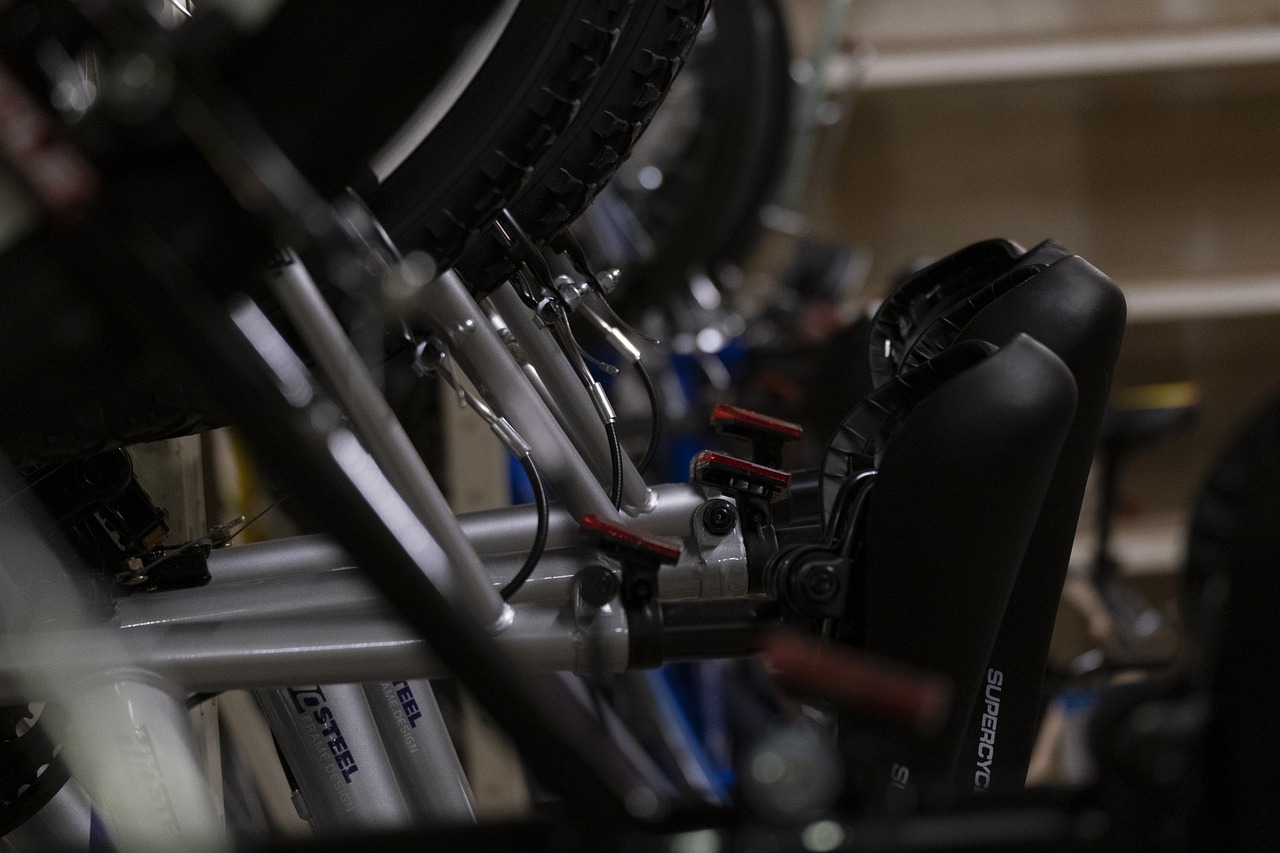
Choosing a child seat for a bicycle requires prioritizing essential safety features such as a five-point harness, adjustable footrests, and proper frame or rack compatibility. Front-mounted seats accommodate younger children up to 15kg and allow direct interaction, whereas rear-mounted seats support up to 22-25kg while offering greater stability and less impact on steering.
Proper installation and strict adherence to age and weight limits are critical for safety. Parents must also ensure the seat accommodates a helmet properly, check harness security before every ride, and remain mindful of how the added weight alters bike handling.


Child Seat for Bicycle: Front vs. Back Mounting Explained
The primary decision when selecting a child bike seat is whether to opt for a front-mounted or rear-mounted design. Each type offers distinct advantages and considerations regarding a child’s age, weight, and the overall cycling experience.
Child Seat for Bicycle Front (Front-Mounted Baby Seats)
Front-mounted seats position your child between your arms, typically on the handlebars or attached to the frame just in front of the rider. This setup is generally suitable for younger, lighter children.
- Age and Weight Limits: Generally, front seats are designed for children from around 9 months old up to approximately 3 years, with a maximum weight limit of 15kg (33 lbs). The child must be able to sit upright unassisted and have good head and neck control.
- Interaction and View: A significant advantage is the direct interaction it allows between the parent and child. Your child has an unobstructed view of the road ahead and can share the experience more intimately. Parents can easily talk to their child and monitor them.
- Bike Handling: Front seats can affect bike handling more noticeably than rear seats, especially for shorter riders or those with smaller bikes. The added weight over the front wheel can make steering feel heavier or less responsive. It may also require widening your stance slightly while pedalling.
Child Seat for Bicycle Back (Rear-Mounted Baby Seats)
Rear-mounted seats are the most common type, attaching either to the bicycle’s rear rack or directly to the seat tube of the frame. They are suitable for older and heavier children.
- Age and Weight Limits: Rear seats typically accommodate children from 9 months up to 6-7 years old, with weight limits ranging from 22kg (48.5 lbs) to 25kg (55 lbs). Always verify the specific seat’s limits.
- Stability and Space: These seats generally offer greater stability for the child due to their position over the rear wheel. They also free up space for the rider, maintaining normal legroom and riding posture.
- Bike Handling: While rear seats offer more stability than front seats, the added weight at the back of the bike can still alter handling. The bike may feel less agile, and climbing hills might require more effort. It’s crucial to practice riding with the added weight before taking your child along.
- Child’s View: The child’s view is primarily of your back, which can be less engaging than a front-mounted seat. Interaction is also more limited.
Comparing Front vs. Rear Child Bike Seats: A Quick Guide
| Feature | Front-Mounted Seat | Rear-Mounted Seat |
|---|---|---|
| Child’s Age/Weight | Younger, lighter (up to 15kg) | Older, heavier (up to 25kg) |
| Interaction | High (direct view, conversation) | Lower (child views rider’s back) |
| Rider’s View | Unobstructed | Unobstructed |
| Bike Handling Impact | More noticeable on steering, legroom | Less agile, affects climbing |
| Stability (for child) | Good | Excellent |
| Installation | Handlebar/frame clamp | Rack-mounted or frame-mounted |
What is the minimum age for a child bike seat?
Generally, a child should be at least nine months old and able to sit up unaided with good head control before using a child bike seat. This is a critical safety threshold. Some manufacturers may specify a slightly different minimum age, so always check the specific product’s recommendations. The ability to support their head and neck is paramount for safety, especially over bumps or during sudden stops.
Essential Safety Features for Any Child Bike Seat
Regardless of whether you choose a front or rear seat, certain safety features are non-negotiable. Prioritizing these will ensure your child’s well-being.
- Five-Point Harness System: This is the gold standard for child bike seats. A five-point harness secures your child at both shoulders, hips, and between the legs, preventing them from wiggling out or falling forward. Ensure the buckles are robust and easy for adults to operate but difficult for children.
- Adjustable Footrests with Straps: Footrests prevent your child’s feet from dangling into the spokes of the wheel. Adjustable footrests allow the seat to grow with your child, ensuring their legs are always properly supported and secured with straps to prevent them from moving their feet during the ride.
- High Backrest and Head Support: A high backrest provides crucial support for your child’s spine and head, especially important for younger children who might fall asleep. Look for models with adequate headrest clearance for a helmet.
- Helmet Compatibility: The design of the seat’s backrest should allow your child to wear a helmet comfortably without pushing their head forward. A good helmet fit is essential for head protection.
- Side Protection: Raised side panels offer protection in case of a fall and provide a sense of security for the child.
- Reflectors and Visibility: Integrated reflectors or bright colours can enhance visibility, especially if you plan to ride in low-light conditions.
- Quality Construction and Materials: The seat should be made from durable, impact-resistant, and non-toxic materials. Look for certifications from safety standards bodies where applicable.
Mounting and Compatibility: Ensuring Your Child Seat Fits Your Bicycle
Proper mounting is crucial for safety and stability. Not all seats fit all bikes, so understanding compatibility is key before purchase.
Frame-Mounted Child Seats
Many rear seats attach directly to the bicycle’s seat tube using a quick-release bracket. This type offers a suspension effect, as the seat flexes slightly with bumps, providing a more comfortable ride for the child. It typically works with most standard bicycle frames, but check for sufficient clearance between the seat and the rear wheel, especially on smaller frames or full-suspension bikes.
Rack-Mounted Child Seats
Some rear seats are designed to attach to a sturdy rear pannier rack. If you choose this option, ensure your bike has a compatible rack or that you purchase one that can support the combined weight of the seat and your child (usually rated for 25kg+). Always verify the rack’s weight capacity. Rack-mounted seats generally sit lower and offer a very stable ride.
Can I use a child seat on an e-bike?
It depends on the e-bike and the seat. E-bikes have different frame geometries, battery placements, and motor systems that can affect child seat compatibility. Some e-bike manufacturers may not approve child seats due to increased weight and torque, which can impact the bike’s balance, braking performance, and frame integrity. Always check with both the e-bike manufacturer (consult your e-bike manual or dealer) and the child seat manufacturer for compatibility and specific installation instructions before attempting to install a child seat on an e-bike. Special adaptors might be required for certain e-bike models.
Who the Advice Does Not Suit
While child bike seats are versatile, they are not suitable for all situations or all bicycles:
- Very young infants: Children under 9 months or those without strong head/neck control should never be in a bike seat.
- Full-suspension mountain bikes: Many frame-mounted seats are incompatible with full-suspension bikes due to moving suspension components and complex frame shapes.
- Carbon fibre frames: Clamping a child seat directly to a carbon fibre frame can cause damage due to clamping forces. Consult your bike manufacturer.
- Road bikes: The aggressive riding position and lightweight design of many road bikes make them unsuitable for carrying child seats.
- Car seat for bicycle: A car seat is designed for automotive use and cannot be safely adapted for a bicycle. Their weight, bulk, and attachment mechanisms are entirely incompatible with bicycle structures and safety requirements. Never attempt to use a car seat on a bicycle.
- Riders with pre-existing balance issues: The added weight of a child can significantly alter bike handling, requiring good balance and confidence from the rider.
Practical Steps for Safe Child Seat Use
Pre-Ride Checklist: Before Every Journey
It’s advisable to perform a quick visual check of all straps, buckles, and mounting hardware before every ride. This ritual takes mere seconds but can prevent serious issues.
- Harness Security: Ensure the five-point harness is correctly fastened and snug, but not overly tight. You should be able to fit one finger between the strap and your child’s chest.
- Foot Straps: Check that your child’s feet are securely strapped into the footrests, preventing them from touching the wheel spokes.
- Helmet Fit: Confirm your child’s helmet is properly fitted, level on their head, and the chin strap is snug.
- Seat Mounting: Give the seat a gentle wobble to ensure it’s firmly attached to the bike frame or rack with no excessive play.
- Bike Balance: Briefly test the bike’s balance with your child in the seat to get a feel for the altered weight distribution before setting off.
Installation Best Practices
A more thorough inspection of the seat’s condition and the bike’s mounting points should be done weekly or bi-weekly, or after any significant impact.
- Read the Manual: Always follow the child seat manufacturer’s specific installation instructions precisely. This is non-negotiable.
- Tools: Use the correct tools for installation. Do not overtighten bolts, but ensure they are secure.
- Clearance: For rear seats, ensure there’s adequate clearance between the child’s feet and the wheel, and between the seat and the saddle. For front seats, check handlebar and knee clearance for the rider.
- Weight Distribution: Once installed, practice riding the bike without your child first to get accustomed to the altered weight distribution and handling.
Affordable Child Bike Seats and Where to Buy
Yes, there are many budget-friendly options available, often ranging from £70 to £150. Brands like Schwinn, Ibera, and Evenflo offer reliable choices that balance cost and safety. When considering affordability, always ensure that essential safety features (like the five-point harness and adjustable footrests) are not compromised. Look for reputable brands that adhere to safety standards.
For those searching for specific retailers like “baby seat for bicycle Decathlon”, major sports retailers and online marketplaces are good starting points. They often stock a range of brands at various price points. However, the most important factor is always safety features and compatibility, not just the brand or retailer.
Related guides
Sources: Bicycle seat, Britannica
Frequently Asked Questions
What are the key safety features to look for in a child bike seat?
Essential safety features include a five-point harness, adjustable footrests with straps, a high backrest with helmet clearance, and proper frame or rack compatibility. It's also crucial to ensure the seat accommodates a helmet properly and to check harness security before every ride.
What is the difference between front-mounted and rear-mounted child bike seats?
Front-mounted seats are for younger children up to 15kg, allowing direct interaction and an unobstructed view for the child, though they can affect bike handling more. Rear-mounted seats support up to 22-25kg, offering greater stability and less impact on steering for the rider, but the child’s view is limited to the rider’s back.
How important are age and weight limits for child bike seats?
Strict adherence to age and weight limits is critical for safety. Front-mounted seats typically accommodate up to 15kg, while rear-mounted seats support up to 22-25kg. A child must also be at least nine months old and able to sit up unaided with good head control. Always ensure proper installation and check harness security before every ride.
What should parents consider about bike handling with a child seat?
Parents must remain mindful of how the added weight of a child seat alters bike handling. Front-mounted seats can make steering feel heavier and affect legroom, while rear-mounted seats can make the bike less agile and more challenging when climbing. Practice riding with the added weight to adapt before carrying a child.
Can I use a car seat as a child seat for a bicycle?
No, a car seat is specifically designed for automotive use and cannot be safely adapted for a bicycle. Car seats are too heavy, bulky, and lack the appropriate attachment mechanisms and safety features required for secure bicycle transport. Always use a purpose-built child bike seat that meets safety standards.