
 By Hashim Hashmi

The best bike helmets for 2026 prioritize advanced rotational impact protection, certified safety standards (CPSC, EN 1078, AS/NZS 2063), and a precise, comfortable fit for your head shape and riding discipline. Key features like ventilation, coverage, and weight should align with your specific needs, whether you’re tackling road, mountain, gravel, or urban commutes.
What Are the Best Bike Helmets for Safety in 2026?
The primary function of any bicycle helmet is to absorb and dissipate impact forces during a crash, protecting your skull and brain from direct trauma. Modern helmets construct their protective core from expanded polystyrene (EPS) foam, bonded beneath a thin, durable polycarbonate outer shell. When an impact occurs, the EPS foam compresses and deforms permanently, absorbing shock energy that would otherwise transfer directly to the skull.
While all certified helmets meet baseline safety requirements for linear impacts, advanced head protection focuses heavily on mitigating rotational forces. Traditional impact tests primarily evaluate direct linear impacts, but real-world cycling crashes almost always involve hitting the ground at an angle. This angled contact creates rotational acceleration, causing the brain to shear or twist inside the skull, which significantly increases the risk of concussions and more severe traumatic brain injuries.
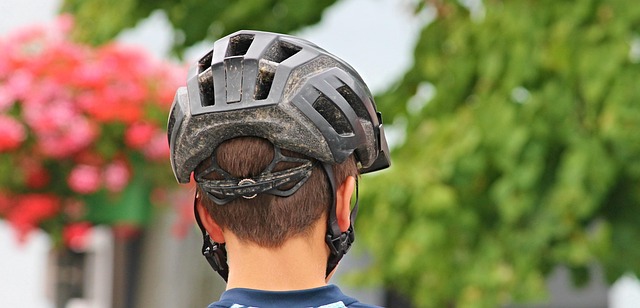
Do helmets with rotational protection really make you safer?
Yes, systems designed to reduce rotational forces significantly enhance safety by allowing the helmet to move independently of the head during an angled impact, redirecting energy away from the brain. Many manufacturers integrate low-friction protection systems inside the helmet shell:
- MIPS (Multi-directional Impact Protection System): This widely adopted system incorporates a thin, low-friction slip liner between the EPS foam and the helmet’s comfort padding. During an angled impact, the MIPS liner allows 10 to 15 millimetres of relative movement in all directions, effectively redirecting rotational energy away from the brain.
- Spherical Technology: Developed by Giro and Bell in partnership with MIPS, this design utilizes a unique ball-and-socket construction. An outer EPS liner rotates around an inner EPS liner during an impact, achieving rotational protection without a separate plastic slip liner.
- WaveCel: A proprietary cellular structure used in select Trek helmets. Upon impact, the WaveCel material is designed to crumple, fold, and glide, absorbing both linear forces and rotational energy.
- SPIN (Shearing Pad Inside): A silicon pad system developed by POC. These strategically placed pads allow the internal padding to shear in any direction relative to the head during an impact, helping to reduce rotational forces.
Which cycling helmets have the best safety ratings for adults?
Before any helmet reaches store shelves, it must pass rigorous testing mandated by government or regional safety bodies. These tests measure impact energy attenuation, strap retention strength, and roll-off stability to ensure a basic level of protection. When shopping for the best bike helmets, always verify that the helmet displays sticker certifications for your region:
- CPSC (US Consumer Product Safety Commission): This is the mandatory standard for all bicycle helmets manufactured for sale in the United States.
- EN 1078: The European safety standard governing bicycle, skateboard, and roller-skate helmets across Europe and the UK.
- AS/NZS 2063: This is the official safety standard for bicycle helmets sold in Australia and New Zealand.
While all certified helmets meet these baseline standards, additional third-party ratings from organizations like Virginia Tech’s Helmet Lab can provide further insight into a helmet’s safety performance, particularly regarding rotational impact protection. These ratings often use a star system, with more stars indicating better performance. Helmets that score 5 stars in these independent tests, especially those with advanced rotational protection, are considered among the safest available.
For individuals searching for “safe bike helmet,” prioritizing a helmet with one of the regional certifications (CPSC, EN 1078, AS/NZS 2063) and ideally a 4 or 5-star rating from independent labs like Virginia Tech is crucial. These ratings provide an objective measure of a helmet’s ability to protect against both linear and rotational impacts, which is essential for comprehensive safety.
How Should a Bike Helmet Fit on Your Head for Maximum Safety?
A helmet can feature the most advanced safety technology available, but if it does not fit your head correctly, its ability to protect you in a crash is severely compromised. A loose or mispositioned helmet can slip off during an impact, expose vulnerable parts of your forehead or temples, or cause painful pressure points that discourage consistent wear.
To establish a secure and comfortable fit, follow these key adjustment steps:
- Measure Your Head: Before buying, use a flexible tape measure to find your head circumference. Measure just above your eyebrows and ears, then compare this to the manufacturer’s sizing chart. Helmets are not one-size-fits-all, and a correct starting size is vital.
- Positioning on the head: Place the helmet level on your head so its front rim sits roughly one to two finger-widths above your eyebrows. The helmet must not tilt backward, exposing your forehead, or tip forward over your eyes. Ensure the helmet covers your entire forehead and the back of your head adequately.
- Adjusting the rear retention dial: Tighten the rear retention dial (often located at the back of the helmet) until the internal cradle fits snugly and evenly around the base of your skull. The helmet should stay in place with minimal wobble if you bend forward gently without the chin strap fastened. It should feel firm but not uncomfortably tight, and you shouldn’t be able to easily pull it off from the back or front.
- Setting the side straps: Adjust the strap sliders so the straps meet in a flat “Y” shape directly beneath each earlobe. Ensure neither side strap twists or rubs uncomfortably against your ears or jaw. The straps should not cover your ears.
- Securing the chin strap: Fasten the chin buckle and tighten the strap so you can comfortably slide only one finger between the strap and your chin. When you open your mouth wide in a yawn, you should feel the helmet pull down gently against the top of your head. This indicates a secure, yet not overly tight, fit.
- Final Check: With all straps fastened, try to move the helmet around your head. It should feel secure, move with your skin, and not slide more than an inch in any direction. If it wobbles, re-adjust the dial and straps.
An improperly fitted helmet is a common problem that severely compromises safety. If you experience pressure points or the helmet shifts excessively, it’s the wrong size or shape for your head, even if it has advanced safety features. Try a different model or brand, as internal shapes vary.
Best bike helmets for men, women, kids, adults, toddlers, and big heads
Most helmet manufacturers offer helmets in various sizes (e.g., Small, Medium, Large) corresponding to head circumference measurements in centimetres. Measure your head circumference just above your eyebrows and ears to find the right size range. While some brands offer “men’s” or “women’s” helmets, these distinctions are often more about colour schemes and padding thickness than fundamental fit differences. Most helmets are unisex.
For riders with larger-than-average heads, look for brands that offer XL or XXL sizes, as well as models specifically designed with a rounder internal shape to accommodate broader head profiles without excessive pressure points. Brands like Kask, Specialized, and Bell often have models known for accommodating different head shapes effectively.
For children and toddlers, proper fit is even more critical. Helmets for younger riders should offer the same snug, level fit as adult helmets, with particular attention to adjustability as children grow. Never buy a helmet for a child to “grow into,” as an ill-fitting helmet is ineffective. Helmets for adults, including those specified for men and women, follow the same fit principles as described above. Always ensure the helmet is CPSC-certified for children in the US, or meets the relevant standard in other regions. Look for easy-to-use buckles and adjustment systems to ensure parents can get a secure fit quickly.
What Type of Bike Helmet Do You Need for Your Riding Style?
Finding the best bike helmet requires matching key features like ventilation, shell coverage, weight, and aerodynamics to where and how you ride. A heavy, highly covered mountain bike helmet can feel hot on long road climbs, while a light road helmet lacks the rear coverage desired for technical trail riding.
Best bike road helmets
Road cyclists prioritize low weight, aerodynamic efficiency, and aggressive internal air channeling. High ventilation keeps your head cool during prolonged climbing efforts. Road models do not include visors, allowing an unobstructed field of view when riding in an aggressive, lowered position on drop handlebars. These are ideal for competitive road racing, long-distance touring, and fast-paced group rides. Trade-offs include less rear coverage and sometimes higher cost for top-tier aero models.
Best trail mountain bike helmet with MIPS / Good mountain bike helmets
Mountain bike (MTB) helmets feature extended rear and temporal coverage to protect against backward falls and impact with rocks or branches. They usually feature adjustable visors to shield your eyes from sun glare, rain, and low-hanging foliage. Trail and enduro helmets prioritize deep head coverage, goggle compatibility, and often have slightly fewer but larger vents for durability. Full-face MTB helmets are designed for downhill racing, bike park riding, and extreme terrain, featuring an integrated chin bar for maximum face and jaw protection. These helmets are essential for preventing facial injuries in high-speed, high-impact scenarios. When considering “which brands make the safest downhill helmets,” look for those offering full-face protection with MIPS or Spherical Technology, and robust construction. The premium price for these high-coverage, advanced protection helmets is often worth it for the significantly increased safety against severe facial and head trauma in high-risk riding.
Best bike helmets for commuting
Commuter and urban helmets prioritize everyday utility, durability, and high visibility on city streets. These models often feature a rounded shell aesthetic, integrated front or rear LED lights, reflective accents, and fewer open air vents to protect against sudden rain and offer a more casual look. They offer accessible options for daily utility riders who value practicality and visibility over pure aerodynamics or extreme coverage. They may be slightly heavier and offer less airflow than road helmets, which is a trade-off for their urban-specific features.
Gravel Cycling Helmets
Gravel helmets bridge the gap between road and mountain designs. They maintain lightweight construction and generous ventilation for long endurance rides on paved and dirt roads but often add a low-profile removable visor and slightly deeper rear coverage for extra protection on loose gravel descents and unexpected falls. They offer a versatile choice for riders who mix different terrains. They are a good all-rounder but might not excel in extreme aerodynamics or deep mountain bike coverage.

Comparing popular helmet types and options for the best bike helmets
To help narrow down your choices for the best bike helmets, this table compares key characteristics across major helmet categories and representative models:
| Helmet Model / Type | Primary Discipline | Key Safety Technology | Typical Price Range | Primary Advantage & Trade-off |
|---|---|---|---|---|
| Giro Aries Spherical | Road / Performance | Spherical Technology (MIPS) | £250 – £320 | Ultra-lightweight with class-leading airflow and advanced rotational protection; expensive. |
| ABUS PowerDome | Road / Fitness | EPS Impact Liner, Forced Air Cooling | £80 – £130 | Excellent ventilation and low weight at a moderate price point; base models may lack MIPS. |
| Sweet Protection Trailblazer Mips | Mountain / Trail | MIPS Rotational Protection, Variable Elasticity Shell | £140 – £200 | Deep coverage, sturdy adjustable visor, and robust protection for trail riding; slightly heavier than road options. |
| Specialized Mode | Commuter / Urban | MIPS Integration, Hidden Air Vents | £60 – £110 | Clean urban aesthetic, integrated light mount compatibility, and good everyday durability; heavier with less cooling airflow. |
When looking for “awesome bike helmets” or “coolest bike helmets,” consider that aesthetics often involve a balance with other features. A sleek road helmet might look “cool” but won’t offer the coverage needed for aggressive trail riding. Conversely, a robust full-face downhill helmet provides maximum protection but may not suit a casual commuter’s style or ventilation needs. Evaluate how the helmet’s appearance aligns with its function for your intended use.
What Key Features Should You Evaluate Before Buying a Good Bike Helmet?
When selecting from the best bike helmets, evaluate these specific design factors to ensure the helmet suits your physical needs, riding style, and budget:
- Rotational impact protection: Prioritize helmets that incorporate MIPS, Spherical, WaveCel, or SPIN technology to significantly lower rotational acceleration during angled falls. This is a critical safety upgrade that is increasingly standard in quality helmets for 2026.
- Ventilation design: Effective ventilation relies on large internal channels that draw fresh air in through the front and efficiently expel heat and moisture through rear exhaust ports. Road helmets often have more vents, while mountain and commuter helmets may have fewer but larger vents or more internal channeling to balance protection and airflow.
- Weight: Road and gravel helmets typically weigh between 200 and 280 grams, while feature-rich trail or commuter helmets weigh between 320 and 450 grams. Lighter helmets reduce neck fatigue on multi-hour rides, which can be a significant comfort factor.
- Visor functionality: Determine if you need a fixed visor (common on many MTB helmets), an adjustable visor that accommodates riding goggles (essential for enduro/downhill), or a visorless profile for road cycling aerodynamics. Some visors are also removable for versatility.
- Visibility enhancements: Commuters and night riders benefit significantly from features like built-in LED mounting points (or integrated lights), bright color schemes, or reflective accents integrated into the rear retention dial and straps. These features are vital for safety in urban environments or low-light conditions.
- Padding quality and maintenance: Removable, washable padding with antimicrobial treatments helps keep the helmet fresh, prevents sweat from dripping into your eyes, and extends the helmet’s hygienic lifespan. Plush, moisture-wicking padding also contributes significantly to overall comfort.
- Buckle type: While most helmets use a standard snap buckle, some higher-end models feature magnetic buckles (like Fidlock) which are easier to fasten and unfasten with one hand or while wearing gloves. This can be a significant convenience feature, especially in cold weather.
- Eyewear integration: For road and gravel riders, consider how well the helmet integrates with cycling glasses. Some helmets have specific ports to securely store glasses when not in use, preventing them from falling or scratching.
- Adjustability: Beyond the initial fit, look for helmets with easy-to-use retention systems (dials or sliders) that allow for fine-tuning the fit on the go, accommodating different hairstyles, or wearing a thin skull cap.
When considering “good bike helmets” or “recommended bike helmet,” it’s about finding the optimal balance of these features for your specific riding context and personal preferences. A helmet that is comfortable and well-ventilated is more likely to be worn consistently, which is the most important safety feature of all.
What Common Helmet Mistakes Should You Avoid?
Even high-end helmets fail to protect you if they are misworn or improperly maintained. Avoiding these frequent errors ensures your head remains fully protected on every ride:
- Incorrect positioning: Wearing a helmet pushed back on your head leaves your forehead completely exposed to direct impact. Always ensure the front rim sits just one to two finger-widths above your eyebrows. This ensures critical frontal lobe protection.
- Loose straps: Riding with loose side straps or an unclipped chin strap allows the helmet to roll off your head or shift significantly before you hit the ground, rendering it ineffective. A helmet must remain stable on impact.
- Continuing to use after a crash: This is a critical mistake. EPS foam is designed for single-impact compression. Once crushed during an impact, the foam structure stays permanently compressed and cannot absorb shock during a subsequent collision, even if the exterior polycarbonate shell shows no visible cracks or dents. Always replace a helmet immediately after any crash, no matter how minor it seems.
- Using an old or degraded helmet: Helmets degrade gradually over time due to environmental factors. Exposure to ultraviolet (UV) radiation from sunlight, body sweat salts, hair products, and ambient temperature swings weakens the plastic shell and EPS liner bond. Most manufacturers recommend replacing your bicycle helmet every 3 to 5 years of regular use, or immediately following any significant impact. The materials simply lose their protective properties over time.
- Improper cleaning products: Using harsh chemical solvents, petroleum-based cleaners, or strong detergents can chemically dissolve or weaken the EPS foam structure, compromising its protective capabilities. Stick to mild soap and water.
- Storing incorrectly: Leaving your helmet in a hot car or direct sunlight can warp the shell and degrade the foam, similar to aging. Always store in a cool, dry place.
How Do You Clean, Store, and Maintain Your Helmet?
Proper maintenance prolongs your helmet’s useful service life, maintains hygienic contact with your skin, and ensures it remains effective when needed:
- Cleaning the shell and straps: Wipe down the outer shell and exposed interior foam using a soft cloth or sponge moistened with warm water and mild soap (e.g., dish soap). Avoid chemical solvents, harsh detergents, or petroleum-based cleaners, as these can chemically dissolve the EPS foam structure or degrade the shell.
- Washing internal pads: Remove the fabric comfort pads carefully from their Velcro attachments. Hand wash them in cool water with mild liquid soap, rinse thoroughly, and let them air dry completely before reinserting them. Never place pads in a clothes dryer, as high heat can damage them. Regular washing of pads prevents unpleasant odors and sweat buildup.
- Storage environment: Store your helmet in a cool, dry place away from direct sunlight. Do not store a helmet on a hot car dashboard, near heating radiators, or inside unventilated vehicle trunks, as extreme thermal exposure can warp the shell and degrade the protective foam. Keep helmets away from stored gasoline, paint thinners, or cleaning chemicals, as their fumes can also cause damage.
- Safe transport: When traveling, carry your helmet in a soft helmet bag or place it carefully atop soft luggage items to prevent scratches, micro-cracks, or crushing from hard equipment. Avoid tossing it loosely into a gear bag where it can be damaged.
Sources: Bicycle helmet
Related guides
- Child Seat for Bicycle: Safe Rides for Your Little One
- Top Rated Commuter Bicycles: Your Daily Ride Upgrade
- Titanium Gravel Bikes: The Ultimate Ride for Adventure
Frequently asked questions
Are expensive bike helmets really safer?
All helmets sold legally must pass the same baseline safety tests (such as CPSC or EN 1078), meaning they offer a minimum level of protection. Higher-priced helmets typically invest in advanced rotational impact technology like MIPS, lighter weight materials, improved aerodynamic design, superior ventilation, and better comfort features rather than just higher linear impact absorption numbers. These advanced features do enhance safety and rider experience.
How often should I replace my bike helmet?
You should replace your helmet every 3 to 5 years of active use due to natural material degradation from UV light, sweat, and environmental exposure, even if it looks fine. You must replace a helmet immediately after any impact or crash, even if there is no visible external damage, as the internal foam can be compromised.
What does MIPS mean on a bike helmet?
MIPS stands for Multi-directional Impact Protection System. It is an internal low-friction layer integrated into the helmet that allows the helmet shell to rotate slightly around the head during an angled impact, effectively reducing rotational forces transferred to the brain and mitigating the risk of certain brain injuries.
Can I wear a ski helmet for cycling?
No, ski helmets are designed for cold conditions and different impact dynamics, primarily protecting against multiple lower-speed impacts in a colder environment. They lack the specific ventilation needed for high-exertion cycling and are tested under different safety standards. Always wear a helmet explicitly certified for bicycle use (CPSC, EN 1078, or AS/NZS 2063).
How tight should a bike helmet be?
A bike helmet should fit snugly around your head without causing uncomfortable pressure points or headaches. When you tighten the rear adjustment dial and buckle the chin strap with one finger-space underneath, shaking your head gently side-to-side should cause minimal shift or movement of the helmet relative to your head.
Source: Britannica.