
 By Hashim Hashmi

Top rated commuter bicycles combine durable frames, reliable braking, and comfortable geometry, with hybrids like the Specialized Sirrus X leading for versatile city travel, electric bikes handling long or hilly routes, and compact folding bikes solving tight storage and multi-modal transit needs. Selecting the best model depends on your daily commute distance, terrain gradient, and cargo requirements.
A daily commuter bicycle functions as essential personal transport. Unlike lightweight road bikes or mountain bikes, dedicated commuter bikes prioritize mechanical reliability, low-maintenance components, rider comfort, and utility for carrying work gear. Evaluating options requires matching the bike’s design—such as frame material, braking type, drivetrain gearing, and tyre clearance—to the specific demands of your daily route and secure storage availability.
Which category of commuter bicycle fits your route?
Choosing among top rated commuter bicycles requires looking at distance, road surface quality, incline severity, and storage at both ends of your ride. A bike well-suited for a flat three-mile urban run may prove frustrating on an eight-mile suburban route with steep climbs and coarse asphalt. The comparison table below outlines how primary commuter bike categories perform across practical real-world criteria.
| Category | Ideal Distance | Terrain & Surface | Practical Advantages | Key Trade-Offs | Unsuitable For |
|---|---|---|---|---|---|
| Hybrid Bikes | 2–10 miles | Pavement, light gravel, urban potholes | Upright visibility, rack/mudguard mounts, durable components | Heavier than road bikes, higher aerodynamic drag | High-speed group pacelines or fast road racing |
| Electric Assist (E-Bikes) | 5–20+ miles | Hilly streets, long suburban corridors | Flattens steep climbs, prevents sweating, carries heavy cargo | Heavy overall weight (20–26kg), higher cost, battery charging needed | Carrying frequently up narrow, multi-story apartment stairs |
| Folding Bikes | 1–6 miles (+ transit) | Smooth urban pavement, paved paths | Allowed on train peak hours, stores under office desk, zero outdoor theft risk | Smaller wheels give harsher ride over potholes, limited luggage weight | Long-distance gravel riding or high-speed touring |
| Flat-Bar Road Bikes | 4–12 miles | Smooth tarmac, direct bike lanes | Fast rolling speed, light frame, nimble flat-bar steering | Stiffer ride quality, lower clearance for wide tyres | Heavy off-road tracks or carrying heavy cargo panniers |
| Internal Hub / Belt Drive Bikes | 2–10 miles | All-weather city roads, rain and snow | Sealed internal gears, grease-free carbon belt replaces chain, minimal maintenance | Higher initial cost, slightly heavier rear wheel | Field repairs on gear internals without specialist tools |
How do hybrid bikes perform on daily city commutes?
Hybrid bicycles remain the default choice for urban travel because they merge the upright seating position and wider tyres of a mountain bike with the efficient rolling geometry of a road bike. The frame posture elevates your sightline in busy traffic and reduces muscular tension across your neck, shoulders, and lower back.

Most hybrid frames accept tyre widths between 35mm and 42mm. This added air volume creates a dampening cushion over cracked tarmac, drain covers, and minor road debris without introducing excessive drag. Modern hybrids typically feature single-chainring (1x) or double-chainring (2x) drivetrains paired with wide-range rear cassettes, simplifying gear changes while providing low gear ratios for steep urban hills.
Frame eyelets come pre-installed on standard hybrids, allowing direct mounting of full-length mudguards and rear pannier racks rated for 25kg loads. A daily rider negotiating broken city asphalt and stopping for groceries benefits from a hybrid’s sturdy aluminum frame, wide gear range, and secure accessory attachment points.
Who it does not suit: Riders looking to maintain high speeds above 18–20 mph over long distances will find the upright posture creates noticeable aerodynamic drag. Similarly, commuters who must take their bikes onto crowded peak-hour trains will find a full-size hybrid difficult to maneuver and store.
When should you choose an electric assist e-bike?
Electric commuter bikes use pedal-assist motors that activate power only when you pedal, making steep hills manageable, countering strong headwinds, and allowing you to haul cargo without physical exhaustion. This technology widens the distance thresholds of bike commuting, allowing riders to replace car or transit journeys on longer suburban routes.
As of July 2026, e-bike technology features highly integrated designs. Modern e-commuters utilize either mid-drive motors positioned at the bottom bracket or hub motors built into the rear wheel. Mid-drive systems offer balanced weight distribution and responsive pedal feel by matching assistance directly to your pedaling force. Integrated lithium-ion batteries ranging between 400Wh and 625Wh capacity typically deliver 30 to 70 miles of realistic riding range depending on assistance mode, topography, and total payload.
Electrically assisted models prove valuable for commutes exceeding 5 to 8 miles each way, routes with significant elevation gain, or riders commuting in formal business attire who want to avoid sweating. For example, a rider traveling 12 miles each way across rolling terrain can maintain a steady 15 mph speed with moderate assist power, completing the trip efficiently without requiring an immediate shower upon arrival.
Trade-offs and limitations: E-bikes weigh significantly more than standard bikes, generally averaging between 20kg and 26kg. This extra mass makes them difficult to lift onto car racks or carry up staircase apartments. They also carry a higher initial purchase price and require access to a secure electrical outlet for charging. If you need a bike for commuting that requires zero battery management or light lifting, a traditional non-electric bike remains more practical.
Why are folding bikes suited for multi-modal travel?
For commuters who combine cycling with train, subway, or bus travel, a folding commuter bicycle offers unmatched convenience. By collapsing frame joints, seatposts, and handlebars, these bicycles shrink into compact packages that can be carried onboard public transit during peak hours when full-sized bicycles are prohibited.
The primary distinction among folding bikes lies in wheel size. Compact 16-inch wheel models achieve the smallest folded footprint, allowing them to tuck neatly beneath train seats or inside office storage lockers. Models with 20-inch wheels offer a slightly smoother roll over coarse roads and closer handling characteristics to standard bikes, though they fold into a larger package.
Storing a folded bicycle inside your workspace completely eliminates outdoor theft risk—a major advantage in high-crime urban centers. Modern folding frames are engineered with secure hinge clamps and quick-release mechanisms that allow folding and unfolding within 15 to 30 seconds.
Trade-offs and limitations: The smaller wheel diameter provides less gyroscopic stability and transfers more road vibration directly to the rider over potholes or rough cobblestones. Long, adjustable seatposts and handlebar stems can exhibit slight flex under heavy pedal forces. Also, luggage options are usually limited to specialized front block bags or compact rear racks designed specifically for the folding frame geometry.
Are flat-bar road bikes better for paved speed?
Flat-bar road bikes combine a lightweight road bicycle frame and fast-rolling 28mm to 32mm tyres with flat handlebars. This combination provides a slightly forward-leaning posture that reduces wind resistance compared to a hybrid while offering superior brake control and wider traffic awareness than traditional drop handlebars.
These bikes typically feature compact road chainsets paired with tight-ratio cassettes, enabling high top speeds on smooth, flat tarmac stretches. The lower overall bike weight makes accelerating from traffic lights effortless and climbing short, steep ramps fast.
Trade-offs and limitations: Flat-bar road bikes sacrifice tyre clearance and comfort over rough pavement. Most frames cannot fit tyres wider than 32mm with full mudguards attached, resulting in a firmer, harsher ride quality over cracked asphalt or cobblestones. They are unsuited for unpaved towpaths, gravel shortcuts, or carrying heavy pannier loads that exceed frame stiffness limitations.
What key features define a durable commuter bicycle?
Selecting among top rated commuter bicycles requires evaluating individual component groups to ensure they withstand daily wear, water exposure, and street grime. Prioritizing mechanical durability over weight reduction results in lower long-term maintenance costs and fewer roadside breakdowns.
Drivetrain selection: internal gear hubs versus derailleur systems
Traditional derailleur drivetrains use exposed cassettes and chains shifted across external cogs. These systems offer low weight, wide gear ranges, and affordable replacement parts. However, because they sit open to road spray, winter salt, and rain, they require frequent degreasing and lubrication to prevent rust and wear.
Internal gear hubs enclose all shifting gears inside a sealed rear hub shell filled with grease or oil. When paired with a Gates Carbon Belt Drive instead of a metal chain, the system eliminates oil, resists water corrosion, lasts up to three times longer than a standard chain, and allows gear shifting while stopped at a red light. The trade-off is higher upfront cost and a slightly heavier rear wheel.
Braking systems: mechanical versus hydraulic disc brakes
Effective braking is critical when riding through unpredictable city traffic, wet asphalt, or leaf-strewn cycle paths. Rim brakes press pads against the outer wheel rim; they wear down rim surfaces over time and lose significant stopping efficiency in heavy rain.
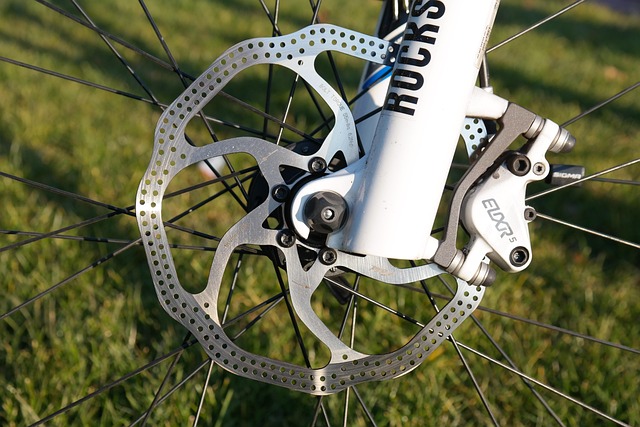
Disc brakes mount a dedicated steel rotor to the wheel hub, keeping the braking surface away from road mud and water. Mechanical disc brakes use standard steel cables to actuate the caliper, requiring periodic cable tension adjustments. Hydraulic disc brakes use fluid pressure to deliver consistent stopping power with minimal hand effort, automatic pad wear compensation, and superior lever modulation in wet conditions. High-quality braking systems ensure reliable control and safety across all seasonal conditions, allowing riders to maximize their riding performance.
Frame materials: aluminium, steel, and carbon fiber
Frame material influences ride quality, total bike weight, load capacity, and overall longevity:
- Aluminium: The standard for commuter frames. It is lightweight, stiff, rust-resistant, and cost-effective. However, rigid aluminium forks can feel harsh over broken pavement, which is why many aluminium frames pair with carbon or steel forks to damp vibration.
- Steel (Chromoly 4130): Offers natural compliance and dampening properties that smooth out road harshness. Steel frames are durable and easily repaired, though they are heavier than aluminium and require internal anti-rust treatment if exposed to wet weather.
- Carbon Fiber: Extremely lightweight and dampens high-frequency vibrations well. However, carbon is vulnerable to impact damage from accidental drops, heavy lock strikes against bike racks, or overtightened rack clamps, making it less practical for heavy utility commuting.
Tyre width and puncture protection
Tyres serve as the primary suspension on rigid commuter bikes. Tyre widths from 32mm to 42mm strike an ideal balance between low rolling resistance and vibration absorption. Puncture protection layers—such as high-density aramid fibers or thick sub-tread rubber layers found in dedicated commuter tyres—drastically cut flat tyre incidents caused by glass, thorns, and wire.
What bike gear gives commuters the biggest practical upgrade for the money?
A commuter bike is only as practical as its accessories. Equipping your bicycle with the correct add-ons ensures you arrive at your destination dry, clean, visible, and carrying your essentials comfortably when choosing gear for daily travel. These accessories offer significant practical upgrades for commuters.
Full-coverage mudguards
Clip-on mudguards offer temporary protection, but full-coverage mudguards with mudflaps fixed permanently to frame eyelets provide total isolation from road spray. They keep standing rainwater, street dirt, and chain grime off your shoes, trousers, and lower back, allowing you to ride in regular workplace clothing during damp weather.
Racks, panniers, and cargo options
Carrying heavy items in a backpack causes back sweat, shoulder fatigue, and raises your center of gravity. A rear rack bolted to the frame supports waterproof pannier bags, transferring load mass directly to the bike frame. This lowers your center of gravity, improves steering stability, and keeps your back cool.
Integrated lighting and visibility
Daily commuting requires reliable lighting for night rides and daytime visibility in traffic. Front lights should produce at least 300 to 500 lumens with a shaped beam pattern that illuminates the path ahead without blinding oncoming drivers or pedestrians. Rear lights should feature wide-angle optics and multiple pulse modes. For complete independence from battery charging, hub dynamo systems generate electrical current inside the front hub as you pedal, powering permanently attached lights automatically.
Lock security standards
Protecting your bicycle requires physical security proportional to local theft risk. Cable locks are easily cut with hand tools and should never serve as primary security. Instead, use a Sold Secure Gold or Diamond rated D-lock (U-lock) or heavy-duty hardened steel chain lock. Secure the lock through the main frame triangle and rear wheel to a fixed, immovable metal structure. Using a secondary lock or locking cable through the front wheel provides additional protection.
Consulting group testing reviews highlights how outfitting a bike with high-rated accessories transforms standard frames into all-weather commuting platforms, matching the standard of the best commuter bikes available.
How do you properly size and set up a commuter bicycle?
Riding an improperly fitted bicycle leads to knee pain, hand numbness, and lower back aches within a few miles. Establishing correct fit and posture ensures efficient pedaling and long-term joint comfort.
Selecting the correct frame size
Frame sizes are generally listed in centimeters or standard sizes (Small, Medium, Large, Extra Large). Match your total height and inseam standover measurement against the manufacturer’s geometry chart. You should have at least 1 to 2 inches of clearance between your crotch and the top tube when standing flat-footed over the bike.
Setting saddle height and fore-aft position
Adjust saddle height so that when your heel rests on the pedal at its lowest point, your leg is completely straight. When pedaling with the ball of your foot over the pedal axle, this setting provides a 25-to-30-degree bend at the knee at maximum leg extension. The saddle surface should remain level to the ground; tilting the nose down increases wrist pressure, while tilting it up causes riding discomfort.
Adjusting handlebar height and reach
For an upright, comfortable commute, adjust handlebar stem height using headset spacers or an adjustable angle stem so the grips rest level with or slightly higher than the saddle surface. This takes pressure off your hands and wrists while improving forward visibility over urban traffic.
For broader sizing guidelines across bicycle types, see Choosing the Best Commuter Bicycles for frame fitting tips.
What routine maintenance keeps a commuter bike reliable?
Because commuter bicycles encounter daily water, grit, and mechanical stress, structured preventative maintenance prevents unexpected breakdowns and extends component lifespans.

Weekly maintenance tasks
- Check tyre pressure: Inflate tyres to the recommended pressure range printed on the sidewall. Proper pressure prevents pinch flats, lowers rolling resistance, and improves cornering grip.
- Clean and lubricate chain: Wipe down the chain links with a cloth, apply wet chain lube during rainy seasons (or dry lube during dry periods), and wipe off excess lube to prevent dirt build-up.
- Test brakes: Pull brake levers to ensure firm engagement before the lever comes close to the handlebar grip. Inspect brake pads for embedded debris or surface wear.
Monthly maintenance tasks
- Inspect chain wear: Use a chain checking tool to measure chain stretch. Replace chains when elongation reaches 0.75% to prevent wearing out expensive rear cassettes and chainrings.
- Torque structural bolts: Check stem, handlebar, seatpost clamp, pedal, and rack bolts with a torque wrench to prevent loosening from road vibration.
- Inspect wheel rims and spokes: Spin each wheel to check for side-to-side wobbles and check for loose or damaged spokes.
Bi-annual maintenance tasks
- Bleed hydraulic brake lines: Flush old fluid and air bubbles from brake lines to restore crisp lever feel and full stopping power.
- Deep clean drivetrain: Remove cassette, chain, and chainrings to degrease accumulated grit thoroughly.
- Inspect headset and bottom bracket bearings: Check for play or roughness in steering and bottom bracket rotation, greasing or replacing cartridge bearings as necessary.
What common mistakes should daily bike commuters avoid?
Avoiding frequent purchasing and operational mistakes keeps your daily ride safe, economical, and hassle-free:
- Buying based purely on low bike weight: Choosing an ultra-light carbon or minimal road bike often sacrifices rack mounts, mudguard clearances, and puncture resistance needed for reliable utility riding.
- Underestimating lock quality: Securing a top rated commuter bicycle with a cheap cable lock invites theft. Invest in high-security Sold Secure rated locks.
- Riding with under-inflated tyres: Low pressure causes pinch flat punctures when striking curb edges or potholes and significantly increases pedaling resistance.
- Neglecting rainy weather preparation: Riding without full-length mudguards results in soaked footwear and dirty clothing, making winter or rainy commuting uncomfortable.
- Ignoring chain lubrication: Running a dry or rusted chain accelerates gear wear, causes harsh shifting, and wastes pedaling energy.
Frequently asked questions
What is the most important feature on a top rated commuter bicycle?
Reliability is the single most important quality in a commuter bike. Features such as puncture-resistant tyres, dependable disc brakes, and sealed gear components ensure the bike operates smoothly every day in all weather conditions with minimal breakdown risk.
How much should you expect to spend on a quality commuter bicycle?
A durable, entry-level acoustic commuter bike with disc brakes and rack mounts typically costs between £400 and £900. High-end belt-drive or internal hub models range from £900 to £1,800, while reliable electric commuter bikes start around £1,200 and range higher depending on motor and battery specifications.
Is a hybrid or flat-bar road bike better for urban commuting?
A hybrid bike is better for mixed surface conditions, potholes, and carrying panniers due to its wider tyres and more upright posture. A flat-bar road bike is preferable for longer commutes on smooth pavement where speed and lighter bike weight are priorities.
Can you commute daily without cycling-specific clothing?
Yes, by installing full-coverage mudguards, a comfortable saddle, and a rear rack with panniers to avoid backpack sweat, you can easily commute in regular workplace clothing for distances up to 5 to 7 miles.
How often should a commuter bicycle be professionally serviced?
A commuter bicycle ridden daily in all weather conditions should receive a comprehensive professional tune-up at least once a year, or every 1,500 to 2,000 miles, with basic weekly chain cleaning and tyre pressure checks performed at home.
Source: Britannica.