
 By Hashim Hashmi
For daily urban travel, top commuter bicycles balance durability, upright comfort, low-maintenance components, and practical carrying capacity, making them dependable for navigating varied city environments. The best choice for you depends on your specific route, storage availability, and terrain, with options ranging from swift hybrid bikes and pedal-assist electric bicycles to space-saving folding bikes, low-maintenance city models, and rugged gravel conversions.
Which Type of Commuter Bicycle is Right for Your Daily Ride?
The ideal commuter bicycle depends on route distance, elevation, storage constraints, and street surfaces. Urban riders generally choose between five distinct bicycle categories, each offering clear advantages and specific engineering trade-offs. Understanding these helps you select a bike that truly fits your needs.
Hybrid Bikes: Versatility for Mixed Commutes
Hybrid bikes combine flat handlebars and relaxed geometry with swift 700c wheels and medium-width tires (typically 32mm to 42mm). The upright position provides wide sightlines over traffic while reducing neck and wrist tension during stop-and-go riding. Hybrids handle asphalt, cycle paths, light gravel, and cracked city pavement cleanly. Most include frame eyelets for mounting pannier racks and full-length mudguards, making them an excellent choice for 3-to-10-mile daily commutes. However, their exposed derailleur drivetrains require routine cleaning when ridden through winter grit and rain spray.
Electric Commuter Bikes (E-Bikes): Power for Hills and Longer Distances
Electric commuter bikes use an integrated battery and electric motor to provide pedal assistance. They enable riders to conquer steep inclines, maintain steady speeds against headwinds, and arrive at destinations without sweating through clothing. In accordance with UK law on e-bike power and speed, assistance is restricted to motor outputs up to 250 watts and must automatically cut out when speed reaches 15.5 mph.
E-bikes suit longer commutes exceeding 7 miles or hilly routes with heavy cargo loads. Mid-drive motor systems mounted at the bottom bracket provide balanced handling and superior hill-climbing torque, while hub-motor systems offer direct power transfer at a lower purchase price. The main trade-offs include higher overall weight (often 20 to 26 kg), elevated initial purchase cost, and the necessity of charging the battery regularly.

City and Dutch-Style Bikes: Comfort and Low Maintenance for Urban Living
City bikes prioritize convenience, durability, and relaxed comfort. Featuring a fully upright 90-degree sitting posture, step-through frame options, and wide swept-back handlebars, these bicycles provide exceptional visibility in tight traffic. They often come equipped with internal gear hubs, full chainguards, kickstands, and integrated frame locks.
Because internal gearing encloses mechanical components inside the rear hub, city bikes withstand rain, road grit, much like a low-maintenance commuter bike, and outdoor parking with minimal drivetrain maintenance. They excel on short 1-to-5-mile flat urban journeys, though their heavier weight makes steep hills more strenuous.
Folding Bikes: The Solution for Multi-Modal Commuters and Small Spaces
For multi-modal transit users or riders with limited home and office storage space, a folding bicycle provides distinct utility. Built around compact 16-inch or 20-inch wheels, these bikes collapse in under thirty seconds into a compact package suitable for train luggage racks, car boots, or under-desk storage.
While modern folding frames offer strong frame stiffness, smaller wheels provide a firmer ride quality over deep potholes and require more focused handling over rough road surfaces. They suit short urban connections and mixed-train commutes under 6 miles per leg.
Gravel and Road-Commuter Conversions: Speed and Efficiency for Longer Distances
Gravel bikes and endurance road bikes fitted with wider puncture-resistant tires offer maximum efficiency for commuters traveling 10 miles or more each way. Drop handlebars offer multiple hand positions to mitigate wind resistance and physical fatigue across longer distances. When choosing a gravel or drop-bar bike for commuting, verify that the frame features dedicated rack mounts and clearance for full mudguards alongside 35mm tires.
How Do Commuter Bike Categories Compare?
Comparing performance characteristics across frame styles clarifies which engineering trade-offs suit your daily schedule and route profile. This table helps you quickly assess the best fit for your commute.
| Bike Category | Ideal Distance | Hill Capability | Maintenance Level | Typical Weight | Cargo Capability |
|---|---|---|---|---|---|
| Hybrid Bike | 3–10 miles | Moderate to High | Moderate | 11–14 kg | High (Racks & Panniers) |
| Electric Commuter | 5–25 miles | Excellent | Moderate to High | 19–26 kg | Very High |
| City / Dutch Bike | 1–5 miles | Low to Moderate | Very Low | 15–18 kg | High (Baskets & Racks) |
| Folding Bike | 1–6 miles | Moderate | Moderate | 10–13 kg | Low to Moderate |
| Gravel / Road Commuter | 8–20+ miles | High | Moderate | 9–12 kg | Moderate to High |
What Technical Features are Essential on a Commuter Bicycle?
Evaluating technical specifications helps identify components designed for daily hard use rather than fair-weather recreational riding. Prioritizing these features ensures reliability and safety.
Braking Systems: Hydraulic vs. Mechanical Disc vs. Rim Brakes
Stopping power and control in rainy conditions directly impact urban riding safety. Disc brakes operate on a rotor mounted at the wheel hub, keeping the braking surface away from road spray, surface mud, and rim grime.
- Hydraulic disc brakes: Utilize fluid pressure to deliver strong, progressive stopping power with minimal lever force. Pads self-adjust as they wear, requiring system bleeding only during routine annual servicing. They represent the gold standard for daily all-weather commuting.
- Mechanical disc brakes: Use traditional steel cables to actuate disc calipers. They offer reliable wet-weather stopping power and simple field adjustment, though they require periodic manual cable tightening as pads wear down. They are a good budget-friendly alternative.
- Rim brakes (V-brakes or dual-pivot): Grip the outer wheel rim directly. They are lightweight and low-cost, but stopping distances increase significantly on wet roads. While acceptable for dry, flat, short commutes, they are less ideal for demanding conditions.
Drivetrain Choices: Derailleurs vs. Internal Hubs vs. Belt Drives
Your drivetrain choice dictates how much weekly cleaning and maintenance your bicycle demands to shift smoothly, a critical factor for daily reliability.
- External derailleurs: Standard multi-gear systems offer wide gear ranges at lightweight price points. However, exposed chains and cog sets attract wet street grime, requiring weekly degreasing and relubrication in winter.
- Internal Gear Hubs (IGH): Shimano Nexus, Alfine, or Rohloff gear hubs seal all planetary gears within a sealed rear hub shell. Protected from rain and dirt, internal hubs permit gear changes while stationary at traffic lights and require oil changes or greasing only every few thousand miles. These are ideal for city bikes and low-maintenance preferences.
- Gates Carbon Belt Drives: Replacing metal chains with a polyurethane belt reinforced with carbon fiber eliminates liquid grease completely. Belt drives operate silently, cannot rust, will not stain clothing, and last up to three times longer than standard steel chains. They pair exclusively with internal gear hubs, offering the ultimate in low-maintenance for commuter bikes.
Tires and Puncture Protection: Avoiding Delays
Punctures cause unscheduled delays during morning travel. Selecting tires built with protective sub-tread belts—such as thick natural rubber or woven aramid/Kevlar layers—dramatically reduces flats from glass, wire, and thorns. Tire widths between 32mm and 45c balance swift rolling speed with air volume, allowing lower tire pressures that cushion impact over rough pavement and cobbles. Reflective sidewall strips molded into tire casings provide vital side visibility at junctions after dark. Consider tires from brands like Schwalbe Marathon or Continental Contact for proven puncture resistance.
Frame Materials and Riding Geometry: Comfort and Durability
Aluminum frames dominate the market because they are light, stiff, rust-free, and affordable. Steel frames naturally absorb micro-vibrations from poor road surfaces, delivering a smoother feel over long distances, though they are heavier. High-step diamond frames offer maximum frame rigidity, whereas step-through frame designs allow easy mounting and dismounting while wearing non-sportswear or carrying rear cargo bags. For men and women, the choice between high-step and step-through frames is a matter of personal preference and practical need, not gender.
Saddle Selection and Rider Contact Points: Ergonomics for Daily Rides
Because commuter bikes position the rider in a more upright stance than drop-bar racing bikes, a slightly wider saddle supporting the sit bones is critical. Look for weather-resistant synthetic saddle covers with high-density foam padding. Ergonomic handlebar grips with flanged palm supports relieve pressure on the ulnar nerve, preventing hand numbness during longer rides across city streets.
Which Essential Accessories Transform a Bike into a Functional Commuter?
A bare bicycle requires key accessories to manage inclement weather, payload transport, and security. These additions are crucial for a truly practical commuter setup.
Mudguards and Weather Protection: Stay Clean and Dry
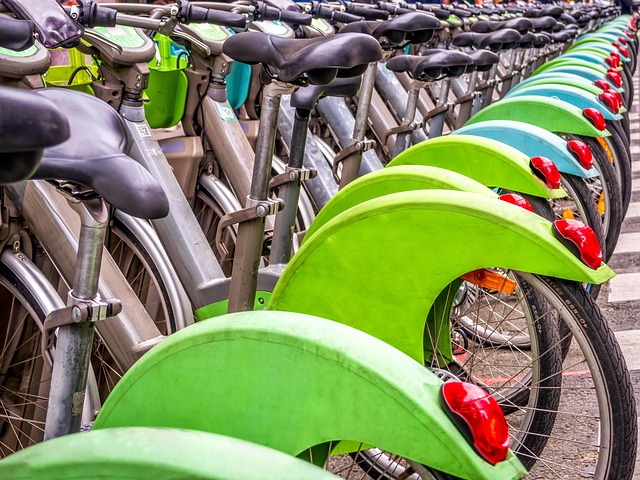
Full-coverage, rigid mudguards with flexible rubber splash flaps keep water, oil, and grit off your lower legs, shoes, and drivetrain. Pairing full mudguards with a covered chainguard prevents grease transfers onto work trousers, making them indispensable for all-weather commuting.
Cargo Racks and Pannier Bags: Ditch the Backpack
Carrying heavy backpacks leads to back strain and excessive sweaty clothing. Installing a rear luggage rack allows heavy items like laptops, changes of clothes, and groceries to be transferred onto waterproof pannier bags attached to the rear axle line. Look for racks rated for at least 15-25 kg for daily use, and waterproof bags from brands like Ortlieb or Vaude.
Lighting Systems and Safety Equipment: Be Seen, Be Safe
UK safety regulations mandate a white front light, red rear light, amber pedal reflectors, and a clear audible bell (for statutory compliance details, check bicycle safety rules guides on fitted equipment, such as safety guidelines for bicycles). Front headlights with a shaped beam cut-off project light onto the asphalt without blinding oncoming drivers or pedestrians. Dynamo lighting systems powered by a front hub generator supply permanent light without requiring battery recharging, offering a reliable, always-on solution. Consider lights with at least 400 lumens for the front and a wide beam angle for the rear.
Bicycle Security and Locking Strategy: Protect Your Investment
Urban bicycle theft requires strong hardware and multi-layer locking techniques. Combine a hardened steel U-lock (rated Sold Secure Gold or Diamond) with a secondary heavy chain or cable. Fasten the main frame triangle and rear wheel directly to a permanent bicycle rack or sturdy ground anchor. Never rely on a single, thin cable lock, as these are easily cut.
How Do You Choose the Right Commuter Bicycle for Your Specific Route?
Matching component specs to your commute profile prevents buying an unsuitable bicycle, ensuring comfort, efficiency, and safety every day.
Short, Flat Urban Commutes (Under 4 miles)
Short urban hops prioritize simplicity, quick mounting, and minimal upkeep. A single-speed or 3-speed internal hub city bike with built-in mudguards, puncture-resistant 35c tires, and an upright step-through frame handles this distance with minimal wear and low maintenance hassle. The ability to easily stop and start, often with a step-through frame, is key here.
Medium, Hilly Suburban Routes (5 to 10 miles)
Traversing mixed terrain and moderate hills requires a wider gear spread and responsive braking. A lightweight hybrid bicycle with a 1×10 or 2×9 derailleur setup, hydraulic disc brakes, and fast-rolling 38c tires balances efficient climbing power with daily stability. The gear range is crucial for maintaining a comfortable cadence on varying inclines.
Long-Distance, High-Speed Commutes (10 to 20+ miles)
Longer daily rides demand speed, aerodynamics, and efficient energy transfer. A dedicated gravel or endurance road commuter featuring drop handlebars, a lightweight aluminum or steel frame, 32c slick tires, and low-profile pannier racks lets you maintain steady cruising speeds over longer distances. The multiple hand positions of drop bars help reduce fatigue over extended periods.
Multi-Modal Public Transit Routes
When combining cycling with train or bus travel, rapid folding mechanisms and low overall weight take top priority. A quality 16-inch or 20-inch folding bike with an internal gear hub folds down neatly, preventing chain grease contact with fellow commuters on crowded public transport vehicles. Brands like Brompton are renowned for their compact fold and ease of portability.
How Should You Maintain a Commuter Bicycle for Daily Reliability?
Daily all-weather riding subjects components to high dirt, moisture, and road salt accumulation. Following a structured maintenance checklist ensures reliable operation across all seasons and extends the lifespan of your bicycle.

Daily and Weekly Maintenance Routines
- Air pressure check: Check tire sidewall recommendations and maintain correct PSI to prevent pinch flat punctures and minimize rolling resistance. This is vital before every ride.
- Brake check: Pull brake levers before departing to ensure immediate engagement and check that disc pads have sufficient friction lining remaining. Listen for unusual noises.
- Chain cleaning and lubrication (for external derailleurs): Wipe external derailleur chains clean with a rag weekly. Apply wet chain lube during rainy months or dry lube during fair summer weather, wiping off any excess oil. This prevents premature wear and rust.
Monthly Maintenance Checks
- Bolt torque inspection: Inspect stem, handlebar, rack mount, seatpost, and pedal bolts for proper tightness using a torque tool. Loose bolts can lead to accidents or component damage.
- Tire tread inspection: Pick out embedded metal wire, sharp gravel, or glass fragments trapped in the tread rubber before they penetrate tire belts. Look for excessive wear or cracks.
- Drivetrain wear measurement (for external derailleurs): Use a chain checker gauge to monitor chain stretch. Replacing a chain before it reaches 0.75% stretch extends cassette and chainring lifespan, saving money in the long run.
Seasonal and Winter Preparations
Winter salt on roads accelerates metal corrosion. Applying rust-inhibiting sprays inside steel frame tubes and rinsing road salt off aluminum frames with cold water prevents corrosion. For e-bike owners, storing lithium-ion batteries indoors at room temperature preserves cell longevity and maximum charge capacity during cold weather snaps.
What Common Commuting Mistakes Should You Avoid?
Avoiding typical setup errors saves money, prevents mechanical breakdowns, and keeps morning travel comfortable and safe.
Choosing Pure Speed Over Tire Clearance and Weather Protection
Selecting an ultra-light aggressive road bike lacking fender clearance or rack mounts leads to wet back spray, worn backpacks, and limited tire durability on cracked city asphalt. Utility commuting demands frame clearance for mudguards and wider, puncture-resistant rubber. Prioritizing race-ready features over practical utility is a common pitfall.
Riding on Improper Tire Inflation Pressures
Under-inflating commuter tires increases rolling resistance and makes rim strikes and pinch flats far more likely when hitting potholes or curb edges. Conversely, over-inflating hard narrow tires reduces grip on wet road surfaces and creates a harsh, vibrating ride. Always check your tire pressure before each ride, aiming for the middle of the recommended PSI range on the tire sidewall.
Using Inadequate Bike Locks and Poor Locking Technique
Securing a valuable bicycle with a thin cable lock invites quick theft via basic hand tools. Always use a hardened U-lock or heavy hex-link chain, preferably with a Sold Secure Gold or Diamond rating. Never lock only the quick-release front wheel; always capture the main frame triangle and rear wheel to a fixed structural anchor. A good strategy is to use two different types of locks.
Top Commuter Bicycle Category Picks and Budget Expectations
Selecting the best commuter model within your allocation helps balance component quality against upfront cost. Prices are given in GBP as of October 2026.
Reliable Hybrid Commuter Options (£400–£900)
In the entry-to-mid price tier, non-electric hybrid bikes from established manufacturers—such as Trek (FX series), Specialized (Sirrus series), and Giant (Escape series)—offer sturdy aluminum frames, broad gear ranges, and wide tire clearance. These models deliver strong value for daily riders seeking dependable performance without complex maintenance needs.
Mid-Tier and Premium E-Bike Choices (£1,500–£4,000+)
Electric commuter models from brands like Rad Power Bikes, Cube, and Gazelle deliver strong motor torque, mid-frame battery integration, and built-in lighting systems starting around £1,500. Premium choices from brands such as Riese & Müller feature silent Gates carbon belt drives, Enviolo continuously variable internal hubs, dual battery options, and integrated ABS braking systems for heavy-duty daily transportation. Look for battery capacities over 400 Wh for longer ranges.
Budget Urban and City Bikes (Under £500)
For shorter trips and tight budgets, simple city bikes from heritage manufacturers like Raleigh or Dawes supply sturdy steel or aluminum frames fitted with rigid mudguards, rear racks, and low-maintenance multi-speed hubs, providing practical utility at accessible price points.
Frequently Asked Questions
What is the main difference between a hybrid bike and a city bike?
Hybrid bikes feature sportier geometry, lighter components, and wider gear ranges suitable for varying road speeds and light gravel paths. City bikes focus on upright comfort, step-through frames, full chain protection, and enclosed internal gear hubs for low-maintenance urban transit.
Do I need an electric bike for daily commuting?
An electric bike is not strictly necessary, but it is highly beneficial for commutes over 6 miles, routes with steep hills, or transporting heavy luggage. E-bikes allow you to travel at steady speeds into headwinds and arrive at work without physical exhaustion.
How much should I budget for a reliable commuter bicycle?
A dependable non-electric hybrid or city commuter bike costs between £400 and £900. High-quality electric commuter bikes with reliable mid-drive motors and long-lasting batteries generally range from £1,500 upwards.
Are hydraulic disc brakes better than mechanical disc brakes for commuting?
Yes. Hydraulic disc brakes provide superior stopping power, better lever modulation in wet conditions, and self-adjusting pads that require far less manual cable maintenance than mechanical systems.
Can I convert an existing road or mountain bike for commuting?
Yes, provided the frame has sufficient clearance and mounting points for full-length mudguards, wide puncture-resistant tires, and a rear luggage rack. Without proper weatherproofing and cargo mounts, a converted bike may lack daily utility.
What are the best commuter bicycles for men and women?
The best commuter bicycles are chosen based on route, comfort, and practical needs, not gender. Both men and women can choose between high-step or step-through frames, depending on personal preference and ease of mounting with attire or cargo.
Where can I find top commuter bike models in India?
While this article focuses on general commuter bike categories and features, specific models available in India would vary by local brands and distributors. Look for local retailers carrying hybrid, city, or entry-level e-bike models from brands popular in the Indian market, ensuring they meet the criteria for durability and low maintenance discussed here.