
 By Hashim Hashmi

In Great Britain, new bicycles must be sold with a bell, but riders are not legally required to keep it fitted afterwards. Despite this, using a bell is strongly recommended by the Highway Code to alert pedestrians and other path users, enhancing safety and preventing collisions on shared routes.
Choosing the right bell involves considering your handlebar type, preferred hand positions, and the dome material, with options ranging from classic spring-strikers to compact, low-profile designs made of aluminum, brass, or steel.
Are bells on bicycles legally required in the UK?
In Great Britain, the law mandates that all new bicycles are sold with a bell fitted at the point of sale. This requirement is governed by the Pedal Bicycles (Safety) Regulations. However, once you purchase the bicycle, there is no legal requirement to keep the bell attached, nor is it a legal offense to ride on public roads without one.
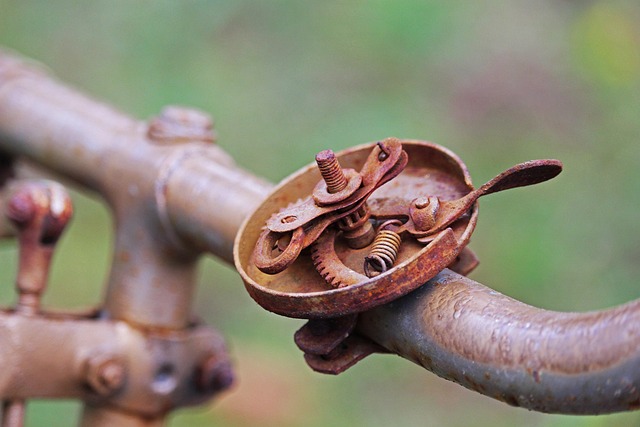
Despite this legal position, the Highway Code strongly advises its use. Rule 66 states that cyclists should avoid overtaking closely and should let other road and path users know they are there, suggesting a bell as the primary tool to do so. If you commute regularly or ride on shared-use paths, carrying a warning device is highly sensible to prevent sudden collisions, making a bell necessary for practical safety.
Legal regulations vary significantly outside Great Britain. For instance, in Northern Ireland and several Australian states, riding on public roads or designated cycleways without a functional warning device can result in a fine. In Germany, the Road Traffic Licensing Regulations require a clear-sounding bell on all bikes riding on public highways. Keeping a bell installed ensures compliance across regional borders and provides clear communication when riding in crowded spaces.
What does a bell on a bike mean, and why is it necessary?
A bell on a bike primarily serves as an acoustic warning device. It means a cyclist is approaching and wants to alert pedestrians, other cyclists, or even drivers to their presence, especially when overtaking or navigating blind spots. Its necessity stems from safety and courtesy, allowing cyclists to communicate non-verbally and avoid startling or colliding with others.
Many riders remove the basic plastic bell that comes attached to their new bike, assuming it is unnecessary or visually unappealing. However, choosing a high-quality bell and mounting it in the correct position can significantly improve your daily rides, especially when sharing space with pedestrians, runners, and other cyclists. It’s a proactive measure to prevent accidents and foster a safer, more harmonious environment on shared paths.
How do you choose the right bell design for your handlebar?
Handlebars come in various diameters, and space is often limited by brake levers, gear shifters, lights, and GPS mounts. Standard handlebar sizing varies depending on the style of bike (see Road Bike vs Hybrid for Commuting in the UK: Which is Right for You? for bike setup details): flat handlebars on mountain and hybrid bikes typically measure 22.2 mm at the grip area, while road bike drop bars generally measure 25.4 mm, 31.8 mm, or 35 mm around the central stem clamping zone.
Choosing the right design depends heavily on your bike type and where you prefer to position your hands for quick access.
Traditional spring-striker bells
These are the classic bells featuring an external, spring-loaded lever that you pull back and release to strike the outer dome. They are inexpensive, simple to operate with a thumb, and produce a sharp, double-tone sound. I find these are best suited for flat handlebars on hybrid bikes and town bikes, where you can mount them directly next to the grip for quick access.
Rotary bells
Instead of a single striker, rotary bells use a spinning internal mechanism that produces a continuous ring-ring sound when you turn the outer plastic dial or lever. The sound is highly recognizable to pedestrians of all generations, making it incredibly effective in busy park spaces. However, they are bulky and require more finger movement to operate than a simple flick-style striker.
Low-profile ring bells
For drop-bar road bikes or crowded cockpits, low-profile bells wrap around the handlebar like a thin collar. Designs like the Knog Oi are popular because they do not look like a traditional bell and sit flush against the bar, leaving plenty of room for hands and accessories. While they look exceptionally neat, I find their sound is generally quieter and less directional than dome-style bells, which may limit their usefulness in noisy urban traffic. These are often chosen when aesthetics are a primary concern.
Compact trigger dome bells (e.g., Cat Eye, Spurcycle, Crane)
Trigger dome bells combine a traditional resonant metal dome with a compact vertical hammer mechanism. Designs like Spurcycle or Crane models, and some Cat Eye bells, offer a loud, long-lasting ping without taking up excessive handlebar space. They fit clamp diameters from 22.2 mm up to 31.8 mm using flexible metal bands, making them popular among road cyclists and gravel riders who want maximum volume with minimal drag. Their crisp sound is highly effective in varied environments.
| Bell Design | Best Handlebar Setup | Sound Profile | Key Advantage | Main Limitation |
|---|---|---|---|---|
| Spring-Striker | Flat bars (22.2 mm) near grips | Sharp double-tone ping | Inexpensive and quick to operate | Exposed spring can catch on cables |
| Rotary | Town and upright city bikes | Continuous gear-driven ring | Instantly recognized by pedestrians | Bulky body takes up cockpit space |
| Low-Profile Ring | Drop bars and crowded road setups | Subtle single chime | Sits flush with clean appearance | Lower acoustic volume in heavy traffic |
| Compact Trigger | Drop bars, gravel, and hybrid bars | Loud, resonant long decay ping | High volume with small footprint | Higher price point than basic models |
How does material affect the sound of a bicycle bell?
The material of the bell dome dictates both the volume and the sustain of the ring. Most bells on bicycles are made from one of three materials:

- Aluminum: Lightweight and highly resistant to rust, aluminum domes produce a bright, high-pitched ping with a short decay. The sound stops quickly, which is useful for short-range alerts but might not carry far in windy conditions. Aluminum bells are often more affordable.
- Brass: Brass offers a lower-pitched, warmer tone with an exceptionally long ring. I prefer brass bells because the sound decays slowly, giving pedestrians more time to register the noise and locate where you are coming from. This sustained resonance is particularly effective on busy paths. Uncoated brass will develop a patina over time, which many riders appreciate for its aesthetic.
- Steel: Often found on cheaper or vintage-style models, steel bells are loud but highly prone to rusting if the protective paint or chrome plating gets scratched. While durable, their sound can be less refined than brass.
How do you position a bell on drop handlebars?
Mounting a bell on drop handlebars can be tricky due to the thick bar tape and the multiple hand positions used while riding. If you spend most of your time riding on the hoods or the tops, here are the most effective mounting options:
- Next to the stem: Mounting a slim bell on the un-taped section of the handlebar right next to the stem keeps it central. This is easy to reach when your hands are on the tops, though it requires releasing your grip slightly if you are riding in the drops. Ensure it doesn’t interfere with your computer mount or lights.
- Underneath the stem: Some manufacturers produce spacer mounts that replace a headset spacer directly beneath your stem. This keeps the handlebar completely clear for lights and GPS devices while placing the bell in a highly accessible, central location. This option is ideal for minimalist setups.
- On the drops: You can mount a bell lower down on the drops, just below the brake lever. This is ideal if you ride fast on descents or in the drops and need to keep your hands near the brakes while warning others. This position can be less intuitive for casual use but excellent for performance riding.
When positioning, always check that the bell’s lever is easily reachable with minimal hand movement from your primary riding position. Ensure it doesn’t obstruct other controls or cables.
What is proper bell etiquette on shared paths?
How you use your bell is just as important as having one. Ringing too close to a pedestrian can startle them, causing them to step unpredictably into your path. Conversely, ringing from too far away means the sound may be lost to wind or ambient road noise.

I recommend giving a polite, single ring when you are roughly 10 to 15 meters away. This gives the pedestrian time to look around, recognize your presence, and step to the side. If they do not react, a second, firmer strike is appropriate as you close the distance. Always slow down when passing, regardless of whether they have acknowledged your bell; a bell is an alert of your presence, not a demand for the right of way. Maintain a safe passing distance, ideally at least an arm’s length.
On narrow paths or blind corners, combining a bell ring with a clear verbal greeting like “passing on your right” helps clarify your intent. Pedestrians wearing noise-canceling headphones or listening to music may not hear a metallic ping, so remaining prepared to slow down or stop completely is essential. Remember that some people may have hearing impairments and not register the bell at all.
Why has your bicycle bell stopped ringing and how do you fix it?
If your bell produces a dull thud instead of a clear chime, the issue is usually mechanical rather than a defect in the metal. This common problem, often searched as “bicycle bell not working,” usually has simple fixes:
- Dome too tight: The most common cause is that the dome has been tightened too far down onto the central spindle, which dampens the vibration. Loosening the dome by a half-turn often restores the resonant sound. The dome needs a slight gap to vibrate freely.
- Striker interference: Check that the striker mechanism is not bent or touching the dome when at rest. The striker must hit the dome and immediately spring back; if it remains in contact, it will instantly mute the vibration. Gentle pressure can realign a bent spring lever so that a 1 mm to 2 mm gap exists between the hammer and the dome at rest.
- Internal grit (rotary bells): For rotary bells, road grit can easily get trapped inside the rotating gears under the dome, which can be flushed out with clean water and a light drop of dry chain lubricant. Spin the mechanism a few times to work the lubricant in.
- Rust on steel bells: If rust forms on a steel bell dome, sand away the surface corrosion with fine steel wool and coat the metal with clear frame polish to stop dampening and prevent further oxidation. Rust significantly reduces the bell’s resonance.
- Loose mounting: A bell that is not securely clamped to the handlebar can also produce a dull sound as the energy of the strike is absorbed by the loose mount. Tighten the clamp screws firmly, but do not overtighten, especially on carbon handlebars.
Sources: Bicycle Safety: Bike Safety Tips for Kids and Adults
Frequently asked questions
Is a bicycle bell required for an MOT or legal road inspection?
Bicycles in the UK do not undergo mandatory MOT testing or formal annual road inspections. While suppliers must sell new bikes with a bell attached, individual road riders face no legal requirement or inspection mandate to keep one fitted.
Can an electronic horn replace a traditional bicycle bell?
Electronic horns are legal warning devices on public roads and offer high decibel output for heavy traffic. However, their harsh electronic tone can startle pedestrians on quiet multi-use paths, making a traditional brass or aluminum bell far better suited for shared trail etiquette. It’s often best to carry both if you ride in varied environments.
What handlebar clamp size do I need for my bike?
Flat handlebars on hybrid and mountain bikes generally use a 22.2 mm clamp diameter near the grips. Road bikes with drop handlebars typically require a 31.8 mm clamp size to fit the un-taped central bar section near the stem, though some older road bars might be 25.4 mm.
How do I stop a brass bicycle bell from tarnishing in the rain?
Uncoated brass naturally oxidizes and develops a darker patina when exposed to water and road spray. You can maintain a bright polished finish by applying a thin coating of carnauba wax or metal polish every few months, though oxidation does not affect the bell’s acoustic clarity. Some riders prefer the aged look of a tarnished brass bell.
Who are “Bells Bicycles”?
The term “Bells Bicycles” often refers to specific bicycle shops or brands rather than a general type of bell. If you are searching for a store in a particular location like “Bells Bicycles Hastings” or looking for “Bells Bicycles reviews” or a “discount code,” you are likely seeking information about a retail business, not the accessory itself. This article focuses on bicycle bells as accessories.