
 By Hashim Hashmi
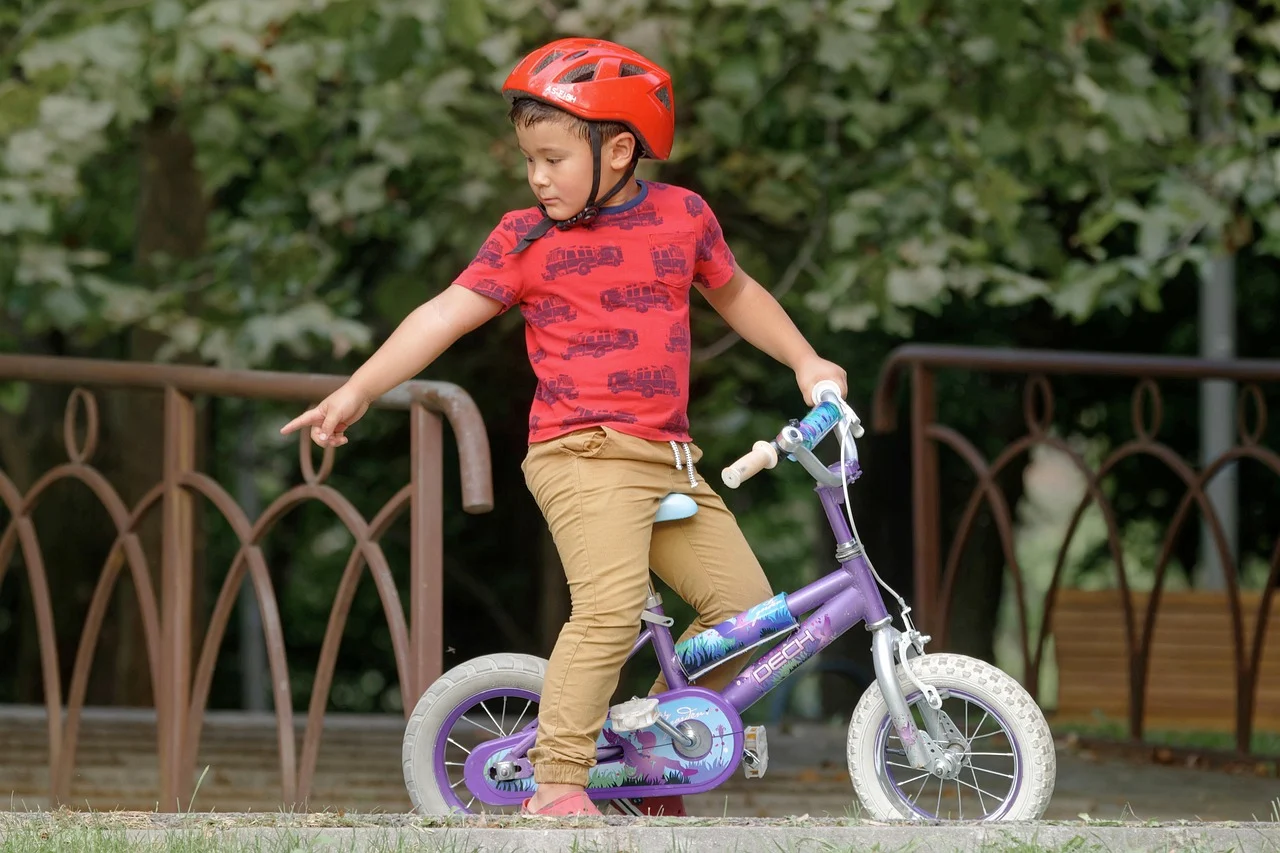
As club cyclists, the editorial team has seen firsthand how a well-fitting bike transforms a child’s experience. It’s not just about comfort; it’s about control, safety, and fostering a lifelong love for cycling. Unlike adult bikes, which are typically sized by frame dimensions, children’s bikes are primarily determined by their wheel diameter. This ranges from 12 inches for toddlers to 26 inches for young teenagers. However, simply knowing the wheel size isn’t enough; the child’s body measurements are paramount to getting the fit right.
Why inseam is the most important measurement in a childrens bike size guide
While height gives a general indication, a child’s inseam is the most critical measurement for a children’s bike size guide. It directly dictates whether they can safely stand over the frame and reach the ground. If the bike is too tall, they won’t be able to put their feet down. This leads to instability and a fear of falling. This is particularly important for beginners or those on their first pedal bike. Confidence is built on the ability to stop and restart securely.
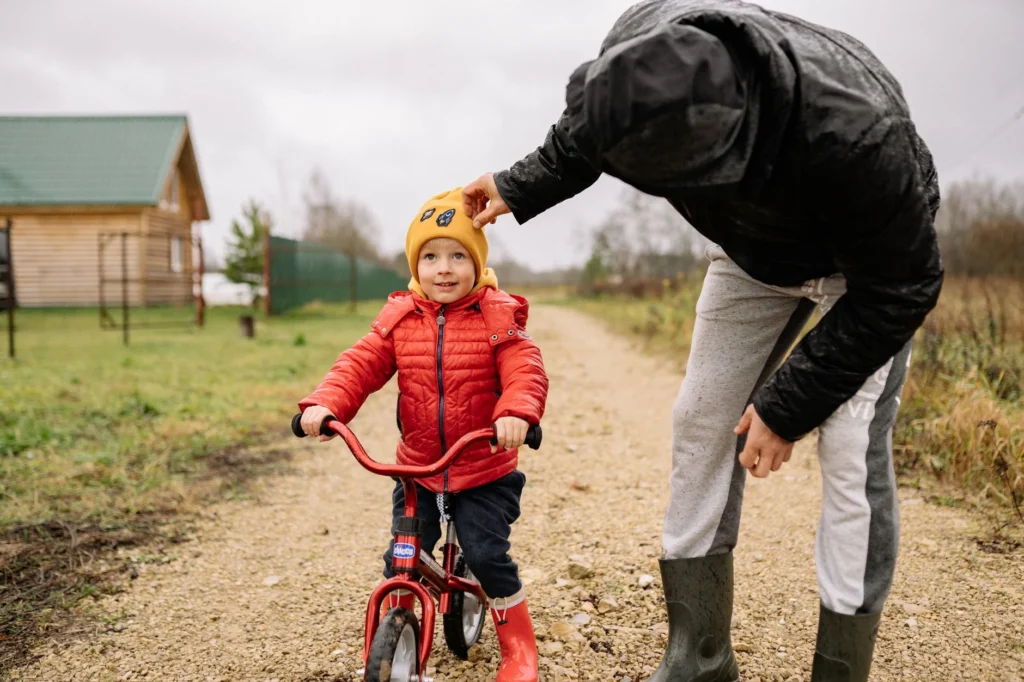
For a beginner, we always recommend that the seat height should allow the child to touch the ground with both feet flat. [trekbikes.com] This solid footing provides reassurance. It makes learning to balance much easier. As they gain confidence, you can raise the seat slightly to achieve a more efficient pedalling position. This allows a slight bend in the knee at the bottom of the pedal stroke.
How to Accurately Measure Your Child’s Inseam
Measuring inseam is straightforward and only takes a minute. Here’s how we advise parents to do it:
- Prepare the Child: Have your child stand barefoot with their back against a wall or doorframe, ensuring their feet are about shoulder-width apart.
- Use a Book or Ruler: Place a hardback book, a spirit level, or a flat ruler horizontally between their legs, pushing it up firmly as if it were a bike saddle. Make sure the spine of the book is facing upwards, parallel to the floor.
- Measure to the Floor: While you hold the book firmly in place, use a tape measure to measure the distance from the top edge of the book (where it meets the wall) down to the floor. This measurement is their inseam.
- Repeat for Accuracy: Take the measurement a couple of times to ensure consistency.
For example, if a child stands against a wall and you place a book firmly between their legs, and the distance from the top of the book to the floor is 50 cm, then their inseam is 50 cm. This is the primary number you’ll use for sizing in a children’s bike size guide.
Understanding Children’s Bike Sizing Charts by Wheel Diameter
Once you have the inseam measurement, you can refer to a sizing chart. Remember, these are general guidelines, and individual models can vary. The wheel size is the main identifier for children’s bikes.
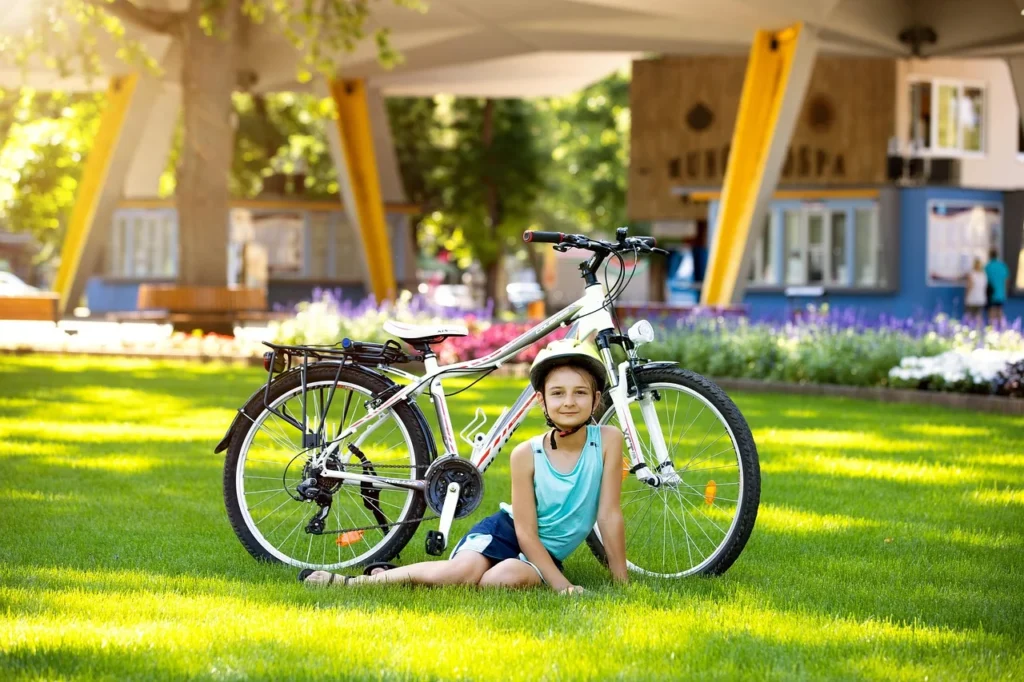
Proper standover clearance ensures your child can safely dismount and stand over the bike frame.
Here’s a typical breakdown, but we always stress that inseam should be your ultimate guide:
| Wheel Size | Approx. Age Range | Approx. Height Range | Approx. Inseam Range | Key Features/Notes |
|---|---|---|---|---|
| 12-inch | 2–4 years | 85-100 cm | 35-45 cm | Often balance bikes or first pedal bikes with stabilisers. No gears, often coaster brakes. |
| 14-inch | 3–5 years | 95-110 cm | 40-50 cm | First pedal bikes, some with stabilisers. Simple, single-speed. |
| 16-inch | 4–6 years | 105-120 cm | 45-55 cm | First ‘proper’ pedal bikes. Hand brakes become standard. |
| 20-inch | 6–9 years | 115-135 cm | 50-60 cm | Often with gears (3-7 speed). Front and rear hand brakes. |
| 24-inch | 8–11 years | 130-145 cm | 55-70 cm | Multi-speed gears (7-21 speed). More advanced features like suspension. |
| 26-inch | 10–14 years | 140-160 cm | 65-75 cm | Transition to adult bikes. Full range of gears and features. Some 2026 Specialized models in this category now include air-sprung forks specifically tuned for lighter riders. |
This table provides a useful starting point, but always cross-reference with your child’s actual inseam and height. For example, a child with an inseam of 50 cm would likely fit a 14-inch or 16-inch bike, depending on the specific model’s minimum seat height. Always check the bike manufacturer’s sizing recommendations, as frame geometry and minimum seat heights can vary significantly between brands, a common misconception highlighted by sources like letsplayoutside.co.uk in their children’s bike size guide.
Beyond the Numbers: Key Fit Considerations for Children’s Bikes
While inseam and wheel size are fundamental, a truly excellent fit involves several other factors that contribute to control, comfort, and confidence. Ignoring these can lead to a bike that technically fits by numbers but feels awkward or unsafe to ride.
Standover Clearance
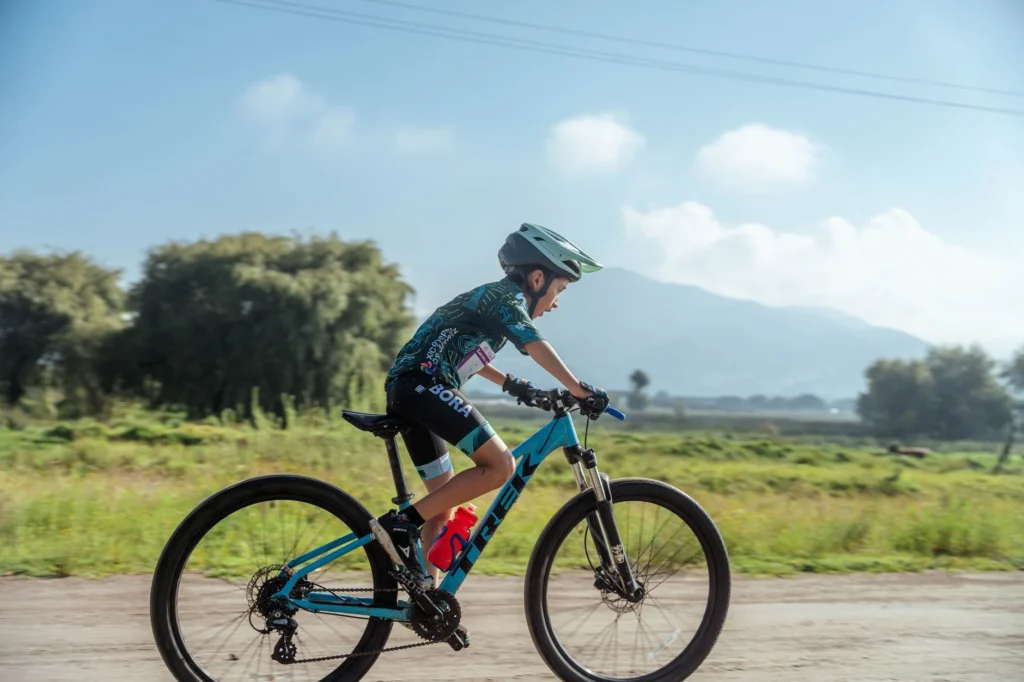
This is directly related to inseam but specifically refers to the space between the child’s crotch and the top tube of the bike frame when they are straddling it with both feet flat on the floor. You should have at least 2 to 5 centimetres (or 1-2 inches) of clearance. This space is important for safety. It allows the child to dismount quickly and easily without injury, especially if they lose balance. Without adequate standover, the bike is simply too big, regardless of whether their feet can touch the ground from the saddle.
Handlebar Reach
A child should be able to comfortably reach the handlebars without stretching excessively or feeling cramped. Their torso should be relatively upright. Their arms should have a slight bend at the elbows. If they are too stretched out, they will compromise control. They may experience discomfort in their back or neck. If they are too cramped, steering can feel twitchy and unstable. Many guides overlook this common mistake. It is vital for handling.
Brake Lever Access and Operation
For bikes with hand brakes (typically 16-inch wheels and up), ensure a child can easily reach and firmly squeeze the brake levers. Many children’s bikes now come with adjustable reach levers. We highly recommend these. Smaller hands need levers that can be brought closer to the handlebar. If they struggle to operate the brakes, it’s a significant safety hazard. Test this in the shop, perhaps using a childrens bike size guide: can they apply enough force to stop quickly?
Bike Weight
Children’s bikes, especially cheaper models, can be surprisingly heavy. A bike too heavy for a child to maneuver will be difficult to control, push, and lift. Ideally, a child’s bike should be no more than 30-40% of their body weight. Lighter bikes make it easier to learn, accelerate, and handle, significantly boosting confidence and enjoyment. Look for frames made from lightweight aluminum, as advised in a childrens bike size guide, if your budget allows.
Common Mistakes and Rounding Traps When Sizing Children’s Bikes
Parents often make a few common errors that can hinder a child’s cycling progress and even put them off riding altogether. Avoiding these pitfalls is as important as getting the measurements right.
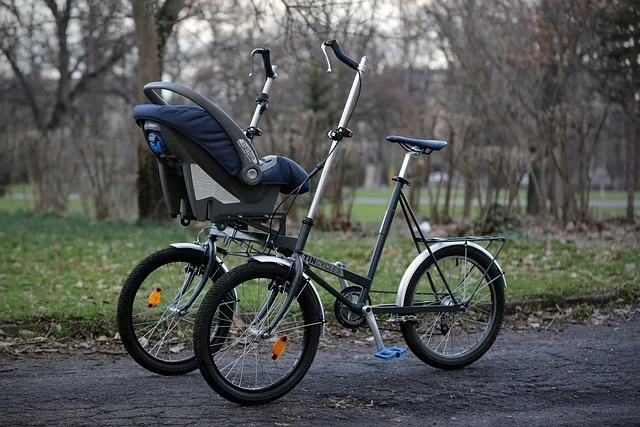
Buying a Bike ‘To Grow Into’
This is perhaps the most frequent and detrimental mistake. While it might seem economical to buy a bike that’s a bit too big, thinking your child will ‘grow into it’, this compromises safety, makes the bike difficult to control, and can significantly reduce a child’s confidence. An oversized bike makes it harder to balance, steer, and brake effectively. It can turn what should be a joyful experience into a frustrating and potentially dangerous one. Following a childrens bike size guide for a well-fitting bike today is far better than an ill-fitting one for tomorrow.
Relying Solely on Age Charts
Children grow at vastly different rates and have varying proportions. Relying solely on age charts is a misconception, as stated in current sizing advice in a children’s bike size guide. A 6-year-old might have the inseam of a 4-year-old, or vice versa. Always use height and, more importantly, inseam as your primary guide, and treat age as a very rough starting point. This is why a bike for a 7-year-old girl might differ significantly from a bike for a 7-year-old boy, or even another 7-year-old girl.
Assuming All Bikes of the Same Wheel Size Fit the Same Way
As mentioned earlier, frame shapes, minimum seat heights, and handlebar geometries can vary considerably between brands, even for bikes with the same wheel diameter. A 16-inch bike from one manufacturer might have a much higher minimum seat height than a 16-inch bike from another. This renders it unsuitable for a child with a specific inseam. Always check the specific model’s dimensions or, ideally, have a child try the bike in person. You often overlook this in a children’s bike size guide online, but it’s a important distinction for a good fit.
Ignoring Handlebar Reach and Brake Lever Access
We have reiterated these points because they are so important. A bike can have the correct wheel size and standover, but if the handlebars are too far away or the brakes are impossible to operate, it’s not a safe or enjoyable fit. Always check these details, especially the brake lever reach adjustment on 16-inch and 20-inch bikes where hand brakes become standard.
What Age is a 20-inch Bicycle For?
A 20-inch bicycle is typically suitable for children aged 6 to 9 years old. They usually have a height range of approximately 115-135 cm and an inseam between 50-60 cm. This size often marks the transition to bikes with multiple gears (3-7 speed) and reliable front and rear hand brakes. It prepares them for more varied terrain and longer rides. Always verify with your child’s specific inseam measurement, as advised in a childrens bike size guide. Growth rates vary widely.
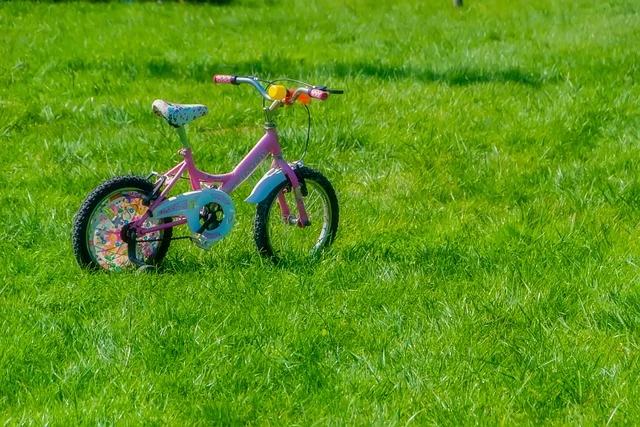
What Age is a 12-inch Bike For?
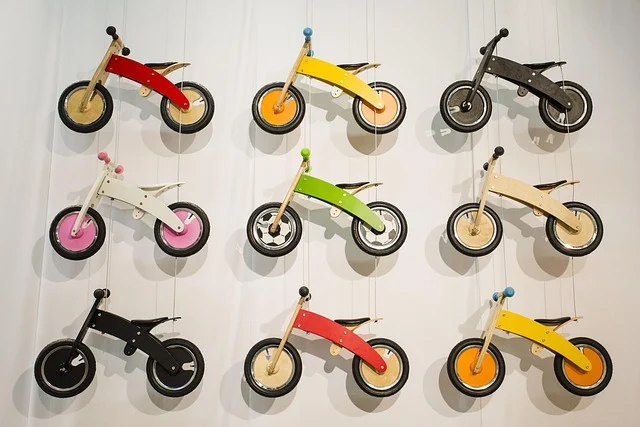
A 12-inch bike is generally designed for toddlers aged 2 to 4 years old. It suits those with a height between 85-100 cm and an inseam of 35-45 cm. These bikes are often balance bikes. They are excellent for developing fundamental balancing skills before moving to pedals. Some are very first pedal bikes, sometimes with stabilisers. Their simplicity characterizes them. They often feature coaster brakes or very basic hand brakes.
Should I Get My 4-Year-Old a 14-inch or 16-inch Bike?
For a 4-year-old, the choice between a 14-inch and 16-inch bike primarily depends on their individual inseam measurement and confidence level. A 14-inch bike generally suits inseams of 40-50 cm. A 16-inch bike is for 45-55 cm. If your 4-year-old is new to cycling or on the shorter side of the age range, a 14-inch bike might offer a more confidence-inspiring fit. If they are taller for their age or already comfortable on a balance bike, a 16-inch might be appropriate. Always prioritise the inseam and standover clearance when using a childrens bike size guide. If possible, let them try both sizes in person to see which feels more secure and manageable.
Final Thoughts on Sizing and the Next Step
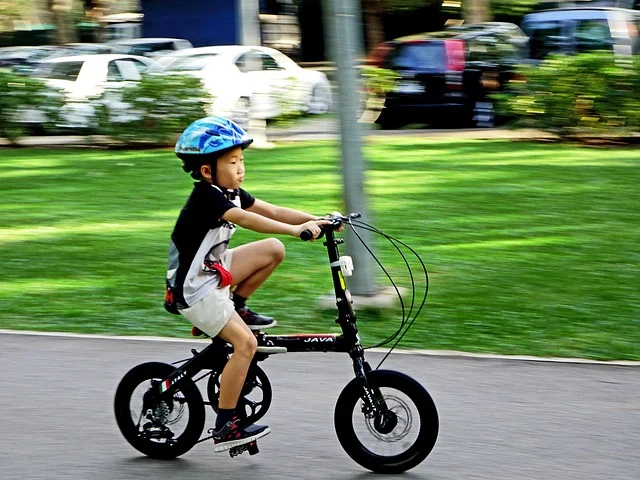
Getting the right size children’s bike is one of the most impactful decisions you can make for their cycling journey. It’s not just about matching numbers; it’s about fostering confidence, ensuring safety, and making cycling a truly enjoyable activity. Take the time to measure accurately, consider all aspects of the fit beyond just wheel size, and avoid the temptation to buy a bike they’ll ‘grow into’. A well-fitting bike today means more smiles, more miles, and a greater chance they’ll become a lifelong cyclist.
Once you’ve found the perfect size, remember that maintenance is key to keeping that bike running smoothly and safely. See How to Measure Bike Wheel Size Accurately for tips on how to clean your bike.
Frequently asked questions
How do I tell what size bike to get for a kid?
To determine the correct bike size for a child, measure their inseam and height. Use these measurements to consult a children’s bike sizing chart, prioritizing wheel diameter and ensuring adequate standover clearance and comfortable reach to handlebars and brake levers. Age is only a very rough guide.
What is standover clearance for a child’s bike?
Standover clearance is the gap between a child’s crotch and the top tube of the bike frame. They straddle the bike with both feet flat on the floor. For safety in a childrens bike size guide, you need at least 2 to 5 centimetres (1-2 inches) of clearance. This allows the child to dismount quickly and easily.
Why shouldn’t I buy a bike that is too big for my child?
Buying a bike that is too large for a child compromises their safety. It makes the bike difficult to control. It can significantly reduce their confidence. An oversized bike hinders balance, steering, and braking. This potentially turns a fun activity into a frustrating and dangerous experience that could put them off cycling.