
 By Hashim Hashmi

This article explains how clipless shoe systems work. It details two-bolt and three-bolt options for different cycling disciplines. It also covers selecting the right shoe type, achieving proper fit, and setting up cleats for anatomical alignment. The article also discusses situations where dedicated cycling shoes are not necessary.
What does cycling on dedicated shoes mean?
Cycling on dedicated shoes means riding a bicycle using footwear engineered with rigid soles and direct pedal attachment mechanisms rather than flexible everyday trainers. Dedicated footwear locks or grips firmly to the pedal body, eliminating energy loss caused by flex, preventing foot slippage, and stabilizing the foot structure under load.
While riding in standard trainers works for short casual trips, transferring sustained mechanical power to a bicycle pedal requires an unyielding interface. Dedicated cycling shoes replace the soft foam midsoles of standard trainers with stiff outer soles made from nylon composites or carbon fibre. According to factual entries on cycling shoes, this rigid construction allows riders to transfer muscular effort cleanly to the drive train while protecting foot joints from localized pressure hotspots during prolonged exertion.
Why cycling shoes perform better than normal trainers
When you ride a bicycle in standard trainers, the flexible ethylene-vinyl acetate (EVA) midsole compresses under every downward pedal stroke. This compression absorbs kinetic energy that should propel the bicycle forward—a biomechanical loss known as hysteresis. Over thousands of pedal revolutions, this constant compression dissipates energy, reduces speed, and subjects the arch of the foot to repetitive bending strain.
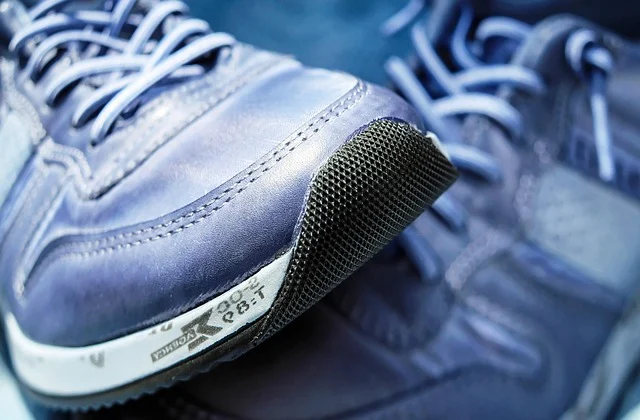
Dedicated cycling footwear overcomes these energy losses through three primary engineering mechanics:
- Sole stiffness: High-performance outer soles rated on stiffness scales made from glass-filled polyamide or carbon fibre composites do not bend around the pedal spindle. They distribute downward force evenly across the entire forefoot, eliminating acute pressure points.
- Plantar fascia preservation: Soft soles allow the arch of the foot to collapse under force. This strains the plantar fascia and requires stabilizing muscles in the calf to work harder. Stiff soles maintain a neutral plantar structure, saving muscle energy for propulsion.
- Mechanical connection and retention: Mechanically locking the foot to the pedal using cleats (or gripping via specialized pacified rubber outsoles) prevents slippage during wet conditions, high-cadence intervals, and out-of-the-saddle climbing efforts.
How clipless shoe systems work: two-bolt vs three-bolt
The phrase “clipless shoes” often confuses new riders because you physically clip the shoe into the pedal. The terminology originated in the mid-1980s when manufacturers replaced old-fashioned metal toe-clips and leather straps with spring-loaded step-in bindings similar to ski bindings. [cyclingnews.com] Modern clipless shoes feature threaded metal mounting holes on the sole to accept mechanical cleats.
Two-bolt SPD systems
Two-bolt systems (originally developed as Shimano Pedaling Dynamics, or SPD) use a small steel cleat mounted into a recessed groove inside a treaded rubber sole. Because the cleat sits below the outer tread lugs, you can walk on pavement, gravel, or dirt without crunching metal against the ground. We recommend two-bolt shoes for gravel riding, mountain biking, touring, and daily urban commuting where walking off the bike is required.
Three-bolt road systems
Three-bolt road systems (such as Look Keo or Shimano SPD-SL) use larger, triangular plastic cleats mounted flush against a flat, smooth sole. These broad cleats create a wide contact patch with the pedal body, which minimizes forefoot pressure during maximum sprinting efforts. However, because the plastic cleat protrudes beneath the sole, walking on hard surfaces is awkward and slippery. Three-bolt shoes are best suited strictly for dedicated road cycling where walking is minimal.
Comparing shoe types for different cycling disciplines
Selecting the right cycling shoe depends on your discipline, how much walking you expect to do, and your desired sole rigidity.
| Shoe Category | Cleat Standard | Sole Construction | Walkability | Ideal Discipline |
|---|---|---|---|---|
| Road Clipless | 3-Bolt Flush | Carbon Matrix / Nylon | Poor (Exposed Cleat) | Road Racing, Sportifs, Criteriums |
| Off-Road Clipless | 2-Bolt Recessed | Nylon with Rubber Tread | Good (Treaded Lug) | Gravel, XC MTB, Bike Touring |
| Flat Pedal Cycling Shoes | None (Flat Sole) | Stiff Rubber Shank | Excellent | Trail MTB, Enduro, Commuting |
Flat pedal cycling shoes are a distinct category. Unlike standard leisure trainers, flat pedal bike shoes incorporate stiff internal shanks and high-friction rubber compounds (such as Five Ten Stealth or Vibram Megagrip). These specialized rubber compounds allow pedal traction pins to bed deeply into the sole without tearing the material, delivering tremendous control without locking you mechanically to the bike pedal.
Achieving the right fit for cycling shoes
Sizing cycling footwear requires a different mindset than buying everyday street shoes. Because cycling shoes do not bend across the toe joints during a walking stride, you do not need excessive space in front of your toes, but you must account for foot swelling under load.
Volume, toe box width, and foot expansion
During sustained cycling efforts, increased blood flow and core temperature expand foot volume by up to half a shoe size. A shoe that feels tightly snug in a sitting room will likely cause severe foot numbness or hot spots after 20 miles on the road. The toe box must provide enough width for the metatarsal heads to lie flat without pinching, while the heel cup should hold the rearfoot firmly without slipping upwards during the upstroke.
Retention systems
The upper closure mechanism dictates how evenly pressure is distributed across your instep:
- BOA Dials and Steel Cables: Micro-adjustable rotary dials tighten or loosen in millimeter increments. They allow fine adjustments while riding to account for foot swelling.
- Velcro Straps: Simple, lightweight, and weather-resistant, but offer less granular tension control across varying instep heights.
- Laces: Provide smooth pressure distribution without pinpoint binding, though they cannot be adjusted while moving on the bike.
Proper foot support inside the shoe is equally vital. Stock footbeds in cycling shoes are often thin and flat; adding structured orthotic footbeds helps prevent arch collapse and inward knee roll during downstroke pressure. If you are refining your overall riding ergonomics, pairing correct shoe fit with proper saddle contour is essential; see how saddle profile impacts rider stability.
Setting up cleats for proper anatomical alignment
Mounting cleats incorrectly on your cycling shoes can cause knee inflammation, Achilles tendon discomfort, or acute forefoot numbness. Spending time to align cleats anatomically prevents long-term joint stress.
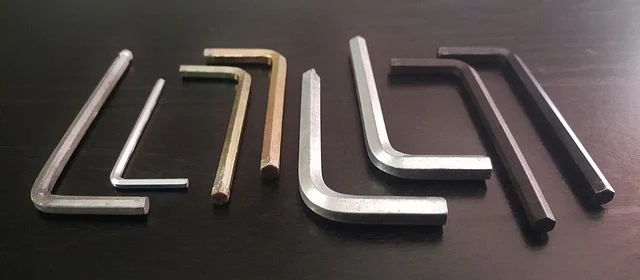
Follow these steps to establish a neutral cleat setup:
- Locate the metatarsal joints: Put on the shoe and locate the 1st metatarsal joint (inside ball of big toe) and 5th metatarsal joint (outside base of pinky toe). Mark both points on the upper sole margin with masking tape.
- Set fore and aft position: Position the center line of the pedal axle directly between these two marks. Sliding the cleat slightly further back towards the heel reduces calf muscle strain and stabilizes the ankle during endurance riding.
- Adjust lateral stance width: Adjust the cleat sideways to match your natural hip-to-pedal alignment. A stance that is too narrow forces the knee outward, while an excessively wide stance strains inner knee ligaments.
- Set rotational angle and float: Adjust the cleat angle so your feet rest at their natural walking angle (neutral, slightly turned out, or turned in). Choose a cleat with sufficient angular float (typically 3 to 6 degrees) to allow your knees to track smoothly without mechanical resistance.
- Torque fixing bolts correctly: Tighten cleat screws evenly using a torque wrench to 5-6 Nm. Check cleat bolt tightness periodically, as loose screws can slip or fall out mid-ride.
When dedicated cycling shoes are not necessary
While dedicated cycling shoes offer major efficiency advantages, they are not always required or practical for every bicyclist:
- Heavy urban commuting: Commuters navigating frequent traffic signals and pedestrian crossings often prefer standard flat pedals. Stiff urban trainers provide rapid foot-down stability.
- Multi-modal travel and utility riding: If your journey involves walking through shops, office buildings, or train stations, off-bike comfort and walking safety take priority over maximal power transfer.
- Novice cyclists: Beginner riders working on fundamental bike handling, balance, and emergency braking benefit from building confidence on flat pedals before transitioning to clipless engagement.
Related guides
Sources: List of shoe styles
Frequently asked questions
Do cycling shoes make you faster?
Yes, cycling shoes increase overall efficiency by providing a rigid sole platform that prevents energy loss through flexing. While they do not generate power themselves, they transfer more of your muscular leg effort directly into forward propulsion and reduce foot muscle fatigue.
Can you cycle long distances in normal trainers?
You can complete long rides in trainers, but the flexible foam soles bend over the pedal body, causing foot arch soreness, hotspots, and wasted energy. Dedicated cycling shoes maintain foot structure and distribute pedal forces far more comfortably over long distances.
Why do my feet go numb while cycling in shoes?
Numbness is typically caused by narrow toe boxes, overtightened straps over the instep, or cleats positioned too far forward toward the toes. Sliding cleats slightly back toward the midfoot and loosening closure tension relieves pressure on plantar nerves and arteries.
What is cleat float in cycling shoes?
Cleat float refers to the built-in angular rotation allowed by the cleat mechanism before the shoe disengages from the pedal. Float allows your knee and ankle joints to follow their natural biomechanical path during the pedal stroke, preventing joint strain.