
 By Hashim Hashmi

Women’s bicycle shorts are specialized athletic bottoms important for comfortable cycling, featuring a female-specific chamois pad, moisture-wicking fabrics, and secure leg grippers designed to prevent chafing and reduce pressure on sit bones. They are engineered to be worn without underwear, directly against the skin, to transform rides into smooth, pain-free experiences.
Most cyclists quickly learn that riding in street clothes or standard athletic wear leads to chafing, bunching fabric, and painful pressure points. Standard gym shorts lack the foam architecture needed to protect soft tissues against a hard bike saddle. However, investing in a proper pair of women’s shorts transforms hours in the saddle from an endurance test into a smooth, pain-free ride. Whether you are commuting, training for long road rides, or tackling gravel trails, choosing the right pair is essential for comfort and performance.
What Makes Women’s Bicycle Shorts Different from Men’s?
Women’s bicycle shorts are built around female anatomy, specifically accounting for pelvic structure, ischial tuberosity (sit bone) spacing, and soft tissue sensitivity. A unisex or men’s short generally features a narrower rear padding area and a longer front section, which can cause severe pressure or excess fabric bunching on a female rider.
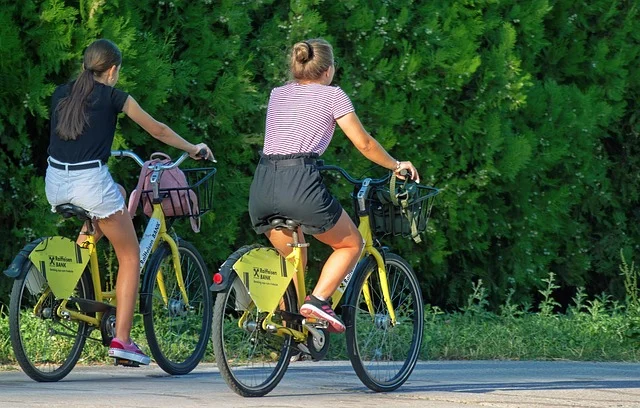
The core differences include:
- Chamois shape and width: Women’s chamois pads are wider at the rear. This matches broader sit bone placement. They are also shorter front-to-back. This prevents unwanted material in the front.
- Pressure-relief channels: The center channel is contoured. It relieves pressure on delicate soft tissue. However, men’s pads focus pressure relief differently. Their central channel runs further forward.
- Waistband cut: Women’s waist shorts feature a higher rise at the back. Also, they have a V-shaped or wider, non-binding front band. This design prevents the waist from digging into your abdomen. It helps when you bend forward in a riding posture.
- Torso length on bibs: Women’s bib straps are positioned wider apart across the chest or feature a central Y-strap design to fit comfortably over or around the bust.
What Are the Key Components of a Quality Cycling Short?
Understanding cycling short construction helps you. You can evaluate quality. Also, you can predict performance on long rides.
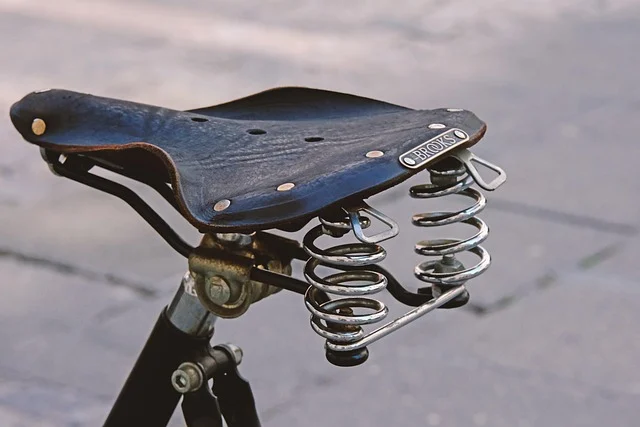
Every quality pair relies on five main design elements:
- The Fabric: High-grade shorts blend synthetic nylon or polyester with elastane (Lycra/spandex). This blend offers four-way stretch, active moisture management to pull sweat off skin, and mild muscle compression to lower fatigue.
- The Chamois (Pad): The cushioned foam insert sewn into the crotch. High-end pads use multi-density open-cell foam that cushions heavy impacts while remaining breathable.
- The Waistband or Straps: Waistbands must anchor the shorts without constricting breathing. However, bib straps replace the waist elastic entirely with breathable mesh bands over the shoulders.
- Leg Grippers: Wide elastic bands lined with microscopic silicone dots or laser-cut compression grippers hold the thigh hems firmly in place so they do not ride up during pedal strokes.
- Flatlock Seams: Off-center, flat-stitched seams eliminate thick ridges of material that cause seam rub against inner thigh skin.
How Do You Choose Between Waist Shorts, Bib Shorts, or Padded Liners?
Choosing between standard waist shorts, bib shorts, or liner shorts depends on ride duration, personal preference, and bathroom convenience.
Standard Waist Shorts rely on a soft, wide elastic band around your waist. They are fast to pull on for women bicycle shorts. Also, they are easy during bathroom breaks. However, the waistband can roll over. It can also dig into your stomach when you tuck down into low handlebars. So, the chamois can occasionally shift downward during long efforts.
Bib Shorts use shoulder straps. They replace waist elastic. No waistband exists. Bibs will not dig into your stomach. They hold the chamois firmly. This occurs during the entire pedal stroke. Bathroom breaks are the primary drawback. Traditionally, this meant taking off your jersey. Modern designs address this. They offer various access points. These include drop-tail, halter-neck, or rear-zip designs. For example, Endura’s FS260 DropSeat system allows quick bathroom access for women bicycle shorts. You do not remove upper layers.
Cargo and liner short styles
Cargo or Pocket Shorts are popular. You find them in waist and bib styles. Brands like Baleaf, Heathyoga, and Rapha use stretchy side leg pockets. These pockets hold a phone, snacks, or small tools. Women bicycle shorts with pockets are ideal for long adventure rides. Also, extra storage helps on these rides.
You can wear Padded Liner Shorts under baggy mountain bike shorts, casual shorts, or even dresses. They offer necessary chamois padding. However, they provide a more relaxed, non-cycling specific outer appearance. These women bicycle shorts are excellent for mountain biking, commuting, or any ride. You can also wear them when you prefer a less form-fitting look off the bike.
| Short Style | Waistband Comfort | Chamois Stability | Bathroom Convenience | Best Riding Use |
|---|---|---|---|---|
| Waist Shorts | Moderate (can roll or dig) | Moderate | High (quick and easy) | Short commutes, spin class, recreational rides |
| Standard Bib Shorts | High (no waistband pressure) | Exceptional (zero shift) | Low (requires jersey removal) | Road riding, long distance endurance |
| Drop-Seat Bib Shorts | High (no waistband pressure) | Exceptional (zero shift) | High (zipper or stretch flap) | All-day road riding, touring, gravel |
| MTB / Baggy Liner Shorts | Variable (worn under shorts) | Moderate to High | Moderate | Mountain biking, casual town riding, under dresses |
How Do You Choose the Right Chamois Pad Density and Thickness?
A common mistake is assuming that a thicker chamois always provides better comfort. However, excessively thick or squishy foam bunches up inside the groin, leading to increased friction, sweat build-up, and painful chafing.
Pad selection should match your riding style and position:
- Endurance Road and Gravel (2+ Hours): Requires medium-thickness, high-density foam (ranging between 80 kg/m³ and 120 kg/m³ density). High-density foam supports sit bones without bottoming out under your body weight over several hours.
- Racing and Short Time-Trials: You need a thin, minimalist pad for these activities. In aggressive, forward-leaning positions, heavy padding creates pressure in the perineal region. So, a firm, low-profile pad protects key contact points without adding bulk.
- Casual and Urban Riding: Works best with a medium-density, flexible chamois that offers light cushioning without feeling cumbersome when walking off the bike.
Look for smooth top-sheets made with anti-bacterial face fabrics. Also, micro-perforated channels inside the foam core allow heat and perspiration to evaporate rapidly, keeping skin dry.
How Should Women’s Bicycle Shorts Fit on Your Body?
Fit is the single most critical factor in preventing discomfort. Even the most expensive shorts will cause sores if they do not fit correctly.

Steps to Ensure a Correct Fit
Follow these steps when trying on a new pair of shorts:
- Remove all underwear: Bike shorts are engineered for bare skin. Underwear adds cotton seams. These seams create severe friction. They also trap moisture.
- Pull the shorts high into the crotch: Ensure there is no gap or air space between the chamois pad and your skin. The chamois must sit flush against your body.
- Assume the riding position: Bend at your hips, hinge forward, and place your hands forward as if holding handlebars. Then, check if the waistband digs in or if bib straps feel overly tight across your shoulders.
- Check compression across the thighs: The fabric should feel snug like a firm second skin without cutting off circulation or creating a bulging “sausage leg” effect at the leg grippers.
- Inspect for loose fabric: Excess material anywhere on the buttocks, legs, or chamois will fold over and chafe during pedaling. If the fabric wrinkles easily, size down.
Who Standard Fits Do Not Suit
Extra-long or short torsos can make bib straps too tight or loose. If you have a long torso, seek high-stretch mesh straps. Adjustable halter necks also work well for a long torso. If you have sensitive skin or leg swelling, avoid tight elastic leg bands. Instead, choose laser-cut leg cuffs. These often have wide, flat silicone grippers. This advice applies to women bicycle shorts and other cycling apparel.
How to Wear Women’s Cycling Shorts
Proper wearing of women’s cycling shorts extends beyond fit. Also, pair them with other apparel. First, understand their functional purpose. Always wear women bicycle shorts without underwear. The chamois is the only layer against your skin. It manages moisture and reduces friction. For road cycling, pair with a moisture-wicking jersey. This complements the shorts’ performance. For mountain biking or casual rides, use padded liner shorts. Wear them discreetly under baggy shorts or a dress. This offers comfort without the form-fitting aesthetic.

Consider inseam length based on your preference and riding style. Common options are 7-inch and 9-inch. A longer inseam offers more coverage. It can prevent chafing higher on the thigh. However, a shorter inseam suits warmer weather. Some riders prefer less fabric. Women bicycle shorts with pockets are excellent. Pockets are often on the side of the thigh. They carry essentials without a jersey or separate bag.
How to Prevent Saddle Sores and Friction Issues
Saddle sores are skin irritations. They can also be hair follicle inflammation or fluid-filled bumps. Friction, heat, and moisture in the saddle area cause them. Preventing them requires smart gear habits and good hygiene.
Apply these practical solutions to prevent skin breakdown:
- Never wear underwear: Always wear cycling shorts directly against your skin. Underwear seams, however, act like sandpaper against skin under constant body weight.
- Use chamois cream when necessary: On rides longer than two hours, apply an anti-bacterial chamois cream either directly to your skin or to the top surface of the chamois pad. This reduces friction between your body and the pad fabric.
- Change immediately post-ride: Remove damp cycling shorts right after finishing a ride. Bacteria, as a result, multiply quickly in warm, damp chamois foam. Wash the seating area with mild soap immediately.
- Check saddle tilt and height: Do you experience persistent inner thigh rubbing or pressure? This can happen even with fitted shorts. If so, your saddle may be too high. It might also be angled improperly.
How Do You Wash and Maintain Cycling Shorts So They Last?
Proper cleaning preserves elasticity, prevents antibacterial treatment breakdown, and keeps foam densities firm over thousands of miles.
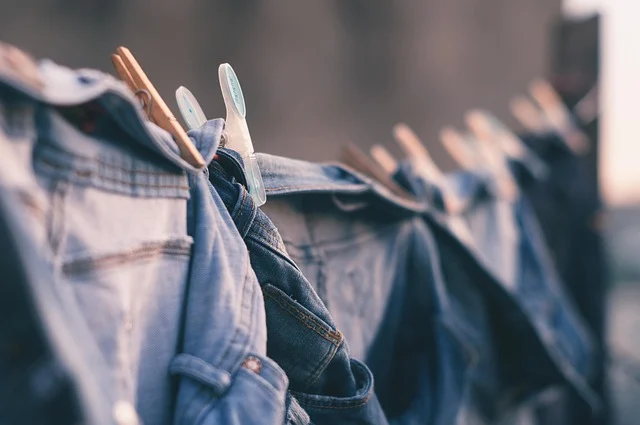
Follow this step-by-step care routine after every ride:
- Wash after every single use: Never wear cycling shorts twice without washing. Sweat salts and skin oils, for example, break down Lycra fibers and cultivate bacteria within the foam pad.
- Pre-rinse or wash inside out: Turn shorts inside out so the chamois receives direct exposure to water and detergent. Place them in a mesh laundry bag to protect straps from catching on zippers.
- Use cold water and mild liquid detergent: Select a gentle wash cycle with cold water. Also, avoid powdered detergents that leave coarse residue inside the foam.
- Never use fabric softener: Fabric softeners coat performance synthetic fibers, clogging breathable pores and destroying moisture-wicking and elastic properties.
- Line dry only: Hang shorts to air dry in a well-ventilated area away from direct sunlight. Never put cycling shorts in a tumble dryer; heat, because, melts Lycra elastic strands and deforms foam pads.
With proper care, high-quality bib shorts can last about three to four years of regular use. [cyclingweekly.com] [cyclingweekly.com] Replace your shorts when the chamois feels noticeably thin, the fabric becomes sheer, or the leg grippers lose elasticity.
How Do Specialty Shorts Differ Across Cycling Disciplines?
Different cycling disciplines place distinct demands on apparel design.

Road Riding: Features streamlined, highly compressive bib shorts designed for maximum aerodynamic efficiency and continuous seated pedaling over smooth pavement. These typically have no pockets, focusing purely on speed and aerodynamics.
Gravel Riding: This activity prioritizes storage and durability. Gravel shorts combine high-density padding for rough roads with abrasion-resistant side panels. In addition, mesh thigh pockets carry extra gear. As a result, they are ideal for long, self-supported adventures.
Mountain Biking: You need padded liner shorts. Wear them under loose, durable trail shorts. The inner liner has breathable mesh side panels. This maximizes air movement. It helps on slow, technical climbs. Women bicycle shorts also offer protection. The outer layer shields from trail debris.
Commuting and Fitness Riding: Emphasizes quick convenience and discreet style. Discrete inner padded underwear or lightweight waistband shorts work well for short urban trips where you want comfort without looking like a full-road cyclist when stepping into a shop or office.
Sources: Shorts
Frequently Asked Questions
Do women need specific cycling shorts?
Yes. Women’s shorts feature anatomically tailored chamois pads. These pads are wider at the rear and shorter in front. As a result, they relieve pressure on soft tissues. They also match female sit bone geometry.
How tight should women’s cycling shorts be?
They should fit like a firm second skin without restricting breathing or pedal movement. There should be no loose fabric, gaps, or folds around the crotch or thigh area.
Can I wear regular underwear under cycling shorts?
No. You should never wear underwear under cycling shorts. Because underwear introduces thick seams and cotton fabric that trap moisture, it leads directly to severe chafing and saddle sores.
How often should I replace my cycling shorts?
With proper cold-water care and air drying, quality cycling shorts last about 5,000 to 10,000 miles. [ccnsport.com] Replace them when the foam chamois stays flattened or the fabric becomes thin and see-through.
Are bib shorts better than waist shorts for women?
Bib shorts provide superior comfort on longer rides because they eliminate tight waistbands that dig into your stomach when leaned forward. Modern drop-tail designs also make bathroom breaks simple and quick.
What are women’s biker shorts?
The term “biker shorts” can refer to two things: performance-oriented cycling shorts with a chamois pad, or a fashion trend of snug, often unpadded, shorts worn for casual wear or light exercise. For cycling, always choose padded shorts designed for the bike.
Where can I buy women’s bike shorts?
You can purchase women’s bike shorts at dedicated cycling shops (locally or online), general sporting goods stores, and directly from clothing brands’ websites. When buying, ensure you can try them on to check the fit, especially the chamois and leg grippers.
Source: Britannica.
Related Articles
- Bike Power Metre: What You Need to Know
- Gravel Bike vs. Road Bike: Do You Need One or Can You Use the Other?
- Specialised Sirrus: Is This Fitness Bike Right for You?