
 By Hashim Hashmi
The Specialized Sirrus is a lineup of flat-bar fitness and hybrid bicycles designed to balance road bike speed with the comfortable upright posture of a city bike. Built around lightweight aluminium or carbon frames with disc brakes, the Sirrus range spans smooth-pavement models and gravel-ready Sirrus X variants for all-road riding.
Whether you need a swift daily commuter, a comfortable machine for weekend fitness rides, or an all-road bike capable of handling gravel tracks, the Sirrus family offers configurations across multiple price points. Understanding how frame materials, suspension options, and drivetrains differ across the range makes it easier to choose the right bike for your riding goals.
What makes the Specialized Sirrus frame and design unique?
Specialized builds the Sirrus around an upright fitness geometry that sits between a low, aggressive road race position and the high, relaxed posture of a Dutch city bike. This design keeps your neck and shoulders relaxed while placing your hands in a natural position on flat handlebars, improving line-of-sight in urban traffic without sacrificing pedalling efficiency.
The core frame designs across the range rely on two distinct construction methods and materials:
- A1 Premium Aluminium: Found on entry and mid-level models (such as the Sirrus 1.0, 2.0, and 3.0, as well as Sirrus X 2.0 and 3.0). Butted alloy tubes keep the weight low while providing high frame stiffness for direct acceleration.
- FACT 9r Carbon: Found on top-tier models (such as the Sirrus 6.0 and Sirrus X 5.0). Carbon construction reduces overall weight and absorbs high-frequency surface vibration before it reaches your hands and seat.
- Compliance Junction Frame Architecture: Top-tier carbon Sirrus frames feature a unique open frame layout behind the seat tube. By disconnecting the seatstays from the seat tube junction and routing them lower into the down tube area, the seat tube flexes controlled amounts over bumps, dramatically reducing seat shock without adding rear coil suspension weight.
Higher-spec models also integrate Specialized’s Future Shock suspension system. Unlike traditional suspension forks that compress beneath the frame, Future Shock sits inside the steerer tube above the head tube. It provides 20mm of vertical travel directly beneath the stem, dampening road chatter and pothole strikes at your hands without causing front-end brake dive or bobbing during standing climbs.

How do standard Sirrus models compare to Sirrus X?
Choosing between the standard Sirrus and the Sirrus X comes down to the road surfaces you plan to ride most often. Both feature flat handlebars and upright geometry, but their tyre clearances, drivetrains, and forks cater to different terrain.
Standard Sirrus: Fast rolling on tarmac
The standard Sirrus is optimized for smooth pavement, paved cycle paths, and fast city transport. Key characteristics include:
- Tyre specifications: Fitted with 700x32c or 700x35c fast-rolling road tyres with subtle water grooves. Maximum frame clearance generally tops out around 700x38c without mudguards.
- Drivetrain setup: Lower to mid-range models use 2x double chainring setups (such as Shimano Tourney, Claris, or Tiagra) to deliver tight gear steps, helping you maintain a steady cadence on flat terrain and long road climbs.
- Handling feel: Direct, nimble steering response suited for quick lane changes, tight urban corners, and maintaining high average speeds on smooth asphalt.
Sirrus X: Multi-surface and gravel capability
The Sirrus X is designed for riders who regularly mix asphalt with unpaved canal towpaths, forest fire roads, and deteriorated urban tarmac. Key characteristics include:
- Tyre specifications: Stocked with wider, textured 700x42c tyres (such as Pathfinder Sport or Pro). Frame clearance extends up to 700x47c, allowing lower tyre pressures for traction and cushion over loose gravel.
- Drivetrain setup: Equipped exclusively with 1x (single chainring) drivetrains paired with wide-range rear cassettes (such as 11-42T or 11-50T). A clutch-equipped rear derailleur prevents chain drop and quietens slap over rough ground.
- Handling feel: Slightly wider handlebars and stable geometry boost rider confidence on loose gravel and steep, rutted descents.
Model lineup comparison across the range
The following table compares specifications across popular current Sirrus and Sirrus X tiers to help match features to your budget and riding style:
| Model Tier | Frame & Fork | Drivetrain | Brake Type | Tyre Size | Best Surface |
|---|---|---|---|---|---|
| Sirrus 1.0 | A1 Alloy frame, Hi-Ten Steel fork | 2×8 Shimano Tourney / MicroSHIFT | Mechanical disc brakes | 700x32c slick | Paved city roads |
| Sirrus 2.0 | A1 Alloy frame, Steel fork | 2×8 MicroSHIFT or Shimano Acera | Hydraulic disc brakes | 700x32c slick | Tarmac commuting |
| Sirrus 3.0 | A1 Alloy frame, Carbon fork | 2×9 Shimano Sora or MicroSHIFT | Hydraulic disc brakes | 700x32c slick | Fitness & long pavement |
| Sirrus X 2.0 | A1 Alloy frame, Alloy fork | 1×8 MicroSHIFT Acolyte | Hydraulic disc brakes | 700x40c semi-slick | Urban & smooth paths |
| Sirrus X 3.0 | A1 Alloy frame, Carbon fork | 1×9 MicroSHIFT Advent X | Hydraulic disc brakes | 700x42c gravel tread | Mixed pavement & trail |
| Sirrus X 4.0 | A1 Alloy frame, Future Shock 1.5 carbon fork | 1×11 SRAM NX or Shimano Deore | Hydraulic disc brakes | 700x38c all-road | Rough roads & light gravel |
| Sirrus X 5.0 | FACT 9r Carbon Compliance frame, Future Shock 1.5 | 1×12 SRAM Apex 1 | Hydraulic disc brakes | 700x38c Pathfinder | Gravel, endurance, fast multi-surface |
What features matter most when selecting a Sirrus?
When selecting a specification tier, prioritize component choices that directly alter comfort, stopping reliability, and gear simplicity.
Hydraulic disc brakes vs mechanical disc brakes
Entry-level models like the Sirrus 1.0 use mechanical (cable-actuated) disc brakes. They stop reliably in dry conditions but require stronger hand force on levers and frequent manual pad adjustment as pads wear down.
Stepping up to the Sirrus 2.0 or Sirrus X 2.0 gains hydraulic disc brakes (Tektro, Promax, or Shimano). Hydraulic systems self-adjust for pad wear and require minimal lever pressure to lock in strong, predictable stopping power in heavy rain or gritty trail conditions.
1x vs 2x drivetrains
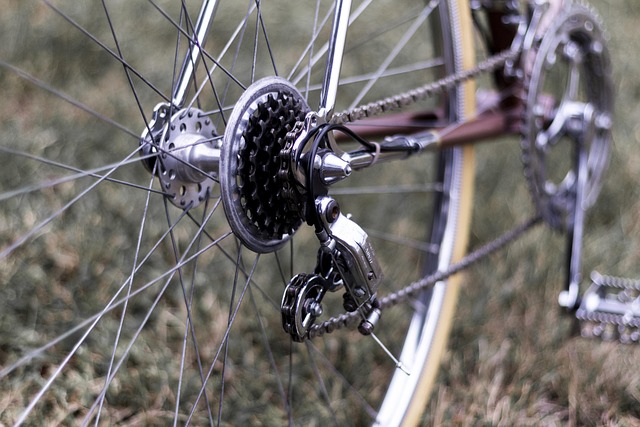
A 2x drivetrain uses two front chainrings and a front derailleur. It yields small jump steps between gears, which helps road riders maintain their preferred pedalling cadence on long flat sections. However, front derailleurs require proper cable tension and trimming to prevent chain rub.
A 1x drivetrain eliminates the front derailleur entirely, using a single front chainring with tall/narrow alternating teeth (narrow-wide profile) and a wide cassette at the back. Changing gears becomes simpler with a single shifter on the right handlebar grip, reducing maintenance and preventing jammed chains off-road.
Touchpoints and accessory mounts
Every Sirrus includes Specialized Body Geometry touchpoints. Contour grips spread pressure across the palm to minimize ulnar nerve numbness, while Body Geometry saddles feature full cut-outs to support sit bones and maintain blood flow.
For daily practical use, frame and fork eyelets allow direct attachment of full-coverage mudguards and rear pannier racks. Rack mounts on the rear stays accept panniers rated for daily tool kits, clothes, or shopping loads, making the Sirrus an adaptable platform for commuting across all weather conditions.
Who is the Specialized Sirrus best for (and who should avoid it)?
While versatile, the Sirrus is tailored to specific riding styles and may not suit every cyclist.
Ideal riders for the Sirrus:
- Urban commuters: Riders who need an upright, alert view over traffic, strong hydraulic disc braking in the rain, and frame mounts for lights and luggage.
- Fitness enthusiasts: Cyclists looking for a quick, responsive bike for exercise loops on tarmac or park trails who prefer flat handlebars over drop bars.
- All-road explorers: Riders choosing the Sirrus X to connect city bike lanes directly with forest fire roads, canal paths, and moderate gravel routes.
Who should choose a different bike?
- Dedicated road racers: If maximum aerodynamic speed, drop handlebars, and drafting in fast group road rides are your goals, an endurance road bike offers a more aggressive riding posture.
- Technical off-road mountain bikers: The Sirrus X handles gravel and dirt paths well, but lacks the frame geometry, long-travel air suspension fork, and wide clearance required for rock gardens, jumps, or steep singletrack trails.
- Heavy expedition tourers: While the Sirrus supports rear rack panniers, cyclists carrying 30kg or more of camping gear over multi-month tours will benefit from steel-framed touring bikes designed with longer wheelbases and higher weight ratings.
How to fix common issues on a Specialized Sirrus
Regular upkeep keeps the Sirrus shifting cleanly and braking quietly. Here are fixes for four common issues riders encounter:
1. Squealing or rubbing disc brakes
Discs often squeal when oil, grease, or road grime contaminates the pads and rotors, or when the brake caliper is misaligned with the rotor.
- Fix: Clean the brake rotors thoroughly using isopropyl alcohol or dedicated brake cleaner. If rubbing persists, loosen the two caliper mounting bolts slightly, squeeze the brake lever firmly to self-center the caliper body over the rotor, and retighten the bolts to specification while holding the lever.
2. Front derailleur chain rub on 2x models
On 2x models (such as Sirrus 1.0 or 2.0), the chain can rub against the inner or outer plate of the front derailleur cage in extreme gear combinations.
- Fix: Avoid extreme diagonal gear combinations (such as small chainring to smallest rear cog). Adjust the cable tension barrel adjuster at the shifter to center the cage over the chain in mid-cassette gears, or fine-tune the high (H) and low (L) limit screws on the front derailleur body.
3. Chain slap and noisy shifting on rough terrain
Lower-tier models without a clutch-equipped rear derailleur can experience chain slap against the right chainstay when riding over potholes or off-road bumps.
- Fix: Apply a neoprene or adhesive rubber chainstay protector to the frame stay. On 1x setups with clutch derailleurs, verify that the derailleur clutch switch is toggled to the “ON” position to maintain high chain tension.
4. Future Shock headset play or boot creaking
On models equipped with Future Shock, road grit can accumulate under the rubber protective collar, causing light creaking or minor play over heavy steering loads.
- Fix: Lift the rubber collar, wipe dirt away from the cartridge housing with a clean microfiber cloth, and apply a light coating of silicon lube to the exterior seal interface. Check that the side pinch bolts securing the collar to the steerer tube are torqued to manufacturer specification (typically 3.8 to 4.0 Nm).
Sizing guide and frame fit considerations
Choosing the correct frame size is essential to prevent knee, lower back, and neck strain during longer outings. Specialized sizing for the Sirrus range typically corresponds to the following rider height bands:
- Extra Small (XS): 150 cm to 158 cm (4’11” – 5’2″)
- Small (S): 155 cm to 165 cm (5’1″ – 5’5″)
- Medium (M): 165 cm to 175 cm (5’5″ – 5’9″)
- Large (L): 175 cm to 185 cm (5’9″ – 6’1″)
- Extra Large (XL): 185 cm to 193 cm (6’1″ – 6’4″)
- XXL: 191 cm to 198 cm (6’3″ – 6’6″)
When standing over the top tube, ensure you have at least 25mm to 50mm of clearance between your body and the frame tube. If you fall between two sizes, test riding both is recommended: choosing the smaller size yields slightly livelier steering response, while the larger size provides a taller stack height for an even more upright riding position.
Key maintenance checklist for daily riding
To ensure long-term durability and safety, follow this preventative maintenance routine for your Sirrus:
- Weekly tyre pressure check: Maintain tyres within the recommended pressure range printed on the sidewall (typically 45–65 PSI for 32c road tyres, 30–50 PSI for 42c Sirrus X gravel tyres).
- Drivetrain cleaning: Degrease and re-lube the chain every 150 to 200 kilometers, or immediately after riding in heavy rain to prevent premature cassette and chain ring wear.
- Brake pad wear check: Inspect pad thickness every month. Replace organic brake pads when the friction material wears down to less than 1mm thickness.
- Bolt torque verification: Periodically check stem, handlebar, seatpost collar, and rack mounting bolts with a torque wrench to avoid overtightening alloy or carbon components.
Proper maintenance ensures that your investment continues providing efficient, hassle-free transportation for daily fitness or cycling excursions across urban and unpaved routes alike.
Sources: Sirrus
Frequently asked questions
Is the Specialized Sirrus a good commuter bike?
Yes, the Specialized Sirrus is an excellent commuter bike due to its upright riding position, integrated rack and mudguard mounts, and reliable disc brakes. Standard models excel on smooth city streets, while Sirrus X variants comfortably handle rough tarmac, potholes, and gravel shortcuts.
What is the difference between Sirrus and Sirrus X?
Standard Sirrus models use narrower slick tyres (700x32c) and 2x or 1x road drivetrains tailored for speed on asphalt. Sirrus X models feature wider gravel tyres (up to 700x42c or larger), simple 1x drivetrains with clutch rear derailleurs, and optional Future Shock suspension for riding on unpaved trails and rough roads.
How much does a Specialized Sirrus bike cost?
Pricing ranges from around £600 to £800 for entry-level aluminium models with mechanical or basic hydraulic disc brakes, to £1,000 to £1,500 for mid-range alloy models with carbon forks and higher-grade drivetrains. Top-tier carbon frames featuring Future Shock suspension can cost from £2,000 up to £2,500+.
Are Specialized Sirrus bikes good for long-distance riding?
Yes, many riders use the Sirrus for long fitness rides and light touring. The upright posture reduces stress on lower back and neck muscles compared to drop-bar race bikes, while modern carbon forks and Future Shock suspension reduce vibration over multi-hour rides.
Can I put wider tyres on a regular Sirrus?
Most standard Sirrus frames accommodate tyres up to 700x38c without mudguards, providing extra comfort over rough surfaces. However, for tyre widths of 700x42c or larger, the Sirrus X variant is required for proper frame clearance.
What is the best Sirrus model for a beginner?
The Sirrus 2.0 or Sirrus X 2.0 offers the best overall value for beginners. Both supply an aluminium frame, durable components, and hydraulic disc brakes, delivering reliable stopping power and smooth shifting without requiring the higher investment of carbon models.
Source: Britannica.