
 By Hashim Hashmi

Van Rysel is Decathlon’s performance cycling brand, offering high-value road, gravel, and triathlon bikes, along with apparel and accessories, designed to provide competitive features and technology at accessible price points. Based in Lille, France, Van Rysel focuses on rigorous engineering and aerodynamic testing to deliver equipment suitable for ambitious amateurs and professional riders alike.
What is Van Rysel and Where is it From?
Van Rysel is the dedicated performance cycling brand within the Decathlon group, specializing in high-end road, gravel, and triathlon bicycles, as well as associated apparel and accessories. The name “Van Rysel” is Flemish for “From Lille,” paying homage to Lille, the city in Northern France where Decathlon’s global cycling development hub, the B’Twin Village, is located. This location in a region with a rich cycling heritage inspires the brand’s emphasis on rigorous engineering and competitive design.
Decathlon established Van Rysel specifically for performance road, gravel, and triathlon riding, while other brands like Triban cater to entry-level endurance, and Rockrider targets mountain biking. Decathlon’s extensive R&D capabilities, coupled with Van Rysel’s focus on competitive sport, allow for rapid innovation, aiming to deliver equipment that rivals premium brands at a competitive price point.
How Good are Van Rysel Bikes? Is Van Rysel a Good Brand?
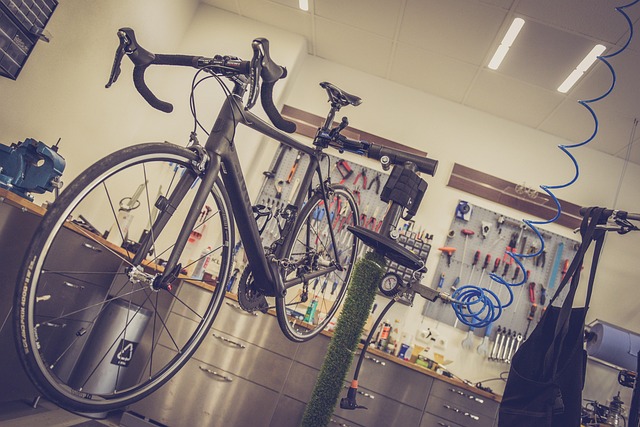
Van Rysel bikes are generally considered very good for their price point, offering a high performance-to-value ratio. They provide competitive features, advanced materials, and professional-level testing typically found in much more expensive brands. The brand uses Decathlon’s vast resources, supply chain, and retail network to keep costs down without compromising on performance or quality.
Van Rysel’s quality stems from several key aspects:
- Professional Development: Products are developed with input from professional Tour-level cyclists. Van Rysel supplies bicycles, helmets, and performance kit to professional WorldTour racing teams, including the Decathlon AG2R La Mondiale team, validating their equipment at the highest level of international competition.
- Advanced Materials and Engineering: Van Rysel utilizes high-modulus carbon fiber for its performance frames, focusing on stiffness, weight reduction, and aerodynamic efficiency. Technologies like truncated airfoil tube shapes and integrated internal cockpits are incorporated to minimize drag.
- Rigorous Testing: Products undergo extensive Computational Fluid Dynamics (CFD) analysis and wind-tunnel testing to optimize aerodynamics.
- Standard Components: Van Rysel bikes are built with standard, high-quality cycling components from major manufacturers like Shimano, SRAM, Deda, and Mavic. This ensures performance and means any qualified bicycle mechanic can service or upgrade a Van Rysel frame or drivetrain.
For riders prioritizing performance specifications and competitive pricing, Van Rysel presents a compelling option.
Van Rysel Bikes: Road, Gravel, and Triathlon Focus
Van Rysel’s bicycle range is primarily divided into three key areas: road, gravel, and triathlon. Each category is engineered with specific frame geometries, carbon layups, and component integration.

Van Rysel Road Bikes: RCR, EDR, and NCR Lines
The road bike lineup from Van Rysel is designed for speed, power transfer, and efficient handling on tarmac. The catalog is structured around three main series:
- RCR (Race, Carbon, Road) Series: Built for pure competitive racing and developed with input from aerodynamic specialists and professional Tour-level cyclists. These bikes feature truncated airfoil carbon tube shapes, high-modulus carbon fibre construction, and integrated internal cockpits to minimize aerodynamic drag. The RCR Pro model is their flagship race machine.
- EDR (Endurance, Design, Race) Series: Engineered for long-distance events and Gran Fondos. The EDR lineup balances frame stiffness with vertical compliance to absorb road surface vibration. It features a slightly higher stack height and tyre clearance typically up to 28mm or 30mm for long-distance comfort, ideal for riders prioritizing comfort over aggressive race geometry.
- NCR (Neo Countdown Race) Series: Designed as a versatile, modern carbon road platform. The NCR series offers an all-road geometric balance suitable for aggressive club rides, sportives, and training, featuring wider clearance up to 35mm tyres for mixed-pavement riding.
Van Rysel Gravel Bikes: All-Terrain Capability
The gravel bike segment is a major focus for Van Rysel, meeting the demands of off-road exploration and gravel racing. Models like the EDR-G CF (Endurance Design Race Gravel Carbon Frame) are engineered to perform across varied surfaces, from smooth asphalt to loose gravel, forest fire roads, and light singletrack.
Key design elements include:
- Generous tyre clearance (accommodating up to 42mm or 45mm 700c tyres) to increase traction and control over unpredictable surfaces.
- A slightly slacker head tube angle and extended wheelbase for high-speed stability on steep or loose gravel descents, improving confidence on technical terrain.
- Integrated mounting points for top-tube bags and bikepacking accessories.
Triathlon and Time Trial Bikes
Van Rysel caters to multi-sport athletes and time-trial specialists with dedicated aerodynamic machines. These platforms prioritize low wind resistance, featuring steep seat tube angles (around 78 degrees) to open the rider’s hip angle for efficient power output and a smoother transition to running.
Through Computational Fluid Dynamics (CFD) and wind-tunnel testing, Van Rysel shapes the tubing, fork blades, and integrated aero bars to reduce drag at high speeds, offering competition-grade aerodynamics without excessive price tags.
Comparing Van Rysel to Other Bike Brands
Understanding how Van Rysel fits into the broader bicycle market helps put its specifications and pricing into perspective:
| Feature / Aspect | Van Rysel (Decathlon) | Direct-to-Consumer Competitors (e.g., Canyon, Rose) | Traditional Dealer Brands (e.g., Trek, Specialized) |
|---|---|---|---|
| Price-to-Spec Ratio | Very High (offers electronic shifting & carbon wheels at lower price points due to Decathlon’s scale) | High (direct sales bypass distributor markups) | Moderate (higher overhead from multi-tiered distribution) |
| Retail Support | Hybrid: Global network of physical Decathlon workshops + online ordering. Allows for in-person viewing, test rides, and service. | Online direct shipping only (repairs handled via local partners or self-service). Limited ability to see bikes in person before purchase. | Extensive network of independent local bike shops. Offers personalized fitting, immediate service, and warranty support. |
| Frame Construction | High-modulus carbon developed with professional team feedback, focusing on aero and stiffness. | Engineered carbon frames with strong focus on weight and aero data, often featuring proprietary designs. | Proprietary carbon blends and custom compliance tech (e.g., IsoSpeed, Future Shock). Significant investment in unique frame features. |
| Customization | Fixed factory specifications and stock component packages. Limited options beyond choosing size. | Limited online component customization before checkout, usually offering choices on wheels or groupset tiers. | Varies: Off-the-floor builds to full custom paint/build programs on higher-end models, offering extensive personalization. |
| Brand Perception | Known for exceptional value and performance, but sometimes seen as a “store brand” rather than an independent cycling entity. | Respected for cutting-edge designs and aggressive pricing; strong appeal to tech-savvy riders. | Often seen as industry leaders with strong heritage, brand loyalty, and established reputations for innovation and quality. |
Step-by-Step: How to Select the Right Van Rysel Bike
Selecting the appropriate Van Rysel frame requires matching your riding style, physical flexibility, and budget to the correct line:
- Determine Your Primary Riding Surface and Goal:
- For maximum speed on smooth tarmac, racing, or fast group rides, choose the RCR (pure race) or NCR (versatile road) series.
- For multi-surface paths, coarse dirt roads, or gravel events, select the EDR-G gravel line.
- For triathlons or time trials, opt for their dedicated aero machines.
- Assess Your Riding Position and Flexibility:
- The RCR series uses an aggressive, low-cockpit geometry built for racers with good core strength and flexibility.
- If you prefer an upright posture that relieves lower back and neck strain on multi-hour rides, opt for the EDR series road bikes, which prioritize endurance comfort.
- The NCR offers a balanced geometry that falls between pure race and endurance.
- Choose Your Groupset Level:
- Mechanical Groupsets (e.g., Shimano 105, SRAM Apex): Ideal for high reliability, easy DIY maintenance, and budget-conscious performance.
- Electronic Groupsets (e.g., Shimano 105/Ultegra Di2, SRAM Rival/Force AXS): Recommended for precise, effortless shifting, customizable button layouts, and integrated hydraulic braking power.
- Evaluate Wheel and Tyre Options:
- Check whether your chosen build includes carbon or aluminum rims. Carbon wheels are lighter and more aerodynamic but increase the price.
- Verify tubeless compatibility if you plan to run lower tyre pressures for added comfort and puncture resistance. Many Van Rysel bikes now come with tubeless-ready setups.
- Consider Your Budget: Van Rysel offers excellent value across its range. Determine your maximum budget and then look for the best combination of frame, groupset, and wheels within that price point. Remember to factor in accessories like pedals, bottle cages, and a computer.
Van Rysel Apparel, Helmets, and Accessories (Including Bibs and Which Helmet)
Beyond bicycles, Van Rysel produces a complete eco-system of performance apparel and equipment.
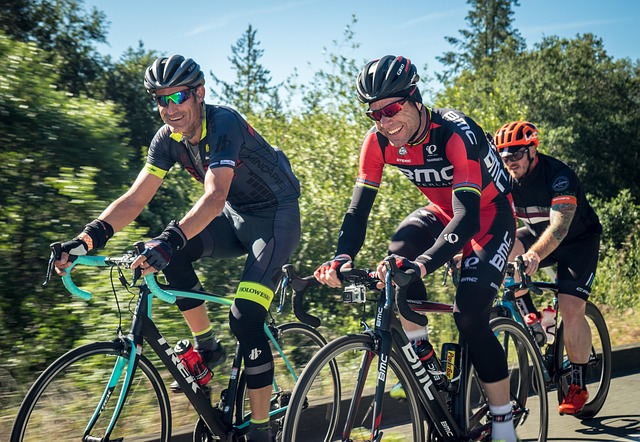
- Technical Clothing (Bibs & Jerseys): Jerseys and bib shorts feature race-cut ergonomic paneling, breathable fabrics, and high-density chamois inserts designed for long endurance rides. Their range includes options for various weather conditions, from lightweight summer jerseys to thermal winter gear.
- Targeted Innovation: The brand developed the EDR Menstrual Cycling Shorts as a specialized solution for female cyclists, incorporating integrated, multi-layer leak-proof protection.
- Helmets and Eyewear: Van Rysel helmets are tested for ventilation and aerodynamic drag in wind tunnels, with high-end models offering MIPS (Multi-directional Impact Protection System) safety tech. Popular models like the FCR (Fast Carbon Race) helmet are designed for maximum aero advantage, while the EDR helmet prioritizes ventilation and comfort. Their eyewear range includes performance glasses with interchangeable lenses for different light conditions.
- Indoor Training Essentials: The accessory range includes direct-drive smart trainers, trainer mats, sweat guards, and front-wheel risers for year-round indoor training support.
- Bike Accessories: They also offer essential bike accessories such as bottle cages, lights, bike computers, and tools.
Common Ownership Issues and Fixes for Van Rysel Bikes
While Van Rysel equipment offers strong value, owners often encounter a few operational scenarios worth addressing:
1. Variable Out-of-the-Box Gear Indexing
Problem: Bikes ordered online or purchased directly off the display floor at retail hubs may occasionally suffer from minor cable stretch or gear misalignment during shipping or initial assembly.
Fix: Perform a thorough pre-ride safety check. Use the derailleur barrel adjuster to index gears correctly, check limit screws, and verify all critical structural fasteners (stem, seatpost, axle) with a calibrated torque wrench before your first ride. Decathlon workshops can also perform a professional setup if you’re unsure.
2. Adjusting Cockpit Height with Internal Routing
Problem: Modern RCR frames run cables internally through the stem and headset spacers, making handlebar height adjustments look intimidating and seemingly requiring hydraulic brake line disconnection.
Fix: Van Rysel uses split headset spacers on many models. You can move these spacers above or below the stem to adjust stack height without disconnecting hydraulic brake lines or rerouting shift cables. Always re-torque stem bolts to manufacturer specifications.
3. Optimizing Factory Tubeless Setups
Problem: Tubeless-ready wheelsets shipped on complete bikes may lose air pressure quickly if the rim tape or valve stems are not fully seated or if the initial sealant application is insufficient.
Fix: Remove the tyre, clean the inner rim bed with isopropyl alcohol, and inspect the rim tape for wrinkles or damage. Re-tape with appropriate width tubeless tape and apply fresh sealant (typically 60-90ml per tyre) before inflating with a high-pressure floor pump or air compressor. Shake the wheel to distribute sealant and seal any small gaps.
4. Sizing and Fit Challenges for Online Purchases
Problem: When buying online, choosing the correct frame size and ensuring a comfortable fit can be difficult without trying the bike.
Fix: Consult Van Rysel’s detailed sizing charts on the Decathlon website. Compare these measurements with your own body dimensions and, if possible, compare them to a bike you already own. Decathlon stores often have display models for test rides, which is the best way to confirm sizing and fit. Consider a professional bike fit after purchase for optimal comfort and performance.
Who Van Rysel Is (and Is Not) For
Ideal For:
- Performance Cyclists on a Budget: Amateurs wanting electronic shifting, carbon frames, and high stiffness-to-weight ratios without paying boutique brand premiums.
- Competitive Club Riders & Triathletes: Athletes looking for wind-tunnel verified aerodynamic gains and reliable race components who value performance over brand prestige.
- Riders Seeking Local Store Support: Cyclists who prefer having a physical retail chain (Decathlon) available for basic warranty claims, accessories, and maintenance visits, offering a hybrid online/in-store experience.
- Value-Conscious Enthusiasts: Riders who appreciate getting high-spec components (like Shimano Di2 or SRAM AXS) on a carbon frame at a price point significantly lower than competitors.
Not Suited For:
- Brand Heritage Purists: Riders who prefer historic custom frame builders, niche brands, or high-end Italian boutique aesthetics over mass-production value.
- Extreme Off-Road Riders: Cyclists looking for full-suspension trail or downhill mountain bikes should consider Decathlon’s dedicated Rockrider range instead, as Van Rysel focuses on road and gravel.
- Bespoke Customizers: Buyers who want complete customization over paint colors, custom stem angles, or non-standard drivetrain mixes prior to delivery. Van Rysel offers fixed factory specifications.
- Riders Prioritizing the “Latest & Greatest” Exclusivity: While Van Rysel uses advanced tech, those seeking limited edition runs or the absolute bleeding edge of innovation with unique, proprietary systems might look elsewhere.
Where to Find Van Rysel Bikes and Products
Van Rysel products are available through Decathlon physical retail locations and their global e-commerce sites. This direct-to-consumer and retail hybrid model reduces intermediary overheads while keeping products easily accessible. You can explore the full range of Van Rysel bikes, apparel, and accessories on the official Decathlon website. For exact model availability, sizing charts, and regional pricing, visiting the Van Rysel section on Decathlon’s site is the most direct route.
Frequently asked questions
What does the name Van Rysel mean?
“Van Rysel” is Flemish for “From Lille.” The name pays homage to Lille, the city in Northern France where Decathlon’s global cycling headquarters and design center are located.
Is Van Rysel replacing the B’Twin brand?
No. Decathlon restructured its bike lines into dedicated sub-brands. Van Rysel focuses specifically on performance road, gravel, and triathlon riding, while Triban handles entry-level endurance bikes, and B’Twin focuses on urban and children’s bikes.
Are Van Rysel bikes used by professional cyclists?
Yes. Van Rysel supplies bicycles, helmets, and performance kit to professional WorldTour racing teams, including the Decathlon AG2R La Mondiale team, validating their equipment at the highest level of international competition.
Can any local bike shop repair a Van Rysel bicycle?
Yes. Van Rysel bikes use standard, high-quality cycling components from major manufacturers like Shimano, SRAM, Deda, and Mavic. Any qualified bicycle mechanic can service, tune, or upgrade a Van Rysel frame or drivetrain.
Which Van Rysel helmet should I choose?
Van Rysel offers various helmets designed for different purposes. The FCR (Fast Carbon Race) helmet is optimized for aerodynamics and speed, ideal for racers. The EDR (Endurance Design Race) helmet prioritizes ventilation and comfort for long rides. Consider your primary riding style and ventilation needs when choosing.