
 By Hashim Hashmi

Why should you wear cycling socks instead of normal socks?
Standard cotton socks retain moisture, expand when wet, and create friction that leads to painful blisters and hot spots during repetitive pedalling. Cycling socks are engineered specifically to fit inside rigid, narrow cycling footwear without altering the internal volume of the shoe. They use thin, synthetic filaments like polyamide (nylon) or natural Merino wool fibres. These pull sweat away from the skin toward the outer shoe upper, where airflow evaporates it.

Also, cycling footwear relies on a precise foot-to-sole interface. Excessive cushioning destabilizes the foot inside the shoe, causing micro-movements that waste pedalling energy and generate friction on long rides. Cycling socks feature high-density, low-loft knitting through the sole and arch, offering light targeted compression across the midfoot to keep the sock firmly in place. Proper footwear choices paired with accurate lighting for evening rides keep you safe and comfortable. You can read about this if you.
Which material is best for cycling socks?
The choice between synthetic fabrics and natural Merino wool depends primarily on ambient temperature and wet weather conditions. Synthetic yarns excel in high heat and humidity. Merino wool delivers superior thermal regulation and odour resistance in cold or changeable weather.
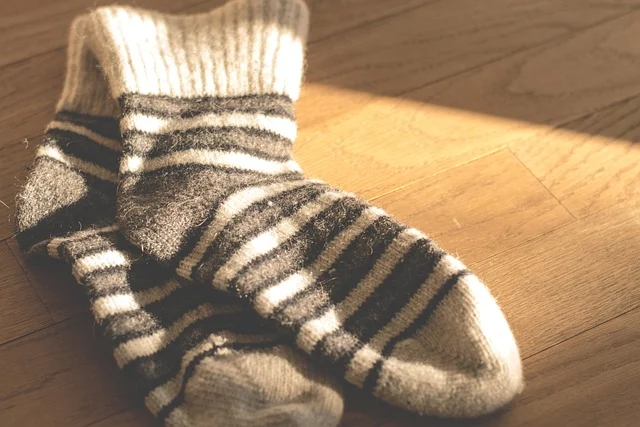
Polyamide and Nylon Synthetics: Polyamide provides exceptional abrasion resistance and durability. This makes it the standard base fibre for summer socks. Polypropylene is hydrophobic, meaning it absorbs almost zero water. It moves moisture rapidly off the skin, making it an excellent component for humid midsummer rides. Synthetic socks dry rapidly and retain their elastic structure over hundreds of wash cycles.
Merino Wool: Merino wool features microscopic crimped fibres that trap insulating air pockets. It wicks moisture vapor before it turns into liquid sweat. Unlike coarse wools, Merino fibres are soft against the skin. They maintain insulation even when damp from rain or spray. Merino is naturally antibacterial, allowing it to resist odour accumulation over multi-day rides.
Waterproof Membranes: For winter commuting and wet gravel riding, waterproof cycling socks integrate a breathable membrane sandwiched between an inner lining and an outer protective shell. While significantly thicker than standard socks, they keep feet dry when paired with standard road or gravel shoes.
| Material | Best Temperature Range | Moisture Management | Durability | Ideal Use Case |
|---|---|---|---|---|
| Polyamide / Nylon | 15°C to 35°C | High wicking, fast drying | Very High | Hot summer road and gravel rides |
| Polypropylene | 20°C to 40°C | Exceptional moisture transfer | Moderate | High-intensity summer racing |
| Merino Wool | -5°C to 15°C | High breathability, insulates when damp | Moderate | Spring, autumn, and winter riding |
| Waterproof Membrane | -5°C to 10°C (Wet) | Blocks external rain, moderate internal wicking | High | Wet winter commuting and trail riding |
What cuff height should you choose for cycling socks?
Cuff height is largely a balance between aesthetic preference, ankle protection, temperature control, and aerodynamic performance. Cycling socks typically range from low-cut styles up to 8 inches (20 cm) measured from the top of the ankle bone.
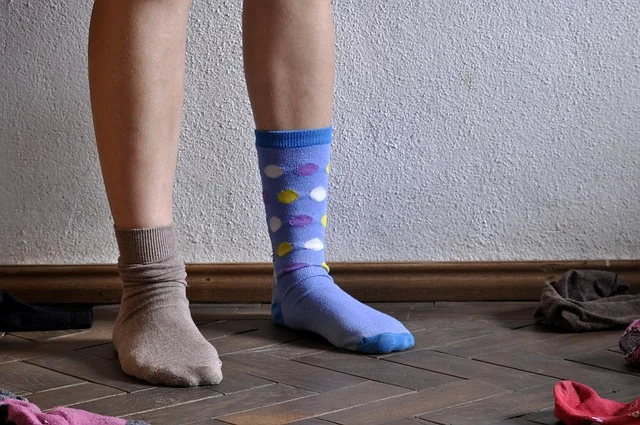
Low Cuff (3 inches / 7.5 cm): Low-cut socks sit just above the shoe collar. They expose maximum skin for cooling and minimize tan lines, making them popular among recreational riders in high heat. However, they offer minimal ankle protection against trail debris or flying gravel.
Mid Cuff (5 to 6 inches / 12.5 to 15 cm): The 5 to 6-inch height is the traditional standard for road cycling. It provides mild calf muscle support, prevents dirt from entering the shoe collar, and offers a balanced look suited to most road and gravel kits.
High Cuff and Aero Socks (7 to 8 inches / 18 to 20 cm): High-cuff socks have become the modern standard in competitive cycling. Aerodynamic cycling socks use textured wind-tunnel-tested fabrics (such as structured lycra or ribbed pinstripe channels) on the upper cuff section to smooth airflow around the lower leg. The Union Cycliste Internationale (UCI) strictly regulates sock height in professional racing, ruling that a sock must not extend beyond half the distance between the center of the lateral malleolus (ankle bone) and the middle of the fibular head (knee joint).
How do you solve foot pain and hot spots with cycling socks?
If you experience burning sensations or numbness on the sole of your foot during long rides, your socks may be contributing to the problem alongside your shoe fit and cleat placement. Matching your kit properly is as critical as selecting comfortable bike contact points, much like adjusting your setup for long rides.

Hot spots develop when localized pressure combines with heat and friction. A sock that is too thick reduces the available volume inside a shoe, pinching the metatarsal heads across the ball of the foot. If shoes fit tightly, an ultra-thin, low-cushion synthetic sock would be a good choice to maximize space inside the toe box. Conversely, if shoes have slight excess volume, a medium-cushion sock can eliminate micro-slippage that causes friction blisters.
Additionally, pay attention to the toe seam. Traditional flat-knit socks have a raised seam across the top of the toes that presses directly against the upper of rigid cycling shoes. Purpose-built cycling socks use hand-linked or smooth flatlock toe enclosures that lie completely flush against the skin.
How should you wash and care for cycling socks?
To preserve elasticity, compression bands, and moisture-wicking properties, wash cycling socks in cool water (30°C) on a gentle cycle. Turn socks inside out before washing to remove accumulated sweat and skin oils from the internal footbed fibres.

Avoid using fabric softeners or liquid conditioners. Softeners leave a waxy silicone coating on technical fibres that clogs the synthetic micropores. This drastically reduces their ability to wick sweat. For Merino wool socks, use a wool-specific detergent or mild liquid soap. Air dry your socks flat or on a drying line; high heat from tumble dryers degrades elastane threads, causing socks to lose shape and sag around the calf.
Related guides
Sources: Sock, How to Choose Socks
Frequently asked questions
Can you use running socks for cycling?
Yes, high-quality running socks made from synthetic or Merino fabrics can work for short rides. However, they are often thicker around the heel and toe than ideal for rigid cycling shoes. Cycling-specific socks feature a thinner overall construction and higher cuffs to prevent rubbing from stiff shoe uppers and dirt ingress.
Why do cycling socks need to be tall?
Tall cycling socks protect the lower calf from road spray, grit, and thorns. They provide light muscle compression around the Achilles tendon. In competitive road riding, tall socks with textured fabrics also lower aerodynamic drag compared to bare skin.
How tight should cycling socks fit?
Cycling socks should fit snugly without any bunching or sagging across the foot arch and heel pocket. A proper fit feels like a second skin. It ensures there is no excess material to gather inside the shoe and cause friction or hot spots.
Do expensive cycling socks really make a difference?
Higher-priced cycling socks use superior materials like fine-gauge Merino wool or multi-density synthetic knits with flatlock toe seams that retain shape after repeated washings. Quality cycling socks are recommended because cheap cotton or loosely knit options expand when wet and lead to painful blisters.