
 By Hashim Hashmi
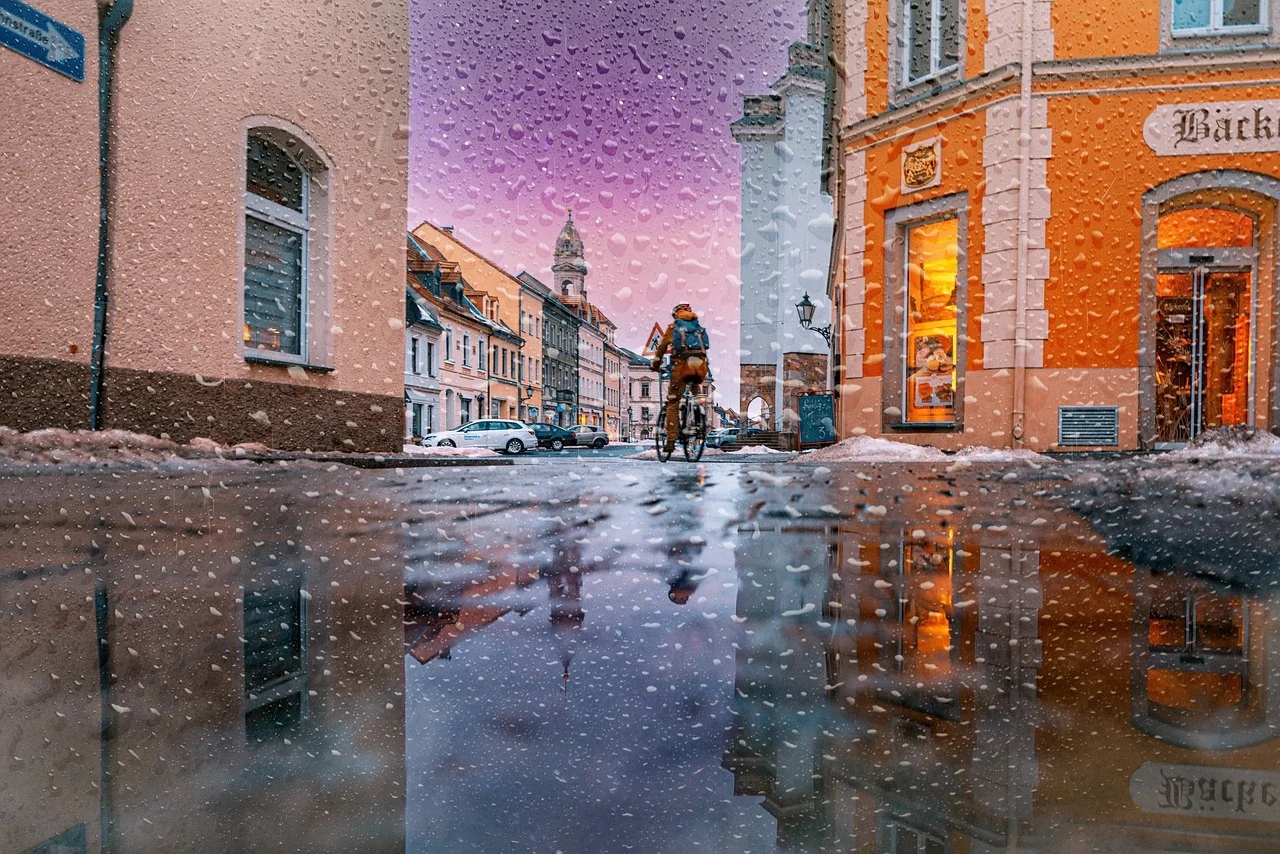
The UK’s unpredictable climate demands a jacket that can handle sudden showers and persistent rain. It also allows your body to regulate temperature during exertion. It’s not just about staying dry; it’s about comfort and safety on every ride.
Understanding Waterproofing and Breathability for Cycling
When you’re cycling, especially commuting, you generate heat and sweat. A good waterproof jacket needs to manage both external moisture (rain) and internal moisture (perspiration). This is where the balance between waterproofing and breathability becomes critical. Without breathability, even the most waterproof jacket will leave you feeling damp from the inside.
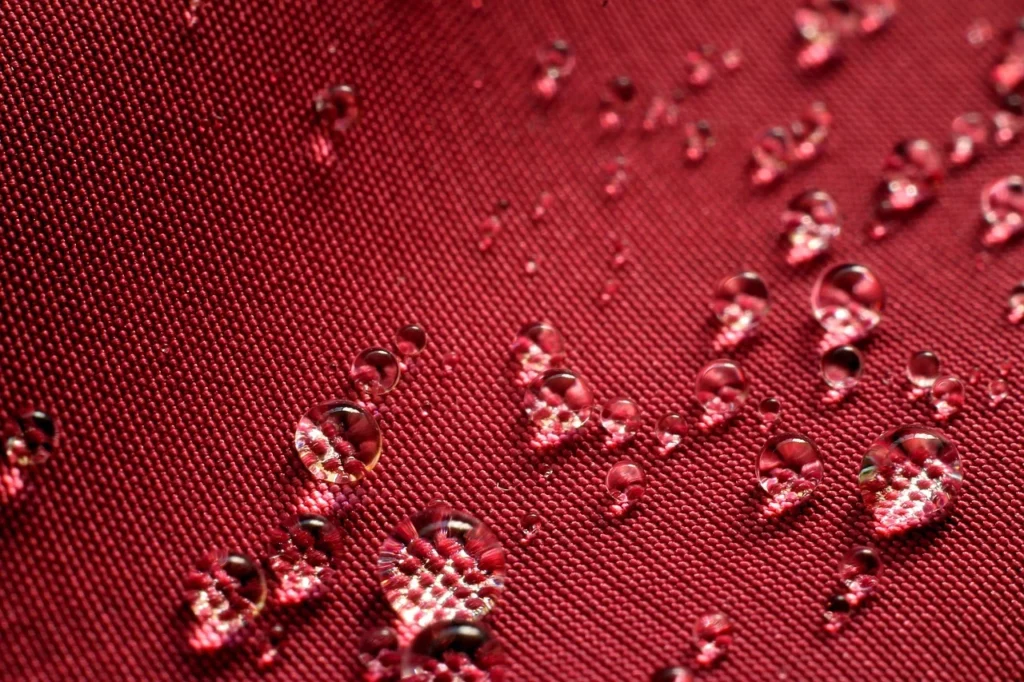
Waterproofing is typically measured by a ‘hydrostatic head’ rating, given in millimeters (mm). This indicates the height of a column of water the fabric can withstand before water begins to penetrate. For a cycling jacket, a minimum of 10,000mm is recommended for reliable rain protection. However, 20,000mm offers superior performance in heavy downpours. The Durable Water Repellent (DWR) coating on the outer fabric is also important. It makes water bead up and roll off, preventing the fabric from ‘wetting out’ and compromising breathability.
Breathability is often measured by its Moisture Vapour Transmission Rate (MVTR), expressed in grams per square metre over 24 hours (g/m²/24h). A higher number means the fabric is better at allowing sweat vapour to escape. For active cycling, an MVTR of 10,000g/m²/24h is a good starting point. However, 20,000g/m²/24h or higher is ideal for more intense rides or warmer wet conditions. A highly breathable jacket prevents that clammy feeling. This is a common complaint with less advanced waterproofs.
Best waterproof cycling jacket for a UK commuter
Beyond basic waterproofing and breathability, specific design elements make a significant difference for daily commuting in the UK. These features are tailored to the demands of cycling and the practicalities of urban environments.

Fit and Cut for Cycling Comfort
A cycling jacket needs a riding cut. This means a dropped tail to cover your lower back and posterior from road spray. It also features longer sleeves with articulated elbows. This prevents cuffs riding up on the handlebars. We recommend a fit for layering without being baggy. Some jackets offer a relaxed ‘commuter’ fit. This is comfortable on and off the bike. Others are performance-oriented. For many, the best waterproof cycling jacket for a commuter in the UK offers this versatility.
Visibility and Safety in British Weather
With frequent gray skies and early sunsets in the UK, visibility is paramount. Choose jackets in bright, fluorescent colours like neon yellow, orange, or green. More importantly, look for jackets with strategically placed reflective detailing. These are not just small strips; substantial reflective panels or piping that catch car headlights from all angles are recommended. According to BikeRadar, staying safe and seen when riding in the dark involves bright clothing and good reflective elements. This is especially true for a waterproof jacket that might be worn in poor light. Some jackets even integrate reflective patterns into the fabric itself, offering all-over visibility without compromising style.
Hoods: Helmet-Compatible or Roll-Away?
The hood is a contentious point for some cyclists. For commuting, a helmet-compatible hood is invaluable for keeping your head truly dry. It should be adjustable to cinch down snugly without obstructing peripheral vision. Alternatively, a roll-away hood that tucks into the collar can be useful for those who prefer not to ride with a hood up but still want the option for off-bike protection or very heavy rain. The best option often depends on your helmet and personal preference.
Practical Pockets and Storage
Commuting means carrying essentials like your phone, wallet, or keys. Look for jackets with secure, waterproof pockets. A chest pocket is often ideal for a phone, keeping it accessible and protected. Rear pockets, similar to jersey pockets, can also be useful for larger items. It is advisable to check that zips are waterproofed or have storm flaps to prevent ingress.
Ventilation Features
Even with good breathable fabrics, active cycling generates heat. Extra ventilation helps manage this. Pit zips (zippers under the arms) are excellent for dumping heat quickly. Back vents, often hidden under a flap, also aid air circulation. These features are particularly useful for longer commutes or when the intensity of your ride varies.
Adjustable Cuffs and Hem
To seal out the elements effectively, adjustable cuffs and hems are important. Velcro cuffs allow you to tighten them over or under gloves, preventing water from running down your arms. Also, a drawcord or elasticated hem helps to keep the jacket snug around your waist, stopping drafts and spray from coming up from underneath.
Durability for Daily Use
A commuter jacket will see daily action, so its construction needs to be solid. Look for durable face fabrics that can withstand rubbing from backpack straps. Taped seams are essential for waterproofing. It is recommended to check that zips are high quality and easy to operate with gloved hands.
Choosing the Right Materials for UK Commuting
The material technology in waterproof cycling jackets has advanced significantly, offering various options to suit different needs and budgets. Understanding these can help you make an informed choice for your UK commute.

Many high-performance jackets utilize advanced membranes like Gore-Tex, Pertex Shield, or proprietary technologies developed by brands themselves. These membranes feature microscopic pores. They are too small for liquid water molecules to pass through, but large enough for water vapour (sweat) to escape. This is the core of their waterproof and breathable performance.
Gore-Tex is a well-known benchmark, offering excellent, long-lasting waterproofing and breathability. Jackets featuring Gore-Tex tend to be at the higher end of the price spectrum. However, their performance often justifies the investment for serious commuters. Variations like Gore-Tex Active are specifically designed for high-exertion activities like cycling, prioritizing breathability and a lighter weight.
Other brands use materials like Pertex Shield or their own branded equivalents (e.g., Rapha’s Pertex Shield Air, Endura’s Exoshell). These can offer comparable performance, sometimes with slightly different characteristics in terms of feel, packability, or durability. Keep in mind that many of these materials perform exceptionally well, and the specific brand of membrane isn’t always the sole indicator of quality; the overall jacket construction matters just as much.
For more budget-friendly options, you might find jackets using polyurethane (PU) coated fabrics. While these can offer good waterproofing initially, they often lag in breathability compared to membrane-based jackets. They can be a viable option for shorter, less intense commutes where you’re less likely to overheat, but we recommend investing in a more breathable option if your ride is longer or more strenuous.
Layering for Variable UK Commuting Conditions
A waterproof jacket is just one part of your defense against the UK weather. Effective layering is important for adapting to the country’s famously changeable conditions, ensuring you remain comfortable throughout your commute.

Think of your clothing in three layers: a base layer, a mid-layer, and your waterproof outer shell. The purpose of each layer is distinct:
-
- Base Layer: Worn directly against the skin, its primary job is to wick sweat away to keep you dry. Materials like merino wool or synthetic fabrics are excellent for this. Avoid cotton, as it absorbs moisture and stays wet, making you feel cold.
- Mid-Layer: This layer provides insulation. On colder days, a long-sleeved jersey or a lightweight fleece can add warmth. On milder days, you might skip this layer or choose a very thin option. The mid-layer should also be breathable to allow moisture to continue moving outwards.
- Outer Shell (Your Waterproof Jacket): This is your primary protection against wind and rain. Its breathability is essential to allow the moisture wicked by your base and mid-layers to escape, preventing you from getting clammy and cold.
For UK commuting, a thin, long-sleeved base layer is often chosen. Perhaps a light cycling jersey, then a waterproof jacket. If it’s particularly cold, a merino mid-layer can be added. This system adjusts to temperature and exertion. Commuters might start feeling chilly. As they warm up, breathable layers manage body temperature. If rain stops and the sun comes out, a packable waterproof jacket stows easily. This makes it the best waterproof cycling jacket for a commuter in the UK.
Maintaining Your Waterproof Jacket for Longevity
To ensure your waterproof cycling jacket continues to perform its best, especially against the relentless UK rain, proper care and maintenance are essential. Neglecting these steps can significantly reduce its effectiveness over time.
Over time, dirt, oils from your skin, and residue from detergents can clog the pores of the jacket’s membrane and degrade the DWR coating. When the DWR fails, the fabric ‘wets out’, meaning it absorbs water instead of shedding it. This makes the jacket feel heavier and significantly reduces its breathability, even if the membrane itself isn’t leaking.
Caring for your waterproof jacket
Here’s how waterproof jackets are maintained:
- Regular Cleaning: Wash your jacket regularly, but always follow the manufacturer’s instructions. We recommend using a technical wash specifically designed for waterproof fabrics, such as Nikwax Tech Wash or Grangers Performance Wash. These detergents clean without leaving residues that can impair breathability or DWR. Close all zips and Velcro fasteners before washing, and wash at a low temperature (usually 30°C) on a gentle cycle.
- Re-proofing: After several washes, or when you notice water no longer beads effectively on the surface, it’s time to re-proof the DWR. After cleaning, you can use a wash-in re-proofer (like Nikwax TX.Direct Wash-In) or a spray-on treatment (like Grangers Performance Repel Plus). These products restore the water-repellent properties of the outer fabric. Some jackets benefit from a short tumble dry on a low heat setting after re-proofing. The heat can help activate the DWR. Again, always check the care label.
- Storage: Store your jacket clean and dry. Avoid compressing it tightly for long periods, as this can damage the membrane. Hang it in a well-ventilated area.
By taking these simple steps, you can extend the life and performance of your waterproof cycling jacket, ensuring it keeps you dry and comfortable through many more UK commutes.
Choosing Your Ideal Commuter Waterproof Jacket: Who It Suits
Not all commutes are created equal, and what constitutes the ‘best’ waterproof cycling jacket will vary depending on your specific needs, commute length, intensity, and budget. For example, this guide will outline who different types of jackets suit best.
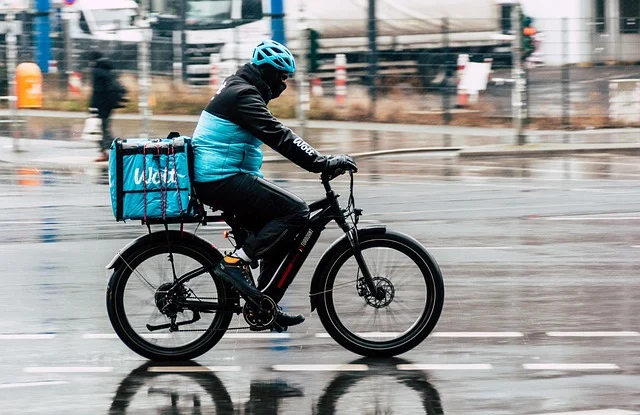
For the Short, Casual Urban Commuter: If your commute is under 30 minutes, mostly flat, and you’re not generating a huge amount of heat, solid waterproofing and visibility might be prioritized over maximum breathability. A slightly less breathable jacket with good DWR and high reflectivity could be a cost-effective option. It is still important to ensure it has a cycling-specific cut for comfort on the bike. Style might also be a higher priority here, blending in more with regular clothes for off-bike activities, as Grazia Daily UK noted with stylish raincoats.
For the Longer, Faster Commuter: If your ride is over 30 minutes, or involves hills, breathability is key. You will generate more heat and sweat. A jacket with high MVTR (20,000 g/m²/24h+) is invaluable. Look for features like pit zips. These jackets offer a more athletic fit. They are a higher investment. Yet, the comfort they offer is worth it. This is especially true for the best waterproof cycling jacket for commuter UK rides.
Choosing based on weather and packability
For All-Weather, Year-Round Commuters: If you cycle through all seasons and in all but the most extreme conditions, we recommend investing in a top-tier jacket. Look for highly durable, highly waterproof (20,000mm+) and highly breathable (20,000g/m²/24h+) options, possibly with a solid Gore-Tex Active or similar advanced membrane. These jackets offer the best balance of protection and comfort across a wide range of temperatures and intensities. This makes them a reliable workhorse for consistent UK riding.
Consider Packability: If your commute often starts dry but has a chance of rain, or if you prefer to layer and shed your jacket when the rain stops, a highly packable jacket is a significant advantage. Many lightweight waterproofs can fold down into their own pocket or a small stuff sack. This makes them easy to carry in a backpack or pannier.
Ultimately, the best waterproof cycling jacket for your UK commute is the one that meets your personal blend of performance needs, comfort expectations, and budget. First, assess your typical ride, the weather you usually face, and how much you value breathability versus absolute waterproofing to make the right choice.
Frequently asked questions
Can I use a regular waterproof jacket for cycling commuting?
While you can use a regular waterproof jacket, a cycling-specific jacket offers important advantages like a dropped tail for road spray protection, longer sleeves for reach, and often better ventilation and reflective elements tailored for riding posture and visibility.
How do I know if a cycling jacket is truly waterproof?
Look for a hydrostatic head rating, ideally 10,000mm or higher, and ensure all seams are taped. The presence of a DWR coating that makes water bead on the surface is also a good indicator of effective waterproofing.
Are bright colours necessary for a commuter cycling jacket?
Yes, bright colours like neon yellow or orange significantly enhance your visibility to other road users, especially in the often-dull and rainy conditions common in the UK. Combined with reflective detailing, they greatly improve safety.