
 By Hashim Hashmi

Understanding these essential features helps you tackle the cold, wet, and often dark British winter. This guide explores fabric technology, windproofing, water resistance, chamois pad quality, fit, sizing, and visibility. It also covers effective layering strategies and common mistakes to avoid for optimal winter cycling comfort.
What Makes the Best Winter Cycling Bib Tights for UK Winters?
The best winter cycling bib tights for UK conditions offer a important blend of insulation, weather protection, and visibility. You can tackle the cold, wet, and often dark British winter with them. These aren’t just thicker versions of your summer shorts. Manufacturers engineer them with specific fabrics and features. They keep you warm and dry when temperatures drop and the rain sets in.
For consistent comfort throughout the unpredictable UK winter, you will find a top-performing pair of bib tights features advanced thermal fabrics, a durable water repellent (DWR) finish, and strategically placed windproof panels. Beyond that, the fit and quality of the chamois are paramount for long rides. Reflective details become non-negotiable for safety.
Understanding Essential Features for UK Winter Riding
When you select your winter cycling bib tights, several key features differentiate a good pair from a truly excellent one. This is especially true given the distinct challenges of cycling in the UK.

Insulation and Fabric Technology
Winter bib tights primarily keep your legs warm. They achieve this through specific fabric technologies. Most quality winter bib tights utilize a brushed-back fleece fabric, often referred to as ‘Roubaix fleece’. This material traps a layer of warm air close to your skin. It provides excellent thermal insulation without excessive bulk. The density of this fleece can vary. Some brands offer heavier options for truly freezing conditions.
Beyond standard thermal fabrics, some manufacturers integrate more advanced materials. For example, some may use specific hollow-fire fabrics that offer superior warmth-to-weight ratios. They may also blend in Merino wool for natural temperature regulation and odor resistance. It is worth looking for tights that manage moisture effectively, wicking sweat away from the skin to prevent chilling, even when working hard.
Windproofing and Water Resistance
Wind chill can make a cold day feel much colder. The UK winter is certainly no stranger to biting winds. The best winter bib tights often incorporate windproof panels, particularly on the front of the thighs and knees. These panels block cold air. They prevent it from penetrating the fabric and sapping your warmth. Materials like WINDSTOPPER by GORE-TEX LABS are often used in these critical areas. [gore-tex.com] They offer complete wind protection while remaining breathable.
Rain is another constant companion in the UK. While fully waterproof cycling trousers exist, bib tights typically offer water resistance through a Durable Water Repellent (DWR) coating. This finish causes water to bead up and roll off the fabric surface. It delays saturation. A good DWR treatment is essential for fending off light rain and road spray. However, it won’t keep users dry in a prolonged downpour. Always check if the DWR is applied evenly. Also check if the fabric itself has some inherent water repellency, not just a surface treatment that can wear off.
Chamois Pad Quality and Fit
The chamois pad is the primary point of contact with the saddle. Its quality directly impacts comfort on long rides. For winter bib tights, look for a chamois that is anatomically shaped, multi-density, and breathable. It should provide adequate support without feeling bulky or causing chafing. Different brands use various chamois designs. Personal preference plays a significant role here. Some riders prefer a thinner pad for shorter, more intense rides. Others opt for a thicker, more cushioned pad for endurance cycling.
The fit of the bib tights around the chamois is important. It should feel snug and secure, preventing any movement that could lead to discomfort. The pad itself should be antimicrobial to maintain hygiene on longer winter excursions.
Choosing the Right Fit and Sizing
A proper fit is non-negotiable for cycling bib tights, especially in winter when layers are involved and comfort is paramount. Ill-fitting tights can lead to chafing, restricted movement, and compromised insulation.
Compression and Movement
Winter bib tights should offer a close, compressive fit without being restrictive. Compression can aid muscle support and reduce fatigue. However, it should never feel tight to the point of discomfort or impede your pedal stroke. The fabric needs to stretch and move with your body through the full range of cycling motion, particularly around the knees and hips.
We recommend checking the manufacturer’s sizing guide carefully, as sizing can vary significantly between brands. If you are between sizes, we generally advise opting for the larger size to ensure comfort and prevent overstretching the fabric, which can reduce its insulating properties. Remember, you’ll likely be wearing a base layer underneath your bib tights, so account for that extra thin layer if the fit is particularly snug. For more on how cycling apparel should fit, see Gore Apparel: What It Is and the Future of Gorewear.
Bib Straps and Ankle Cuffs
The bib straps should be comfortable and supportive, holding the tights securely in place without digging into your shoulders. Wider, mesh-backed straps are often more comfortable and breathable, preventing overheating across your back when you’re working hard. For winter, some bib tights feature thicker, insulated straps, or even a full thermal upper section, offering extra core warmth.
Ankle cuffs are also important. They should fit snugly to prevent cold air and water from entering, and to keep the tights from riding up. Zippers at the ankles can make it easier to put on and take off the tights, especially over bulky winter socks or shoe covers. If there are zippers, look for those with a ‘garage’ at the top to prevent irritation against the skin or base layers.
Visibility and Safety in Dark UK Winters
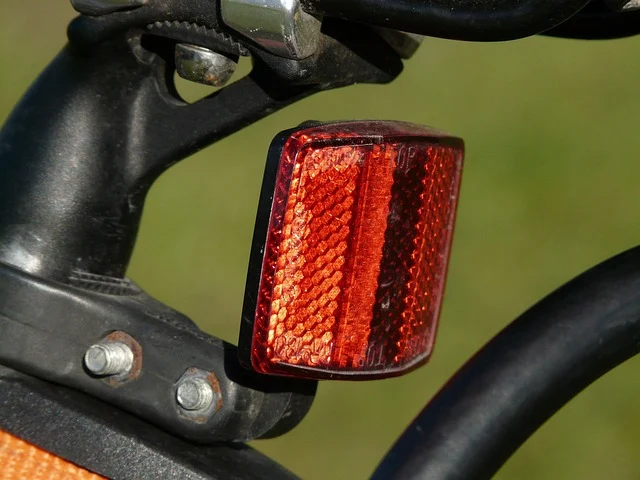
With shorter daylight hours and often overcast skies, visibility is a major concern for UK winter cyclists. Reflective elements on your bib tights are not just a nice-to-have; they are a safety imperative.
Strategic Placement of Reflective Details
High-quality winter bib tights will incorporate reflective piping, logos, or panels, particularly on the calves and thighs. These areas are constantly in motion when pedalling, making them highly effective at catching the light from vehicle headlights. According to Runner’s World, good reflective gear is essential as it gets darker earlier. I always prioritize bib tights with substantial reflective detailing, as it significantly enhances your presence on the road in low light conditions.
Some tights even feature reflective inserts that are woven into the fabric itself, offering 360-degree reflectivity without compromising the garment’s aesthetics or performance. This is far more effective than just small, token reflective logos.
Layering and Common Mistakes
While winter bib tights are a cornerstone of your cold-weather cycling wardrobe, they work best as part of a well-thought-out layering system. Many cyclists make a few common mistakes that can undermine even the best bib tights.

Effective Layering with Bib Tights
Underneath your bib tights, a good quality base layer is essential. This layer wicks moisture away from your skin, preventing that clammy, cold feeling. For very cold days, a thermal base layer with long legs can add an extra degree of warmth without adding significant bulk. On top, a long-sleeved jersey and a winter cycling jacket complete the ensemble. The jacket should also offer wind and water protection, complementing the tights.
Over-layering can be as detrimental as under-layering. You want to be slightly cool when you first set out. Your body will generate significant heat once you start riding. If you’re too warm at the start, you’ll quickly overheat, sweat excessively, and then become cold as that moisture cools on your skin.
Mistakes to Avoid
- Wearing underwear under bib tights: This is a common mistake. Cycling bib tights are designed to be worn directly against the skin. Underwear creates extra seams and can cause chafing, negating the benefits of the chamois.
- Neglecting DWR care: The DWR coating on your tights will degrade over time. Regularly washing your tights with a technical wash designed for DWR fabrics and occasionally re-treating them can extend their water resistance.
- Ignoring fit for ‘more warmth’: Buying tights that are too large in an attempt to add more layers underneath will lead to baggy fabric that flaps in the wind, reduces insulation effectiveness, and can cause chafing. Stick to your size and use appropriate base layers.
- Overlooking reflective features: In the UK, especially in rural areas or during commutes, visibility is paramount. Do not compromise on reflective elements for the sake of aesthetics.
- Choosing summer-weight tights for winter: Summer tights, even full-length ones, lack the thermal properties and weather protection needed for true UK winter riding. They are simply not designed for the job.
Investing in Quality: Price Points and Longevity
Winter cycling bib tights represent a significant investment, but the comfort, performance, and longevity they offer make them worthwhile for anyone serious about riding through the colder months.

What to Expect at Different Price Points
Entry-level winter bib tights, while functional, may offer basic thermal fabric and minimal water resistance. Their chamois might be less sophisticated, suitable for shorter rides. Mid-range options typically feature better quality thermal fabrics, more effective DWR treatments, and a more comfortable, multi-density chamois. You’ll also start to see strategic windproof panelling and improved reflective details.
Premium bib tights use advanced technical fabrics (like WINDSTOPPER by GORE-TEX LABS or proprietary thermal composites), highly engineered chamois pads designed for endurance, and superior DWR coatings. [gore-tex.com] They often feature ergonomic cuts, flatlock seams for ultimate comfort, and extensive reflective elements. These higher-end tights are built to withstand the harshest conditions. They offer exceptional durability, often lasting many seasons if cared for properly.
Care and Maintenance for Longevity
To maximize the lifespan of your winter bib tights, always follow the manufacturer’s washing instructions. Generally, this means washing them inside out on a cool, gentle cycle with a mild detergent (avoiding fabric softeners, which can degrade technical fabrics and DWR coatings). Air drying is always preferable to tumble drying, as high heat can damage elastic fibers and heat-bond applications. Proper care ensures the fabrics retain their performance characteristics, including insulation and water repellency, for many winters to come.
Frequently asked questions
Are winter cycling bib tights waterproof?
Most winter cycling bib tights are not fully waterproof, but feature a Durable Water Repellent (DWR) coating to shed light rain and road spray. For complete waterproofing, you would typically need dedicated waterproof cycling trousers over your bibs.
Can I wear regular cycling shorts under winter bib tights?
No, winter cycling bib tights with a built-in chamois pad are designed to be worn directly against the skin. Wearing regular cycling shorts or underwear underneath can cause chafing and discomfort due to extra seams and fabric bunching.
How do winter cycling bib tights differ from regular full-length cycling tights?
Winter cycling bib tights are specifically designed with thicker, brushed-back thermal fabrics for insulation. They often include windproof and water-resistant panels, and feature solid bib straps for warmth, unlike lighter, thinner regular full-length tights.
How do I choose the right size for winter cycling bib tights?
Always refer to the manufacturer’s specific sizing chart, as sizes vary between brands. Winter bib tights should fit snugly for compression and insulation but allow full range of motion without restriction. If in doubt, it is often advisable to size up, especially if planning to wear a thick base layer.