
 By Hashim Hashmi

This issue typically arises from sustained pressure on the nerves in your hands, particularly the ulnar nerve and sometimes the median nerve, combined with restricted blood flow. Addressing these root causes can make a significant difference to your comfort and enjoyment on the bike.
How Does Bike Fit Affect Hand Numbness?
Your bike’s setup plays a important role in how weight is distributed across your body. This directly impacts the pressure on your hands. An improper bike fit often forces you to put too much weight forward onto your handlebars. This leads to nerve compression and numbness.
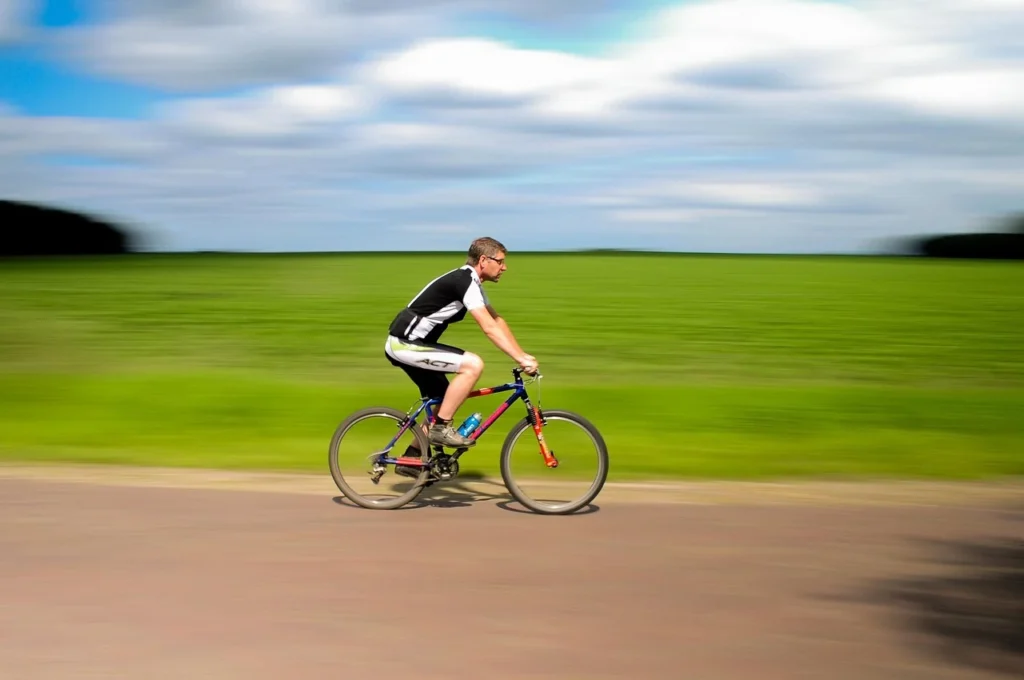
The key elements of bike fit that contribute to hand numbness are handlebar height and reach, and saddle position. If your handlebars are too low, you naturally lean more heavily on your hands. Similarly, if your handlebars are too far away, you will overreach. This locks your elbows and puts excessive pressure on your palms and wrists.
Adjusting Handlebar Height and Reach
Many cyclists benefit from slightly raising handlebars. This shifts upper body weight back, off your hands. Adjust spacers on your steerer tube. Or, flip your stem to an upward angle. For reach, consider a shorter stem if stretched. The goal is a comfortable elbow bend when riding. This allows elbows to absorb shock naturally. These tips can help with how to prevent numb hands cycling.
Saddle Position and Tilt
Saddle position affects weight distribution. A forward-tilted saddle causes sliding. You then push back on handlebars. This increases hand pressure. Ensure your saddle is level. A slight upward tilt at the nose also works. This helps plant your weight. Moving your saddle forward reduces reach. Be careful not to compromise pedaling. Knee comfort is also key for how to prevent numb hands cycling.
How Can Hand Position Prevent Numb Fingers When Cycling?
Maintaining a single hand position for extended periods is a common culprit for hand numbness. Constantly pressing on the same spot on your palms can compress nerves and restrict blood flow.
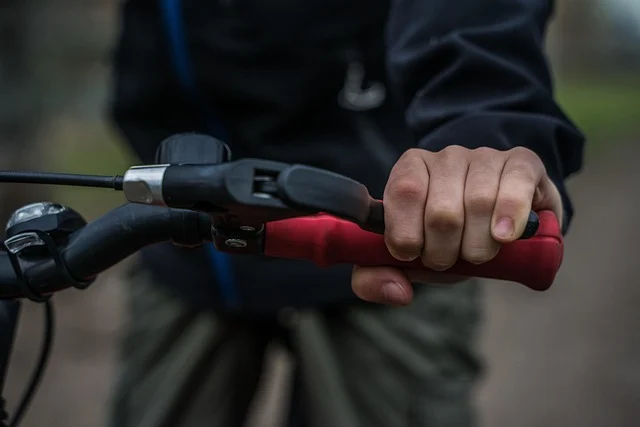
Road cyclists, especially, have the advantage of multiple hand positions on drop handlebars: the tops, the hoods, and the drops. Regularly rotating through these positions every few minutes is one of the simplest and most effective ways to prevent numbness.
Using the Tops, Hoods, and Drops
- Tops: This position offers an upright posture and a wide grip, ideal for climbing or relaxed cruising. It distributes pressure across a different part of your palm.
- Hoods: This is often the primary cruising position for road cyclists. It offers good control and access to brakes and shifters. Ensure your wrists are straight, not bent or hyperextended.
- Drops: Used for descending, sprinting, or riding into a headwind, the drops provide a lower, more aerodynamic position. This position shifts pressure to the heel of your hand. It can offer a different angle of attack for your wrists.
Mountain bikers or flat bar users have fewer positions. Still, you can vary your grip. Move hands slightly inward or outward. Rest your hand’s heel on bar ends, if fitted. Lift hands completely off bars periodically. A few seconds can restore circulation. These are all tips for how to prevent numb hands cycling.
What Role Do Cycling Gloves Play in Stopping Hand Numbness?
Cycling gloves are more than just a fashion accessory; they provide important padding and grip, directly impacting hand comfort and the prevention of numbness. The right gloves can absorb road vibrations and distribute pressure more evenly across your hands.
Choose gloves with strategic gel or foam padding. This padding cushions vulnerable ulnar and median nerves. These nerves are at the heel and across the palm. Avoid gloves with excessive or poorly placed padding. Such padding might create new pressure points, defeating the purpose of how to prevent numb hands cycling.
Fit and Padding Considerations
Gloves must fit snugly but not be too tight. A glove that is too small can restrict blood flow. One that is too large can bunch up, creating uncomfortable creases and ineffective padding. Try on gloves and mimic a gripping motion to ensure they feel comfortable and the padding aligns correctly with your hand’s pressure points.
For colder weather, full-finger gloves offer warmth, but still need to provide adequate padding without being bulky. In warmer conditions, half-finger gloves are popular, offering ventilation while still protecting your palms.
How Does Bar Tape Help Prevent Numb Hands When Cycling?
Just like gloves, your handlebar tape acts as a barrier between your hands and the vibrations from the road. High-quality, well-chosen bar tape can significantly reduce the impact of road chatter. This provides a more comfortable grip, helping to prevent nerve compression.

Modern bar tapes come in various materials and thicknesses. Cork, gel, or foam-backed tapes are generally more effective at absorbing vibrations than thin, synthetic options. A thicker tape would be considered if numbness is regularly experienced, as it provides more cushioning. Some riders even opt for double-wrapping their handlebars, applying two layers of tape for maximum shock absorption.
Material and Thickness Choices
- Cork Tape: A traditional favorite, offering good shock absorption and grip. It can be quite durable.
- Gel Tape: Often features a gel layer underneath the surface material, providing superior vibration dampening. This is a strong contender if numbness is a persistent issue.
- Foam Tape: Lightweight and comfortable, often found on entry-level bikes. Premium versions with enhanced density for better absorption are also available.
When wrapping tape, ensure it is applied smoothly and firmly. Avoid any gaps or ridges that could create uncomfortable pressure points. A fresh roll of tape can feel incredibly comfortable and make a noticeable difference to your hands.
How Does Core Strength Reduce Pressure on Your Hands?
A strong core prevents numb hands while cycling. Your core includes abdominals, back muscles, and glutes. These muscles stabilize your torso and pelvis. A weak core makes your upper body collapse. Your arms and hands then support your weight.

By engaging your core, you can support your upper body weight more effectively. This takes significant pressure off your hands and wrists. It allows your arms to remain relaxed with a slight bend in the elbows. This is important for shock absorption and nerve health.
Core Exercises for Cyclists
Incorporating core-strengthening exercises into your routine a few times a week can yield substantial benefits. We recommend focusing on exercises that build stability rather than just raw strength. Examples include:
- Planks: Hold a straight line from head to heels, engaging your abs and glutes. Start with 30 seconds and build up.
- Side Planks: Target your oblique muscles, important for rotational stability.
- Bird-Dog: From all fours, extend opposite arm and leg, maintaining a stable core.
- Bridges: Lie on your back, knees bent, lift your hips to form a straight line from shoulders to knees.
Consistency is key here. Even 10–15 minutes of core work a few times a week can make a noticeable difference in how you carry yourself on the bike.
Other Factors That Contribute to Hand Numbness
While bike fit, hand position, gloves, bar tape, and core strength are primary factors, several other considerations can contribute to or exacerbate hand numbness.
Grip Pressure
Many cyclists unconsciously grip handlebars too tightly, especially when nervous or on rough terrain. A death grip restricts blood flow and increases nerve compression. To understand how to prevent numb hands cycling, try relaxing your grip. Keep fingers lightly curled around bars, not squeezed tightly. Think of holding a small bird: firm enough not to lose it, gentle enough not to crush it.
Brake Lever Position
Correct brake lever position is vital for road and mountain bikes. Levers too high or low twist wrists awkwardly. This leads to discomfort and numbness. Adjust them to comfortably reach with one or two fingers. Maintain a neutral wrist. This helps prevent numb hands while cycling.
Pre-existing Conditions and Circulation
Sometimes, hand numbness can be related to pre-existing medical conditions such as carpal tunnel syndrome, cubital tunnel syndrome, or general circulatory issues. If you have tried all the above adjustments and still experience persistent numbness, especially if it extends beyond your riding time, we recommend consulting a medical professional. They can diagnose underlying issues and provide specific advice or treatment.
Hydration and Nutrition
While less direct, proper hydration and electrolyte balance contribute to overall nerve and muscle function. Dehydration or electrolyte imbalances can sometimes exacerbate muscle cramping or nerve sensitivity, though it’s rarely the primary cause of cycling-induced hand numbness.
How to Stop Numb Hands When Mountain Biking
Mountain biking introduces unique challenges due to rougher terrain and more dynamic riding. While many of the principles for road cycling apply, mountain bikers need to consider additional factors.
Suspension setup is paramount. Properly tuned front suspension (and rear suspension if applicable) absorbs impacts and vibrations, preventing them from travelling directly into your hands. Ensure your fork’s sag and rebound settings are appropriate for your weight and riding style. Too little sag or too fast rebound can lead to a harsh ride.
Wider handlebars, common on mountain bikes, offer more use and stability. However, they can also increase reach if not compensated for with a shorter stem. Bar ends on flat bars can offer an alternative hand position for climbing or less technical sections, though they are less common on modern trail bikes.
Specific mountain bike grips, often with ergonomic shapes or softer compounds, can significantly improve comfort compared to standard round grips. Lock-on grips are a good choice as they stay securely in place, preventing unwanted rotation.
When Should You Seek Professional Help for Numb Hands?
Most numb hands cycling resolve with bike fit and technique changes. But sometimes, professional medical advice is needed. Consult a doctor if numbness lasts hours or days after riding. Also see a doctor if pain, weakness, or tingling accompanies it. Seek medical help if you feel numbness even when not cycling. These symptoms might signal a serious nerve compression. Or it could be another underlying condition. A physiotherapist or sports doctor can offer specific exercises. They can also provide treatments for nerve impingement. This helps with how to prevent numb hands cycling.

Sources: Cycling
Frequently asked questions
Why do my hands go numb when cycling?
Your hands typically go numb when cycling due to prolonged pressure on the nerves in your hands, particularly the ulnar nerve, often exacerbated by an improper bike fit that puts too much weight on your handlebars, or by gripping too tightly.
Is it bad to cycle with numb hands?
Yes, it is generally not advisable to cycle with persistent numb hands. While occasional, mild numbness might be a temporary inconvenience, prolonged or severe numbness indicates nerve compression or restricted blood flow, which could lead to long-term issues if not addressed.
What part of the hand goes numb when cycling?
When cycling, numbness most commonly affects the ring finger and little finger, which is indicative of ulnar nerve compression. Sometimes, numbness can affect the thumb, index, and middle fingers, pointing to median nerve involvement, often associated with carpal tunnel syndrome.
Can cycling cause permanent nerve damage?
While rare, prolonged and severe nerve compression from cycling can, in extreme cases, lead to long-term nerve issues or even permanent damage if ignored. Addressing numbness early through bike adjustments and technique changes is important to prevent such complications.