
 By Hashim Hashmi
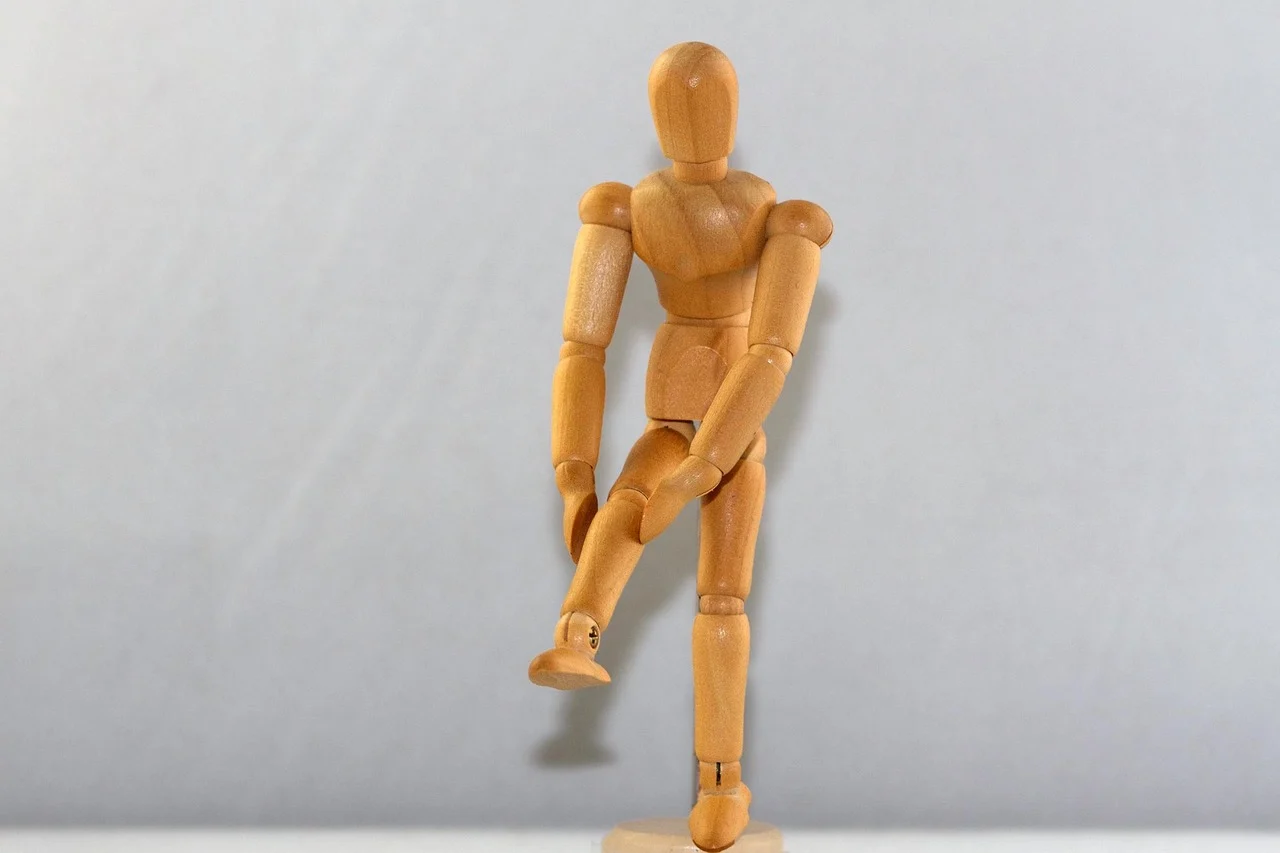
Identifying the exact cause is important for effective treatment. Beyond cleat position, other bike fit issues like saddle height and fore/aft position can contribute. Training errors, such as rapidly increasing volume or intensity, and muscle imbalances, particularly weak hip abductors and a weak core, also play a significant role. Addressing these factors through proper adjustments, targeted exercises, and smart training practices can help alleviate and prevent outside knee pain.
What Causes Outside Knee Pain When Cycling?
If you are experiencing knee pain outside your knee when cycling, the most common culprit is often Iliotibial Band (ITB) Syndrome. This condition occurs when the ITB, a thick band of connective tissue running along the outside of your thigh from your hip to just below your knee, becomes inflamed due to friction as it rubs over the bony prominence on the outside of your knee joint, known as the lateral epicondyle.
The pain typically feels sharp or burning and can worsen with continued pedalling. While ITB Syndrome is prevalent, other less common causes could include lateral meniscus issues, patellofemoral pain syndrome (PFPS) with lateral tracking, or even referred pain from the hip or lower back. Identifying the exact cause is the first step towards effective treatment and prevention.
Bike Fit Issues Leading to Outside Knee Pain
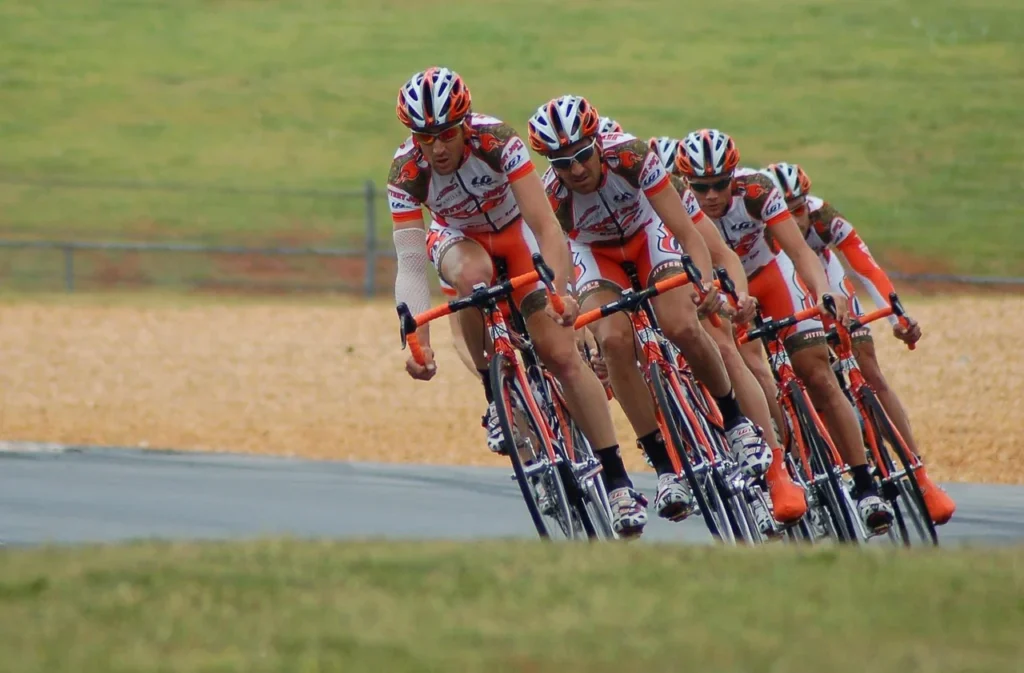
Many cases of outside knee pain from cycling stem directly from an improper bike fit. The body’s interaction with the bicycle creates repetitive motion, and even small misalignments can lead to significant issues over time. It is always best to start by looking at these three critical areas:
- Cleat Position: This is arguably the most frequent cause of ITB pain for cyclists. If your cleats are set too far inwards (meaning your heels are kicked out), your knee will be forced outwards. This puts excessive tension on the ITB. Conversely, if your cleats are too far outwards (heels in), your knees might track inwards, but the overall biomechanics can still strain the ITB. The goal is a natural, straight line from your hip through your knee to your ankle. Some riders benefit from a slight heel-in position, but too much is problematic.
- Saddle Height: A saddle that is too high can cause your leg to overextend at the bottom of the pedal stroke. This forces your knee to lock out. It can also increase friction on the ITB as the knee repeatedly extends and flexes. A saddle that is too low, however, can also contribute to knee pain by increasing compressive forces around the kneecap. It can alter the pedal stroke’s mechanics, potentially leading to compensatory movements that strain the ITB.
- Saddle Fore/Aft Position: If your saddle is too far forward or backward, it can alter the relationship between your knee and the pedal spindle, affecting how your quadriceps and hamstrings engage. This can lead to your knee tracking in an unnatural path, increasing strain on the ITB and other knee structures.
These adjustments are highly individual, and what works for one cyclist may not work for another. We advise making small, incremental changes and testing them over several rides.
Training Errors and Outside of Knee Pain from Cycling
Beyond bike fit, your training habits play a significant role in developing outside of knee pain after cycling. Overtraining, especially too much too soon, is a classic pathway to ITB syndrome. Your body needs time to adapt to increased load and intensity.
- Rapid Increase in Volume or Intensity: Suddenly increasing your weekly mileage, climbing more hills, or pushing higher gears without a gradual build-up can overload your ITB and surrounding structures. The repetitive stress accumulates faster than your body can recover and adapt.
- Lack of Warm-up and Cool-down: Skipping these important phases means your muscles and connective tissues are not adequately prepared for activity or helped to recover afterwards. A proper warm-up increases blood flow and tissue elasticity, while a cool-down aids in flushing metabolic waste and maintaining flexibility.
- Ignoring Early Warning Signs: Many cyclists push through mild discomfort, hoping it will resolve itself. However, ignoring initial twinges often leads to chronic inflammation and more severe pain. Listen to your body and back off when you feel discomfort.
How Muscle Imbalances Contribute to Outer Knee Pain
Muscular imbalances and weaknesses are often underlying factors in knee pain, including ITB syndrome. Your body functions as a kinetic chain, and weakness in one area can force other areas to compensate, leading to overuse injuries.
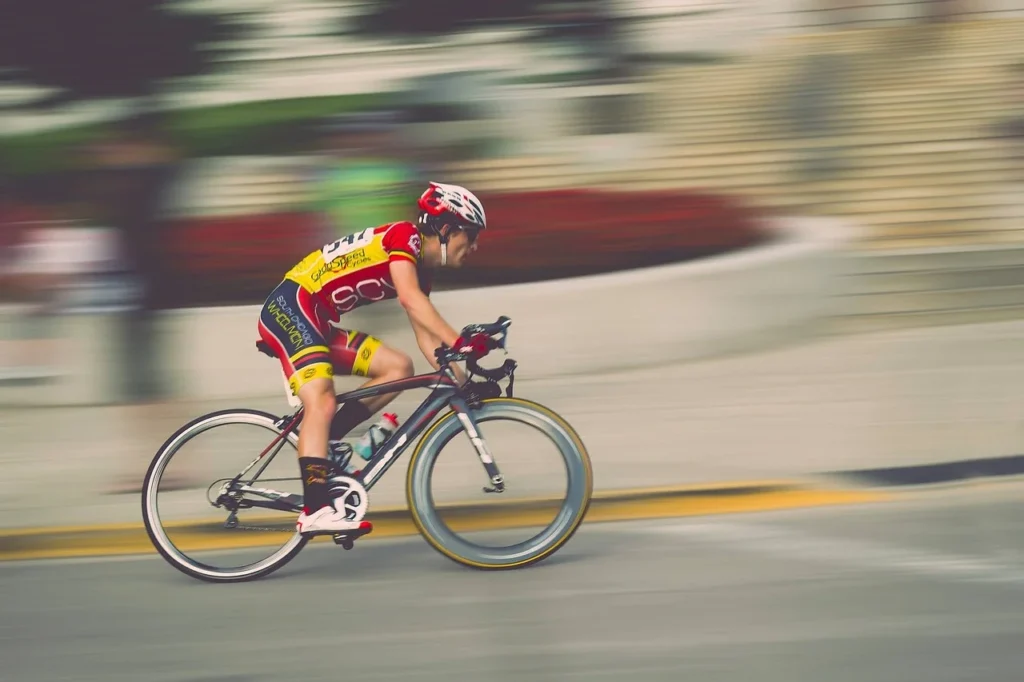
- Weak Hip Abductors: The gluteus medius and minimus muscles are important for stabilizing your pelvis. They prevent your knee from collapsing inwards during the pedal stroke. If these muscles are weak, your ITB can become overstretched and irritated as it tries to compensate for the lack of hip stability.
- Tight ITB and Hip Flexors: While ITB syndrome is an inflammation, the ITB itself can become tight, increasing friction. Tight hip flexors can alter pelvic tilt and overall leg alignment, indirectly contributing to ITB strain.
- Weak Core Muscles: A strong core provides a stable base for your entire body, including your legs. If your core is weak, your pelvis can rock excessively during pedalling. This leads to inefficient power transfer and increased stress on your knees and ITB.
Addressing these imbalances through targeted strength and flexibility exercises is a vital part of both recovery and prevention. We recommend incorporating exercises that focus on hip abduction, glute activation, and core stability into your routine.
Practical Steps to Relieve Pain on Side of Knee Cycling
If you’re already experiencing pain on the side of your knee when cycling, here’s a practical approach to managing and resolving it:
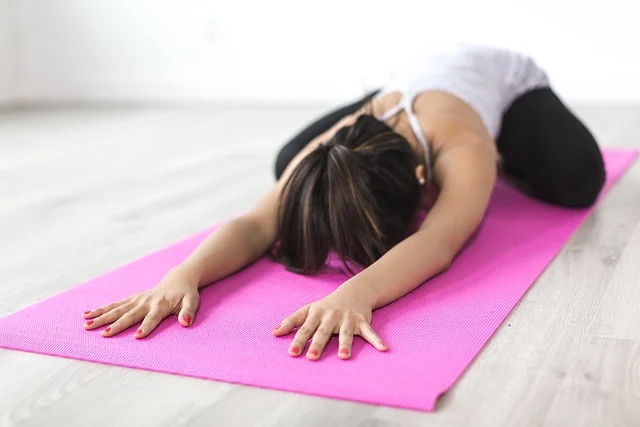
- Rest and Reduce Activity: The most immediate step is to reduce or temporarily stop cycling. Continuing to ride through pain will only worsen the inflammation. Allow your body time to heal.
- Ice and Anti-inflammatory Measures: Apply ice to the outer knee for 15-20 minutes several times a day to reduce inflammation. Over-the-counter anti-inflammatory medications, if appropriate for you, can also help manage pain and swelling.
- Stretching and Foam Rolling: Gently stretch your ITB, glutes, and hip flexors. Foam rolling the ITB can be intense but effective for releasing tension. Focus on slow, controlled passes rather than aggressive rolling. Remember, the ITB is a thick band. While foam rolling can feel good, it’s really the muscles underneath and around it that you’re influencing.
- Targeted Strengthening Exercises: Once the acute pain subsides, begin incorporating exercises to strengthen your hip abductors (e.g., clam shells, side leg raises), glutes (e.g., glute bridges, squats), and core (e.g., planks, bird-dog). Consistency is key here.
- Review Your Bike Fit: This is non-negotiable. Consider getting a professional bike fit, especially if you’ve tried self-adjustments without success. A professional can identify subtle issues with cleat position, saddle height, and fore/aft. These are hard to spot on your own. Many bike fitters use systems like Retül or Gebiomized to accurately assess your biomechanics.
It’s important to return to cycling gradually. Start with shorter rides at lower intensity and slowly increase your mileage and speed as your knee tolerates it. Any return of pain is a sign to back off again.
Preventing Cycling Knee Pain Top of Knee and Outer Knee Issues
Prevention is always better than cure. By being proactive, you can significantly reduce your risk of developing knee pain from cycling.
Regular Bike Fit Checks
Your body changes over time, and so can your bike fit needs. We recommend getting your bike fit checked every couple of years, or sooner if you change bikes, shoes, or experience new discomfort. Small adjustments can make a big difference. For instance, a change in shoe model might require cleat adjustments, even if the new shoes are the same size.
Consistent Strength and Flexibility Routine
Don’t wait until pain strikes to start strengthening and stretching. Incorporate a routine that targets the muscles important for cycling stability and power. This includes your glutes, hip abductors, core, and hamstrings, as well as regular stretching for your ITB, hamstrings, quadriceps, and hip flexors. Even 15-20 minutes, two to three times a week, can be highly effective.
Smart Training Progression
This allows your body adequate time to adapt and build resilience. Include rest days in your training schedule and pay attention to proper nutrition and hydration to support recovery.
Listen to Your Body
This cannot be stressed enough. If you feel a niggle or discomfort, address it immediately. It could be a sign that something is slightly off with your bike fit, your training load, or that a muscle needs attention. Early intervention is key to preventing minor issues from escalating into chronic pain. For example, if you notice a slight ache on the outside of your knee after a long climb, consider reducing the climbing volume on your next ride and focusing on stretching your ITB.
Consider Cycling Shoe and Pedal System
The choice of cycling shoes and pedal system can also impact knee health. Some pedal systems offer more ‘float’ (the amount your foot can rotate on the pedal before disengaging), which can be beneficial for riders whose knees don’t track in a perfectly straight line. Brands like Look Keo and Shimano SPD-SL offer cleats with varying degrees of float. Experimenting with different float options (e.g., 0, 2, or 6 degrees) can help find what feels most natural for your knees. [bike.shimano.com] Additionally, ensure your cycling shoes fit well and provide adequate support without being too restrictive.
When to Seek Professional Help for Knee Pain
While many cases of outside knee pain from cycling can be resolved with self-care and bike fit adjustments, there are times when professional medical advice is essential. If your pain is severe, persistent despite rest, accompanied by swelling, clicking, or instability, or if it significantly impacts your daily life, we strongly recommend consulting a doctor or a physiotherapist. A sports-specific physiotherapist can provide an accurate diagnosis, guide you through a rehabilitation program, and offer personalized advice on training modifications and strengthening exercises. They can also help rule out other potential causes of knee pain that might require different treatment approaches.
Sources: Cycling
Frequently asked questions
What is ITB syndrome and how does it relate to cycling?
ITB syndrome, or Iliotibial Band Syndrome, is an inflammation of the ITB, a thick band of tissue on the outside of your thigh. In cycling, it’s often caused by repetitive friction as the ITB rubs over the knee bone, typically due to improper bike fit, muscle imbalances, or sudden increases in training.
Can a professional bike fit solve outside knee pain?
Yes, a professional bike fit is highly effective at resolving outside knee pain from cycling. Experts can precisely adjust cleat position, saddle height, and other parameters to optimize your pedalling mechanics and reduce strain on your ITB and knee joint.
How long does it take for cycling knee pain to go away?
The recovery time for cycling knee pain varies depending on the severity and cause. Mild ITB syndrome might improve within a few weeks with rest and self-care, while more severe or chronic cases could take several months of consistent treatment, including physical therapy and gradual return to activity.
Are there specific stretches to help with outer knee pain from cycling?
Yes, stretches targeting the ITB, glutes, and hip flexors can be very beneficial. Examples include standing ITB stretches (crossing one leg behind the other and leaning), pigeon pose, and hip flexor stretches. Foam rolling the ITB and surrounding muscles can also help relieve tension.