
 By Hashim Hashmi

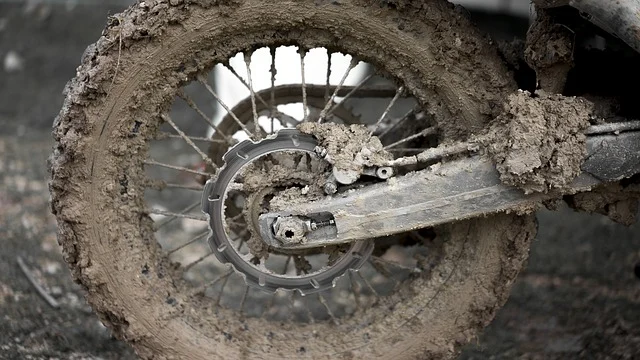
The frequency of cleaning depends on riding conditions, but a general rule is to clean your bike monthly, or more often after wet or muddy rides. Riding in wet conditions, even on tarmac, picks up grit and dirt that forms an abrasive grinding paste with chain lubricant.
This guide outlines the necessary bike-specific tools and products, provides a step-by-step cleaning process, and offers advice for cleaning your bike without a hose or in an apartment.
Why Clean Your Bike?
Cleaning your bike is essential for maintaining its performance. It also extends the lifespan of components, and ensures a smoother, more enjoyable ride. Neglecting regular cleaning allows dirt, grime, and road salt to accumulate. This acts as an abrasive paste on moving parts like your chain, cassette, and chainrings. This significantly accelerates wear, leading to costly replacements and potential mechanical failures.
Regular maintenance, including cleaning, is important for good performance, protecting moving parts from wear, preventing freezing up, and keeping rust and corrosion at bay, as noted by sources like cyclinguk.org. Even a quick rinse after a wet ride can make a substantial difference in preventing long-term damage.
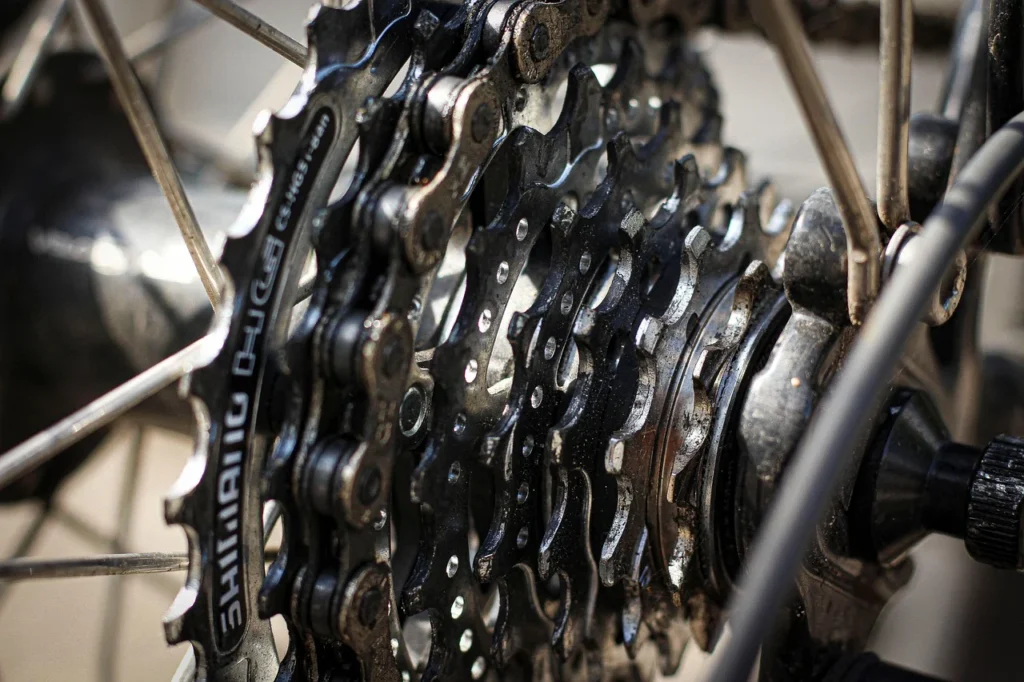
When Should You Clean Your Bike?
The frequency of bike cleaning depends largely on your riding conditions and bike type. However, a general rule of thumb is to clean your bike once a month, or more frequently after wet, muddy rides. For road bikes, it is typically advised to clean them every 160km, or certainly after any ride in the rain or on grimy roads. Off-road and gravel bikes encounter far more abrasive conditions. They require more frequent attention—ideally every couple of weeks or after every particularly muddy ride.
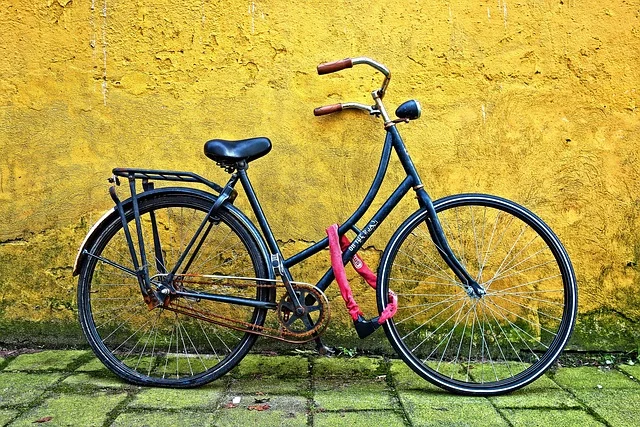
It is important to understand that riding in wet conditions, even on tarmac, picks up significant amounts of grit and dirt, which then mixes with your chain lubricant to form an abrasive grinding paste. This is particularly damaging to your drivetrain. Therefore, it is always better to clean sooner rather than later, especially after a challenging ride.
What Do You Need to Clean a Bike Effectively?
To clean your bike properly, you will need a selection of specific tools and cleaning products designed for bicycles. While it might be tempting to use household items, bike-specific products are formulated to be safe for your bike’s finishes and components.
Essential Tools and Products
- Bike Cleaner: A good quality, biodegradable bike cleaner is important for safely lifting dirt from your frame and components. Hutchinson, for example, expanded its bike care line in September 2026 with new products, including wipes made with a biodegradable formula. [capovelo.com] This is seen as a positive trend.
- Degreaser: A dedicated drivetrain degreaser is vital for breaking down stubborn grease and grime on your chain, cassette, and chainrings.
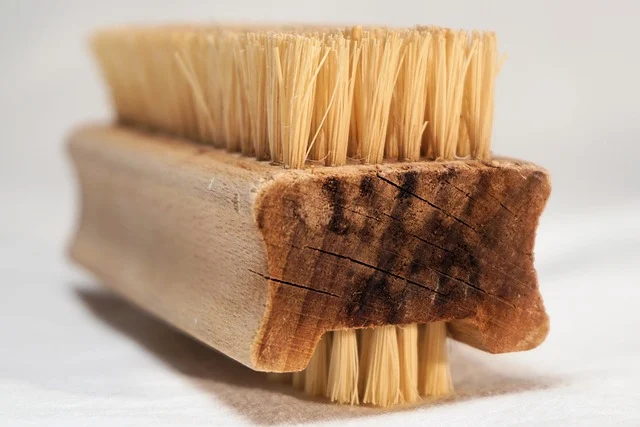
- Brushes: A variety of brushes will make the job easier. For example, we recommend a large soft brush for the frame, a stiff brush for the tyres, and a narrow, stiff brush (often called a ‘claw brush’ or ‘gear cleaning brush’) for the cassette and chain.
- Buckets: Two buckets – one for soapy water, one for rinsing – help keep your cleaning water cleaner.
- Sponges/Cloths: Soft sponges or microfibre cloths are ideal for washing and drying the frame without scratching.
- Lubricant: After cleaning, relubricating your chain is non-negotiable. Therefore, choose a lubricant appropriate for your riding conditions (wet lube for damp conditions, dry lube for dry).
- Low-Pressure Hose or Spray Bottle: A garden hose on a low setting is ideal for rinsing. However, if you do not have access to a hose, a large spray bottle or watering can filled with water can work effectively for rinsing.
- Optional: Chain Cleaning Device: These gadgets clip onto your chain and allow you to clean it without removing it from the bike, often with internal brushes that scrub all sides of the chain. While not strictly necessary, these can make chain cleaning much quicker and more thorough.
Why Avoid Household Products and High-Pressure Washers
Using household degreasers and washing-up liquid can strip protective coatings and damage paint on your bike. This is a common mistake. Harsh household chemicals like bleach, ammonia-based cleaners, or strong detergents can degrade rubber seals. They can also strip protective oils, and damage paint. Also, WD-40 is not a bike lubricant. It is a water displacement fluid and solvent that strips away proper grease and lube from moving parts, which is why we strongly advise against using it as a lubricant.
A high-pressure washer is another common mistake. It can damage sensitive bearing systems by forcing water and contaminants past seals, stripping grease, and causing premature wear. We always recommend a gentle stream from a garden hose or a watering can for rinsing.
How to Clean a Bike: Step-by-Step Process
Cleaning your bike does not have to be a lengthy chore. By following these steps, you can ensure a thorough clean that protects your components and keeps your bike running smoothly.
1. Initial Rinse
- Wet the Bike: First, start by giving your entire bike a gentle rinse with a low-pressure hose or watering can. This helps to loosen and remove superficial dirt and mud. Focus on the wheels, frame, and drivetrain. Avoid directing a strong jet of water directly at bearings (hubs, bottom bracket, headset).

2. Clean the Drivetrain (Chain, Cassette, Gears)
This is arguably the most critical part of the cleaning process, as the drivetrain is where most wear occurs.
- Apply Degreaser: Liberally apply a dedicated bike degreaser to your chain, cassette, chainrings, and derailleur pulleys. Allow it to soak for a few minutes, as per the product instructions, to break down the grease and grime.
- Scrub the Chain: Use a chain cleaning device, or a stiff drivetrain brush, to thoroughly scrub all sides of the chain. Work the degreaser into every link.
- Clean the Cassette and Chainrings: Use a narrow, stiff brush to clean between the cogs of your cassette and the teeth of your chainrings. Also, pay attention to the jockey wheels on your rear derailleur, as these accumulate a lot of grime.
- Rinse the Drivetrain: Once scrubbed, rinse the degreaser and loosened grime from the drivetrain with a low-pressure hose. Ensure all degreaser residue is gone. As a result, you should see a much cleaner, often metallic-looking chain and cogs.
3. Wash the Frame and Components
- Apply Bike Cleaner: Spray your bike-specific cleaner onto the frame, forks, wheels, handlebars, and saddle. Allow it to dwell for a short period as recommended by the manufacturer.
- Scrub and Wipe: Using a large, soft brush or sponge, scrub the frame, forks, and other components. For wheels, use a separate brush to clean the rims and spokes, and a stiffer brush for the tyres.
- Address Brake Areas: If you have disc brakes, we recommend using a specific disc brake cleaner on the rotors to remove any residue that could affect braking performance. For rim brakes, ensure the brake pads and rim braking surface are clean.
4. Final Rinse and Drying
- Rinse Thoroughly: Give the entire bike a final, comprehensive rinse with a low-pressure hose or watering can. Ensure all soap and cleaner residue is removed.
- Dry the Bike: This step is often overlooked but is important to prevent rust. Use a clean, dry microfibre cloth to wipe down the entire bike. For hard-to-reach areas, or if in a hurry, a leaf blower on a low setting or an air compressor can sometimes be used to blast water out of crevices and from the drivetrain.
5. Lubricate the Drivetrain
Applying new lubricant on top of a dirty chain is a mistake. It allows dirt and grime to accumulate, wearing out the chain quickly. Lubrication should always be the final step after a thorough clean and dry.
- Apply Chain Lube: With the chain dry, apply a suitable chain lubricant. Drip a small amount onto each roller of the chain while slowly backpedalling.
- Wipe Excess Lube: After a minute or two, wipe off any excess lubricant with a clean cloth. Too much lube attracts dirt, so less is always better here.
Cleaning Your Bike in an Apartment or Without a Hose
If you live in an apartment or do not have access to an outdoor hose, cleaning your bike is still entirely possible with a bit of adaptation. These methods work well in such situations:

- Portable Sprayers: Battery-powered portable pressure washers or garden pump sprayers can provide a controlled stream of water for rinsing without needing a tap connection. Fill them with warm water.
- Buckets and Sponges: Use two buckets of water (one soapy, one clean) and a good set of brushes and sponges. Also, you can place the bike over a large tarp or old towels to catch drips and dirt.
- Waterless Washes: For light cleaning, especially on the frame, consider a waterless bike cleaner. These sprays encapsulate dirt, allowing you to wipe it away with a microfibre cloth without needing water. They are excellent for quick touch-ups between deeper cleans.
- Drivetrain Specific: For the chain, use a chain cleaning device filled with degreaser, which contains the mess. After scrubbing, wipe the chain thoroughly with rags until it is clean and dry before lubricating.
The key is to contain the mess and dispose of dirty water responsibly, rather than allowing it to go down indoor drains if it contains harsh chemicals or excessive oil.
How to Clean a Bike with a Waxed Chain
If your bike uses a waxed chain, the cleaning process for the chain itself differs significantly. Waxed chains are designed to repel dirt more effectively than traditional oil-based lubricants, but they still require attention.
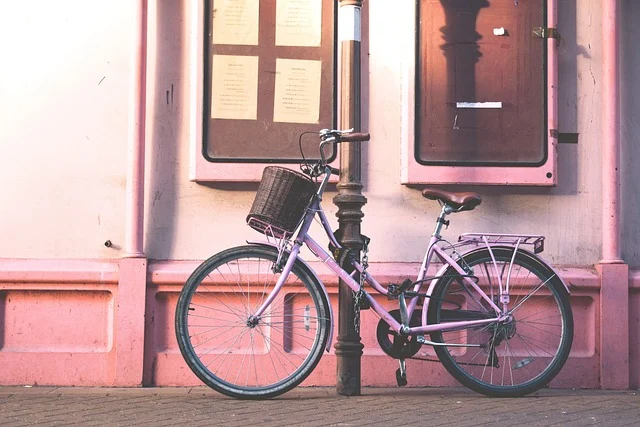
- No Degreaser on Chain: The primary rule for waxed chains is to avoid using degreaser directly on the chain, as this will strip the wax.
- Hot Water Rinse: For routine cleaning, a waxed chain can simply be rinsed with hot water to melt away any surface contaminants and re-solidify the wax.
- Wipe Down: After rinsing, wipe the chain dry with a clean cloth.
- Re-waxing: When the wax coating starts to look thin or the chain sounds dry, you will need to re-wax it. This typically involves removing the chain, thoroughly cleaning it with a solvent (if necessary, to strip all old wax and contaminants), and then immersing it in molten wax. This is a more involved process than applying liquid lube. However, it offers superior cleanliness and drivetrain longevity if maintained correctly.
Common Mistakes to Avoid When Cleaning Your Bike
Even with good intentions, several common pitfalls can inadvertently damage your bike or reduce the effectiveness of your cleaning efforts. Avoiding these will save you time and money in the long run.
- Using a High-Pressure Washer: As mentioned earlier, high-pressure water can force water past seals into bearings, leading to rust and premature wear. Always opt for a low-pressure hose or watering can.
- Using Harsh Household Chemicals: Bleach, ammonia-based cleaners, or strong detergents can strip protective oils, degrade rubber seals, and damage paint. Instead, stick to bike-specific cleaners and degreasers.
- Using WD-40 as a Lubricant: WD-40 is a solvent and water displacer, not a lubricant. As a result, it will strip away existing grease and leave your components vulnerable to wear. Always use a dedicated bike lubricant after cleaning.
- Not Drying the Bike Thoroughly: Leaving water on the bike, especially in crevices, can lead to rust and corrosion. Always dry your bike with a clean cloth, or use compressed air, paying particular attention to the chain and other metal components.
- Forgetting to Lubricate the Drivetrain: Washing removes essential lubricants. Failing to re-lubricate your chain after cleaning will lead to poor performance, excessive wear, and a noisy drivetrain.
- Lubricating a Dirty Chain: Applying new lubricant on top of a dirty chain is counterproductive. The grit already present will mix with the new lube to form an abrasive paste, accelerating wear. Always clean your chain thoroughly before lubricating.
Next Steps for a Well-Maintained Ride
Once your bike is sparkling clean and freshly lubricated, you are ready for your next ride. Regular cleaning is a cornerstone of good bike maintenance, but it is just one part of the picture. We always suggest a quick check of your tyres for pressure and any embedded debris, and a visual inspection of your brakes and gears before each ride. These small habits collectively contribute to a safer, more enjoyable, and longer-lasting cycling experience.
Sources: Cycling
Frequently asked questions
What is the best thing to clean your bike with?
The best things to clean your bike with are bike-specific cleaners and degreasers, along with soft brushes, sponges, and a low-pressure water source. These products are formulated to be safe for your bike’s paint and components, unlike many harsh household chemicals.
Can I use washing-up liquid to clean my bike?
While washing-up liquid can remove some dirt, we advise against using it regularly as it can strip protective coatings and waxes from your bike’s paint and components over time. Dedicated bike cleaners are a safer and more effective choice for long-term bike health.
Can I just hose down a bike to clean it?
You can hose down a bike to remove loose dirt. However, we recommend using a low-pressure setting and avoiding direct jets of water at bearings. A simple hose-down is a good first step. But it is not sufficient for a thorough clean, especially for the drivetrain, which requires degreasing and scrubbing.