
 By Hashim Hashmi
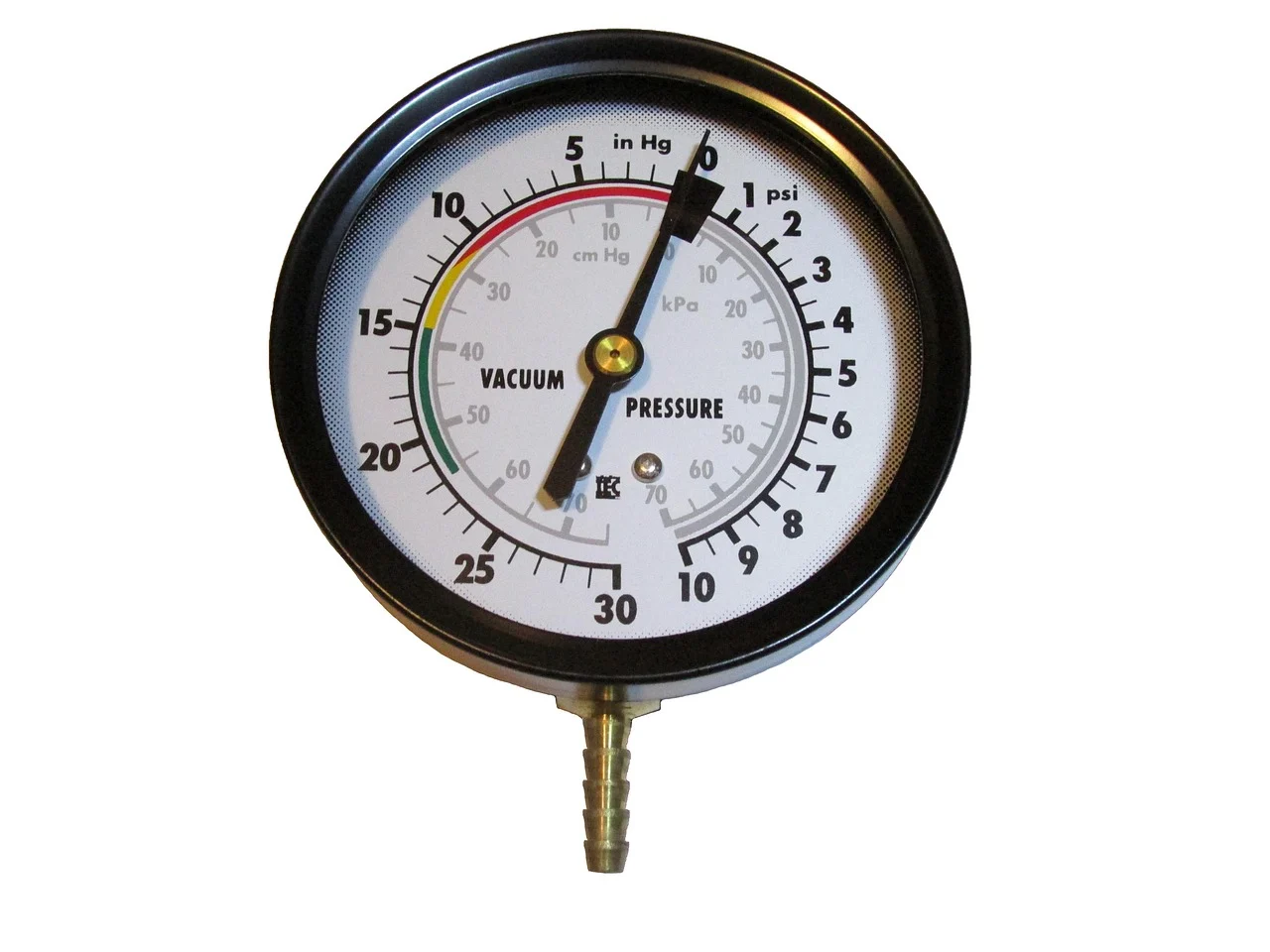
Choosing the best bike pump with a pressure gauge is crucial for maintaining optimal tyre pressure. This directly impacts ride quality, safety, and puncture prevention. The ideal pump balances ease of use, portability, and, most importantly, gauge accuracy to ensure your tyres are inflated correctly for every ride.
Understanding the Different Types of Bike Pumps
When examining the market for bike pumps with pressure gauges, three main categories are apparent: track pumps (also known as floor pumps), mini pumps, and electric pumps. Each serves a distinct purpose, and the choice should align with where and how tyres are typically inflated.
Track Pumps: The Home Workshop Essential
Track pumps are the workhorses of home bike maintenance. They are large, stable, and designed for high-volume inflation, making quick work of bringing tyres up to pressure. Their integrated pressure gauges are typically larger and easier to read than those on portable options. They offer better accuracy for precise inflation.
- Who they are for: Every cyclist who does their own maintenance at home. However, if you’re only going to own one pump, we recommend a good track pump.
- Key features: Tall barrel for efficient air delivery, stable base, comfortable handle, and a large, often analogue, pressure gauge. Road.cc highlighted track pumps as “the easiest way to put some air in your tyres” in their 2026 review, emphasizing their convenience for regular use.
- Considerations: While excellent for home, they are not portable for rides.
Mini Bike Pumps with Pressure Gauges: For On-the-Go Repairs
Mini pumps are compact and lightweight, designed to be carried on your bike or in a jersey pocket for emergency roadside repairs. While their primary function is to get you home, many now include small pressure gauges. These can be invaluable for avoiding over or under-inflation after a puncture repair.
- Who they are for: Commuters, road cyclists, and mountain bikers who need a reliable way to inflate a tyre away from home.
- Key features: Compact size, lightweight construction, and often a reversible head for Presta and Schrader valves. The pressure gauges on these are typically smaller and can be harder to read accurately. However, they offer a important approximation.
- Considerations: Inflation takes more effort and time compared to a track pump. The gauges, while useful, might not offer the same pinpoint accuracy as a larger home pump.
Electric Bike Pumps with Pressure Gauges: The Rise of Convenience
Electric bike pumps, particularly the compact mini electric versions, are gaining popularity for their sheer convenience. These battery-powered devices inflate tyres automatically to a preset pressure, often with digital gauges providing precise readings. Mountain Bike Action Magazine recently tested six electric mini pumps, noting their growing appeal for quick and effortless inflation.
- Who they are for: Cyclists seeking maximum convenience, those with limited physical strength, or anyone who frequently adjusts tyre pressure and values digital precision. They are particularly good for tubeless setups where a quick, high-volume blast of air can help seat the bead.
- Key features: Digital pressure gauge, automatic shut-off at target pressure, rechargeable battery, and portability. For example, ProCyclingUK compared the Silca Elettrico Ultimate and Topeak E-Booster Digital Mini, highlighting their advanced features.
- Considerations: Generally more expensive than manual pumps. Battery life is a factor. They can be slower for initial inflation from flat compared to a powerful track pump.
What Makes a Bike Pump Gauge ‘Accurate’?
The accuracy of your pump’s pressure gauge is paramount for optimal tyre performance. An inaccurate gauge can lead to tyres that are too hard or too soft, affecting grip, comfort, and rolling resistance.
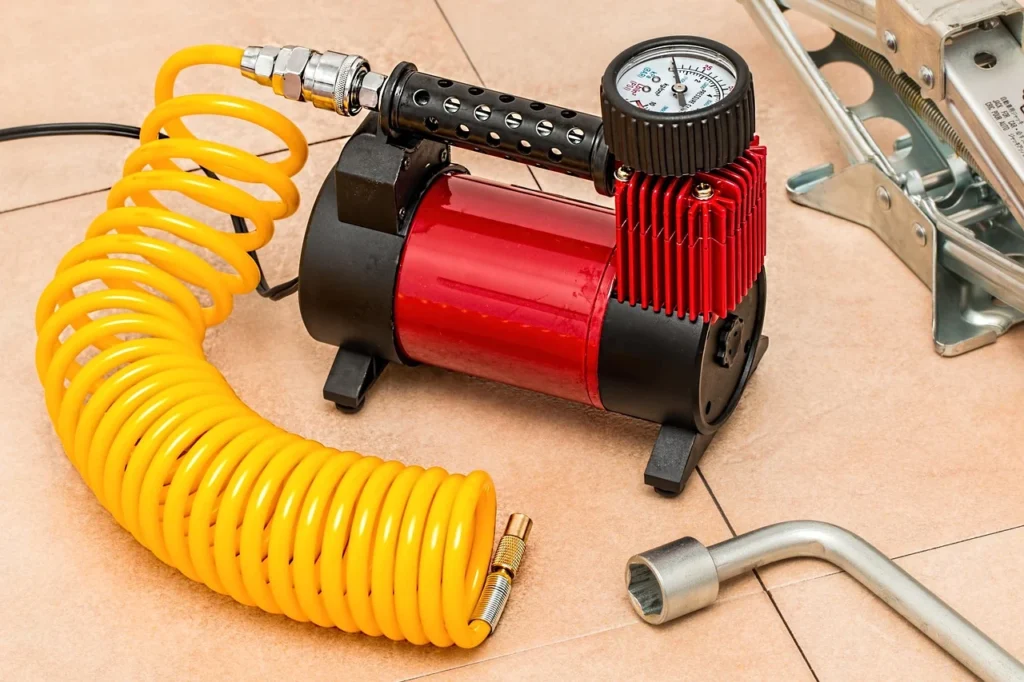
Digital gauges often provide highly precise readings, essential for fine-tuning tyre pressure.
Analogue vs. Digital Gauges
Most track pumps use analogue gauges, with a needle pointing to the pressure reading. These are generally reliable, but their accuracy can vary. Look for gauges with clear markings and a relatively large diameter, as smaller, cramped dials are harder to read precisely. A common issue observed is parallax error, where the reading changes depending on the viewing angle.
Digital gauges, found on many electric pumps and some higher-end track pumps, offer precise numerical readouts, often to one decimal place. These tend to be more accurate and eliminate parallax error, making them easier to read consistently. If pinpoint accuracy is your top priority, especially for road cycling where small pressure differences matter, a digital gauge is often the better choice. Some cyclists even use a separate, dedicated digital gauge to cross-reference their pump’s reading for ultimate confidence.
Why Accuracy Matters Beyond the Number
It’s not just about hitting a specific PSI or Bar; it’s about consistency. If your gauge consistently reads 5 PSI low, you can adjust for that. The real problem is a gauge that gives wildly inconsistent readings. An accurate gauge allows you to experiment with different pressures. You can reliably return to a favorite setting, or follow manufacturers’ recommendations, which are often printed on the tyre sidewall.
How to Use a Pressure Gauge on Your Bike Pump
Using a bike pump with a gauge is straightforward. However, a few tips can ensure you get the most accurate reading and inflate your tyres effectively.
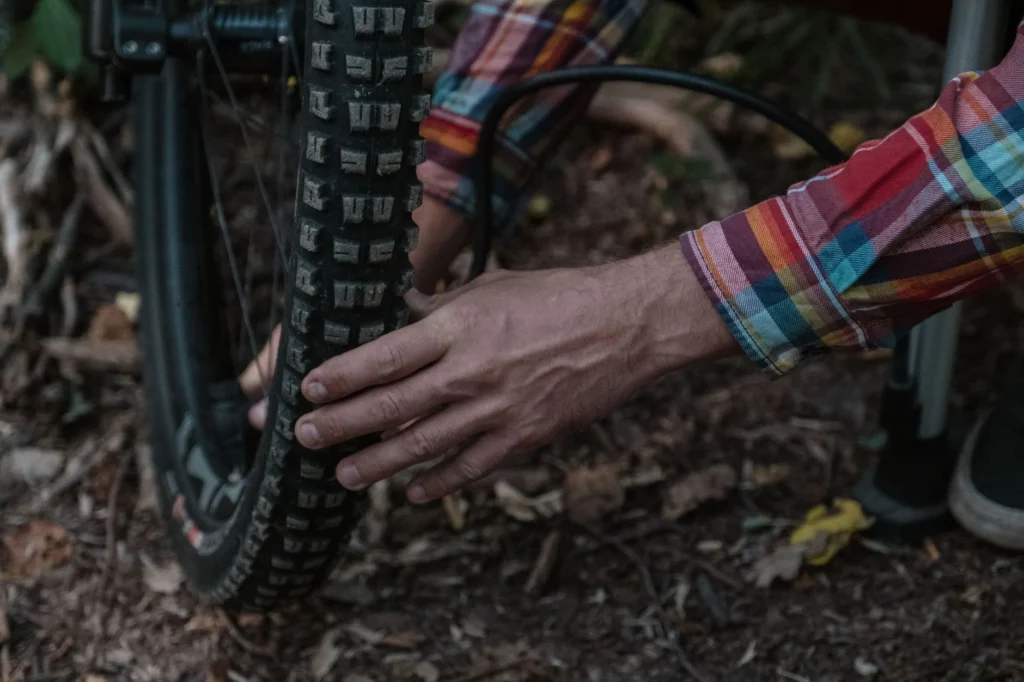
Ensuring a tight seal with the valve is the first step to getting an accurate pressure reading.
- Prepare the Valve: For Presta valves, unscrew the valve nut a few turns. For Schrader valves, no preparation is needed.
- Attach the Pump Head: Firmly press the pump head onto the valve stem. Ensure it’s fully seated to prevent air leaks. For lever-locking heads, flip the lever to lock it in place. A good seal is critical for the gauge to register pressure.
- Read the Gauge (Before Pumping): If the tyre already has some air, the gauge should immediately show the current pressure. This is your baseline. If the gauge reads zero or doesn’t move, check your pump head’s connection to the valve.
- Begin Pumping: Start pumping air into the tyre. As you pump, the gauge’s needle or digital display will rise, indicating the increasing pressure.
- Monitor and Adjust: Pump until you reach your desired pressure. For road tyres, this might be 80-120 PSI (5.5-8.3 Bar), while mountain bike tyres are often 20-40 PSI (1.4-2.8 Bar). Always check the recommended pressure range on your tyre’s sidewall.
- Detach the Pump: Once the desired pressure is reached, unlock the pump head and carefully remove it. For Presta valves, remember to screw the valve nut back down to prevent air loss.
What if the Bike Pump is Not Showing Pressure?
If a bike pump isn’t showing pressure, the most common culprit is a poor seal between the pump head and the tyre valve. Here’s what to check:
- Valve Compatibility: Ensure your pump head is set for the correct valve type (Presta or Schrader). Many pumps have a reversible internal gasket or two separate ports.
- Firm Connection: Push the pump head further onto the valve stem. You should feel it ‘click’ into place.
- Presta Valve Nut: For Presta valves, make sure the small nut at the top of the valve is unscrewed sufficiently. If it’s still tight, air won’t enter or register.
- Worn Gasket: Over time, the rubber gasket inside the pump head can wear out, leading to leaks. Some pump heads allow you to replace this gasket.
- Pump Malfunction: In rare cases, the gauge itself might be faulty. There could also be an internal leak in the pump.
Choosing the Best Portable Bike Pump with Pressure Gauge
When selecting a portable pump, whether mini or electric, the pressure gauge becomes even more critical. This is due to the potential for imprecise inflation in a hurry. Here’s how to make a good choice:
Mini Bike Pump Considerations
- Gauge Size and Clarity: Look for the largest, clearest gauge you can find on a mini pump. Some models feature an inline gauge on the hose. This can be easier to read than one integrated directly into the pump body.
- Hose vs. Direct Mount: Pumps with a flexible hose that extends from the body reduce stress on the valve stem during pumping, which is a significant advantage when you’re wrestling with a flat tyre by the roadside.
- Maximum Pressure: Ensure the pump can reach the required pressure for your tyres. Road tyres (high PSI) demand more from a mini pump than mountain bike tyres (lower PSI).
- Valve Compatibility: Most modern mini pumps are compatible with both Presta and Schrader valves, often with a simple switch or reversible head.
Mini Electric Bike Pump Considerations
The best mini electric bike pump with a pressure gauge offers a blend of convenience and accuracy. These are a relatively new development, as highlighted by recent articles like the Mountain Bike Action Magazine test of electric mini pumps and ProCyclingUK’s comparison of specific models.
- Digital Gauge Accuracy: This is a key selling point. Look for models with clear, backlit digital displays that show pressure in both PSI and Bar.
- Battery Life: Consider how many tyres it can inflate on a single charge. Some models can inflate multiple road bike tyres from flat.
- Size and Weight: While electric, they still need to be portable. Check dimensions and weight if you plan to carry it on every ride.
- Pre-set Pressure Functionality: Many electric pumps allow you to set a target pressure, and they will automatically stop when reached, preventing over-inflation.
- Charging Method: USB-C charging is common and convenient.
The Most Accurate Bike Pump: What to Look For
While all pumps with gauges aim for accuracy, some excel more than others. If you’re chasing the absolute most accurate bike pump, especially for performance cycling, we suggest a two-pronged approach:
- High-Quality Track Pump: Invest in a track pump known for its solid construction and a large, clear gauge. Brands like Silca, Topeak, and SKS (who recently released new compact electric pumps and multi-tools, according to Road.cc) often offer models with superior gauges. A bigger gauge generally means more space between markings, making it easier to read precisely.
- Dedicated Digital Gauge: For ultimate accuracy, consider a separate, standalone digital pressure gauge. These are often more precise than integrated pump gauges and can be used to verify the reading from any pump. This is particularly useful for mountain bikers who run very low pressures where even a 1-2 PSI difference can significantly alter ride feel and performance.
Ultimately, the ‘best’ pump is the one that meets your specific needs while providing reliable and accurate pressure readings. For home, a solid track pump is a must. For the road, a solid mini pump or a convenient electric mini pump will keep you rolling.
Frequently asked questions
Can I use a car tyre pump for my bicycle?
You can use a car tyre pump if it has the correct valve adapter (most car pumps are Schrader-only) and a pressure gauge that reads low enough for bike tyres. However, car pumps often lack the fine control needed for higher-pressure road bike tyres or the precise low pressures of mountain bike tyres.
How often should I check my bike tyre pressure?
we recommend checking your bike tyre pressure before every ride, or at least once a week if you ride regularly. Tyres naturally lose air over time, and maintaining correct pressure is vital for safety, efficiency, and puncture prevention.
Is a digital or analogue pressure gauge better for bikes?
Digital pressure gauges typically offer greater precision and are easier to read without parallax error, making them generally ‘better’ for bikes if accuracy is your top priority. Analogue gauges can be very good, especially on track pumps with large dials, but their readability can vary.
What PSI should my bike tyres be?
The ideal PSI (pounds per square inch) for your bike tyres depends on your bike type, rider weight, tyre width, and riding conditions. Always check the recommended pressure range printed on your tyre’s sidewall, then experiment within that range to find what feels best for you.