
 By Hashim Hashmi
Measuring your bike wheel size accurately is essential for selecting the correct replacement tyres, inner tubes, or even new components. You can determine the size either by reading the markings already present on your existing tyre sidewall. Alternatively, physically measure the wheel and tyre yourself.
Understanding both methods gives you the most confidence, especially when dealing with older bikes or less common sizing standards.
Understanding Bike Wheel and Tyre Sizing Standards
Before you even pick up a tape measure, it is helpful to understand the different ways bike wheel and tyre sizes are expressed. The cycling world uses several systems. These can be confusing at first glance, but once you know what to look for, the process becomes much clearer. The key is distinguishing between the wheel’s rim size and the tyre’s overall diameter and width.

The ETRTO (European Tyre and Rim Technical Organisation) system, also known as ISO, is the most precise and universally accepted standard for how to measure bike wheel size. This system uses two numbers, for example, ’37-622′. The first number (37mm) indicates the tyre’s inflated width. The second number (622mm) is the tyre’s inner diameter, which corresponds to the rim’s bead seat diameter.
Imperial and French sizing systems
Other common systems include:
- Imperial (Inch) Sizing: You’ll often see sizes like ’29 x 2.25′ or ’26 x 1.95′. The first number (29 or 26) is the approximate outer diameter of the tyre in inches. The second number (2.25 or 1.95) is the tyre’s width in inches. This system is common for mountain bikes and children’s bikes.
- French Sizing: Predominantly used for road bikes, this system looks like ‘700 x 23c’ or ‘650b’. The ‘700’ or ‘650’ refers to the approximate outer diameter of the tyre in millimetres, while ’23c’ indicates the tyre width (23mm) and the letter indicates the tyre’s inner diameter; in 700C, ‘C’ corresponds to a 622mm inner diameter. [schwalbe.com] The ‘b’ in 650b is also a rim designation.
It is important to remember that imperial and French sizing can be approximate and sometimes overlap. This often leads to confusion. For instance, a 26-inch mountain bike tyre and a 559mm ETRTO tyre are essentially the same. However, a ’28-inch’ tyre and a ‘700c’ tyre both correspond to a 622mm ETRTO diameter. This is true despite the different stated diameters. ETRTO is the most reliable standard for how to measure bike wheel size.
Where to Find Bike Wheel Size Markings
The easiest way to determine your bike’s wheel size is to locate the size markings directly on the tyre. These numbers are typically embossed or printed on the sidewall of the tyre. You might need to rotate the wheel slowly and look closely for how to measure bike wheel size. The markings can sometimes be faint or obscured by dirt.
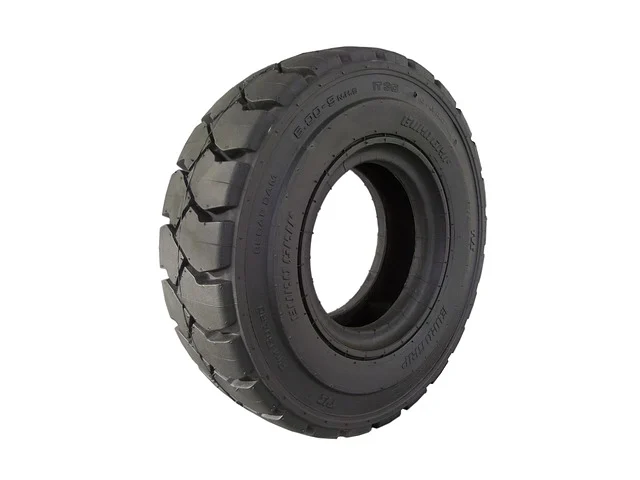
On most tyres, you will find at least one, and often two or three, different sizing standards listed. For example, a common road bike tyre might show ’23-622 (700x23c)’. This tells you the ETRTO width and diameter, followed by the equivalent French sizing.
For mountain bikes, you might see ’57-559 (26 x 2.25)’. Here, you get the ETRTO width and diameter, along with the imperial inch sizing. Children’s bikes almost exclusively use imperial sizing, such as ’16 x 1.75′ or ’20 x 2.125′.
If your tyres are very old, worn, or have been replaced with non-standard sizes, the markings might be illegible or misleading. In such cases, or if you simply want to double-check, physical measurement is the next step.
How to Measure Bike Wheel Size Physically
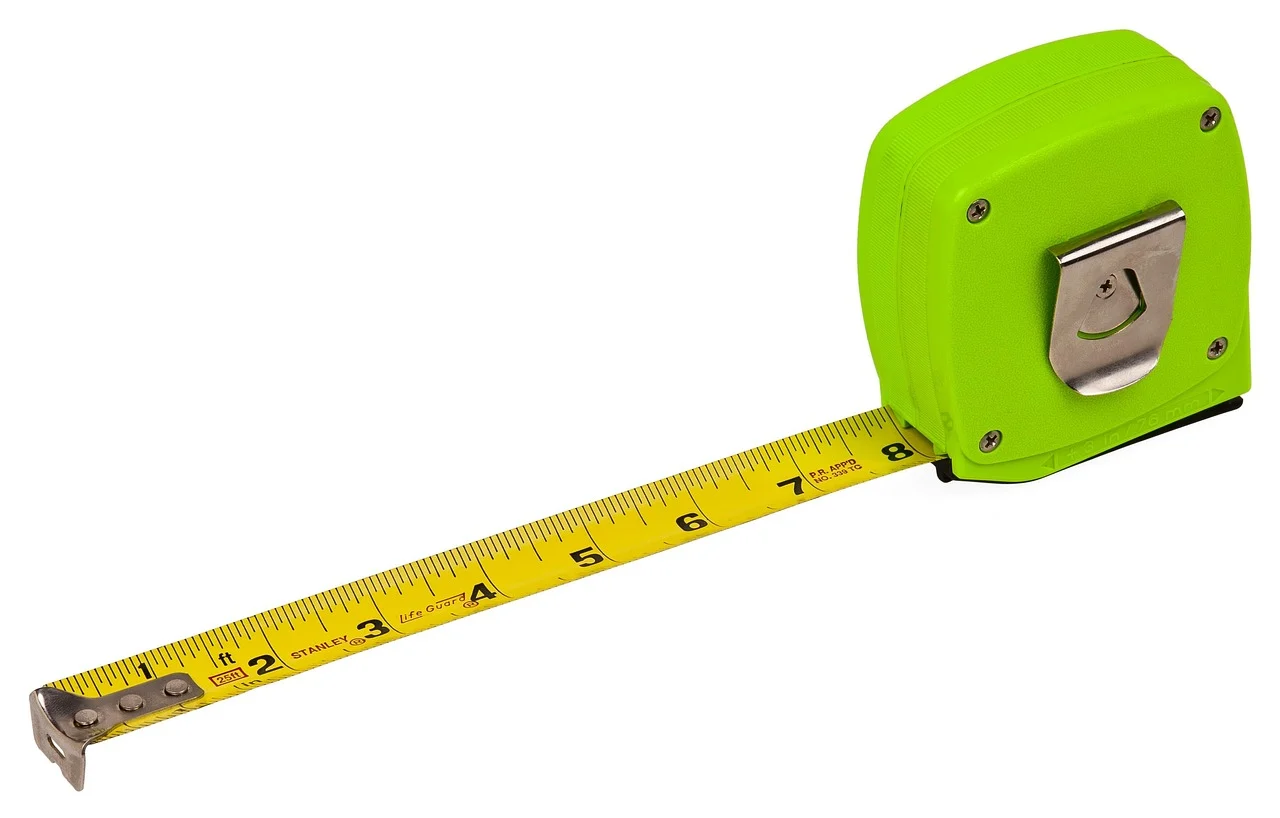
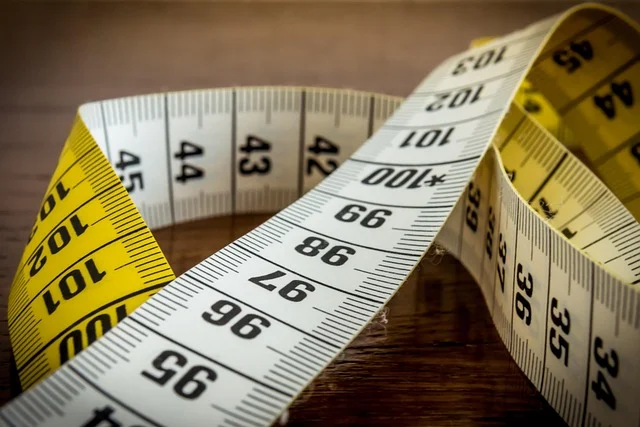
When tyre markings are absent or unclear, or if you are trying to fit new components, physically measuring your bike wheel becomes necessary. For how to measure bike wheel size, you will need a flexible tape measure or a long ruler. Also, have a pen and paper to note down your measurements.
Measuring the Overall Tyre Diameter
This measurement gives you the approximate outer diameter of the tyre. This is what most people mean when they refer to ‘wheel size’ in inches (e.g., 26-inch, 29-inch).
- Position the Bike: Place your bike upright, ideally with the wheels on the ground, or upside down for easier access. Ensure the tyre is inflated to your usual riding pressure, as this affects the diameter.
- Find the Centre: Locate the centre of the wheel hub.
- Measure from Ground to Centre: Use your tape measure to measure from the ground up to the centre of the wheel axle. This gives you the radius of the wheel and tyre combined.
- Calculate Diameter: Multiply this radius measurement by two to get the total outer diameter.
- Convert to Inches/Centimetres: If you measured in millimetres or centimetres, divide by 25.4 (for mm) or 2.54 (for cm) to get the measurement in inches. For example, if your radius is 340mm, the diameter is 680mm. 680mm / 25.4 = approximately 26.77 inches. This would typically be rounded to a 26-inch wheel.

Next, this method is particularly useful for measuring bike wheel size for kids’ bikes, where the inch sizing is the primary standard, or if you are unsure about the imperial size of an older mountain bike.
Measuring the Rim Diameter (ETRTO Bead Seat Diameter)
This is the most critical measurement for tyre and rim compatibility. The ETRTO standard shows how to measure bike wheel size by finding the diameter of the rim at the bead seat, which is where the tyre’s bead hooks into the rim. This is not the overall outer diameter of the rim, nor the inner edge.
- Remove the Tyre: You will need to remove the tyre and inner tube from the wheel to take this measurement accurately.
- Locate the Bead Seats: These are the channels inside the rim where the tyre’s beads sit.
- Measure Across: Using a flexible tape measure, measure the diameter across the rim from one bead seat to the opposite bead seat. Try to keep the tape taut and straight across the centre of the wheel.
- Note the Measurement: This measurement, in millimetres, is your ETRTO bead seat diameter (e.g., 559mm, 622mm).
This measurement is important because a tyre’s ETRTO diameter must exactly match the rim’s ETRTO bead seat diameter for a safe and secure fit. A 622mm tyre will not fit on a 559mm rim, and vice versa.
How to Measure Bike Tyre Width and Rim Width
Beyond diameter, width measurements are equally important for tyre compatibility and performance. There are two key width measurements: the tyre’s inflated width and the rim’s internal width.
Measuring Inflated Tyre Width
The tyre width determines how wide a tyre will be when inflated on a specific rim. This is the first number in the ETRTO standard (e.g., ’37’ in 37-622).
- Inflate Tyre: Ensure the tyre is properly inflated on the wheel.
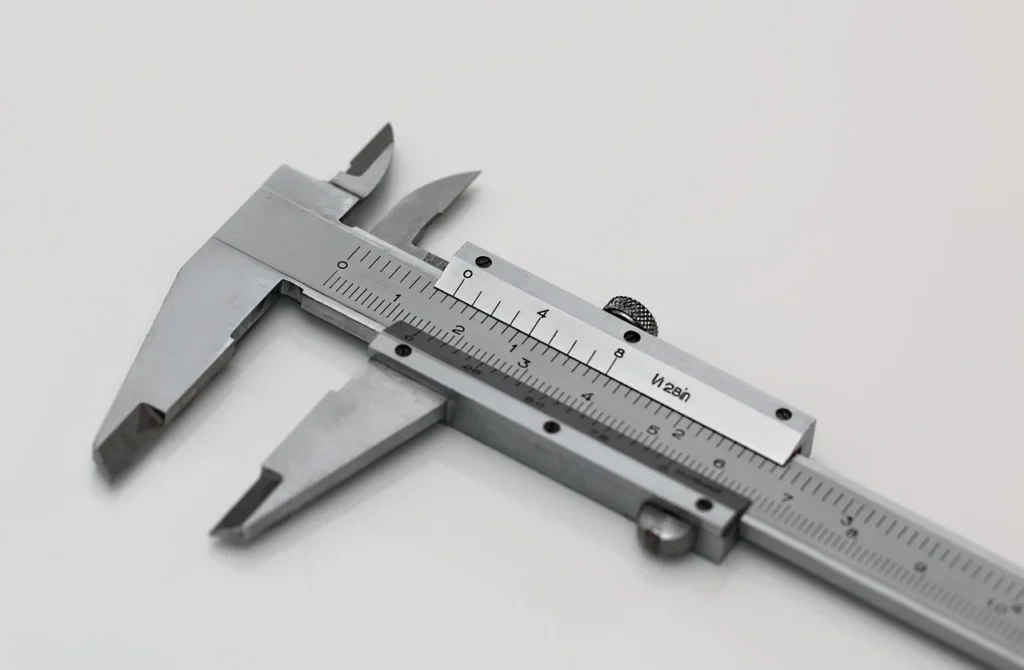
- Measure Widest Point: Use calipers or a ruler to measure the width of the tyre at its widest point, from sidewall to sidewall. Be careful not to include any side knobs on mountain bike tyres if you’re aiming for the casing width.
- Record in Millimetres: Note this measurement in millimetres. This is your effective tyre width.
Knowing how to measure bike wheel size helps you understand tyre fit within your bike’s frame and fork clearances. It also informs what inner tube size you need. Inner tubes list a diameter and a width range they accommodate, like ‘700 x 25-32c’.
Measuring Rim Internal Width
The internal width of your rim is vital for ensuring proper tyre seating and optimal tyre profile. It affects how a tyre behaves and whether it is safe to use. Tyre manufacturers often specify a recommended range of internal rim widths for their tyres.
- Remove Tyre and Tube: For an accurate measurement, the tyre and inner tube must be removed.
- Measure Inside Edges: Use calipers or a ruler to measure the distance between the inner edges of the rim walls. This is the part where the tyre’s bead sits.
- Record in Millimetres: Note this internal rim width in millimetres.
For example, a road bike rim might have an internal width of 19mm. In contrast, a mountain bike rim could be 25mm or wider. Using a tyre that is too narrow or too wide for your rim’s internal width can lead to poor handling, increased risk of punctures, or even tyre blow-offs.
Special Considerations for Kids’ Bike Wheel Sizes
When it comes to children’s bikes, the sizing system is almost exclusively based on the imperial outer tyre diameter. This makes it simpler, but you still need to be accurate to ensure the child has the correct size bike for their height and comfort.
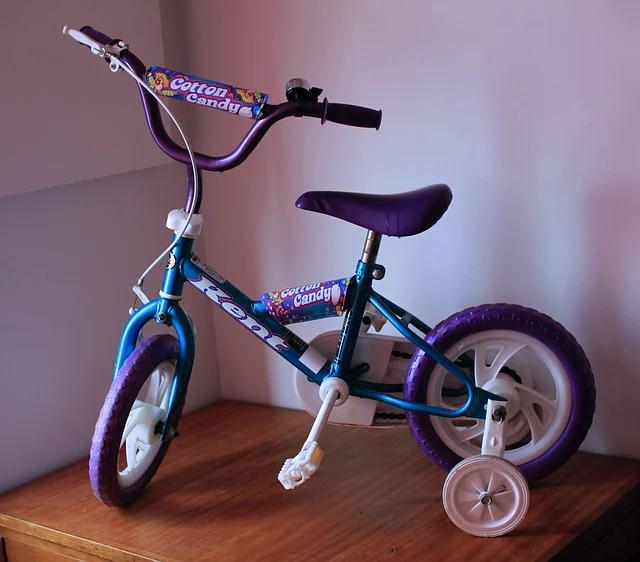
To measure a kids’ bike wheel size, focus on the overall tyre diameter method described earlier. Measure from the ground to the centre of the axle and double it. Then, convert this measurement to inches. Common sizes range from 12-inch for very young riders to 24-inch for older children before they transition to adult bikes.
You can also check the tyre sidewall for markings like ’16 x 1.75′ or ’20 x 2.125′. The first number is the important overall diameter in inches. The second number is the tyre width, which is important for inner tube compatibility.
Measuring for Inner Tubes and Tyre Replacements
When selecting a new inner tube or a replacement tyre, you need to match both the diameter and the width. The information you gather from the tyre sidewall markings or your physical measurements will guide you.
For an inner tube, knowing how to measure bike wheel size gives you the ETRTO diameter and width range. Manufacturers usually label a ‘700c’ inner tube ‘700 x [width range]’. If your tyre is ‘700 x 28c’, find a 700c inner tube covering 28mm (e.g., 700 x 25-32c).
For a new tyre, you must match the ETRTO rim diameter precisely. Then, you can choose a tyre width that is compatible with your rim’s internal width and fits within your bike’s frame and fork clearances. Always check the tyre manufacturer’s recommendations for minimum and maximum rim widths for how to measure bike wheel size. Incorrect pairing can lead to poor performance or dangerous situations.
Common Mistakes and Who This Advice Does Not Suit
One of the most common mistakes observed is confusing the nominal inch size with the actual ETRTO measurement. A ’29-inch’ wheel, a ‘700c’ wheel, and a ’28-inch’ wheel all share the same 622mm ETRTO bead seat diameter. This can be very misleading when considering how to measure bike wheel size by only looking at the inch designation. Always prioritize the ETRTO number for rim and tyre compatibility.

Another pitfall is measuring the overall diameter of the rim itself, rather than the bead seat diameter. The outer edge of a rim will always be larger than its bead seat, leading to an incorrect ETRTO measurement if you are not careful.
This advice is generally suitable for anyone looking to replace tyres, inner tubes, or understand their bike’s specifications. However, if you are dealing with highly specialized wheels, such as those with non-standard bead seats, or if you are trying to fit tyres to very old or custom rims, you might need more specific guidance on how to measure bike wheel size from a professional bike mechanic. Some vintage bikes also used unique sizing that isn’t easily converted to modern ETRTO standards, requiring careful research or expert consultation.
Remember, accurate measurement ensures not only component compatibility but also your safety on the road or trail.
Frequently asked questions
How do I measure bike wheel size in inches?
To measure bike wheel size in inches, inflate the tyre. Then measure from the ground to the centre of the wheel’s axle. Double this measurement to get the overall tyre diameter. Convert that figure to inches by dividing by 2.54 if measured in centimetres or 25.4 if measured in millimetres.
What is the difference between measuring bike wheel size and bike tyre size?
Bike wheel size typically refers to the rim’s diameter at the bead seat (ETRTO standard) or the overall diameter of the tyre. Bike tyre size includes both the diameter (matching the rim) and the width of the inflated tyre. This width affects clearance and inner tube compatibility.
Can I use any inner tube if the wheel diameter is the same?
No, you need to match both the diameter and the width range of the inner tube to your tyre. For example, a 700c inner tube designed for a 23mm wide tyre will not work correctly with a 700c tyre that is 40mm wide; it would be overstretched and prone to punctures.
Where exactly on the tyre should I look for size markings?
Always look for the size markings embossed or printed on the sidewall of the tyre. You might need to rotate the wheel to find them, as they can sometimes be small or partially obscured by dirt.