
 By Hashim Hashmi
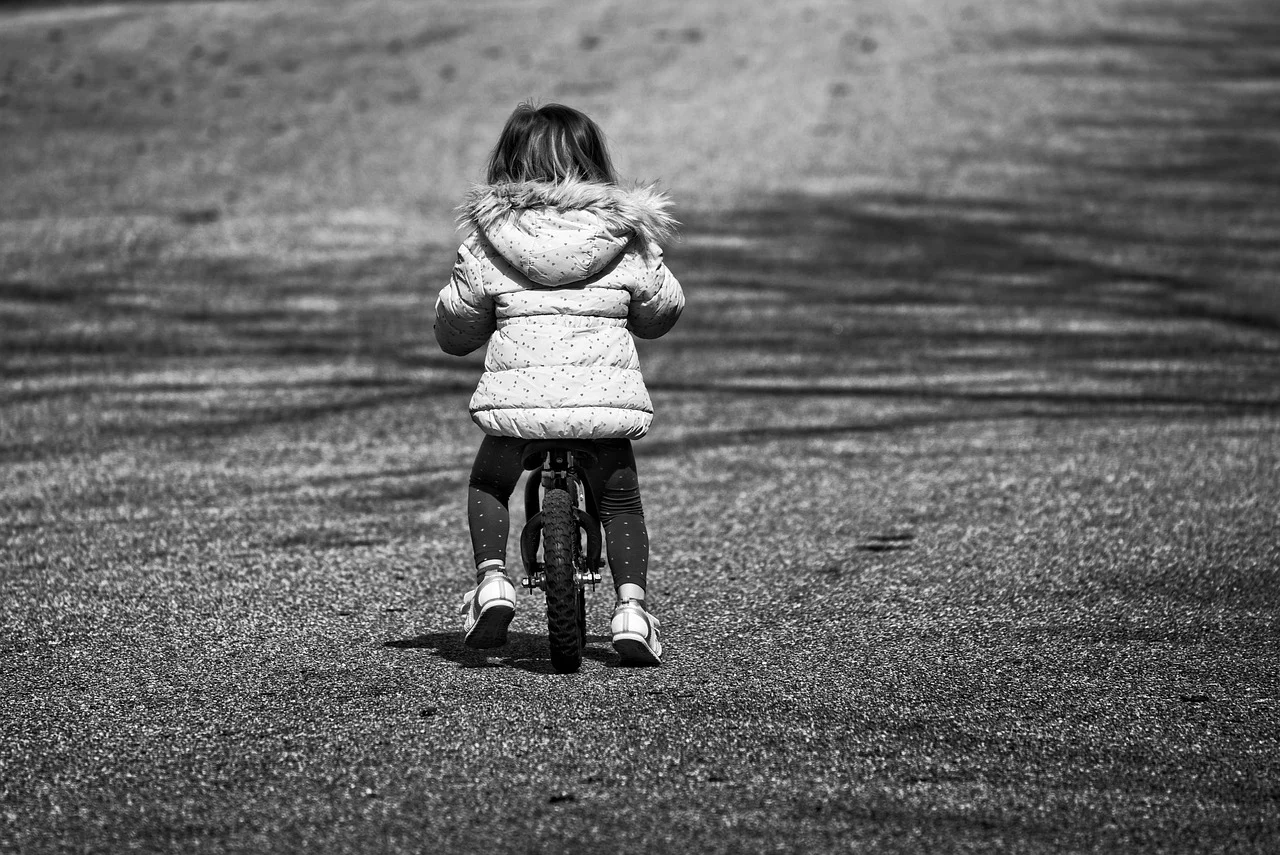
A balance bike has no pedals. Children aged 18 months to 5 years use their feet on the ground. They learn steering and upright balance. Also, it removes pedals, cranks, and chains. This isolates core balancing skills. Young riders can transition directly to a two-wheeled pedal bike. They will not need stabilizers.
This simple pedal-less bicycle design helps toddlers. They can walk, run, and glide on two wheels. They also stay in full control of their speed and stability. Children focus purely on weight distribution and body position. They do not divide their attention between pedaling, steering, and balancing. Once they master balance, adding pedals is easy. This makes the learning curve faster and safer. It is better than traditional training wheel methods.
Why choose a balance bike over stabilisers?
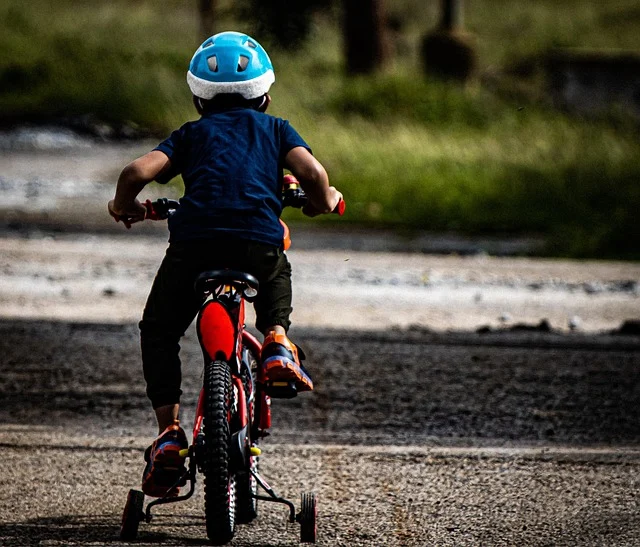
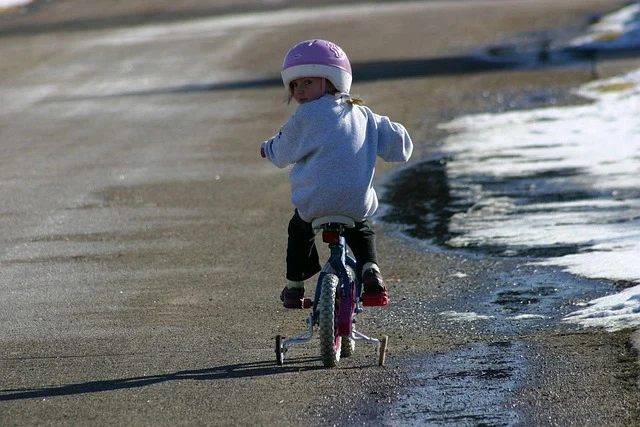
For decades, training wheels were the standard. They taught young children how to ride. However, stabilizers often create a false sense of security. They also instill counterproductive riding habits. On a bike with training wheels, a child leans outward into turns. This engages the support wheel. However, this is the exact opposite of true two-wheeled cornering. They rely on rigid side supports. They do not develop dynamic balance and weight shifting.
A balance bike teaches correct riding mechanics from the very first ride:
- Dynamic leaning: Children learn to lean into turns naturally, balancing gravitational forces against forward momentum.
- Tactile speed control: Riders push off and brake with their feet. This gives them instant, intuitive speed regulation. They do not rely on hand brake levers. This is helpful before their grip strength develops.
- Terrain flexibility: Wide stabilizer arms often catch on bumps, rocks, or sloped pavement. However, young riders can navigate grass, dirt paths, and uneven surfaces smoothly without them.
- Lighter frame weight: Balance bikes lack heavy drivetrain components. Therefore, they weigh between 2.5 kg and 4 kg. This allows a toddler to pick up, turn, and maneuver the bike independently.
When a child starts on a balance bike, they master balance first. Later, you can add pedals. The transition takes much less time than with stabilisers. In fact, it often takes just one afternoon.
How do you choose the right size balance bike?
Size is the single most critical factor when you select a balance bike. A bike that is too large will undermine your child’s confidence. It also makes stopping difficult. As a result, it increases the risk of falls. Buying a balance bike with the intention of having a child “grow into it” often leads to frustration and delayed progress.
You should measure your child’s inner leg inseam to get an accurate fit. Do not rely solely on overall height or age guidelines.
- Have your child stand straight against a flat wall wearing their normal riding shoes.
- First, place a hardcover book flat against the wall. Then slide it up between their legs. Make sure it rests gently against their crotch. This simulates a bike saddle.
- Mark the top edge of the book against the wall and measure straight down from that point to the floor.
Matching inseam to seat height
First, match the balance bike’s minimum seat height to your child’s inseam. Alternatively, it can sit 1 cm to 1.5 cm below it. Your child must have both feet flat on the ground. Also, their knees should have a slight bend. This flat-footed stance is essential. It helps them push off effectively. They can also stride comfortably. As a result, they can stop the bike safely and with control.
The 30 percent weight rule
For an average 2-year-old weighing 12 kg, the bike should ideally weigh under 3.6 kg. A lighter bike enables your child to push, steer, and lift the frame off the ground independently after an inevitable bump or tumble.
What frame materials and tyre options are available?
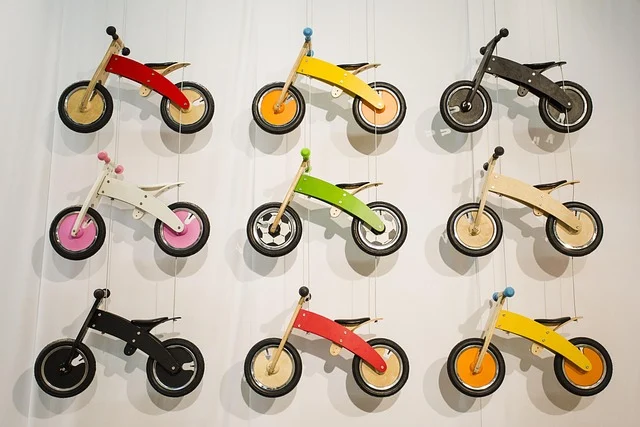
Balance bikes have various frame materials and wheel setups. Each offers distinct trade-offs. For example, consider weight, durability, weather resistance, and ride comfort.
| Material / Feature | Advantages | Disadvantages | Best Suited For |
|---|---|---|---|
| Aluminium Frame | Ultra-lightweight, rust-proof, durable, strong resale value | Higher initial purchase price | Toddlers under 3 years old and daily outdoor riding |
| Steel Frame | Sturdy, budget-friendly, highly impact-resistant | Heavier, vulnerable to rust if left outdoors | Budget-conscious buyers and taller or older children |
| Wooden Frame | Eco-friendly, stylish aesthetic | Limited seat adjustment range, sensitive to moisture | Indoor play and dry, smooth pavement |
| EVA Foam Tyres | Puncture-proof, zero maintenance, lightweight | Lower traction on wet surfaces, less shock absorption | Young toddlers, paved footpaths, indoor use |
| Pneumatic Air Tyres | Superior grip, excellent shock absorption on rough ground | Requires air pumping, risk of punctures, adds weight | All-terrain riding, gravel paths, and grass inclines |
Strider is a widely recognized brand. It offers lightweight aluminum frames and tool-free adjustability. Therefore, it is a popular choice for young toddlers. Also, brands like Woom offer high-end options. These bikes have child-proportioned rear hand brakes. They also feature specialized geometry and pneumatic air tires. However, these come at a higher price point.
What features should you look for before buying?
Beyond basic frame sizing and tyre choices, specific structural design features can significantly affect ride quality, comfort, and safety:
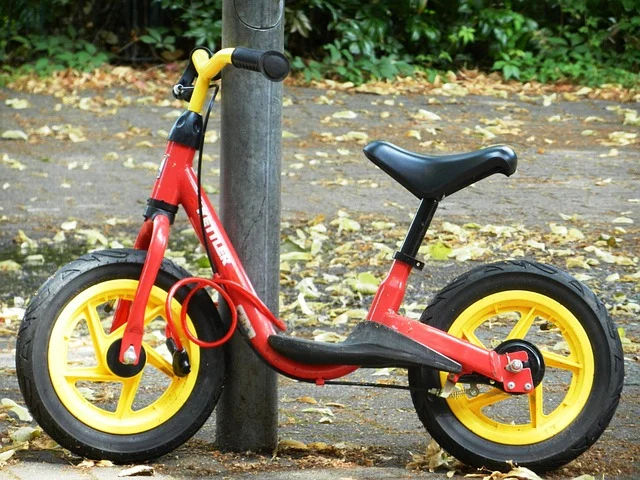
- Scooped saddle geometry: A dedicated balance bike saddle features a scooped, ergonomic shape. Flat pedal bike saddles tend to let toddlers slide forward towards the handlebars while striding.
- Integrated footrests: Footrests are near the rear chainstays. They give children a place to rest their feet. This happens once they reach higher gliding speeds. However, ensure footrests do not protrude outward. They could catch on calf muscles during pushing strokes.
- Steering limiters: A steering limiter stops handlebars from turning a full 360 degrees. This reduces sharp jackknife turns. These turns can cause forward falls. While helpful for early beginners, advanced riders benefit from removing the limiter. They can practice tighter turns.
- Brake options: Most basic balance bikes use shoe soles for stopping. However, some models have a rear hand brake. These brakes feature short-reach levers. They allow children to learn hand braking early. Also, they prevent premature shoe wear on sloped terrain.
How do balance bikes support child development?
Riding a balance bike offers physical and cognitive benefits. These go far beyond preparing for two-wheeled cycling. According to the American Academy of Pediatrics, early physical activity is key. Active play also plays a role. It develops essential motor coordination and physical confidence.
Riding a balance bike builds physical skills across several key areas:
- Gross motor development: Operating a balance bike engages core, back, leg, and arm muscles simultaneously. Coordinating leg pushing with upper-body steering builds cross-body motor control and strength.
- Proprioception and spatial awareness: Proprioception is the body’s internal sense of self-movement and spatial positioning. Gliding over varied terrain teaches young riders to continuously assess speed, distance, slope, and balance adjustments.
- Independence and confidence: Bicycles with training wheels need constant adult steadying. A balance bike, however, gives children complete control. They control their speed and stopping. This autonomy fosters self-reliance. It also builds enthusiasm for outdoor activity.
How to teach your child to ride a balance bike: Step-by-step
Teaching a child to ride a balance bike requires patience and positive reinforcement. Follow this progressive step-by-step approach to help your child build confidence:
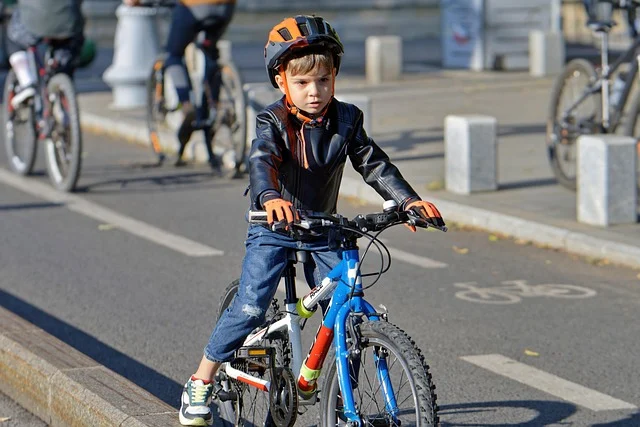
- Fit safety equipment: Always fit a properly sized helmet before every riding session (for details on proper helmet fitting, see Child Seat for Bicycle: Safe Rides for Your Little One for safety standards). Ensure your child wears closed-toe shoes with grippy soles to protect their feet while striding and stopping.
- The “Stand and Walk” stage: Initially, your child may simply stand over the frame and walk forward while holding the handlebars, without sitting on the saddle. Allow them to explore this stage at their own pace to build familiarity with steering and frame weight.
- Seated striding: As comfort increases, encourage your child to sit down on the saddle while walking. Their legs will naturally move in an alternating walking pattern, taking weight off their legs and distributing it onto the saddle.
- Long strides and pushing: Once seated walking is comfortable, prompt your child to push off using stronger, longer leg strides to build forward momentum.
- Gliding on two wheels: When your child gains enough speed, encourage them to lift both feet. They can also place them on integrated footrests to glide. Practice gliding across flat, smooth asphalt. You can also use gentle grassy slopes.
- Controlled turning and stopping: Teach your child to bring the bike to a stop using both feet flat on the ground. Practice broad, wide turns before attempting tighter maneuvers around gentle obstacles.
How to transition from a balance bike to a pedal bike
The step from a balance bike to a pedal bicycle is usually fast. This is because children have already mastered upright equilibrium. It is the most challenging aspect. As a result, children rarely need training wheels at all.
Indicators of readiness
Your child is likely ready for pedals when they consistently demonstrate these riding habits:
- Sustained gliding on two wheels for 5 to 10 seconds without dropping their feet.
- Confident steering around corners and obstacles while gliding.
- Controlled stopping using their feet or hand brakes without losing balance.
- Exhibiting curiosity about riding a pedal bike like older children or adults.
Steps for a smooth pedal transition
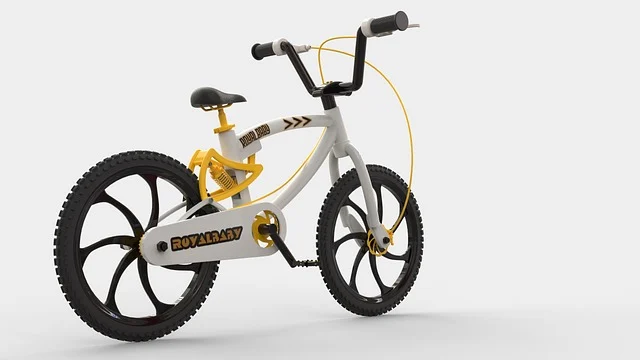
First, select a lightweight pedal bike. It typically has 12-inch or 14-inch wheels. Set the saddle low so your child’s feet rest flat. If your child hesitates, remove the pedals. They can then use it as a balance bike. This helps them get used to its weight and steering.
Once comfortable, reinstall the pedals. Hold the child gently by their shoulders or upper jacket (avoid holding the handlebars) to support them while they place their feet on the pedals. Have them push off with one strong stride, place both feet on the pedals, and turn the cranks forward. Most balance bike riders start pedalling independently within 15 to 30 minutes.
Common mistakes and how to fix them
Avoid these frequent mistakes when selecting and using a balance bike:

- Buying an oversized bike: Purchasing a frame that is too large forces children onto their tiptoes, which eliminates stopping control and causes anxiety. Always prioritize current inseam fit over room to grow.
- Incorrect saddle height: Setting the saddle too high prevents flat-footed stopping, while setting it too low restricts full stride leg motion. Adjust the seat height regularly as your child grows.
- Skipping head protection: Even at slow walking speeds, head protection is mandatory. Establishing good helmet habits early ensures safety across all future cycling.
- Riding on challenging surfaces too early: Avoid deep gravel, loose sand, or steep paved hills during early learning. Begin on flat, smooth asphalt, tarmac, or short, firm lawn grass.
- Rushing the process: Avoid forcing a child to glide or move up to pedals before they are fully comfortable striding at speed. Let your child set the pace.
Who is a balance bike not suitable for?
While balance bikes suit most toddlers, they are not ideal for every child or circumstance:
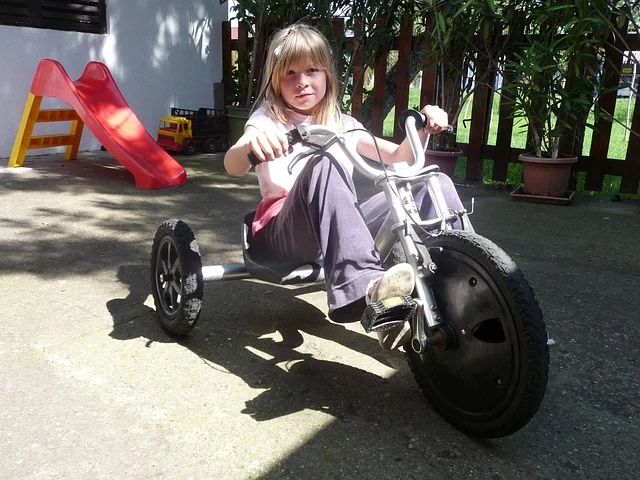
- Older children over 6 years old: Standard toddler balance bikes suit heights up to roughly 105 cm. Older children learning to ride need larger-framed balance bikes. Alternatively, use a standard pedal bike. Just remove the pedals temporarily.
- Infants under 18 months: Children who cannot walk, run, and squat with stable motor control lack the core stability required for a two-wheeled balance bike. Ride-on rocker toys or four-wheeled balance toys are better stepping stones for this age group.
- Long-distance family rides: Toddlers on balance bikes tire quickly over longer distances. For extended family outings over several miles, a bicycle trailer, rear child seat, or tow bar is more practical until the child can ride a pedal bike.
Frequently asked questions
What age is best to start with a balance bike?
Most children can start using a balance bike between 18 months and 3 years old. The best indicator is physical mobility: if your child can walk and run with confident stability, they are physically ready to begin striding on a balance bike.
How do I choose the right size balance bike?
Measure your child’s inner leg inseam. Make sure they are wearing shoes. Then, select a bike. Its minimum seat height should be equal to or slightly lower than that measurement. Your child must sit squarely on the saddle. Both feet should rest flat on the ground. They also need a slight bend in their knees.
Do balance bikes have brakes?
Many entry-level balance bikes rely on the child using their feet against the ground to stop. However, higher-end models feature rear hand brakes specifically designed with short-reach levers, which help teach braking control early and preserve shoe soles on sloped terrain.
Are balance bikes safer than bikes with training wheels?
Yes, balance bikes are generally safer because they allow young riders to keep their feet close to the ground and stop instantly at any time. They also teach natural leaning and weight management, preventing the unexpected tipping hazards common with rigid training wheels.
How long does it take a child to learn on a balance bike?
Most toddlers learn to walk and stride with a balance bike within their first few sessions. Mastering gliding, turning, and controlled stopping typically takes between two weeks and a few months depending on practice frequency and individual motor development.
What is the average cost of a balance bike?
Prices typically range from around £50 for basic steel or plastic models up to £150 or more for lightweight aluminium bikes featuring air tyres and hand brakes. Higher-end models offer superior durability, lighter weight, and better resale value.