
 By Hashim Hashmi
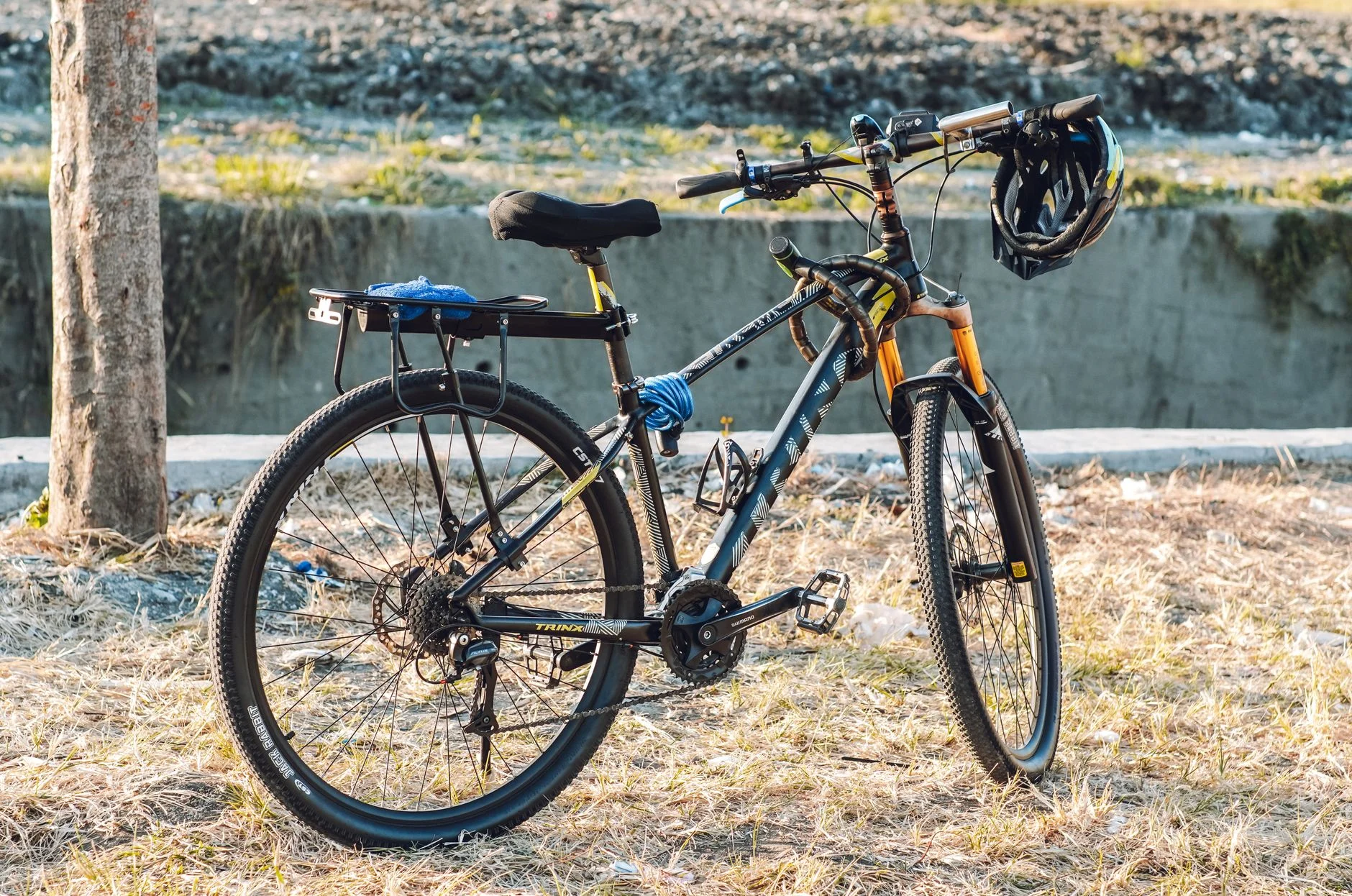
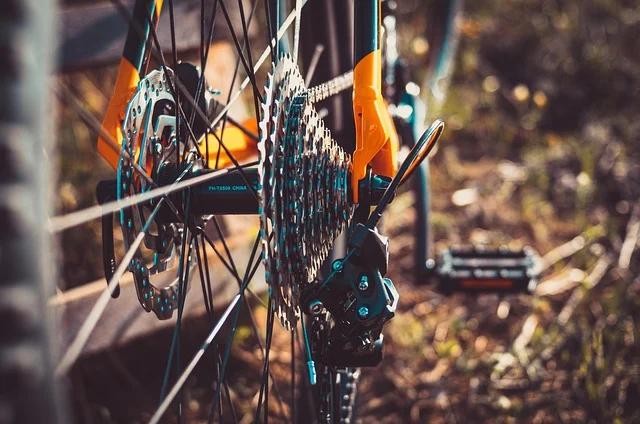
What mountain bike chain do I need?
Choosing the correct mountain bike chain requires matching your drivetrain speed count, as modern 12-speed chains are narrower than 10-speed options to fit tightly spaced cogs. Chains consist of inner and outer plates connected by pins with a standard 1/2 inch pitch. Their overall width and side-plate profiles vary significantly across manufacturers like Shimano and SRAM.
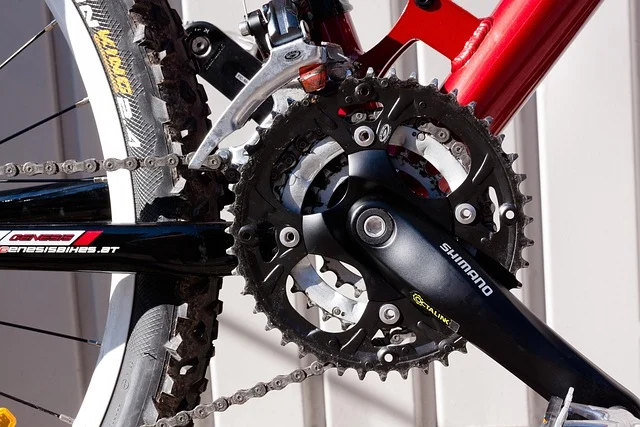
Compatibility dictates that you must pair specific chain technologies correctly. Shimano systems utilizing Hyperglide+ or Linkglide, alongside SRAM Eagle and Flattop systems, require dedicated matching chains rather than generic alternatives. E-bikes demand even more solid options, such as chains with stronger rivets built to handle higher mid-rant torque.
When selecting your chain, check the stamped specifications on your current derailleur and cassette. Mixing brands across 12-speed systems often introduces shifting hesitation. This happens because tooth profiles and chainroller tolerances are engineered as a closed system.
When to replace a mountain bike chain
Relying on fixed mileage thresholds is unreliable because grit, riding style, and local weather drastically alter wear rates. Instead, you measure chain elongation using a dedicated chain checker tool dropped into the links.
If the 0.5 percent side of the tool drops freely into a Shimano 11- or 12-speed chain, you must replace it immediately; SRAM chains should be replaced at 0.8 percent using a compatible checker. [docs.sram.com] For 9- and 10-speed chains, the threshold is typically 0.75 percent.
If you delay replacement past the elongation threshold, the worn rollers will rapidly deform the teeth on your expensive cassette and chainrings. Replacing a stretched chain early saves you from having to purchase an entirely new drivetrain prematurely.
How to check and measure your chain wear
You assess chain wear at home by using a physical drop-in chain checker tool. Place the fixed pin of the tool between two inner rollers, then let the opposite end drop toward the chain.
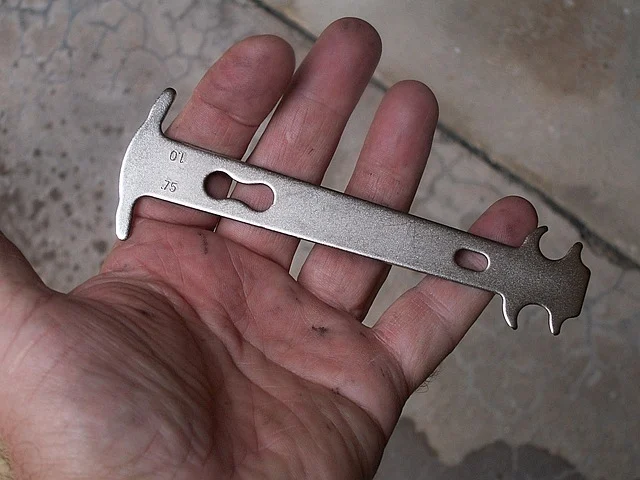
If the gauge pin sinks completely into the gap between the rollers at the 0.5% or 0.75% mark, your pins and rollers have worn down, causing the overall pitch to elongate. You must swap the chain immediately to protect your cassette.
Alternatively, you pull the chain away from the center of your front chainring using your thumb and forefinger. If you see a clear gap revealing daylight between the chain rollers and the chainring teeth, your chain is severely worn and stretched beyond its safe operating limit.
Do mountain bike chains have master links?
Almost all modern mountain bike chains use a master link (also called a quick link or power link) instead of a traditional joining pin. This two-piece side-plate design allows you to connect and disconnect the chain easily without special riveting tools.
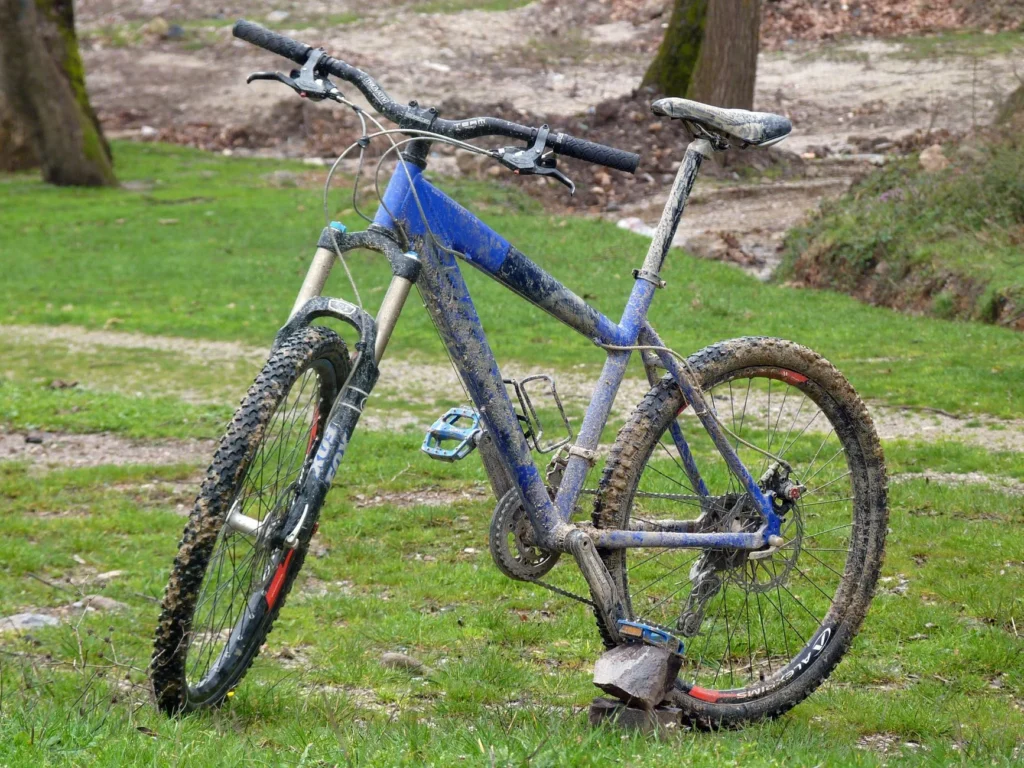
Some manufacturers color-code or stamp these links with arrows pointing in the direction of drivetrain rotation. [ucycle.com] You must ensure the arrow points forward when pedaling.
Keep in mind that many modern master links are single-use components. When you remove a 12-speed chain for deep cleaning or replacement, you discard the old master link and install a fresh one to prevent unexpected mid-ride structural failure.
Mountain bike chain routing, diagram, and tensioners
Correct chain routing ensures your drivetrain operates quietly and shifts crisply across every gear. You thread the chain down from the front chainring, straight through the upper derailleur guide pulley, backward past the derailleur cage divider, and forward through the lower tension pulley.
If your bike uses a chain guide, you pass the top span of the chain directly through the inner channel of the guide before wrapping it around the chainring. This prevents the chain from bouncing off during rough descents.
Full-suspension bikes often incorporate a mountain bike chain tensioner or idler pulley near the main pivot. You must route the chain directly over or under this idler pulley according to your frame manufacturer layout. Incorrect routing creates excessive friction, binds the suspension, or shears the derailleur cage completely off the frame.
Can I replace a mountain bike chain yourself?
You can easily replace a mountain bike chain at home using a chain breaker tool, new master link, and a pair of chain pliers. Measure your new chain against your old one while resting them side by side on a flat workbench to determine the correct link count before shortening it.
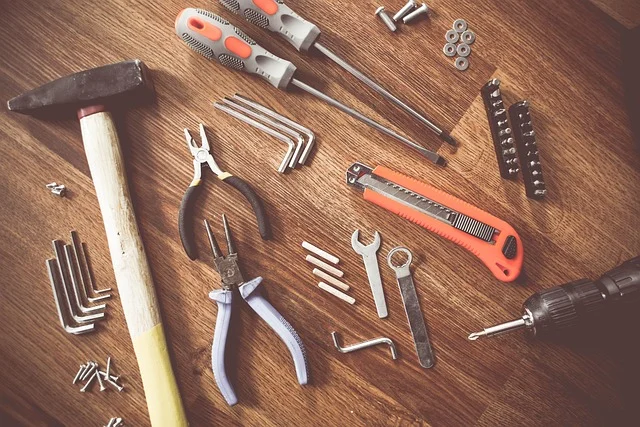
Thread the new chain carefully through your rear derailleur pulleys and around the chainring, ensuring proper routing through any chain guides or tensioners. Finally, insert the master link and pull firmly on the pedals to snap the link securely into place.
When sizing a new chain using the old chain method, ensure the old chain was not already overly stretched. Alternatively, wrap the new chain around the largest cassette cog and the largest front chainring without threading it through the derailleur, then add two full inner-outer link pairs to find the correct working length.
Why is my mountain bike chain slipping?
A mountain bike chain slips under pedal load primarily because elongation has worn down the valleys of your rear cassette cogs, causing the narrow rollers to ride over the top of the teeth. Cleaning your drivetrain and adjusting your rear derailleur cable tension may fail to stop the slip. In this case, you likely need a new cassette alongside your new chain.
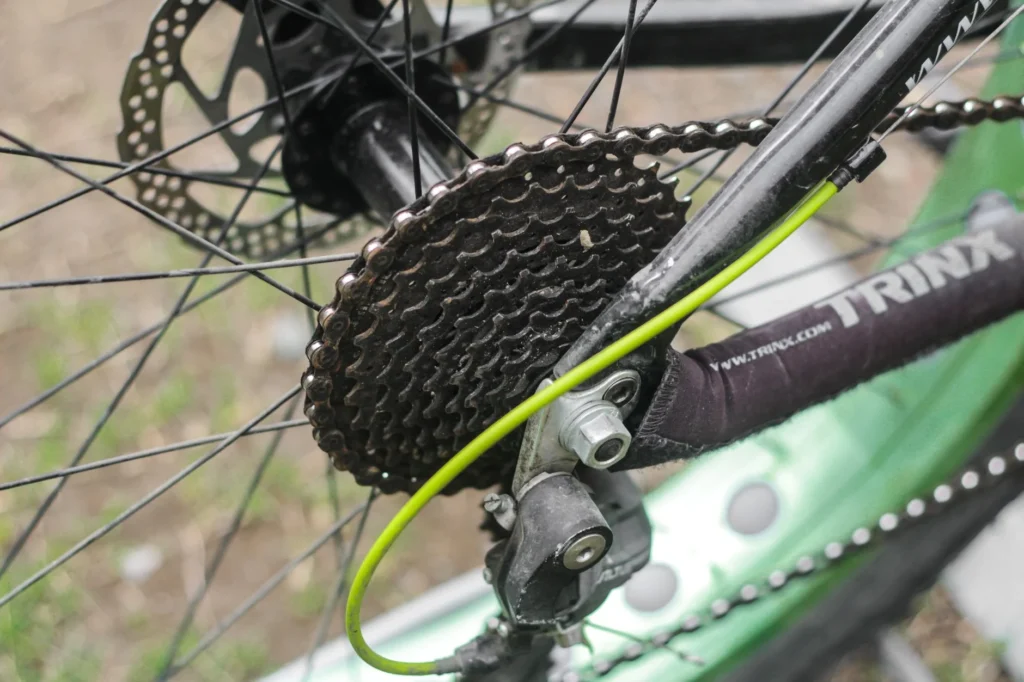
Another common cause of slipping is a stiff link resulting from poor cleaning or a poorly pushed connecting pin. You locate the stiff link by backpedaling slowly and watching the rear derailleur cage jump forward; you fix it by grasping the chain on either side of the stiff link and gently flexing it laterally.
Why is my mountain bike chain skipping?
Chain skipping differs from slipping by happening rhythmically under certain gear loads rather than randomly across all cogs. Skipping occurs when your derailleur hanger is slightly bent or your index cable tension is out of alignment by a fraction of a millimeter.
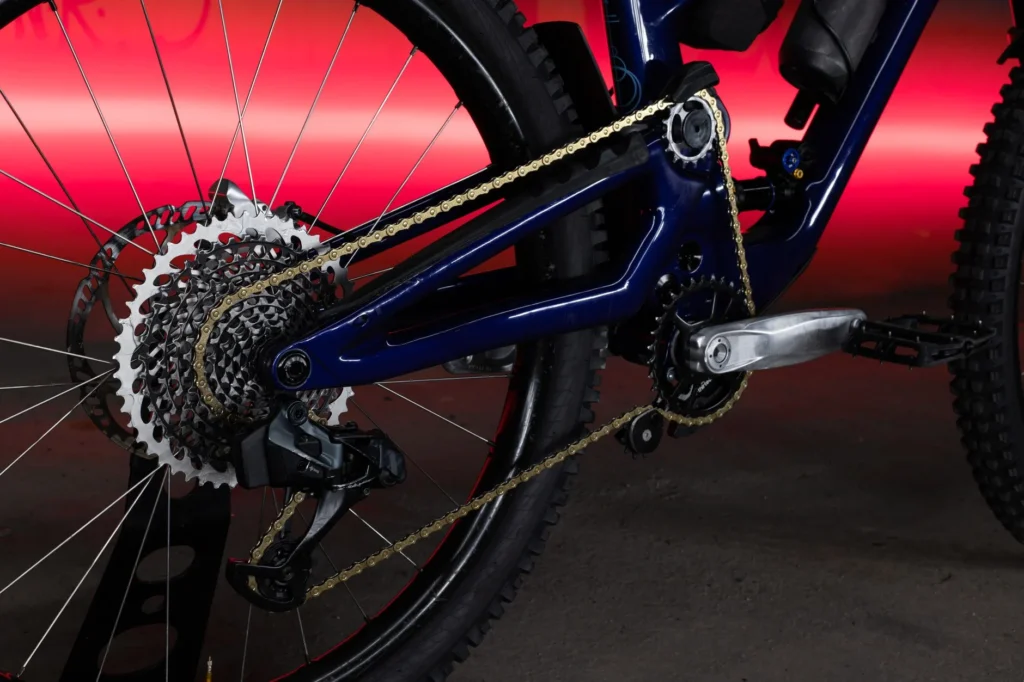
You fix skipping by using the barrel adjuster on your shifter. Turn the barrel counter-clockwise by a quarter-turn to increase cable tension if the chain hesitates to shift into larger cogs, or turn it clockwise to ease tension if the chain hesitates to drop into smaller cogs.
Why your mountain bike chain keeps falling off and how to fix it
A mountain bike chain frequently falls off due to incorrect chain length, a worn-out clutch mechanism on your rear derailleur, or a badly adjusted front chain guide. Ensure your derailleur cage moves freely and holds adequate tension across rough terrain.
If you ride a 1X setup and experience frequent drop-offs on rough descents, inspect your rear derailleur clutch switch. Turn the clutch lever to the ON position to stiffen the cage rotation, which stops the chain from bouncing wildly.
If your bike has a front derailleur, check the inner and outer cage plates. Adjust the limit screws so the cage sits squarely over the chain without rubbing during normal pedaling.
Mountain bike chain lube, cleaner, and maintenance
Proper cleaning and lubrication extend the lifespan of your drivetrain components significantly. You clean your mountain bike chain by applying a dedicated bike degreaser, scrubbing the rollers with a stiff brush, and rinsing thoroughly with clean water before drying it completely with a rag.
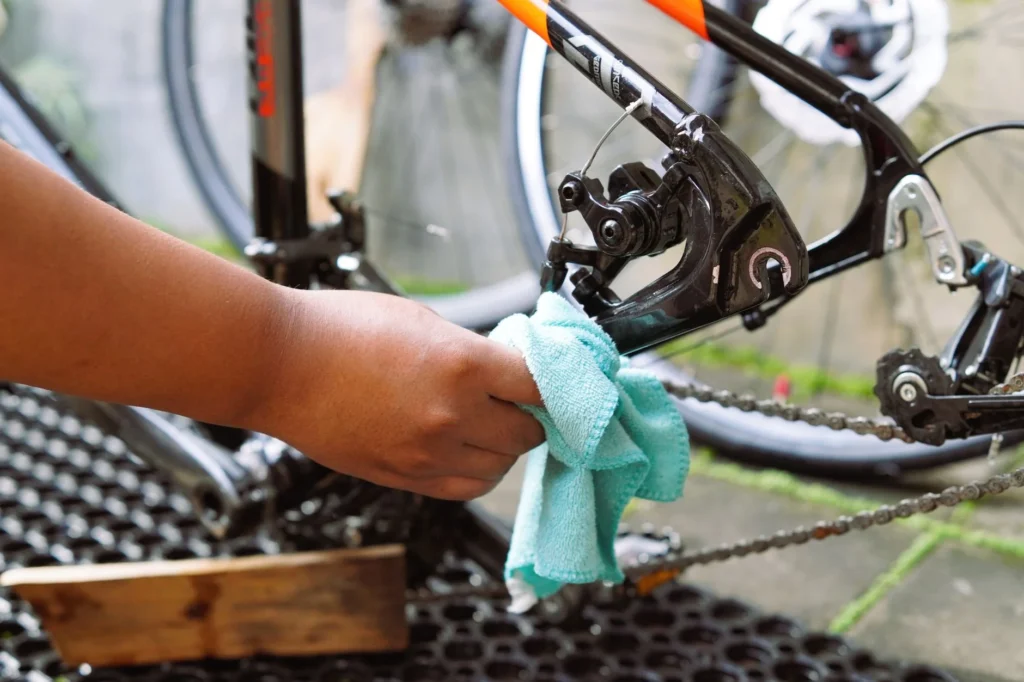
Once the metal is dry, you apply a single drop of mountain bike chain lube to each individual roller while backpedaling the cranks.
Choose your lube based on your local climate. Use dry lube in dusty, arid conditions because it repels sand and dirt. Use wet lube in muddy, wet environments because it resists washing away under rain and puddles. Wipe off excess surface oil with a clean rag after letting it sit for ten minutes to prevent grit from sticking to the links.
Who this advice does not suit
This guide applies specifically to modern derailleur-equipped mountain bikes utilizing multi-speed cassettes and chains. If you ride a single-speed mountain bike, a BMX bike, or an internal gear hub system, your setup uses wider single-speed chains with entirely different tensioning methods, missing links, and sprocket thicknesses.
Frequently asked questions
How do I tighten a mountain bike chain?
You cannot tighten a standard derailleur-equipped mountain bike chain by adjusting tension, because the rear derailleur spring automatically manages slack. If your chain feels loose or keeps dropping, you either need to remove excess links after a repair or replace a worn spring.
What causes a mountain bike chain to keep falling off?
How do I clean a mountain bike chain?
Clean your mountain bike chain by applying a dedicated bike degreaser, scrubbing the rollers with a stiff brush, and rinsing thoroughly with clean water before applying fresh wet or dry lube.
How do I fix a broken mountain bike chain on the trail?
You fix a broken chain on the trail by using a chain breaker tool to push out the damaged inner pin, removing the broken link, and installing a temporary quick link to rejoin the healthy chain ends.