
 By Hashim Hashmi
A rusty bike chain is more than just an unsightly issue; it’s a performance killer and a sign of neglect that can lead to premature wear of your entire drivetrain. Removing rust from your bike chain is a important maintenance task that can restore smooth shifting and extend the life of your components. You can effectively tackle surface rust at home using common household items or more stubborn corrosion with specialized products, often without needing to remove the chain from your bicycle.
Ignoring rust means increased friction, noisy operation, and ultimately, a chain that will snap or seize prematurely. We always recommend addressing rust as soon as it appears to prevent more significant damage to your bike’s drivetrain.
Why Does Rust Form on Bike Chains and Why is it a Problem?
Rust, or iron oxide, forms when iron in your bike chain reacts with oxygen and water. This happens after wet rides, especially if you fail to dry and lubricate the chain. Humidity, sweat, and road salt accelerate the rusting process. Knowing how to remove rust from a bike chain helps when you leave chains uncleaned and unlubricated.
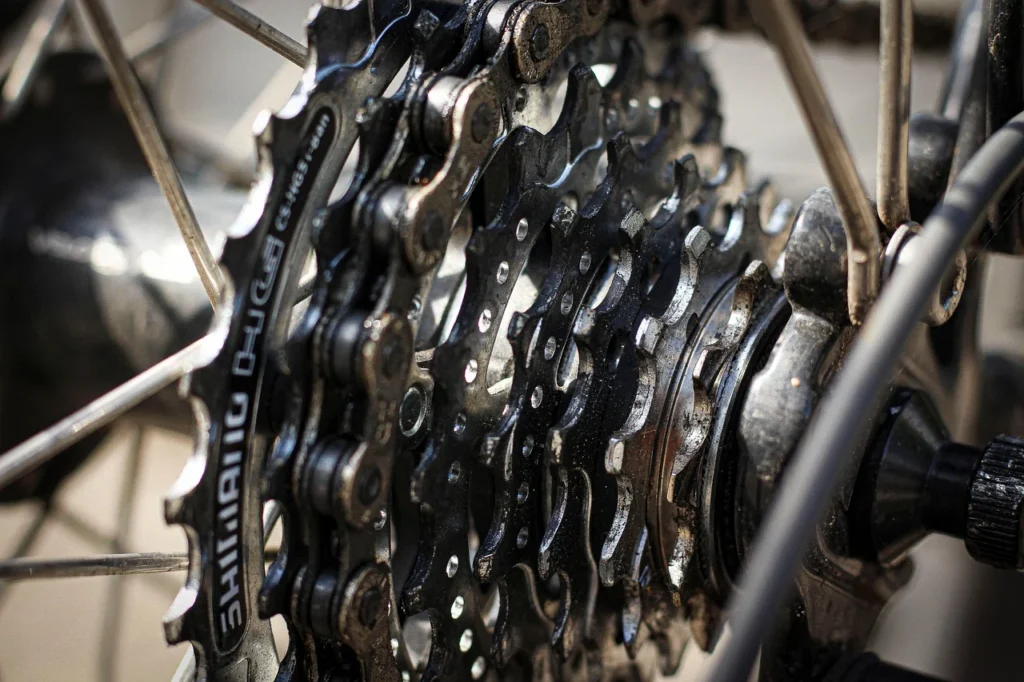
Rust on a bike chain can quickly degrade performance and lifespan.
The problem with rust isn’t just cosmetic. Rust creates a rough, abrasive surface that increases friction between the chain links and with other drivetrain components like the cassette, chainrings, and derailleur pulleys. When you learn how to remove rust from bike chain components, this heightened friction leads to:
- Reduced Efficiency: More effort is required to pedal, making your rides harder.
- Accelerated Wear: Rust acts like sandpaper, grinding away at the metal of the chain and gears, significantly shortening their lifespan.
- Poor Shifting: Stiff, rusted links can prevent smooth gear changes, leading to skipped gears or frustrating delays.
- Noise: A rusty chain will often creak, squeak, and groan, making for an unpleasant riding experience.
Assessing the Severity of Rust on Your Bike Chain
Before you jump into cleaning, take a moment to assess how bad the rust actually is. This will help you choose the most effective and appropriate method, saving you time and effort. Rust is usually categorized into three levels:
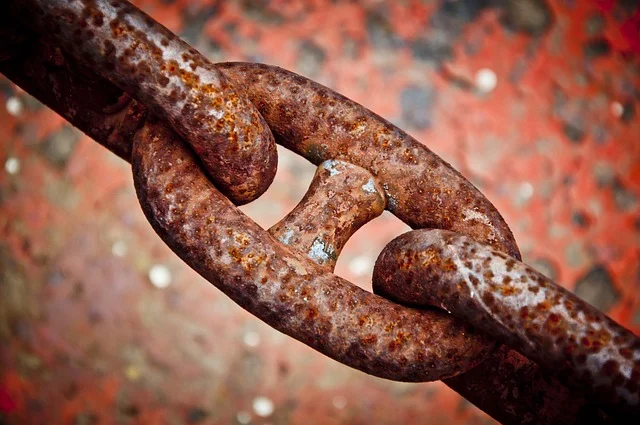
- Light Surface Rust: This appears as a reddish-brown film or spots on the surface of the chain, often after a wet ride or a few weeks of neglect. The chain links still move freely, and there’s no deep pitting. This is the easiest to remove.
- Moderate Rust: The rust is more widespread and might cover entire sections of the chain. Also, you might notice some stiffness in the links, and there could be minor pitting or flaking. This level requires more effort and possibly stronger cleaning agents.
- Heavy or Deep Rust: The chain is heavily discoloured, with significant flaking, deep pitting, and many seized or very stiff links. In most cases, if the rust is this severe, especially if links are seized, we advise that the chain is likely beyond effective repair and needs replacing. Attempting to salvage it might compromise safety and performance.
If your chain falls into the heavy rust category, inspecting the cassette and chainrings for similar deep rust or excessive wear is also important. Rust on these components can be much harder to remove effectively, and severe wear means they might also need replacing.
What You’ll Need for Rust Removal
Gathering your tools and materials before you start makes the process much smoother. The exact items will depend on the method you choose, but here’s a general list:
- Cleaning Agents:
- White vinegar or lemon juice (for natural acid methods)
- Baking soda (for paste methods)
- Rust converter/remover solution (e.g., oxalic acid-based products, WD-40 Specialist Rust Remover Soak)
- Bike chain degreaser
- Tools:
- Stiff brush (old toothbrush, wire brush for heavy rust, or a dedicated chain cleaning brush)
- Microfibre cloths or old rags
- Bucket or tray for soaking/cleaning
- Rubber gloves (especially for chemical solutions)
- Chain tool (if removing the chain)
- Safety glasses (for chemical solutions)
- Post-Cleaning:
- Bike chain lubricant (wet lube for wet conditions, dry lube for dry conditions)
How to Remove Rust from Your Bike Chain at Home (Step-by-Step)
Here are the most effective methods for removing rust from your bike chain, catering to different rust levels and whether you remove the chain or not.
Method 1: Using Natural Acids (White Vinegar or Lemon Juice) for Light to Moderate Rust
This is my go-to for surface rust and is a great option if you prefer a less harsh chemical approach. Because both white vinegar and lemon juice contain acetic and citric acid, respectively, they can dissolve rust.
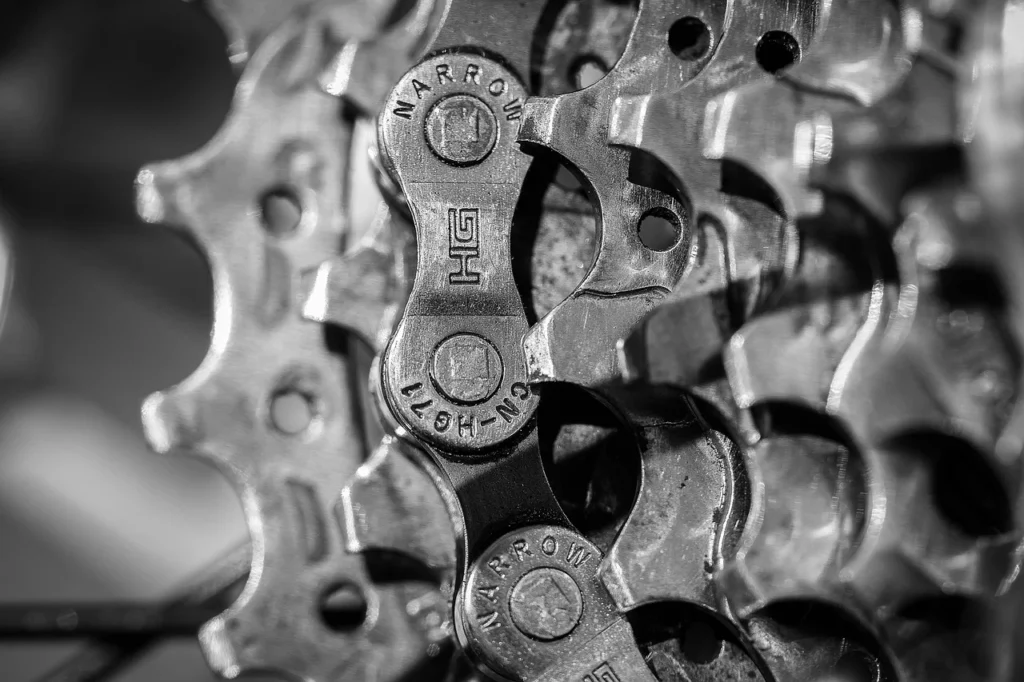
White vinegar is an effective, natural rust remover for light corrosion.
Steps if you remove the chain:
- Remove the Chain: Use a chain tool to break the chain, or if your chain has a master link, open it with master link pliers. Therefore, this allows for thorough soaking.
- Degrease Thoroughly: Before rust removal, it’s vital to remove all old grease and grime. Soak the chain in a dedicated bike degreaser for 10-15 minutes, then scrub with a stiff brush and rinse thoroughly with water. Ensure it’s completely dry before the next step.
- Soak in Acid: Place the degreased chain into a container filled with white vinegar or lemon juice. Ensure the chain is fully submerged. For light rust, 30 minutes to an hour may be sufficient. However, for moderate rust, you might need to leave it for a few hours, or even overnight.
- Scrub and Inspect: After soaking, remove the chain and scrub it vigorously with a stiff brush. Next, you should see the rust starting to flake or dissolve.
- Neutralise and Rinse: This is a critical step. Acids left on the chain can cause further corrosion. Create a paste with baking soda and water, and coat the chain with it. Let it sit for a few minutes, then rinse the chain thoroughly under running water.
- Dry Completely: Dry the chain immediately and completely. For example, use an old towel, followed by air drying, or even a hairdryer on a low setting to ensure no moisture remains.
- Lubricate: Apply a generous amount of your preferred bike chain lubricant to all the rollers and pins. Next, wipe off any excess.
Steps if you do not remove the chain (for very light, localized rust):
- Degrease and Clean: Use a chain cleaning tool or a brush with degreaser to thoroughly clean the chain while it’s still on the bike. Rinse and dry.
- Apply Acid Locally: Dampen a cloth with white vinegar or lemon juice and carefully wrap it around the rusty sections of the chain. You can also use a spray bottle to apply the acid directly, but be careful to avoid other bike components, especially brake surfaces.
- Scrub: After 15–30 minutes, scrub the rusty areas with a stiff brush.
- Neutralise and Rinse: Use a baking soda paste on the affected areas, let it sit briefly, then wipe off with a damp cloth. Finish by thoroughly rinsing the chain with water and drying immediately.
- Lubricate: Apply chain lube generously.
Method 2: Using Baking Soda Paste for Light Rust
Baking soda (sodium bicarbonate) is a mild abrasive and alkaline, making it effective for light surface rust without the acidity of vinegar or lemon juice. This method works best for rust spots rather than widespread corrosion.
Steps (best done with the chain on the bike):
- Degrease and Clean: As always, start by thoroughly degreasing and cleaning the chain. Then, rinse and dry it.
- Create Paste: Mix baking soda with a small amount of water to form a thick paste.
- Apply and Scrub: Apply the paste directly to the rusty sections of the chain. Let it sit for 10-15 minutes.
- Scrub: Use a stiff brush or old toothbrush to scrub the paste into the rust. Because of the mild abrasive action, the baking soda will help lift the rust.
- Rinse and Dry: Rinse the chain thoroughly with water to remove all traces of the paste and rust. Finally, dry immediately and completely.
- Lubricate: Apply chain lubricant.
Method 3: Using Rust Remover Solutions for Moderate to Heavy Rust
For more stubborn or widespread rust, however, a dedicated rust remover solution can be more effective. These products often contain oxalic acid or other chelating agents designed to bind with and dissolve rust. Brands like WD-40 Specialist Rust Remover Soak or dedicated bicycle rust removers are good examples.
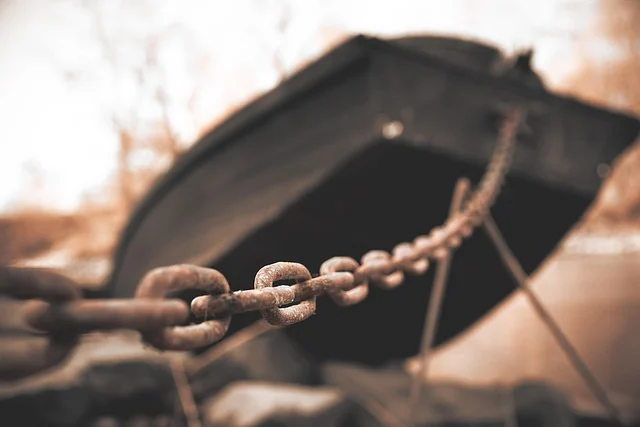
Steps (best done with the chain removed):
- Remove and Degrease: Remove the chain from the bike and degrease it completely. Next, rinse and dry.
- Soak in Rust Remover: Follow the product instructions carefully. Typically, this involves submerging the chain in the rust remover solution for a specified period, which could range from 30 minutes to several hours, or even overnight for very heavy rust. Use a non-metallic container, and ensure good ventilation. Always wear rubber gloves and safety glasses when handling these chemicals.
- Scrub and Inspect: After soaking, remove the chain and scrub it with a stiff brush to remove any loosened rust. Repeat soaking if necessary.
- Rinse Thoroughly: Rinse the chain extensively with water to remove all traces of the rust remover. Also, some products may recommend a neutralising step; always follow the manufacturer’s advice.
- Dry Completely: Dry the chain immediately and thoroughly to prevent flash rust.
- Lubricate: Apply a generous amount of chain lubricant, ensuring it penetrates all the links.
Using WD-40 (Original Formula) for light rust (with caveats):
While often associated with rust removal, the original WD-40 is primarily a water displacer and penetrant, not a dedicated rust remover. It can help loosen light surface rust and make it easier to scrub off, but it’s not ideal for deep corrosion. Its light oil content also means it’s not a suitable long-term lubricant for how to remove rust from bike chain.
- Apply WD-40: Spray WD-40 generously onto the rusty sections of the chain. For example, let it sit for 10-15 minutes to penetrate.
- Scrub: Use a stiff brush (a wire brush for tougher spots, but be gentle) to scrub the rust off.
- Wipe and Degrease: Wipe off all the WD-40 and loosened rust with a clean rag. Then, importantly, you must thoroughly degrease the chain with a proper bike degreaser. WD-40 leaves a residue that isn’t a good lubricant and can attract dirt.
- Rinse, Dry, and Lubricate: Rinse the chain, dry it completely, and then apply a dedicated bike chain lubricant.
For rust removal without WD-40, any of the other methods (natural acids, baking soda, or dedicated rust removers) are perfectly suitable and often more effective for anything beyond the lightest surface rust.
Removing Rust from Bike Chain and Gears (Cassette, Sprocket)
If your chain is rusty, your cassette, chainrings (sprocket), and derailleur pulleys have corrosion. The principles for how to remove rust from a bike chain apply, but approaches differ by materials.
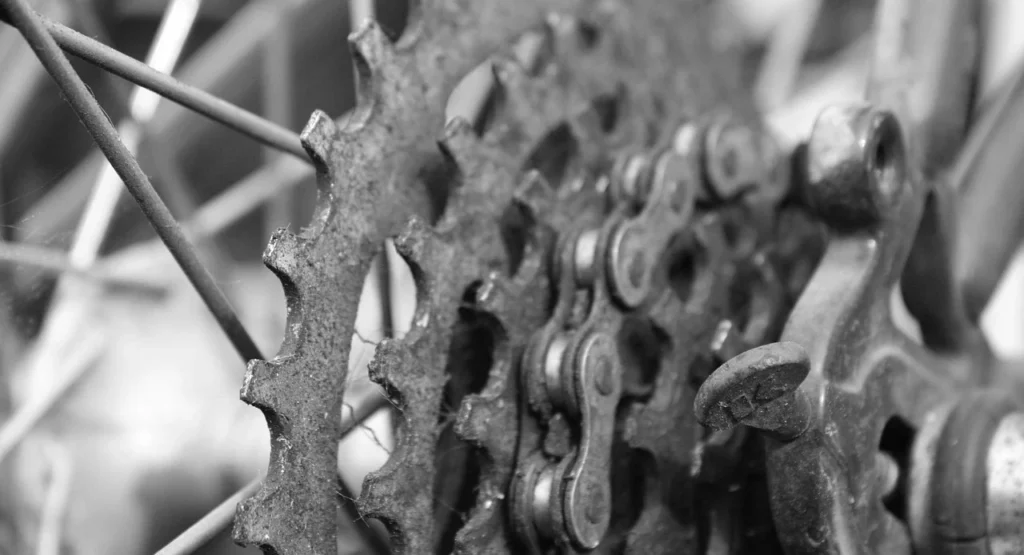
Rust can spread from the chain to the cassette and chainrings if not addressed.
For the Cassette and Chainrings:
- Degrease: Start by thoroughly degreasing the cassette and chainrings. Use a stiff brush or a dedicated cassette cleaning tool with bike degreaser to get into the gaps between the cogs.
- Apply Rust Remover: For light surface rust, you can use a vinegar-soaked cloth or a baking soda paste. However, for moderate rust, apply a dedicated rust remover solution (like those mentioned above) with a brush, being careful not to get it on painted frame parts or brake surfaces. Let it dwell for the recommended time.
- Scrub: Use a stiff brush, a small wire brush (carefully, to avoid scratching), or even a piece of old chain to scrub between the cogs of the cassette. For chainrings, scrub the teeth and sides.
- Rinse and Dry: Rinse thoroughly with water, ensuring all chemical residues are gone. Dry immediately with a cloth or compressed air.
- Lubricate (Slightly): While you don’t ‘lube’ the cassette and chainrings like the chain, a very light application of a dry lubricant or a silicone spray can offer some protection against flash rust, especially on steel components. Wipe off any excess.
Deep cassette or chainring rust requires replacement, even if you know how to remove rust from a bike chain. Worn teeth cause poor shifting and premature wear, even with a new chain.
After Rust Removal: Cleaning, Lubrication, and Prevention
Removing rust is only half the battle. What you do next, and regularly, is important for maintaining your drivetrain’s health.
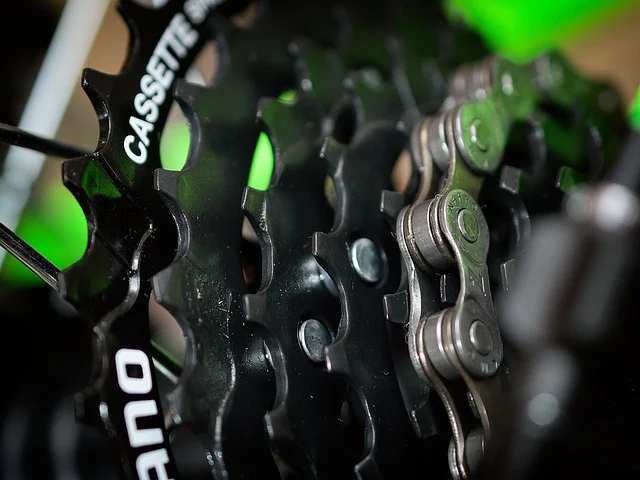
Thorough Cleaning and Lubrication
Immediately after you learn how to remove rust from a bike chain, your chain will be stripped of all lubrication. This is a prime opportunity for flash rust to form if left wet or unlubricated. We always emphasize that proper lubrication is essential:
- Ensure Complete Dryness: As mentioned, this is non-negotiable.
- Apply Lube Correctly: Drip a small amount of chain lubricant onto each chain roller while slowly back-pedalling. Ensure the lube penetrates the inside of the links.
- Allow Penetration: Let the lubricant sit for 5–10 minutes to work its way into the pins and rollers.
- Wipe Excess: Use a clean, dry rag to wipe off all excess lubricant from the outside of the chain. Excess lube only attracts dirt and grime, turning your chain into an abrasive paste.
Preventing Future Rust
Prevention is always better than cure. Following these simple steps will significantly reduce the chances of rust returning:
- Clean After Wet Rides: If you ride in the rain or through puddles, give your chain a quick wipe-down with a dry cloth as soon as you get home.
- Regular Cleaning and Lubrication: Establish a routine. For regular riders, we recommend a thorough clean and lube every 100-200 miles or every few weeks, depending on conditions.
- Store Your Bike Properly: Keep your bike in a dry environment. Avoid leaving it outside uncovered, especially in humid or coastal areas.
- Use the Right Lube: Choose a chain lubricant appropriate for your riding conditions. Wet lubes are thicker and more resilient in damp weather but attract more dirt. Dry lubes are cleaner but wash off easily in the rain.
- Consider a Chain Guard: For commuter bikes, a chain guard can offer some protection from road spray and elements.
By making regular chain care a habit, you’ll not only avoid the headache of figuring out how to remove rust from a bike chain, but also enjoy smoother rides and save money on replacement parts in the long run. It is one of the most rewarding maintenance tasks you can do for your bike.
Sources: Bicycle chain, Chain Maintenance
Frequently asked questions
Can you remove rust from a bike chain without removing it from the bike?
Yes, for light surface rust, you can often remove it without taking the chain off. Methods like applying baking soda paste or carefully scrubbing with a vinegar-soaked cloth can work, followed by thorough rinsing, drying, and lubricating.
What is the best household item to remove rust from a bike chain?
White vinegar provides the best household method for learning how to remove rust from a bike chain. Its acetic acid dissolves rust when you soak the chain, scrub it, and neutralise it with baking soda.
When is a rusty bike chain beyond repair and needs replacing?
A rusty bike chain is usually beyond repair and needs replacing if it has deep pitting, significant flaking, or if many links are seized and cannot be freed even after rust removal attempts. At this point, the structural integrity and performance are compromised.
How often should I clean my bike chain to prevent rust?
You should clean and lubricate your bike chain every 100-200 miles or after every few rides, especially if you’ve ridden in wet or dirty conditions. A quick wipe-down after every wet ride is also highly recommended for how to remove rust from bike chain formation.