
 By Hashim Hashmi

Understanding e-bike regulations in the UK is essential for every rider. It ensures compliance and safety on our roads and cycle paths. In the UK, you legally classify an electric bike as an Electrically Assisted Pedal Cycle (EAPC) if it has pedals that can propel it, a motor with a continuous rated power of no more than 250 watts, and motor assistance that cuts off at 15.5 mph (25 km/h).
These specific rules mean that if your electric bike meets these criteria, the law treats it like a standard pedal bicycle. This means you do not need a driving licence, vehicle registration, road tax, or compulsory insurance to ride it.
What Exactly Defines a Legal EAPC in the UK?
For an electric bike to be legally considered an Electrically Assisted Pedal Cycle (EAPC) in the UK, it must adhere to several key specifications. These parameters are important. They determine whether you treat your e-bike as a bicycle or a motor vehicle.
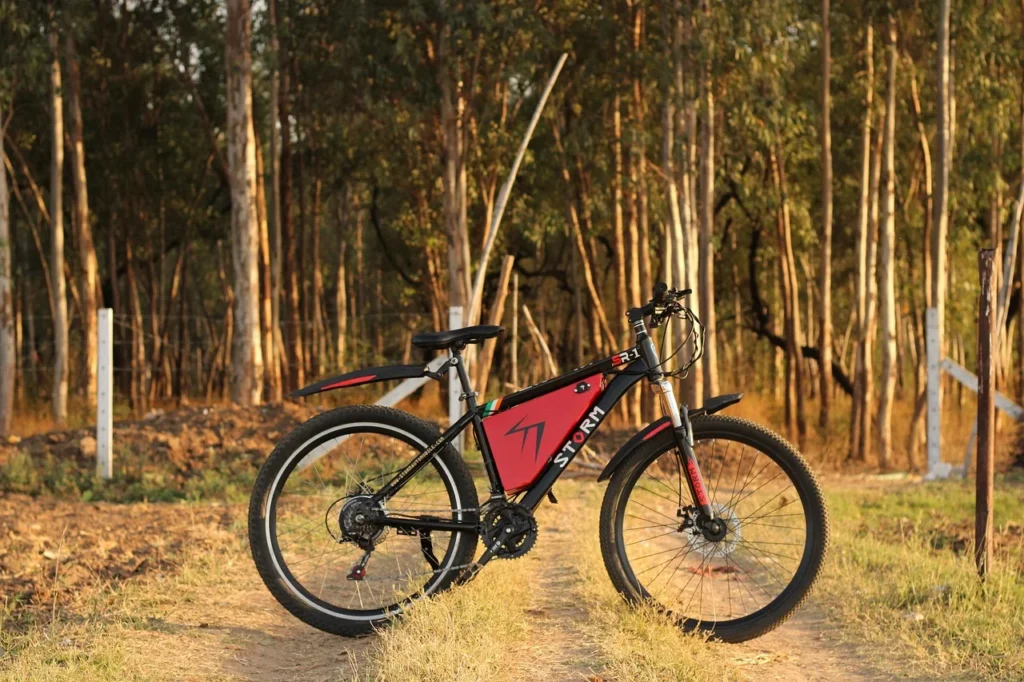
First, the bike must be a pedal cycle. This means it must have pedals you can use to propel it. The electric motor assists your pedalling. It does not replace it entirely. Second, the motor must have a continuous rated power output of no more than 250 watts. This is a common point of confusion for e bike regulations UK. While a compliant 250W motor can deliver short bursts of higher power for tasks like climbing hills, its continuous rated power cannot exceed 250W. This is what the regulation focuses on. You typically mark this figure on the motor itself or in the bike’s specifications. We always advise checking this carefully before purchasing.
Third, the electric motor’s assistance must cut off when the bike reaches 15.5 mph (25 km/h). You can, of course, pedal faster than this speed using your own effort. However, the motor should not provide any assistance beyond this point. This limit helps keep e-bikes within a safe operating speed range similar to traditional bicycles.
Finally, the rider must be 14 years or older to legally ride an EAPC on public roads in the UK. This age restriction ensures a basic level of maturity and understanding of road rules for e-bike users. As the official government guidance states on GOV.UK, EAPCs do not require a driving licence, vehicle registration, road tax, or compulsory insurance, simplifying their use for commuters and leisure riders alike.
Are Throttle Electric Bikes Legal in the UK?
The legality of throttles on electric bikes in the UK is a frequent question. The rules are quite specific. You may only permit a throttle on an EAPC if it functions as a walk-assist mode. It provides assistance up to approximately 3.7 mph (6 km/h) without the rider needing to pedal.

If an e-bike has a throttle that provides assistance beyond this speed without pedalling, it requires type approval. You need this approval to legally ride it on public roads. Without this approval, you classify such a bike as a moped or motorcycle. This distinction is important for e bike regulations UK. A moped requires an appropriate driving licence, vehicle registration, vehicle tax, compulsory insurance, and the rider must wear an approved motorcycle helmet. [gov.uk] People often get confused around ‘twist and go’ electric bikes. If they propel a rider without pedalling above 3.7 mph, they are not EAPCs. They fall under stricter motor vehicle laws.
What UK e-bike regulations mean for legality
You must understand which e-bikes are not legal in the UK. This is as important as knowing what constitutes a legal EAPC. Riding a non-compliant electric bike can lead to serious legal consequences. Any electric bike that exceeds the EAPC limits is legally classified as a motor vehicle. Specifically, it is a moped or motorcycle, rather than a bicycle.

This means if an electric bike has a motor with a continuous rated power exceeding 250 watts, or if its motor assistance continues above 15.5 mph (25 km/h), it is not a legal EAPC. Similarly, as explained, a bike with a throttle that provides assistance above 3.7 mph without pedalling is also outside the EAPC definition unless it has specific type approval. These non-compliant bikes are subject to the same regulations as mopeds or motorcycles, according to e bike regulations uk. This includes the requirement for a driving licence (at least a provisional moped licence, with CBT training), vehicle registration, road tax, compulsory insurance, and wearing a motorcycle helmet. Riding such a vehicle without these provisions is illegal and can result in fines, penalty points, and even vehicle seizure.
Are E-Bike Modifications Legal?
Modifying an e-bike to increase its power or speed beyond EAPC limits is generally illegal. It carries significant risks. Any modification that causes the continuous rated power to exceed 250 watts or the motor assistance to continue beyond 15.5 mph will reclassify your e-bike as a motor vehicle. People often refer to this as ‘restricting’ or ‘chipping’ an e-bike.
We strongly advise against such modifications. Not only do they make your bike illegal to ride on public roads without the proper licensing, registration, and insurance, but they can also void warranties, compromise the bike’s structural integrity, and potentially lead to dangerous situations due to increased speed and stress on components not designed for higher performance. It’s important to remember that manufacturers design EAPCs to meet specific safety and regulatory standards, which modifications often undermine.
Recent Updates and Common Misconceptions About UK E-Bike Laws
The world of electric vehicle regulations can sometimes feel complex, leading to common misconceptions about e-bike laws in the UK. It’s important to stay informed about the current rules and any recent changes.

A widespread misconception is that the UK e-bike power limit changed to 500W. This is incorrect; the limit remains 250W continuous rated power. Government proposals from 2024 to raise the motor limit to 500W and allow throttles up to 15.5 mph were not taken forward. Officials confirmed this decision in January 2025. Therefore, the core EAPC rules regarding 250W continuous power, 15.5 mph assistance cut-off, and the minimum rider age of 14 remain unchanged as of November 2026 for e bike regulations UK.
Beyond the EAPC definition, there have been other relevant legislative updates. New cycling offences, including causing death or serious injury by dangerous cycling, became law on April 29, 2026, and these apply to EAPC riders just as they do to traditional cyclists. This highlights the ongoing responsibility of all cyclists, including those on e-bikes, to ride safely and considerately.
Also, if you’re a London commuter, be aware that from March 31, 2025, you cannot use non-folding e-bikes on the Tube, Overground, Elizabeth line, or DLR. This rule, primarily driven by fire safety concerns related to lithium-ion batteries, is an important consideration for those who combine cycling with public transport.
Where Can You Legally Ride Your EAPC in the UK?
One of the significant advantages of a legal EAPC is its versatility in terms of where you can ride it. It mirrors the access you grant to traditional bicycles. You can ride your EAPC on roads, cycle lanes, and shared-use paths where pedal bikes are generally allowed.
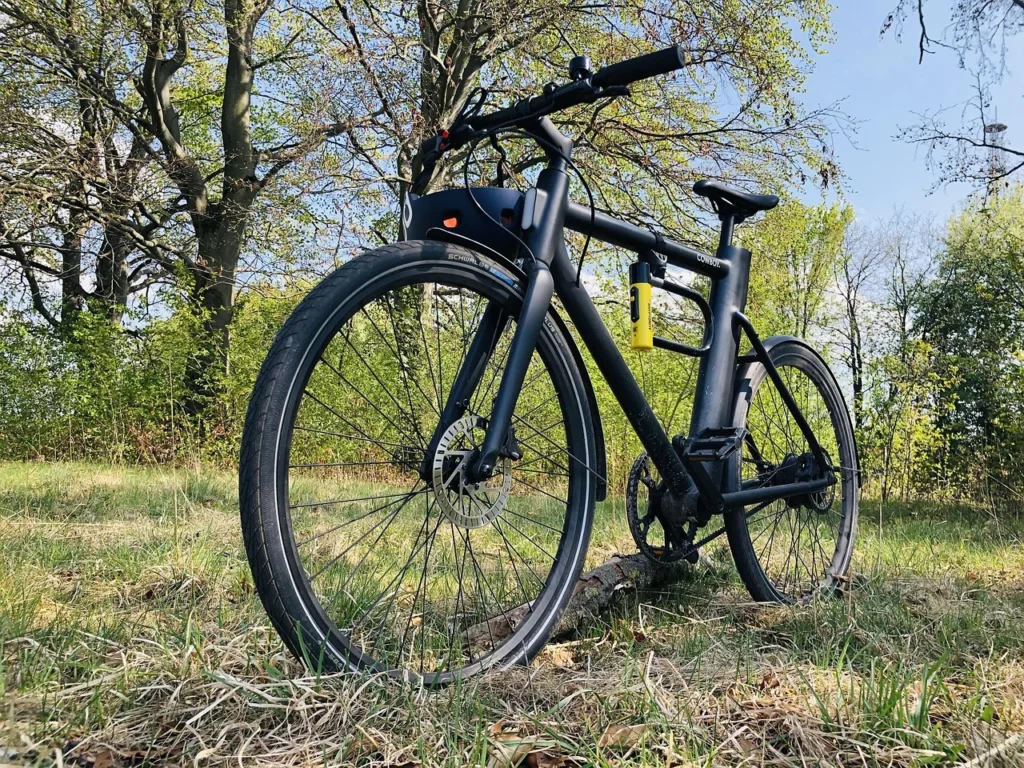
This wide access makes e-bikes an excellent option for commuting, leisure, and general transport across the UK. However, it is important to remember that EAPCs are not permitted on pavements. Pavements are reserved for pedestrians, and riding any type of bicycle on them is illegal, except in designated areas that are clearly marked as shared-use paths. Always check local signage, as some specific cycle routes or parks might have their own bylaws, but generally, if a traditional bike is allowed, your EAPC is too.
Practical Tips for E-Bike Owners and Buyers
Navigating the world of e-bikes, whether you’re a prospective buyer or an existing owner, benefits greatly from practical advice to ensure you stay within the law and enjoy your rides safely. From my perspective, the most important step is always due diligence.
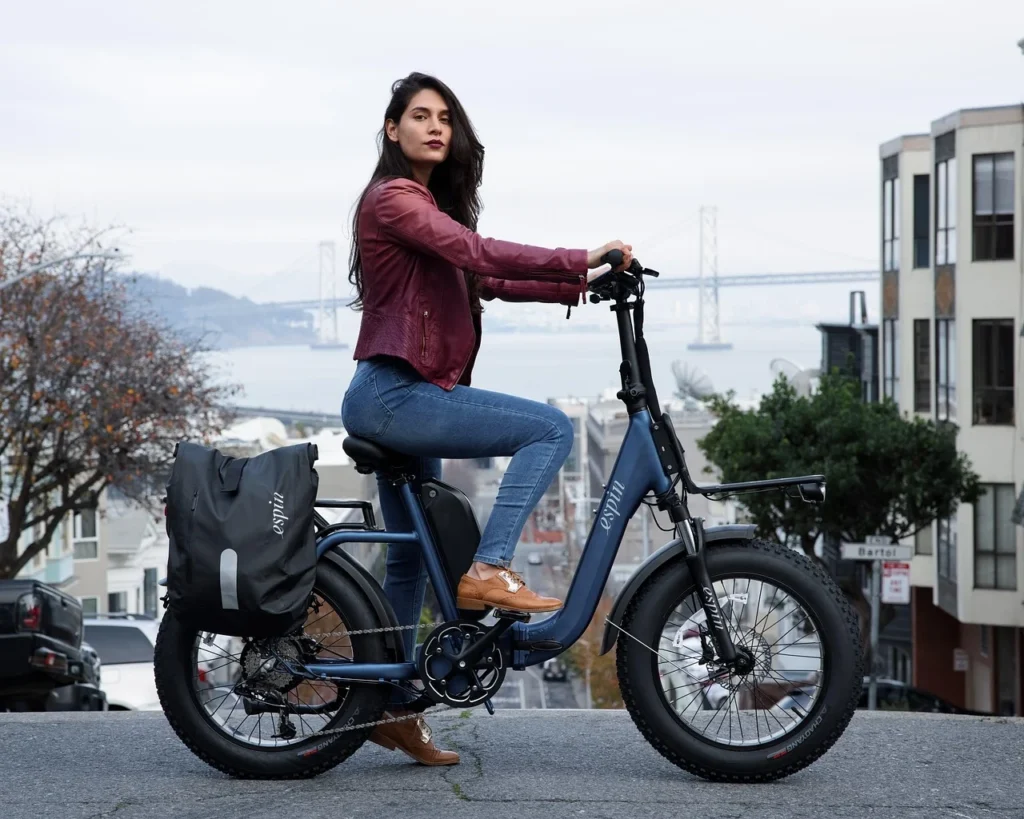
When buying an e-bike, especially from an unfamiliar seller or online, we recommend meticulously checking its specifications against the EAPC definition. Look for clear statements regarding the motor’s continuous rated power (must be 250W or less) and the speed at which motor assistance cuts off (15.5 mph or 25 km/h). Reputable dealers in the UK will explicitly state that their e-bikes are EAPC compliant. If these details are absent or vague, that should be a significant red flag.
Safe riding and insurance advice
Be wary of any e-bike advertised as ‘de-restricted’ or having ‘speed tuning’ capabilities for public road use. As outlined, such modifications render the bike illegal as an EAPC. While some e-bikes might have settings for off-road use, it is the rider’s responsibility to ensure the bike is compliant when ridden on public highways.
For existing owners, regularly check that your e-bike is functioning as intended, particularly regarding the speed cut-off. If you suspect any alterations have been made that take it outside EAPC limits, consult a professional mechanic. Finally, while not legally required, we always suggest considering voluntary insurance for your e-bike to cover theft or damage. These are valuable assets.
Adhering to these regulations and practical tips will not only keep you on the right side of the law. It will also contribute to a safer and more enjoyable cycling experience for everyone. The UK’s e-bike regulations integrate these fantastic machines smoothly into our transport network. By understanding them, you can make the most of your electric cycling adventures.
Sources: E-bike
Frequently asked questions
Do I need a licence to ride an e-bike in the UK?
No, you do not need a driving licence to ride an e-bike in the UK, provided it meets the Electrically Assisted Pedal Cycle (EAPC) regulations. This means the motor’s continuous rated power must not exceed 250 watts. Its assistance must cut off at 15.5 mph (25 km/h).
What is the minimum age to ride an e-bike in the UK?
You must be at least 14 years old to legally ride an Electrically Assisted Pedal Cycle (EAPC) on public roads in the UK. Riders younger than this cannot use e-bikes on public highways.
Can I ride an e-bike on the pavement in the UK?
No, you cannot ride an e-bike on the pavement in the UK. EAPCs are treated like regular bicycles and are subject to the same rules, meaning they should be ridden on roads, cycle lanes, or designated shared-use paths, but not on pedestrian pavements.
Are there any upcoming changes to UK e-bike laws in 2026?
The core EAPC rules have not changed. These rules cover 250W continuous power, 15.5 mph assistance cut-off, and a minimum rider age of 14. The government proposed raising the motor limit and allowing throttles in 2024. However, they did not take these proposals forward, as confirmed in January 2025.