
 By Hashim Hashmi
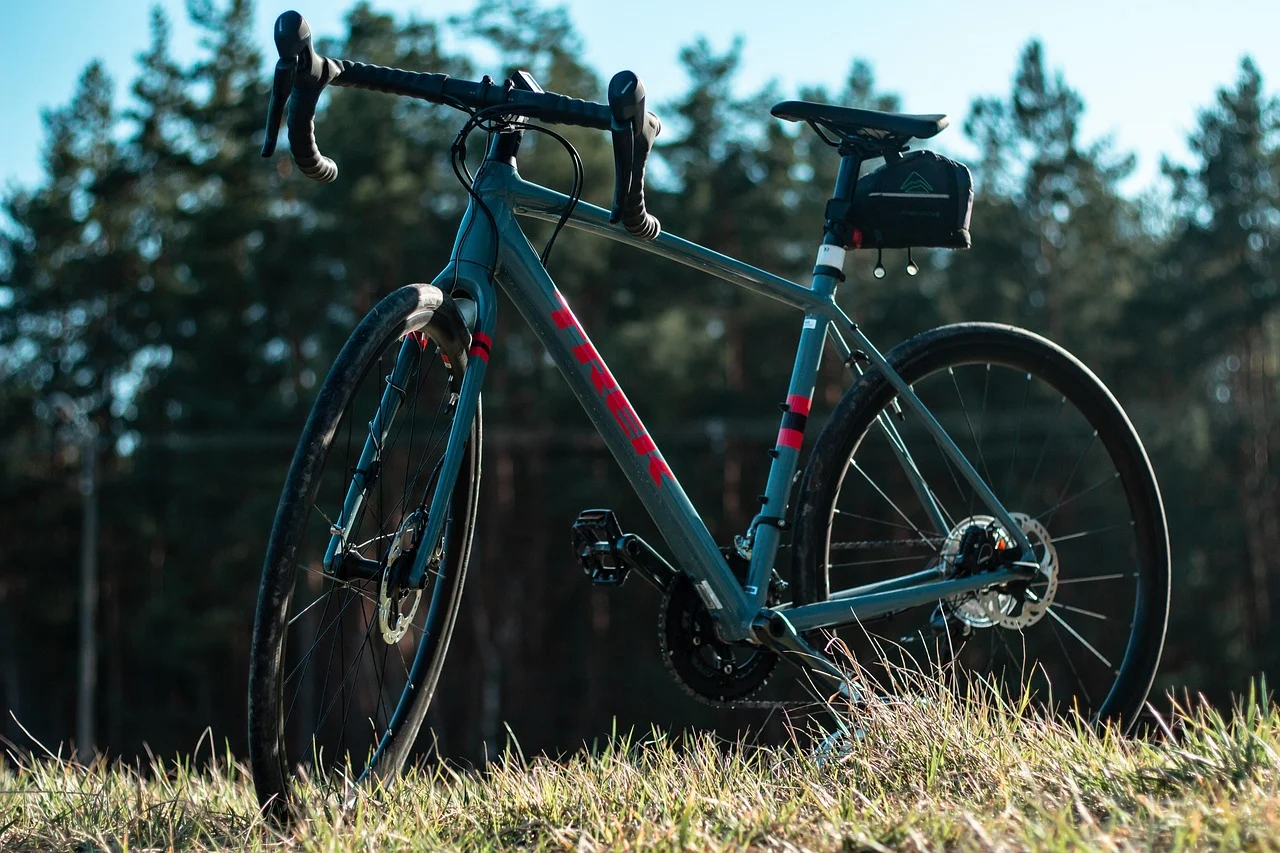
While this enhanced protection often involves a slight increase in weight. It also means a marginally less supple ride feel compared to race-oriented tyres. The compromise offers considerable peace of mind for most road cyclists, especially commuters and long-distance endurance riders. This guide explores how these tyres work, their effectiveness, and how to choose the right ones for your specific needs.
What Are the Best Puncture Proof Road Bike Tyres?
The best puncture-proof road bike tyres effectively blend solid protection with reasonable rolling resistance and grip. They offer a significant reduction in flats for everyday riding and commuting. My top recommendation for overall reliability and performance often includes models like the Continental GatorSkin, Schwalbe Marathon Plus, and various tubeless-ready endurance tires from brands such as Specialized and Pirelli. These integrate advanced protective layers and compounds.
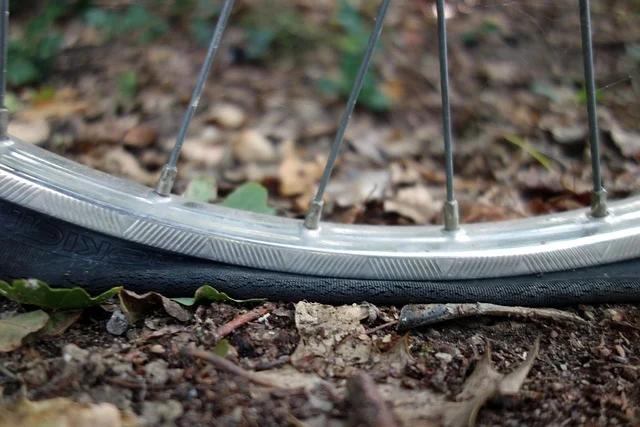
When considering what makes a tyre truly ‘puncture proof’, more than just a thick tread is required. It involves a combination of factors for the best puncture proof road bike tyres: the material composition, the inclusion of dedicated puncture protection belts, and the overall construction quality. These features work together to resist cuts from glass, thorns, and other road debris that commonly lead to punctures.
The term refers to a high level of resistance. This dramatically reduces the likelihood of flats. The trade-off for this enhanced protection often involves a slight increase in weight. Sometimes it means a marginally less supple ride feel compared to purely race-oriented tires. However, for most road cyclists, especially those commuting or undertaking long-distance endurance rides, this compromise is well worth the peace of mind in finding the best puncture proof road bike tyres.
How Do Puncture Resistant Road Bike Tyres Work?
Puncture resistant road bike tyres work by incorporating a variety of technologies designed to prevent sharp objects from penetrating the inner tube or the tyre casing itself. These technologies typically involve extra layers of material within the tyre’s construction or specially formulated rubber compounds.
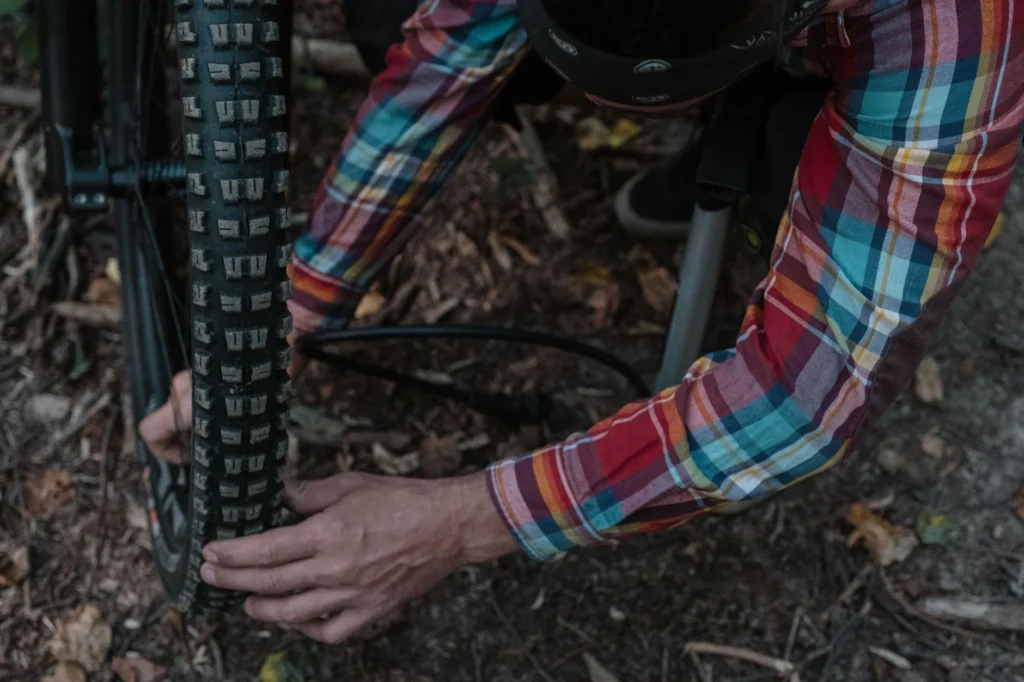
One common method for the best puncture proof road bike tyres is the integration of a puncture protection belt, often made from aramid fibres (like Kevlar), Vectran, or a dense rubber compound, situated directly beneath the tread. This belt acts as a physical barrier, deflecting or stopping sharp objects before they can reach the inner tube. For instance, the Specialized Roubaix Pro features a BlackBelt puncture protection layer, designed to offer significant resistance.
Another approach involves using a thicker, more durable rubber compound in the tread itself. While this can add weight, it provides a more substantial barrier against penetration. Some tyres also use an additional layer of rubber or fabric in the sidewalls. This protects against cuts and abrasions from road hazards, which can also lead to flats.
Tubeless road bike tyres offer another layer of puncture resistance. Without an inner tube, you eliminate pinch flat risk. Tubeless sealant inside the tyre can automatically seal small punctures as they happen. According to Cycling Weekly, the best puncture proof road bike tyres for 2026 prioritize durability alongside performance. They note models like the Pirelli P Zero Race 4S and Continental Grand Prix 5000 S TR for their solid construction and sealant compatibility.
Are Puncture Proof Tyres Any Good for Road Cycling?
Yes, puncture-proof tires are very good for road cycling. They are especially good for riders who prioritize reliability and convenience over marginal gains in speed or weight. For daily commuters, touring cyclists, or anyone who frequently rides on less-than-perfect roads, the benefits of the best puncture proof road bike tyres far outweigh the minor compromises.
The psychological benefit alone is substantial. Knowing that you are less likely to suffer a flat can make your rides more enjoyable and stress-free. You spend less time roadside fixing punctures and more time actually cycling. For instance, if you are cycling to work, avoiding a flat means arriving on time and without the hassle of a repair.
While some dedicated racers might avoid them due to slightly higher weight or rolling resistance, advancements in tyre technology mean the performance gap has narrowed considerably. Many modern puncture-resistant tyres offer excellent grip and a comfortable ride. This makes them suitable for a wide range of road cycling disciplines beyond just utility riding. For example, endurance road bike tyres are often designed with enhanced puncture protection. This is specifically for long rides where reliability is key.
Do Puncture Proof Bike Tyres Work Effectively?
Yes, puncture proof bike tyres work effectively at reducing the frequency of punctures, though it is important to manage expectations. They are highly resistant, not impervious. Their effectiveness comes from the engineering choices made in their construction, specifically the materials and layers used to create a barrier against sharp objects.
For example, a tyre like the Schwalbe Marathon Plus is renowned for its SmartGuard layer. This 5mm thick highly elastic special rubber is exceptionally effective against thorns, glass, and other common road debris. While it adds noticeable weight and has a firmer ride feel, its puncture resistance is among the best available. This makes it a favorite for commuters and touring cyclists.
However, even the most solid puncture-resistant tyre can succumb to exceptionally large or sharp objects, or extreme impacts. A nail driven straight through the tread can still cause a puncture. A severe pinch flat from hitting a pothole at speed can also cause one. These tyres dramatically reduce the incidence of punctures from typical road hazards. In this, they are largely successful. Experience shows that investing in the best puncture proof road bike tyres will significantly improve a rider’s experience. It will cut down on frustrating roadside stops.
Choosing the Right Puncture Resistant Road Bike Tyres
When selecting puncture resistant road bike tyres, you need to consider your riding style, typical road conditions, and budget. There is no single ‘best’ option for everyone. Different tyres offer varying balances of protection, weight, rolling resistance, and cost.
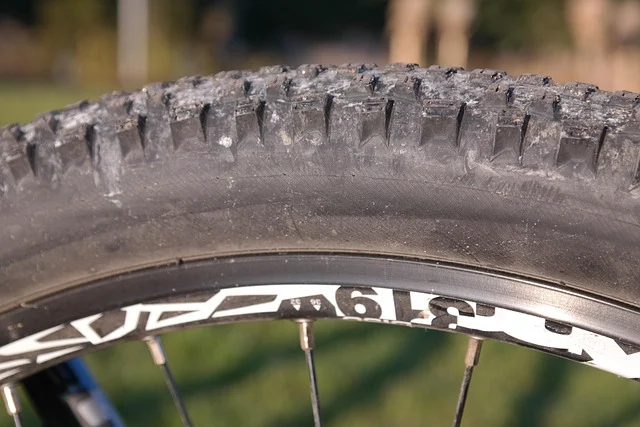
Consider Your Riding Needs
- Commuting/Utility: If your priority is absolute reliability for daily commutes, even if it means a slightly heavier tyre, models with very thick puncture protection layers (like the Schwalbe Marathon Plus) are excellent choices.
- Endurance/Long Distance: For longer rides where comfort and reasonable speed are also important, look for endurance-specific road tyres that incorporate lighter, yet still effective, puncture belts. Tubeless options with sealant are particularly good here for self-sealing small holes.
- Mixed Terrain/Gravel-Lite: If your road rides sometimes stray onto rougher paths or light gravel, a slightly wider tyre (e.g., 28mm or 30mm) with good sidewall protection and a solid tread can offer extra resilience.
Key Tyre Features to Look For
- Puncture Protection Layer: This is the core of a puncture-resistant tyre. Look for specific mentions of aramid, Vectran, or dense rubber belts in the tyre’s description.
- TPI (Threads Per Inch): A higher TPI count generally means a more supple casing and better ride quality, but sometimes slightly less resistance to cuts. Lower TPI tyres can be more solid but feel stiffer. For puncture resistance, the protection layer is often more critical than TPI.
- Tyre Compound: Harder rubber compounds typically offer better durability and puncture resistance, but can sometimes have less grip in wet conditions. Softer compounds offer better grip but wear faster and might be less resistant to cuts. Manufacturers often use dual compounds to balance these traits.
- Tubeless Compatibility: If your wheels are tubeless-ready, opting for tubeless tyres with sealant provides an excellent defence against small punctures. The sealant fills holes as they occur, often without you even noticing.
- Width: Wider tyres (e.g., 28mm, 30mm, 32mm) can often be run at lower pressures. This can reduce the risk of pinch flats and provide a more comfortable ride. This potentially makes them less susceptible to impacts that cause punctures.
How to Puncture Proof Your Bike Tyres (Beyond Just Tyres)
While choosing the right tyres is the primary step, you can further ‘puncture proof’ your bike through other measures. We always advise a multi-faceted approach to minimise roadside repairs.
Maintaining Correct Tyre Pressure
This is important. Running your tyres at the correct pressure for your weight and riding conditions significantly reduces the risk of pinch flats. (The inner tube gets pinched between the rim and an object.) If pressure is too low, you risk pinch flats; if too high, the best puncture proof road bike tyres can become overly stiff and prone to blowouts or feel harsh. Always check the recommended pressure range on your tyre’s sidewall and use a reliable pump with a gauge.
Using Tyre Sealant with Inner Tubes
Even if you are not running tubeless tyres, you can add liquid tyre sealant to your inner tubes. You can inject products like Stan’s NoTubes Sealant or Slime into standard inner tubes (look for tubes with removable valve cores). They seal small punctures as they happen, offering some of the best puncture proof road bike tyres protection. This is a cost-effective way to add an extra layer of protection to your existing setup.
Tyre Liners
Tyre liners are strips of tough material (often polyurethane) that fit between your inner tube and the tyre casing. They provide an additional physical barrier against punctures. Brands like Tannus Armour and Mr. Tuffy offer various liner options. They add a bit of weight and can make tyre fitting slightly trickier, but they are effective, especially against thorns and glass.
Regular Tyre Inspection
Make it a habit to regularly inspect your tires for embedded glass shards, thorns, or small cuts. You can prevent a puncture by removing these before they work their way fully through the tire casing. After a ride, especially if you have been on debris-strewn roads, give your tires a quick visual check. Run your hand (carefully!) over the tread. Road Bike Saddle: Your Guide to Comfort and Performance For more on maintaining your bike, and for finding the best puncture proof road bike tyres, see Tubeless Sealant: How It Works, Volume, and Maintenance for essential workshop tips.
Consider Tubeless Setup
If your wheels are compatible, converting to a tubeless setup is arguably the most effective way to enhance puncture resistance. As mentioned, tubeless tyres eliminate pinch flats, and the liquid sealant inside automatically repairs small holes. While the initial setup can be a bit more involved, the long-term benefits in puncture protection and ride quality are substantial.
Which Puncture Resistant Tyres Are Best for Tubeless Setups?
For tubeless setups, the best puncture resistant road bike tyres are specifically designed to be tubeless-ready (TLR or TR). They often feature solid casings and compounds that work well with sealant. Manufacturers engineer these tyres to handle the higher pressures of road cycling while offering excellent sealing capabilities.
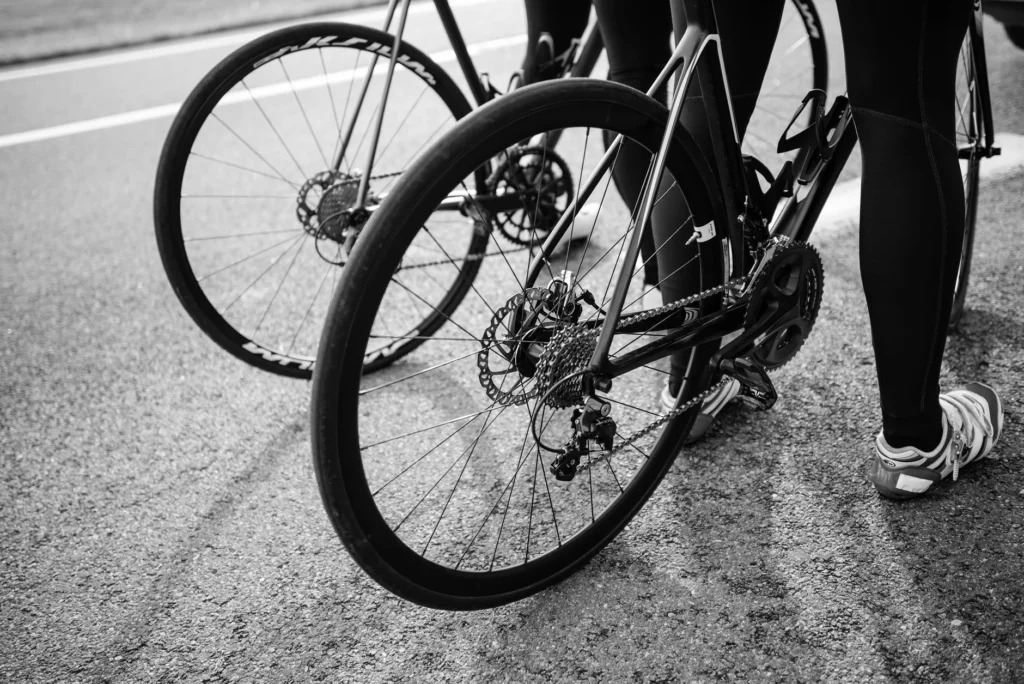
Some of the top contenders for best puncture proof road bike tyres, as Cycling Weekly’s 2026 assessment of endurance tubeless tyres notes, include the Continental Grand Prix 5000 S TR and the Pirelli P Zero Race 4S. Both receive praise for their balance of speed, grip, and significant puncture protection. This makes them ideal for performance-oriented riders who still demand reliability.
Other excellent options include the Schwalbe Pro One TLE, which offers a supple ride with good protection, and the Specialized S-Works Turbo RapidAir 2BR, known for its speed and improved durability. When choosing the best puncture proof road bike tyres, we always recommend ensuring your rims are also tubeless-compatible. You should use a high-quality sealant for the best results.
The key benefit of tubeless is the sealant’s ability to instantly plug small holes caused by thorns or glass. It often does this before you even notice a pressure drop. This means you can keep riding without interruption. It is a massive advantage over traditional inner tube setups for puncture prevention.
Who Are Puncture Proof Tyres Not For?
While puncture proof tyres offer significant benefits, they are not the ideal choice for every single road cyclist. There are specific scenarios and rider profiles where the trade-offs might outweigh the advantages.

- Elite Racers and Weight-Weenies: If your absolute priority is minimal weight and maximum speed for competitive racing, the added grams and slightly higher rolling resistance of puncture-resistant tyres might be a deal-breaker. Race-day tyres are often designed for ultimate performance at the expense of durability.
- Fair-Weather Riders on Pristine Roads: If you only ever ride on perfectly smooth, clean roads and avoid any hint of debris, and you are comfortable with occasional puncture repairs, you might not feel the need for the extra protection. However, even the cleanest roads can surprise you.
- Riders on a Very Tight Budget with Existing Tyres: While many puncture-resistant tyres are reasonably priced, if you already have a set of decent tyres and your budget is extremely limited, adding tyre liners or sealant to existing inner tubes can be a more immediate and cheaper solution than replacing tyres entirely.
For the vast majority of road cyclists, however, the benefits of puncture resistance far outweigh these niche considerations. The peace of mind and reduced frustration of fewer flats make them a worthwhile investment for almost anyone who spends time on the road.
Frequently asked questions
How often should I check my tyre pressure?
You should check your tyre pressure before every ride, or at least once a week, as tyres naturally lose air over time. Maintaining correct pressure is vital for preventing pinch flats and ensuring optimal performance.
Can I fit puncture proof tyres myself?
Yes, you can generally fit puncture proof tyres yourself using standard tyre levers, though some models with very stiff beads can be more challenging. If you are new to tyre changing, we recommend watching a few tutorial videos first.
Are puncture resistant tyres heavier than regular road tyres?
Generally, yes, puncture resistant tyres are slightly heavier than their standard counterparts due to the additional protective layers and denser rubber compounds. This extra weight is the trade-off for enhanced durability and flat protection.
Do puncture proof tyres affect ride comfort?
Some puncture proof tyres, particularly those with very thick protection layers, can feel slightly stiffer and less supple than purely performance-oriented tyres, which might reduce ride comfort marginally. However, many modern endurance-focused puncture-resistant tyres are engineered to minimise this effect.