
 By Hashim Hashmi
A white front light and a red rear light are essential. Beyond the legal aspects, choosing the best bike lights involves understanding lumen output, which varies significantly depending on your riding environment—from well-lit urban streets to unlit roads and off-road trails. For example, well-lit urban areas typically require 200–500 lumens for a front light, while unlit roads need 600–1500 lumens.
This guide explores specific UK bike light regulations, recommends appropriate lumen counts for different riding conditions, and details key features such as beam pattern, battery life, mounting options, and durability to help cyclists select the best bike lights for night riding in the UK.
Best bike lights for night riding in the UK
Yes, you absolutely need bike lights at night in the UK, and it’s a legal requirement. The Highway Code states that bicycles used at night must be fitted with working front and rear lights, along with a rear reflector and pedal reflectors. Ignoring these rules isn’t just a safety risk; it can lead to fines and invalidate your insurance in the event of an accident.
My advice is to always use lights during periods of poor visibility, not just after dark. Think about foggy mornings or heavily overcast days. Being seen is your primary defense on the road, so find the best bike lights for night riding in UK.
Can You Ride a Bike at Night Without Lights in the UK?
No, you cannot legally ride a bike at night without lights in the UK. The law is clear on the best bike lights for night riding in the UK: from sunset to sunrise, your bicycle must have a white front light, a red rear light, a red rear reflector, and amber pedal reflectors if your bike was manufactured after 1 October 1985. [gov.uk] Not having these can result in a fixed penalty notice.
Beyond the legal aspect, riding without lights is incredibly dangerous. You become almost invisible to other road users, significantly increasing your risk of an accident. Always prioritise your safety and the safety of others by ensuring your lighting setup, like the best bike lights for night riding UK, is fully functional before you set off.
Understanding UK Bike Light Regulations
The Road Vehicles Lighting Regulations 1989 and the Highway Code outline the specific regulations for bike lights in the UK. You must not only have lights, but also the right type of lights, and you must use them correctly.
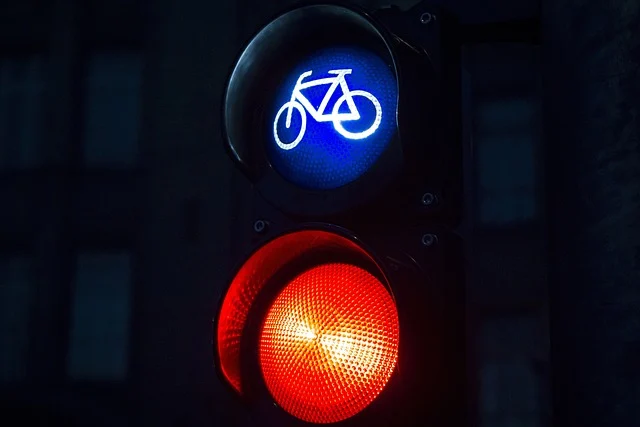
- Front Light: Must emit a white light and be positioned centrally or to the offside of the bike. If it flashes, it must flash between 60 and 240 times per minute. [bikeradar.com] [gov.uk]
- Rear Light: It must emit a red light and you must position it centrally or to the offside. Like the front, it must not flash excessively.
- Reflectors: A red rear reflector is mandatory. The law also requires amber pedal reflectors on bikes manufactured after 1 October 1985. [gov.uk]
- Brightness: While no specific lumen count is mandated, lights must be visible from a reasonable distance. For practical safety, especially in unlit areas, a brighter light is always better.
These regulations ensure other road users see you, reducing collision risk. Always double-check your lights are clean and charged before heading out.
Choosing the Brightest Bike Lights for Night Riding
When it comes to the brightest bike lights for night riding, you’re primarily looking at lumen output. Lumens measure the total amount of visible light emitted by a source. The ideal lumen count for the best bike lights for night riding UK depends heavily on where you’re riding.
How Many Lumens Do You Need?
This is where things get specific:
- Well-lit Urban Riding (e.g., city streets): For seeing and being seen, a front light of 200–500 lumens is generally sufficient. A rear light of 50–100 lumens will make you highly visible to traffic behind you. The goal here is to stand out against streetlights and car headlights.
- Unlit Roads and Commuting (e.g., rural lanes, dark cycle paths): You’ll need more power to illuminate the road ahead. A front light in the 600-1500 lumen range is a good starting point. For rear lights, 100–200 lumens provides excellent visibility over longer distances.
- Off-road and Mountain Biking (e.g., trails, forests): This is where maximum illumination is critical for navigating technical terrain at speed. We recommend a front light with at least 1500 lumens, with many riders opting for 2000–3000 lumens or even more. Often, mountain bikers use two front lights: one on the handlebars for a broad beam and another on the helmet for directional lighting. Rear lights for off-road can be similar to unlit road riding, but robustness and secure mounting are priorities here. Cyclingnews’s review of ‘Best mountain bike lights 2026’ highlights several powerful options for this category.
Remember that higher lumens often mean shorter battery life, so consider your typical ride duration.
Key Features to Look for in Bike Lights
Beyond brightness, several other features contribute to the effectiveness and convenience of your bike lights.
Beam Pattern
The beam pattern dictates how the light is cast:
- Spot Beam: Concentrated light, ideal for illuminating far ahead on fast rides or off-road trails.
- Flood Beam: Wider spread of light, excellent for peripheral vision in urban areas or on slower rides where you need to see more of your immediate surroundings.
- Combined Beam: Many modern lights offer a balance, or even adjustable patterns, and you will find them the most versatile.
For road riding, a beam with a defined cut-off can prevent dazzling oncoming traffic, similar to car headlights. For mountain biking, riders usually prefer a broad, even flood.
Battery Life and Rechargeability
Battery life is important, especially for longer rides. Most modern bike lights use rechargeable lithium-ion batteries. Look for:
- Run Time: Check the run time at your preferred brightness setting, not just the maximum. A light might claim 2000 lumens, but only for an hour, dropping significantly afterwards.
- Charging Time: How long does it take to fully charge? USB-C charging is becoming standard and offers faster charging.
- Battery Indicator: A clear indicator of remaining battery life is invaluable to avoid being caught out in the dark.
Some lights feature external battery packs, which offer extended run times, particularly favored by mountain bikers for their high-power demands.
Mounting Options
Secure and easy-to-use mounting is essential. Common options include:
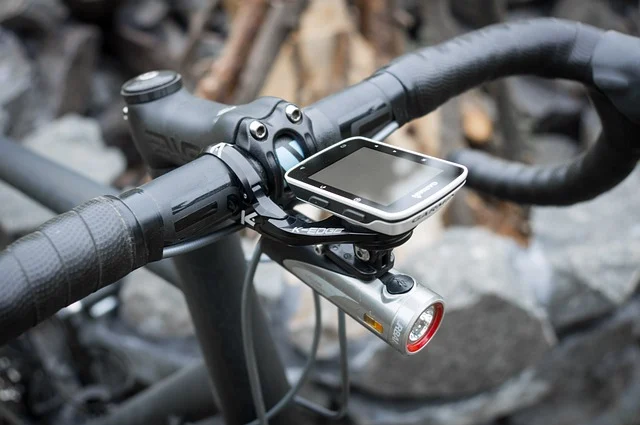
- Handlebar Mounts: Typically rubber straps or plastic clamps. Ensure they are solid and don’t slip on bumpy terrain.
- Helmet Mounts: Important for mountain biking to illuminate where you’re looking, not just where the bike is pointing.
- Seatpost Mounts: For rear lights, ensure they don’t interfere with saddlebags or dropper posts.
- Integrated Mounts: Some lights integrate directly into specific handlebars or seatposts for a cleaner look.
BikeRadar’s piece on ‘5 things never to overlook’ when testing bike light sets under £100 often touches on the importance of reliable mounting.
Durability and Weather Resistance
UK weather can be unpredictable, so your lights need to withstand the elements. Look for:
- IP Rating: This indicates water and dust resistance. An IPX4 rating means it’s splash-proof, suitable for light rain. IPX6 or higher is better for heavy downpours or muddy trails.
- solid Casing: Aluminum or high-grade plastic casings offer better impact resistance.
We always recommend choosing lights that feel solid and well-constructed, as they will endure the vibrations and occasional knocks of regular cycling.
Front Bike Lights: Seeing the Way
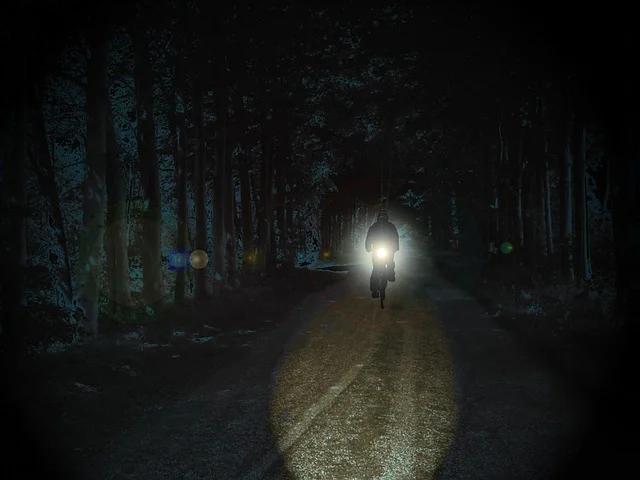
Front lights are your primary tool for illuminating the path ahead and making you visible to oncoming traffic. Your choice for the best bike lights for night riding UK depends heavily on your riding environment.
Commuter Front Lights
For city commuting, a front light in the 200-800 lumen range is usually sufficient. Key considerations here are:
- Side Visibility: Lights with cut-outs or lenses that allow you to see light from the sides are excellent for urban junctions.
- Flash Modes: A strong, irregular flash mode can grab attention during the day or in busy areas, though constant mode is generally better for seeing at night.
- Compact Size: Cyclists often prefer smaller, lighter units for easy attachment and removal.
A good commuter light, amongst the best bike lights for night riding in the UK, balances brightness with a wide beam to help you spot potholes and other hazards in your immediate vicinity, without being excessively powerful.
High-Performance Front Lights for Unlit Roads and Trails
When you leave the streetlights behind, you need serious power. Lights from 1000 lumens upwards are designed for this. Features to prioritise include:
- High Lumen Output: As discussed, 1500+ lumens for mountain biking, 800-1500 for fast road riding in the dark.
- External Battery Options: For extended run times needed on long trail rides.
- Heat Management: High-power LEDs generate heat. Good lights have effective cooling fins to maintain performance.
- Remote Switches: Especially useful for helmet-mounted lights or when you need to quickly adjust brightness without taking your hands off the bars.
The Exposure Strada 13 RS Light, as reviewed by Outside Magazine, is an example of a light designed for serious road riding, offering significant power and features for those who ride longer in the dark.
Rear Bike Lights: Being Seen by Others
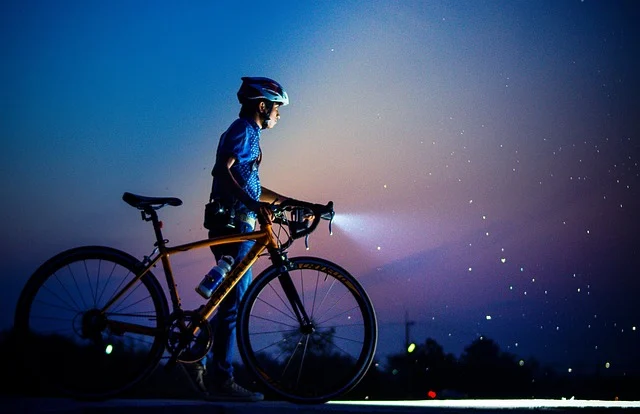
Your rear light is arguably the most important safety component, ensuring you’re visible to traffic approaching from behind. Even if you’re riding with friends, each rider needs their own rear light.
Essential Rear Light Features
- Brightness: 50–200 lumens is generally good. Brighter is better for daytime visibility or in fast-moving traffic.
- Beam Angle: A wide beam angle (e.g., 270 degrees or more) helps you be seen from various angles, not just directly behind.
- Flash Patterns: Modern rear lights offer multiple flash patterns. You often prefer an irregular, attention-grabbing flash for daytime or busy roads, and a more consistent flash or constant mode for clearer night-time conditions. Some lights have a ‘peloton mode’ that’s less intense for group riding.
- Brake Light Function: Some advanced rear lights incorporate accelerometers to detect braking, temporarily increasing their brightness like a car’s brake light. This is a fantastic safety feature.
- Mounting: Ensure it’s secure on your seatpost, rack, or even helmet.
Consider a light with an auto-on/off function based on ambient light or motion, which helps conserve battery and ensures you’re never caught out without a light inadvertently turned off.
Combining Front and Rear Lights for Optimal Safety
While you can buy front and rear lights separately, many manufacturers offer matched sets. These often provide a cohesive aesthetic and sometimes share charging standards.
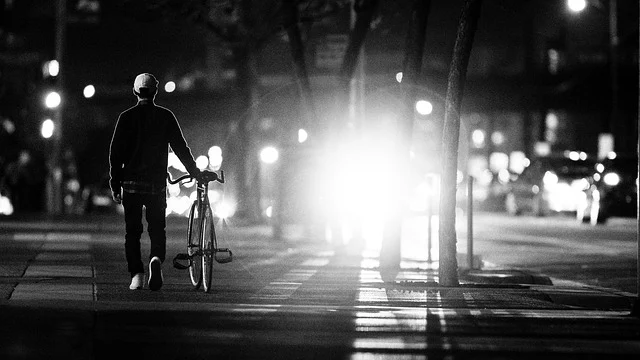
For optimal safety, we suggest a combination of a powerful front light for seeing and a bright rear light for being seen. For city riding, you might even consider a secondary, lower-power flashing front light for extra visibility, especially if your main light is set to a constant, less attention-grabbing beam.
Don’t forget reflective elements. While not a substitute for lights, reflective clothing and bike components (like tyres with reflective sidewalls) significantly enhance your visibility when caught in other vehicles’ headlights, as noted in iRunFar’s ‘Best Reflective Running Gear of 2026’ which shares similar principles for the best bike lights for night riding in the UK.
Maintenance and Best Practices for Your Bike Lights
To ensure your bike lights are always ready when you need them, a little routine maintenance goes a long way.
- Charge Regularly: Get into the habit of charging your lights after every few rides, or certainly before any planned night ride. Don’t let them run completely flat often, as this can reduce battery lifespan.
- Clean Lenses: Mud, road grime, and dust can significantly reduce light output. Wipe the lenses clean with a soft cloth regularly.
- Check Mounts: Ensure mounts are secure and haven’t loosened over time due to vibrations. A light that falls off mid-ride is useless.
- Store Properly: If you remove your lights, store them in a dry place at room temperature. Avoid extreme heat or cold.
- Carry a Backup: For longer rides, especially in remote areas, it is always advisable to carry a small, basic backup light. Even a cheap, small light can get riders home safely in a pinch if their main light fails.
Proper planning, including checking your gear, is key to enjoying winter riding, as Road.cc advises in its article on ‘How to actually enjoy winter riding’. Your lights are a critical part of that planning, particularly the best bike lights for night riding UK.
Sources: Bicycle lighting
Frequently asked questions
What’s the difference between lumens and candela?
Lumens measure the total light output from a source, indicating how bright a light appears overall. Candela, on the other hand, measures luminous intensity in a specific direction, showing how focused or piercing the beam is. For cyclists, lumens are generally the more useful metric for comparing overall brightness.
Should I use a flashing or constant rear light at night?
For night riding, experts generally recommend a constant rear light. Drivers often prefer it because it provides a consistent reference point. A flashing light can be more attention-grabbing during the day or in busy urban areas, but at night, a constant beam can help other road users judge your distance and speed more easily, making it one of the best bike lights for night riding in the UK.
Are expensive bike lights always better?
While more expensive bike lights often offer higher lumen output, better build quality, longer battery life, and advanced features like smart modes or brake light functions, ‘better’ depends on your specific needs. For casual urban riding, an affordable set under £100, as BikeRadar discusses, can be perfectly adequate. For serious off-road or long-distance night riding, you often justify the investment in a higher-end light for safety and performance.