
 By Hashim Hashmi
Deciding between these two types for UK trails primarily depends on your preferred riding style, the terrain you encounter most often, and your budget. This guide explores their definitions, performance on climbs and descents, handling of technical terrain, impact on rider comfort, and considerations for maintenance and cost.
Hardtail vs Full Suspension for UK Mountain Bike Trails: Which to Choose?
Deciding between a hardtail and a full suspension mountain bike for UK trails primarily comes down to your preferred riding style, the type of terrain you’ll encounter most often, and your budget. Hardtails excel in simplicity, climbing efficiency, and lower maintenance, making them great for smoother trails and developing skills, while full suspension bikes offer superior comfort, traction, and control on technical, rocky, and root-filled descents typical of many challenging UK trail centres.
Understanding the core differences and how they translate to real-world riding on varied British terrain is important. This will help you make the right choice for your next adventure.
What Defines a Hardtail Mountain Bike?
A hardtail mountain bike features suspension only at the front fork, with a rigid rear triangle. This means the rear wheel has no shock absorption from the frame itself. The design prioritizes pedalling efficiency, direct power transfer, and a lighter overall weight compared to its full suspension counterparts.
For UK trails, this often translates to a lively feel on climbs and flatter sections. You feel more of the trail beneath you, which can be excellent for developing line choice and bike handling skills. Hardtails are typically less complex mechanically, leading to lower purchase prices and reduced maintenance costs over time.
What Defines a Full Suspension Mountain Bike?
Full suspension mountain bikes, as the name suggests, incorporate suspension in both the front fork and the rear of the bike. The rear suspension system typically uses a shock absorber and a series of pivots and linkages. This allows the rear wheel to move independently, absorbing impacts from the ground. This design significantly enhances comfort, traction, and control, particularly on rough, technical, and fast descents.
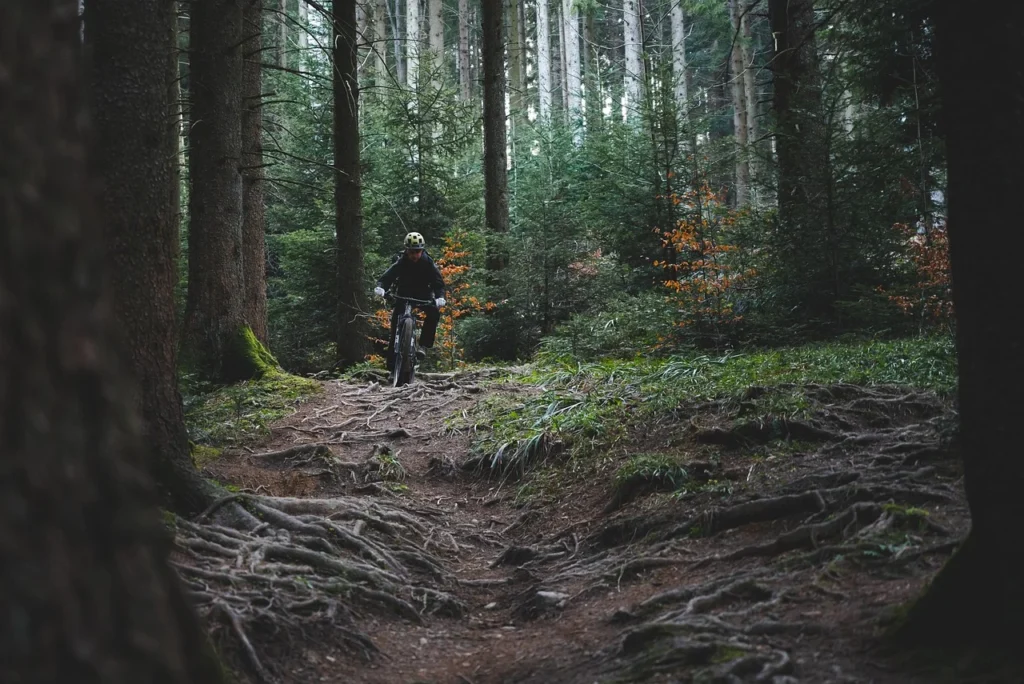
On challenging UK trails, full suspension bikes can absorb roots, rocks, and drops, allowing you to maintain speed and reduce rider fatigue. The added complexity of the rear suspension system means a higher initial cost, more components to maintain, and generally a heavier bike, but for many riders, the benefits on demanding terrain are well worth it.
How Do They Perform on UK Climbs?
When tackling the varied climbs across the UK, from a long fire road drag in the Scottish Borders to steep, technical ascents in the Brecon Beacons, the differences in hardtail vs full suspension UK trails become apparent. Hardtails generally offer superior climbing efficiency. No rear suspension to compress or ‘bob’ under pedalling forces means every watt of power you put into the pedals is directly transferred to the rear wheel, propelling you forward.
This efficiency makes hardtails incredibly responsive on smooth, gradient-based climbs. You can stand up and sprint without losing energy to suspension movement. While modern full suspension bikes often feature sophisticated lockout levers or climb switches to stiffen the rear shock, they still carry more weight and can exhibit some energy loss, particularly on very steep or out-of-the-saddle efforts. However, on highly technical, root-strewn, or rocky climbs, the full suspension’s ability to maintain traction by keeping the rear wheel glued to the ground can sometimes give it an advantage, preventing wheel spin where a hardtail might struggle for grip, which is a key consideration for hardtail vs full suspension UK trails.
Descending Performance on UK Trails
Descending is where the full suspension bike truly shines on typical UK trails. The added travel and shock absorption at the rear wheel allow the bike to float over obstacles like roots, rock gardens, and small drops, which are commonplace in trail centres like Coed y Brenin or Innerleithen. This means you can maintain higher speeds with greater confidence and less physical impact on your body. The bike absorbs the trail’s harshness, reducing fatigue in your arms, legs, and back, allowing for longer, more aggressive descents.
A hardtail, by contrast, requires a more active and precise riding style on descents. You need to use your body more as the primary suspension. This means absorbing impacts with your arms and legs, choosing smoother lines, and lifting the bike over obstacles. While this teaches excellent bike handling skills and can be incredibly rewarding, it can also be more physically demanding. For hardtail vs full suspension UK trails, they are slower on truly rough or sustained descents. On smoother, flow-oriented descents with berms and rollers, a hardtail can be incredibly fun and responsive. It allows for powerful pumping and playful maneuvers.
Handling Technical Terrain and Jumps
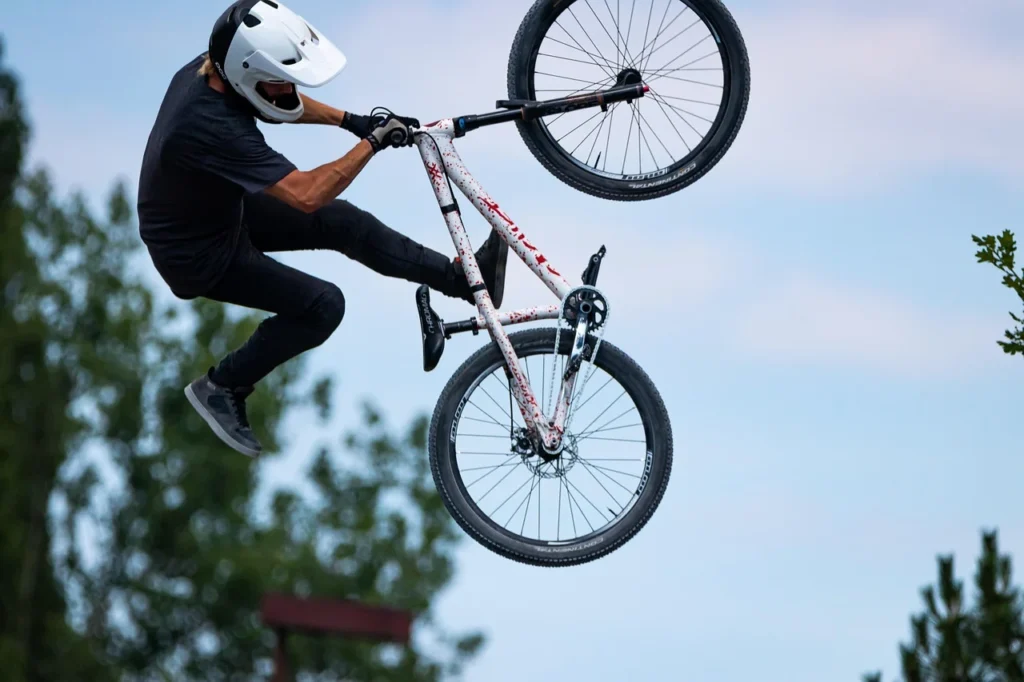
UK trails are increasingly featuring more technical sections, from purpose-built rock gardens to natural root networks, as well as jumps and drops. When considering hardtail vs full suspension for UK trails, a full suspension bike offers a significant advantage on these features. The front and rear suspension work in harmony to absorb large impacts, making big drops feel smoother. This allows you to carry more speed through rough sections without being bounced off line. The increased traction means better control when braking or cornering on loose or uneven surfaces.
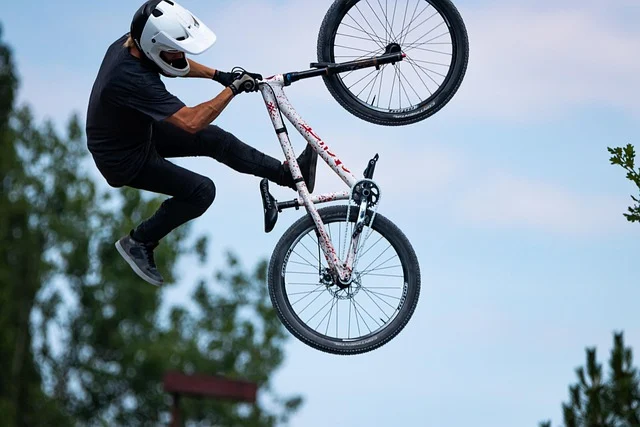
For jumps and drops, the full suspension’s ability to absorb landings reduces the strain on the rider and the bike. This makes progression to bigger features more comfortable and safer. Hardtails can certainly handle jumps and drops, but the landings will feel much harsher. They demand perfect technique and absorb more impact directly through your body. On very technical, slow-speed terrain, a hardtail can feel nimble and precise, allowing for careful placement of wheels. However, on high-speed, demanding technical sections, the full suspension offers a safety margin and comfort that’s hard to beat.
Rider Comfort and Fatigue
Over longer rides, especially those involving extended periods on rough terrain, rider comfort and fatigue become critical factors. A full suspension bike significantly reduces the amount of vibration and impact transmitted to your body. This means less jarring on your hands, wrists, arms, and lower back. It allows you to ride for longer periods with less discomfort and fatigue. If you’re planning epic days out exploring routes like the West Highland Way or regular visits to demanding trail centres, this comfort can be a major shift, especially when considering hardtail vs full suspension for UK trails.
A hardtail offers a more direct and connected feel to the trail. However, it transmits every bump and jolt directly to the rider. While this builds strength and resilience, it can lead to quicker fatigue on rougher rides. This may potentially shorten your ride time or make multi-day trips more challenging. For shorter, punchy rides or those on smoother trails, this isn’t as much of an issue. However, for endurance or aggressive riding, the full suspension offers a clear advantage in preserving rider energy.
Maintenance and Durability Considerations
One of the most appealing aspects of a hardtail mountain bike is its relative simplicity and lower maintenance requirements. With only a front suspension fork, there are fewer moving parts, fewer bearings to replace, and only one shock to service. This translates to less time in the workshop and potentially lower long-term running costs. Hardtails are often seen as solid workhorses, capable of shrugging off mud, grit, and general abuse that’s common on UK trails, making them a reliable choice for everyday riding.
Full suspension bikes, while offering superior performance, come with increased mechanical complexity. The rear suspension system involves multiple pivots, bearings, and a rear shock. All of these require regular inspection and servicing, especially given the wet and muddy conditions often encountered in the UK. Bearings can wear out, seals can degrade. The shock itself needs periodic servicing to maintain optimal performance. This means more frequent maintenance checks and potentially higher costs for parts and labour. This is an important consideration for your overall budget.
Cost: Initial Purchase and Ongoing Expenses
The financial aspect is often a significant factor in the hardtail vs. full suspension debate. Generally, hardtail mountain bikes are considerably more affordable than their full suspension counterparts with comparable component specifications. You can often get a well-equipped hardtail for the price of an entry-level full suspension bike. This means better brakes, gears, and a higher quality fork for your money.
This makes hardtails an excellent option for riders on a tighter budget. It is also good for those looking to get into mountain biking without a substantial initial investment. Beyond the purchase price, as discussed, the ongoing maintenance costs for a hardtail are typically lower due to fewer complex moving parts. Full suspension bikes demand a higher initial outlay. Their more intricate design means more expensive parts and labour for servicing over their lifespan. When considering hardtail vs full suspension for UK trails, if budget is a primary concern, a hardtail allows you to get a higher quality bike for your money and keeps running costs down.

Who is a Hardtail Best For on UK Trails?
We recommend a hardtail for several types of riders on UK trails. Firstly, for beginners, a hardtail forces you to learn fundamental skills like line choice, body English, and balance. These are transferable to any bike. Secondly, for riders who primarily frequent smoother, flow-oriented trails, cross-country routes, or less technical singletrack, often found in places like Sherwood Pines or parts of the New Forest. Their efficiency and responsiveness make these trails incredibly fun.

Hardtails are also ideal for riders on a tighter budget who want a capable, reliable bike without breaking the bank, both in initial purchase and long-term maintenance. Finally, for riders who enjoy a more engaging, direct connection to the trail and relish the challenge of riding technical sections with skill rather than suspension, a hardtail offers a uniquely rewarding experience. If you’re looking for a versatile bike for mixed terrain, including commuting or general trail exploration, a hardtail is often a fantastic choice for hardtail vs full suspension UK trails.
Who is a Full Suspension Best For on UK Trails?
A full suspension bike is best suited for riders who regularly tackle demanding, technical UK trail centres like Glentress, Revolution Bike Park, or Antur Stiniog. If your riding involves frequent drops, jumps, rock gardens, and sustained rough descents, the comfort, control, and speed offered by full suspension are invaluable. We also suggest full suspension for riders who want to push their limits on aggressive terrain, aiming for faster times or bigger features, as the bike provides a significant safety net and confidence boost.
For those who value comfort on longer rides or have back, knee, or joint issues, full suspension helps absorb impacts. This reduces physical strain and allows for more enjoyable extended sessions. If your budget allows for the higher initial cost and ongoing maintenance, and your primary goal is to ride the most challenging UK trails with maximum confidence and minimal fatigue, then understanding the nuances of hardtail vs full suspension for UK trails becomes key; a full suspension bike is undoubtedly the preferred option.
Making Your Decision: Key Factors to Consider
When advising riders on this choice, a few key things are always considered. First, think about your local trails and where riding will occur most often. If surrounded by rough, rocky, or steep terrain, a full suspension might be a better investment for UK trails. If local loops are smoother and more flowing, a hardtail could be perfect. Second, consider your riding style and ambitions. Do you love climbing efficiently, or is shredding downhills the priority? Is the goal to race cross-country or descend as fast as possible?
Your budget is also important – not just for the bike itself, but for ongoing maintenance. Remember that a cheaper full suspension bike might have lower-end components. These might not perform as well as mid-range hardtail parts. Lastly, think about your skill level and progression. A hardtail is excellent for skill development. However, a full suspension might help you progress faster on more aggressive terrain once those foundational skills are in place. It’s about finding the right tool for your job.

Sources: Mountain bike
Frequently asked questions
Can I ride a hardtail on all UK trails?
Yes, you can ride a hardtail on virtually all UK trails, from gentle bridleways to technical trail centre black routes. However, on the most demanding, rocky, or root-strewn descents, it will require more skill and effort. It could also potentially be slower than a full suspension bike.
Is a hardtail good for jumping?
Hardtails can be excellent for learning to jump and for smaller to medium-sized jumps, as they offer a direct, responsive feel. For larger jumps and drops, a full suspension bike provides more forgiveness and comfort on landings. This reduces the risk of injury and bike damage.
What is the minimum suspension travel for UK trails?
Next, for most UK trail riding, a hardtail with 120-140mm of front suspension travel is generally sufficient. For full suspension bikes, 130-160mm of front and rear travel is common, with longer travel bikes (160mm+) being more suited to endure or downhill-specific trails.
Are full suspension bikes significantly heavier than hardtails?
Typically, yes. Due to the added components of the rear shock, linkages, and often a more solid frame design, full suspension bikes are generally 1-3 kg heavier than comparable hardtails. However, advancements in materials and design are continually narrowing this gap.