
 By Hashim Hashmi
Why Does My Bike Chain Skip Under Load?
Your bike chain skips under load primarily because the chain fails to mesh cleanly with the cassette or chainring teeth under heavy force. Most problems stem from component wear, incorrect derailleur adjustments, a bent derailleur hanger, or a sticky freehub body.
Worn Chain and Cassette
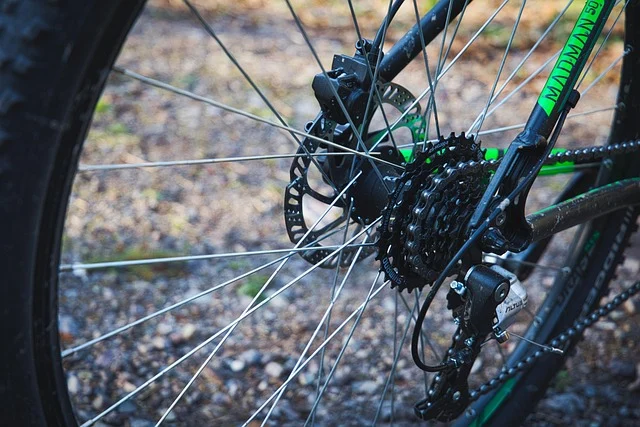
The most common culprit for a skipping chain is a worn-out chain and cassette. As you ride, your chain stretches, causing the distance between its pins to increase. This stretched chain then no longer meshes perfectly with the teeth on your cassette cogs, which are designed for a specific chain pitch. Under load, the stretched chain will ride up over the worn teeth, leading to the bike chain skipping under load.
To check for chain wear, we always recommend using a chain wear indicator tool. Ignoring chain wear leads to premature cassette wear, costing you more in the long run.
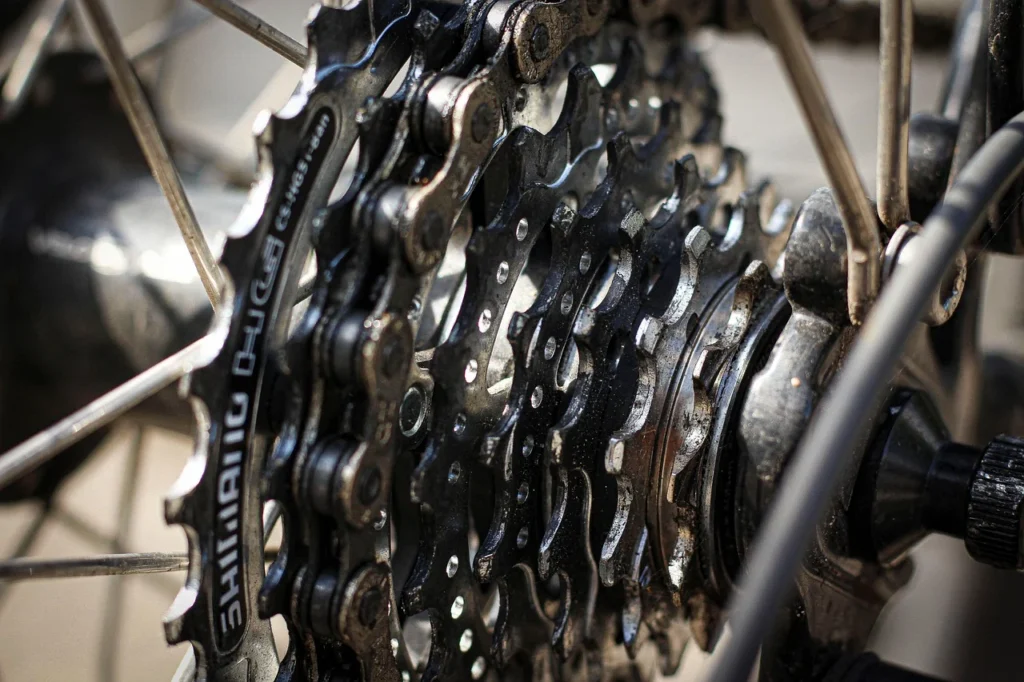
Cassette wear often presents as hooked or shark-finned teeth, especially on your most frequently used cogs. If you install a new chain onto a worn cassette, the new chain will not sit properly on the worn teeth, causing it to skip immediately, particularly under load.
Poor Derailleur Adjustment
Even with a perfectly healthy chain and cassette, an incorrectly adjusted rear derailleur can cause skipping. The derailleur’s job is to precisely position the chain over each cog. If it’s slightly off, the chain might not fully engage, leading to a skip or hesitant shifting.
The focus is on two main adjustments here: B-tension and cable tension. The B-tension screw controls the gap between the upper derailleur pulley and the cassette cogs. Too large a gap can lead to sluggish shifting and poor chain wrap, while too small can cause the pulley to rub the cassette. Cable tension, managed by barrel adjusters on the shifter or derailleur, dictates how far the derailleur moves with each click. If the cable is too loose, the derailleur won’t move far enough; too tight, and it overshoots. Both scenarios can cause a bike chain skipping under load, especially when putting power down.
To check B-tension, shift into your largest rear cog and smallest front chainring. Adjust the B-tension screw until the upper jockey wheel is as close as possible to the largest cog without touching it. For cable tension, which can cause a bike chain skipping under load, shift into the smallest cog. If the chain struggles to shift to a larger cog, turn the barrel adjuster anti-clockwise. If it overshifts or rubs, turn it clockwise. Make small, quarter-turn adjustments.
Bent Derailleur Hanger
A bent derailleur hanger is a surprisingly common cause of a bike chain skipping under load. The hanger is a sacrificial component designed to protect your derailleur in a crash or impact. If it’s even slightly bent, it will misalign your entire rear derailleur, preventing it from positioning the chain accurately over the cassette. This misalignment often becomes most apparent under load when the chain is under maximum tension.
You might visually inspect your hanger, but a slight bend can be hard to spot with the naked eye. The definitive way to check for bike chain skipping under load is with a derailleur hanger alignment tool. This tool threads into the hanger and uses a long arm to measure alignment against the wheel rim. If the hanger is bent, the tool will reveal it, allowing you to carefully bend it back into position. We always suggest checking this if all other adjustments seem correct.
Worn Chainrings
While less common than cassette wear, worn chainrings can also contribute to chain skipping, particularly under heavy pedalling in the corresponding gear. Like cassette teeth, chainring teeth can become hooked or pointed over time. This wear means they can’t hold the chain securely, especially when you apply significant force.
Inspect your chainrings, particularly the ones you use most frequently. Look for teeth that appear visibly thin, sharp, or hooked. If you’re replacing a very worn chain and cassette, it’s often a good idea to inspect chainrings too, as they might also be nearing the end of their life. Replacing chainrings, which can cause bike chain skipping under load, can be more involved and costly than a cassette, so we advise addressing chain and cassette wear promptly to prolong chainring life.
New Bike Chain Skipping Under Load
If you’ve just installed a new chain and it’s skipping under load, the most likely culprit is a worn cassette. A new chain has a precise pitch that will not mesh correctly with the stretched-out or hooked teeth of an old, worn cassette. This is a classic symptom of waiting too long to replace your chain. The new chain will try to engage the worn cogs but will ride up and skip under pressure.
Another possibility, though less common, is that the new chain length is incorrect, or your derailleur adjustments are now off because the new chain has a different tension characteristic. We recommend verifying your cassette’s condition first, then checking chain length and derailleur adjustments if the cassette appears fine. If the cassette is worn, replacing it along with the new chain is the only reliable fix.
MTB Chain Skipping Under Load and E-Bike Chain Skipping Under Load
Mountain bikes (MTB) and e-bikes often experience chain skipping under load more intensely due to the specific demands placed on their drivetrains. Both types of bikes typically generate higher torque and experience more varied terrain, which can accelerate wear and exacerbate skipping issues.
MTB Specifics
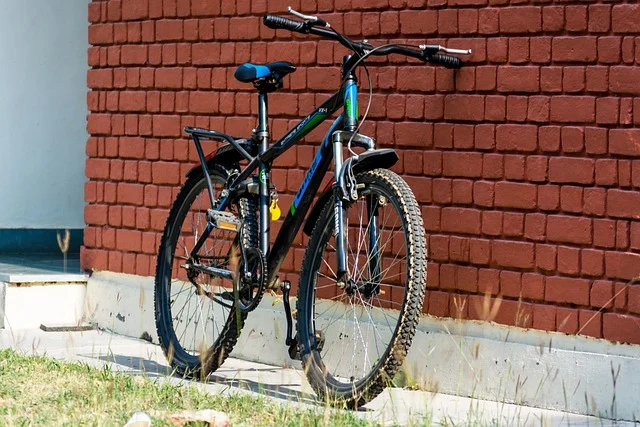
Mountain bikes face higher, sudden loads during steep climbs, technical sections, or sprints. This wears components faster. Mud and grit act as an abrasive paste, grinding down chains and cogs. For MTB riders, we stress regular drivetrain cleaning and frequent chain checks to prevent a bike chain skipping under load. A bent derailleur hanger is also common on MTBs from trail impacts.
Additionally, modern MTB drivetrains often feature wide-range cassettes (e.g., 10-52t), which demand very precise derailleur adjustment and B-tension settings. Poor B-tension can cause significant skipping on the largest cogs, where chain wrap is critical. It is always important to ensure the B-tension is spot-on for these wider ranges.
E-Bike Specifics
E-bikes introduce a unique challenge: the motor’s power output. The motor, especially with mid-drive motors, transmits this power directly through the chain and drivetrain. The constant, high torque from the motor significantly accelerates wear on the chain, cassette, and chainrings. E-bike chains are often designed to be stronger, but they still wear out, and often much faster than on a traditional bike.
For e-bike owners, diligent maintenance is even more important. We advise checking your chain wear more frequently – perhaps every 500 miles, depending on your riding style and motor power. When replacing components, consider e-bike specific chains and cassettes if available, as they are often engineered for the higher stresses. Skipping on an e-bike can feel more jarring and potentially cause more damage due to the motor’s force.
Other Potential Causes and Diagnostics
While wear and adjustment are the primary culprits, a few other issues can manifest as chain skipping under load.
Stiff Chain Links
A chain with one or more stiff links can cause inconsistent shifting and skipping. This often happens after cleaning, or if a chain has been damaged. To check, lift your rear wheel and slowly pedal backward, watching the chain as it passes through the derailleur pulleys. A stiff link will cause the derailleur cage to twitch or jump. You can often free a stiff link by gently flexing it side-to-side with your hands.
Freehub Body Issues
The freehub body is the mechanism on your rear wheel that allows you to coast without the pedals turning. If the pawls inside the freehub are sticking or not engaging properly, it can feel like the chain is skipping, especially when you re-engage pedalling under load, a common symptom of a bike chain skipping under load. This is less common but you can diagnose it by checking if there’s any play in the cassette or if the cassette feels ‘sticky’ when rotating. This usually requires a wheel service or freehub replacement.
To check for freehub issues, grab the cassette and try to wiggle it side-to-side. There should be no significant play. Also, when coasting, if you hear irregular clicking or grinding noises, it might point to freehub problems.
Incorrect Chain Length
An incorrectly sized chain, either too long or too short, can lead to poor shifting and potential skipping. A chain that’s too short puts excessive tension on the drivetrain, especially in larger gear combinations, potentially damaging components. A chain that’s too long can result in poor chain wrap around the cogs, leading to slack and skipping. How to Choose a Female Hybrid Bicycle: Frame, Fit, and Gear for sizing.
To determine the correct chain length, the ‘big-big’ method is used: wrap the chain around the largest chainring and largest cassette cog, bypassing the rear derailleur. Add two full links (one inner and one outer plate) to this length. This provides sufficient length for all gears without excessive slack.
When to Replace Components vs. Adjusting
Making the call between an adjustment and a replacement is key to budget-conscious maintenance. It is always recommended to start with adjustments because they are free (aside from time spent) and often resolve the issue. However, if adjustments don’t work, or if components show clear signs of wear, replacement is the only solution.
Chain: If you ignore this, you’ll likely need a new cassette too.
Cassette: Replace when teeth are visibly hooked or if a new chain skips on it. Always replace the chain when replacing the cassette.
Chainrings: Replace when teeth are sharp, thin, or hooked. Often, you can get through several chains and cassettes before needing new chainrings, especially if you maintain your chain well.
Derailleur Hanger: Straighten if bent. Only replace if it’s severely damaged or snapped.
Derailleur: Replace only if it’s bent, broken, or has excessive play that cannot be adjusted out. This is usually a last resort.
Regular cleaning and lubrication of your drivetrain can significantly extend the life of your components. We always encourage riders to develop a habit of wiping down their chain after every ride and applying fresh lubricant, especially after riding in wet or dusty conditions.
Sources: Bicycle chain, Chain Maintenance
Related reading: How to Change a Bike Chain: A Velo Magazine Workshop and Bike Chain Size Guide: Finding the Right Fit for Your Ride.
Frequently asked questions
Can a dirty chain cause skipping?
Yes, a dirty chain can definitely cause skipping. Grime, dirt, and old lubricant can clog the chain links and cassette teeth, preventing smooth engagement and causing the chain to jump, especially under load.
How do I know if my cassette is worn out?
You can tell your cassette is worn out if the teeth on your most used cogs appear thin, hooked, or resemble shark fins. Another clear sign is if a brand-new chain skips on your existing cassette, indicating the new chain cannot properly mesh with the worn teeth.
Does a new chain need breaking in?
A new chain doesn’t typically need a ‘breaking in’ period in the same way some other bike components do. It should perform optimally from the first ride, assuming your drivetrain components are in good condition and you correctly adjust your derailleur.
Is it dangerous if my bike chain skips?
Yes, a skipping bike chain can be dangerous. It can cause you to lose balance or control, especially when standing and pedalling hard, potentially leading to a fall. It also puts undue stress on your drivetrain components, which could lead to further damage.