
 By Hashim Hashmi
Attempting the King Alfred’s Way in just three days is a significant challenge. However, well-prepared, highly fit cyclists can certainly achieve this. This 353km (219-mile) circular route starts and ends in Winchester. [cyclinguk.org] It demands long days in the saddle, averaging around 115-120km (70–75 miles) each day, often over varied and sometimes technical terrain. It tests endurance, navigation, and self-sufficiency.
You will approach this journey with a clear understanding that it is less about leisurely sightseeing. It is more about covering ground efficiently. You will need to maintain a strong pace, minimize stops, and be comfortable with potentially long hours on the bike.
Understanding the King Alfred’s Way Route
The King Alfred’s Way (KAW) is a circular long-distance cycling route created by Cycling UK, primarily designed for gravel bikes and mountain bikes. It traces a path through ancient landscapes, including chalk downs, Roman roads, and bridleways, connecting four of England’s National Trails: the North Downs Way, South Downs Way, Ridgeway, and Thames Path. The route is rich in history, passing by iconic landmarks like Stonehenge, Avebury stone circles, and Winchester Cathedral.

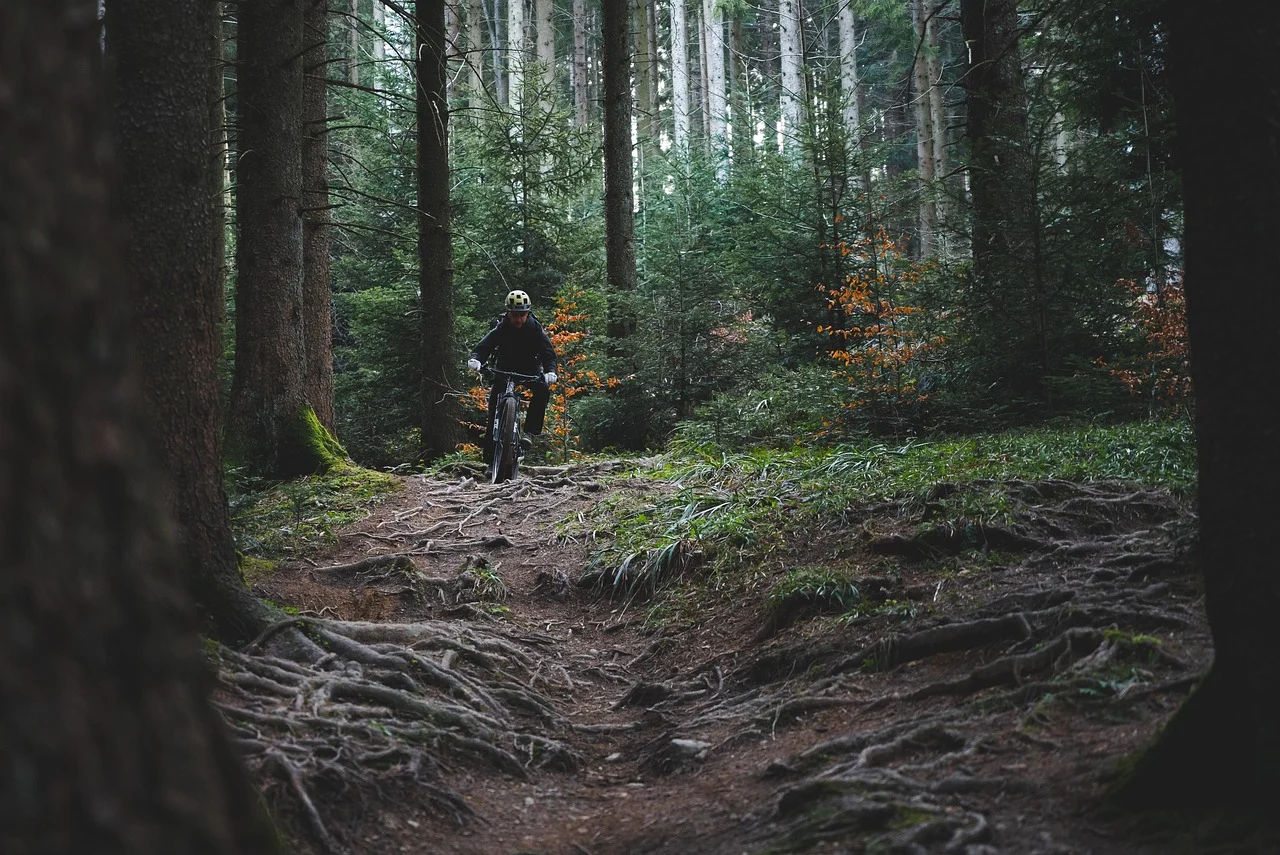
While much of the route is off-road, it also includes sections on quiet country lanes. The terrain varies from smooth gravel paths to technical singletrack, muddy bridleways, and stony farm tracks. You should expect significant elevation changes, with numerous climbs and descents throughout the journey. The total elevation gain for the full route is approximately 3,493 metres (11,461 feet). [cyclinguk.org]
Who is a 3-Day King Alfred’s Way Itinerary For?
A three-day King Alfred’s Way itinerary is specifically tailored for a niche group of cyclists. This is not an entry-level tour or a relaxed holiday ride. It is best suited for:
- Highly Fit and Experienced Cyclists: You should be accustomed to multi-day rides. Regularly cover distances of 100km+ with significant climbing. Be comfortable spending 8–10 hours cycling daily.
- Gravel or Mountain Bikers: Riders who are proficient on varied off-road terrain, including loose gravel, mud, roots, and technical descents.
- Efficient Packers: Those who can travel light, carrying only the absolute essentials. They understand that every extra kilogram impacts speed and effort.
- Self-Sufficient Navigators: Individuals confident in using GPS devices for navigation and capable of basic bike maintenance on the go.
- Weather-Prepared Adventurers: Cyclists who are mentally and physically ready to face diverse weather conditions. These can range from heat to rain and wind. Such conditions can significantly impact progress on exposed sections.
If you are looking for a more relaxed pace, with ample time for sightseeing and less pressure on daily mileage, we strongly recommend considering a 4 or 5-day itinerary instead. This allows for more flexibility and a greater appreciation of the historical sites along the way.
A Proposed 3-Day King Alfred’s Way Itinerary
This itinerary assumes a clockwise direction, starting and finishing in Winchester. It aims to balance daily mileage with logical overnight stops. Remember, these are approximate distances and timings; your actual experience will depend on weather, trail conditions, and your personal pace.
Day 1: Winchester to Swindon Area (Approx. 120-130km / 75–80 miles)
Starting from Winchester, you will immediately head north, joining the route. This first day involves some significant climbs as you make your way towards the North Downs Way and then onto the Ridgeway. You will pass through scenic countryside, including sections of the South Downs National Park and the rolling hills of Wiltshire.
Key points of interest include the ancient city of Winchester itself, and later, the iconic Avebury stone circles, which offer a brief, awe-inspiring stop if time allows. The terrain will be a mix of gravel tracks, bridleways, and quiet roads. We suggest aiming for an overnight stop in or around Swindon, which offers various accommodation options from hotels to guesthouses. This pushes you well into the route, setting up for a strong second day.
- Start: Winchester
- Mid-day: Alton, then through the North Downs Way section.
- Afternoon: Pass near Avebury Stone Circles.
- End: Swindon or nearby villages (e.g., Wanborough, Liddington).
- Challenges: Early climbs out of Winchester, navigating varied terrain, maintaining a consistent pace to cover the distance.
Day 2: Swindon Area to Salisbury Area (Approx. 115-125km / 70–78 miles)
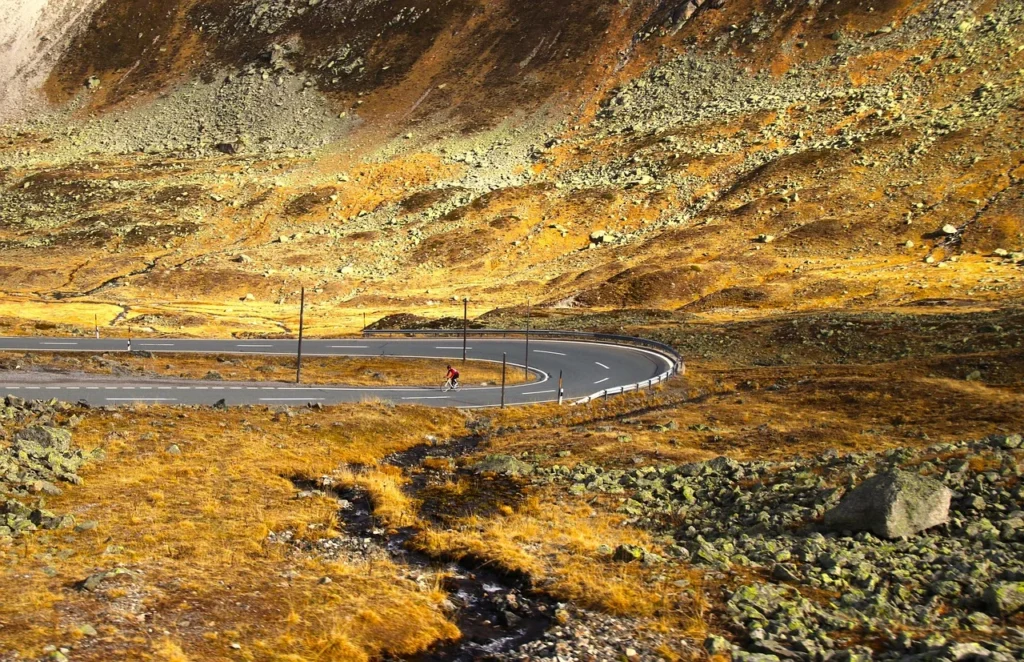
Day two sees you continuing along the Ridgeway for a significant portion, known for its ancient tracks and panoramic views. This section can be very exposed, so headwind or rain can make it particularly challenging. You will then turn south, heading towards the Salisbury Plain.

The highlight of this day is undoubtedly Stonehenge. The route does not go directly through the visitor center. However, it passes close enough for you to get impressive views of the stones from the byways. This section can be fast-rolling on good gravel. It also features some rougher tracks and potential military training areas (always check for access restrictions). Planning to stay overnight in Salisbury or one of the surrounding villages is recommended. This again provides good choices for accommodation and resupply.
- Start: Swindon area
- Mid-day: Along the Ridgeway, passing near Uffington White Horse.
- Afternoon: South towards Salisbury Plain, passing near Stonehenge.
- End: Salisbury or nearby (e.g., Wilton, Amesbury).
- Challenges: Exposed sections of the Ridgeway, potentially rough tracks around Salisbury Plain, maintaining focus on navigation.
Day 3: Salisbury Area to Winchester (Approx. 105-115km / 65–72 miles)
The final day is slightly shorter in distance, but still demands considerable effort. You will cycle through the New Forest National Park, which offers a different character of riding with its ancient woodlands, open heathland, and free-roaming ponies. The terrain here can be sandy in places, which can be surprisingly energy-sapping.
As you leave the New Forest, you will make your final push back towards Winchester. This involves some last climbs before a rewarding descent back into the city. The satisfaction of completing the full loop in three days will be immense. We recommend having a celebratory meal planned in Winchester to reflect on your achievement.
- Start: Salisbury area
- Mid-day: Through the New Forest National Park.
- Afternoon: Final push back towards Winchester.
- End: Winchester.
- Challenges: Potentially sandy sections in the New Forest, cumulative fatigue, saving enough energy for the final climbs.
Essential Gear and Preparation for a Fast Tour
To successfully complete the King Alfred’s Way in three days, your gear choices and preparation are paramount. Every item you carry should serve a purpose, as weight directly impacts your speed and endurance.

Bike Choice and Setup
We advise choosing either a gravel bike with solid tyres or a lightweight hardtail mountain bike. A gravel bike is generally quicker on the smoother sections and roads. However, ensure it has sufficient tyre clearance for wider, knobbly tyres (at least 40mm, we suggest 45mm or more, set up tubeless to reduce punctures). A hardtail mountain bike will offer more comfort and capability on the rougher sections. However, it might be slower on the tarmac.
Consider your gearing; a wide-range cassette (e.g., 10-50t on a 1x setup) will be invaluable for the steep climbs. Ensure your bike is recently serviced and in excellent mechanical condition before you set off.
Packing Light: The Art of Bikepacking
For a king alfreds way 3 days itinerary, bikepacking bags (frame bag, saddle bag, handlebar roll) beat panniers, as they keep weight centralized and reduce aerodynamic drag. Here’s a minimalist packing list to consider:
- Clothing: Two cycling kits (one worn, one spare), lightweight waterproof jacket and trousers, base layers, warm layer (lightweight merino jumper), cycling gloves.
- Navigation: GPS device with the KAW GPX track loaded, power bank for charging, charging cables. A physical map (Ordnance Survey Explorer 144, 131, 130, 145, 119) as a backup is always a good idea.
- Tools & Spares: Multi-tool, tyre levers, spare inner tubes (even if tubeless), tubeless repair kit (plugs), small pump or CO2 inflator, chain lube, spare chain link.
- First Aid: Basic kit including pain relief, antiseptic wipes, blister plasters.
- Personal: Head torch, small toiletries, chamois cream, cash/cards, phone.
- Sleep System (if wild camping): Lightweight bivy bag, sleeping mat, compact sleeping bag.
Remember to check the weather forecast close to your departure date and adjust clothing accordingly. The goal is to carry nothing you don’t absolutely need.
Nutrition and Hydration Strategy
You will be burning a significant number of calories daily, so a solid nutrition strategy is vital. Planning to carry enough energy bars, gels, and snacks to sustain you between resupply points is advised. These points will typically be small villages or towns with shops or pubs.
Hydration is equally critical. Carry at least 2–3 liters of water capacity on your bike (bottles, hydration pack) and refill whenever possible. Water sources can be scarce on some sections, especially the exposed Ridgeway, so we recommend carrying a water filter or purification tablets as a backup.
Accommodation Planning
For a 3-day itinerary, we strongly advise booking accommodation in advance, especially during peak season. Options include:
- B&Bs/Guesthouses: Offer comfort, a hot shower, and often a hearty breakfast.
- Hotels: Available in larger towns like Swindon and Salisbury.
- Wild Camping: While technically illegal in most of England without landowner permission, some people practice discreet, leave-no-trace wild camping. If you choose this, prepare to be completely self-sufficient. Pack out everything you pack in. You must be packed up and gone by early morning.
Planning your overnight stops carefully will save valuable time and stress at the end of a long day.
Navigating the King Alfred’s Way
Reliable navigation is non-negotiable for a king alfreds way itinerary 3 days. A dedicated GPS cycling computer (like a Garmin Edge or Wahoo Elemnt) is the best tool for following the route. Download the official GPX file from Cycling UK’s website well in advance. Ensure your device is fully charged and carry a power bank to recharge it on the go. Losing your way can quickly eat into your precious riding time.

Final Considerations Before You Go
Before embarking on your 3-day King Alfred’s Way adventure, consider these final points:
- Fitness Peaks: Ensure your training has peaked in the weeks leading up to the ride. Long back-to-back rides are excellent preparation.
- Mental Toughness: There will be moments of doubt, especially when tired or facing adverse weather. A strong mental attitude is as important as physical fitness.
- Route Conditions: Check recent route reports, especially after periods of heavy rain, as sections can become extremely muddy and slow.
- Emergency Plan: Share your itinerary with someone. Know your phone’s battery life. Have a plan for emergencies or mechanical failures you cannot fix on the trail.
The King Alfred’s Way is a fantastic route, and completing it in three days is a truly memorable achievement. With thorough preparation and a determined mindset, you can certainly rise to the challenge.
Sources: King Alfred’s Way
Frequently asked questions
How challenging is the King Alfred’s Way?
The King Alfred’s Way is a challenging route. Its varied terrain, significant elevation gain (around 3,500 metres), and 350km length make it so. [cyclinguk.org] Cyclists often need to be self-sufficient over long off-road sections.
What kind of bike is best for King Alfred’s Way?
A gravel bike with wide, knobbly tyres (40mm+) or a hardtail mountain bike is generally best suited for the King Alfred’s Way, as the route features a mix of gravel paths, bridleways, and some technical off-road sections.
Can you wild camp on King Alfred’s Way?
Wild camping is technically not permitted in most of England without explicit landowner permission. However, some cyclists discreetly wild camp on the King Alfred’s Way. They follow a strict leave-no-trace policy and pack up early in the morning.
Is the King Alfred’s Way well-signed?
The King Alfred's Way route itself is not signposted, so reliable GPS navigation with the official GPX track is essential. [cyclinguk.org] While there are some waymarkers, relying solely on them would likely lead to getting lost and wasting valuable time.