
 By Hashim Hashmi
Many cyclists focus intensely on their raw FTP number. But without considering their body weight, that number tells only part of the story. A high FTP is impressive, but if you’re carrying more weight, the effort required to move your mass, especially uphill, increases significantly. That’s why understanding FTP in the context of age and weight, primarily through the lens of power-to-weight, is far more insightful for both training and racing.
What is Functional Threshold Power (FTP) and Why Does It Matter?
Functional Threshold Power (FTP) represents the highest average power you can sustain for approximately one hour. It’s a cornerstone metric in cycling training because it defines your physiological ceiling for sustained effort. Knowing your FTP allows you to establish personalized training zones, ensuring that your workouts are appropriately intense to elicit specific physiological adaptations, which can be further informed by a Cycling FTP Chart by Age and Weight.
A cyclist checks their power output on a head unit during a training ride.
Without an accurate FTP, you’re guessing at training intensity. This can lead to overtraining, undertraining, or inefficient use of time. We recommend cyclists perform an FTP test regularly – typically every 4-8 weeks – to ensure their training zones remain current and effective for a CYCLING FTP CHART BY AGE AND WEIGHT.
Cycling FTP chart by age and weight, and other influences
Age is an undeniable factor in cycling performance, and it generally follows a predictable pattern for most athletes. Peak performance for endurance athletes, including cyclists, often occurs between the late 20s and late 30s. After this period, a gradual decline in physiological capacity, including FTP, is common. This decline is multifactorial, involving changes in muscle mass, hormonal profiles, cardiovascular efficiency, and recovery capabilities.
However, it’s important to understand that ‘decline’ is relative and highly individual. A well-trained 50-year-old cyclist can easily have a higher FTP than an untrained 30-year-old. Consistency in training, smart recovery, and good nutrition can significantly mitigate the effects of age. Many masters cyclists are observed to continue achieving impressive power numbers well into their 60s and beyond. This is often thanks to decades of consistent activity and a deep understanding of their bodies.
Typical Age-Related FTP Trends (Generalised)
- 20s-30s: Often peak years for raw power output and FTP.
- 40s: Many cyclists can maintain high FTPs with dedicated training, though a slight decline might begin for some.
- 50s-60s: A more noticeable, but often manageable, decline in absolute FTP is common. Power-to-weight can still be excellent, especially if weight is controlled.
- 70s+: FTP will generally be lower in absolute terms, but the relative fitness and health benefits remain profound.
It is more useful to compare oneself against one’s own historical data rather than against a generic age-group chart. This helps track personal progress and adjust goals realistically over time.
How Does Weight Influence Your Cycling FTP?
Your body weight plays a critical role in how your FTP translates to real-world cycling performance, particularly when climbing or accelerating. While FTP is an absolute measure of power, your power-to-weight ratio (W/kg) is a relative measure that indicates how efficiently you can move your body mass. This is where the ‘weight’ aspect of a cycling FTP chart by age and weight becomes most relevant.

A cyclist steps onto a digital weighing scale to track their body weight.
For example, a cyclist with an FTP of 300 watts weighing 80 kg has a power-to-weight ratio of 3.75 W/kg. Another cyclist with an FTP of 250 watts weighing 60 kg has a power-to-weight ratio of 4.17 W/kg. Despite having a lower absolute FTP, the lighter cyclist will generally perform better on climbs and during accelerations due to their superior power-to-weight ratio. This is a important distinction for competitive cyclists, particularly those who race in hilly terrain.
Maintaining an optimal body weight for your cycling goals, without compromising health or power output, is a key strategy for improving your power-to-weight ratio. This doesn’t mean aiming for the lowest possible weight, as explored in a Cycling FTP Chart by Age and Weight. Rather, it means finding a sustainable weight where you can produce your best power.
The Importance of Power-to-Weight Ratio (W/kg)
The power-to-weight ratio is the closest thing you’ll find to a ‘chart by age and weight’ for cycling FTP. Instead of a single numerical FTP value, cycling coaches and performance experts often use W/kg benchmarks to categorize cyclists by ability level. These benchmarks implicitly account for weight and can be contextualized by age.

Here’s a general guide to power-to-weight ratios, often referenced by organizations like TrainingPeaks and various coaching resources. These are broad categories and individual performance can vary significantly:
| Category | Men (W/kg) | Women (W/kg) | Description |
|---|---|---|---|
| Untrained/Recreational | < 2.5 | < 2.0 | Casual rider, just starting out, or inconsistent training. |
| Novice/Beginner | 2.5 – 3.2 | 2.0 – 2.8 | Consistent rider, some structured training, completing local events. |
| Intermediate/Club Rider | 3.3 – 3.9 | 2.9 – 3.4 | Regular club rider, strong in group rides, competitive in local races. |
| Advanced/Cat 3-4 Racer | 4.0 – 4.6 | 3.5 – 4.0 | Highly trained, competitive at regional level, strong climber/time trialist. |
| Elite/Cat 1-2 Racer | 4.7 – 5.2 | 4.1 – 4.6 | Top amateur, national level competitor, significant training volume. |
| Professional | 5.3+ | 4.7+ | World-class athlete, full-time dedication to cycling. |
We must stress that these are general guidelines. Personal goals and the type of cycling undertaken (e.g., flat time trials versus mountainous gran fondos) will determine what W/kg is ‘good’ for an individual. A track sprinter might prioritize absolute power over power-to-weight, for instance.
How to Calculate and Improve Your Power-to-Weight Ratio
Calculating your power-to-weight ratio is straightforward: divide your FTP (in watts) by your body weight (in kilograms). For example, if your FTP is 280W and you weigh 70kg, your W/kg is 4.0 (280/70).
Improving your W/kg involves two primary strategies:
- Increase your FTP: This is achieved through structured training that targets your aerobic capacity, muscular endurance, and threshold power. This includes interval training, tempo rides, and consistent volume.
- Decrease your body weight (if appropriate): Losing excess body fat, while maintaining muscle mass and health, will improve your W/kg. This requires careful attention to nutrition and sometimes consultation with a sports dietitian.
We advise focusing on both aspects in a balanced way. Drastic weight loss can sometimes lead to a loss of power, which defeats the purpose. Sustainable, healthy changes are always best. Prioritise increasing your FTP first, as this often leads to a natural improvement in body composition.
Common Mistakes When Interpreting FTP and W/kg
A few common pitfalls cyclists encounter when looking at FTP and W/kg have been noticed:

Obsessing Over a Single Number
FTP is a snapshot, not a fixed identity. It fluctuates based on fatigue, stress, nutrition, and testing conditions. Don’t let one ‘bad’ test derail your confidence. Focus on trends over time.
Comparing Yourself to Professional Athletes
Professional cyclists operate at an entirely different level, with years of specific training, genetics, and full-time dedication. Comparing your W/kg to a Tour de France rider is like comparing your driving to a Formula 1 driver. It’s not a realistic or helpful benchmark for most of us.
Ignoring Terrain and Event Type
A high W/kg is fantastic for climbing, but less critical for flat time trials where aerodynamics and absolute power dominate. Your ‘ideal’ FTP and W/kg will depend on the type of riding you enjoy or compete in. If you live in a flat area and race criterions, your focus might be different from someone training for alpine ascents.
Testing Inconsistently
To make meaningful comparisons, always perform your FTP test under similar conditions: same bike, same power meter, similar warm-up, and ideally, the same testing protocol (e.g., 20-minute test or ramp test) for a cycling FTP chart by age and weight. Inconsistent testing makes historical comparison unreliable.
Neglecting Other Performance Factors
FTP and W/kg are vital, but they aren’t everything. Skills like bike handling, cornering, group riding etiquette, tactical awareness, and nutrition are equally important for overall cycling performance, especially in racing. Cyclists with lower FTPs have been seen to outperform stronger riders simply because they are more skilled and tactically astute.
Training Strategies to Boost Your FTP and W/kg
To improve your FTP and, consequently, your W/kg, a structured training approach is essential. Here are some key strategies we recommend:
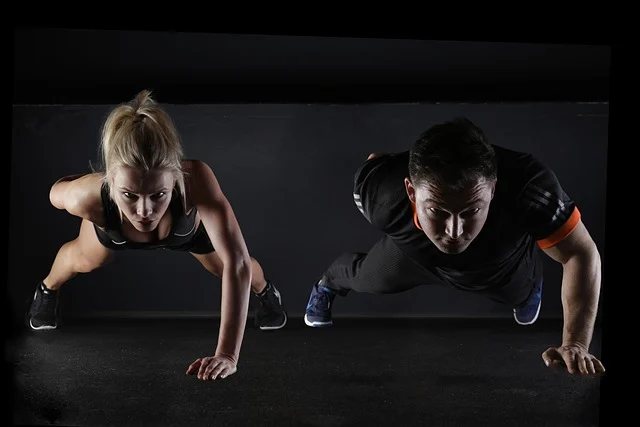
1. Threshold Intervals
These are the bread and butter of FTP improvement. Workouts involve sustained efforts at or just below your current FTP. These build your ability to tolerate and clear lactate, pushing your threshold higher.
2. Sweet Spot Training
g., 3×15 minutes). They offer a high return on investment for the training stress, allowing you to accumulate significant time at a beneficial intensity without the same fatigue as full threshold efforts. This is a highly efficient way to boost your aerobic engine.
3. Long Endurance Rides
These build an aerobic base, improve fat metabolism, and enhance overall endurance, creating a solid foundation upon which higher intensity efforts can be built. Cyclists are often told that one cannot build a big house on a small foundation.
4. Strength Training
Off-the-bike strength training, focusing on compound movements like squats, deadlifts, and lunges, can improve muscular power, endurance, and injury resistance. This contributes to a higher FTP and helps maintain muscle mass, which becomes increasingly important with age.
5. Consistent and Progressive Overload
Your training plan should gradually increase in volume or intensity over time. This progressive overload forces your body to adapt and get stronger. Avoid doing the same workouts week after week; your body will adapt and stop improving. Regularly reassess your FTP and adjust your training zones accordingly, perhaps using a cycling FTP chart by age and weight.
6. Adequate Recovery and Nutrition
Training stress is only beneficial if the body is allowed to recover and adapt. Prioritise sleep, incorporate active recovery, and ensure nutrition supports training demands. Proper fuelling before, during, and after rides is important for performance and recovery. Many cyclists are found to underestimate the importance of recovery in their pursuit of higher numbers.
What About Older Cyclists?
For older cyclists, the principles of FTP and W/kg remain the same, but the approach to training might need slight adjustments. Recovery often takes longer, and the risk of injury can be higher. We recommend a greater emphasis on:
- Consistency over intensity: Regular, moderate training can be more beneficial than sporadic, high-intensity efforts.
- Strength training: To combat age-related muscle loss (sarcopenia) and maintain bone density.
- Flexibility and mobility: To maintain range of motion and prevent stiffness.
- Listening to your body: Adjusting training based on how you feel on a given day, rather than rigidly adhering to a plan.
Many older cyclists find that while their absolute FTP might decline, their W/kg can remain competitive, especially if they manage their body weight effectively. The joy of cycling and the health benefits are paramount at any age, regardless of the numbers.
Ultimately, while a definitive ‘cycling FTP chart by age and weight’ doesn’t exist in a simple, universal format, understanding your power-to-weight ratio (W/kg) provides the most valuable insight into your performance relative to others and your own potential. Focus on consistent, structured training, smart nutrition, and listen to your body to continually improve your FTP and W/kg throughout your cycling journey.
Frequently asked questions
Is a 3.0 W/kg FTP good for cycling?
A 3.0 W/kg FTP is generally considered a solid intermediate level for male cyclists and a strong club-level performance for female cyclists. It indicates a good level of fitness and allows for comfortable participation in most group rides and local events.
How often should I test my FTP?
We recommend testing your FTP every 4 to 8 weeks. This frequency allows you to track your progress, ensure your training zones are accurate, and make informed adjustments to your training plan as your fitness evolves.
Can I improve my FTP at any age?
Yes, you can absolutely improve your FTP at any age, even if you are an older cyclist. Consistent, structured training, proper nutrition, and adequate recovery can lead to significant gains in power output and endurance, regardless of your current age, as shown in a cycling FTP chart by age and weight.
What’s the difference between FTP and average power?
FTP is your maximum sustainable power for approximately one hour, used to set training zones. Average power, often considered in a cycling FTP chart by age and weight, is simply the mean power output over a specific ride or segment, which can fluctuate greatly based on terrain, effort, and duration.