
 By Hashim Hashmi
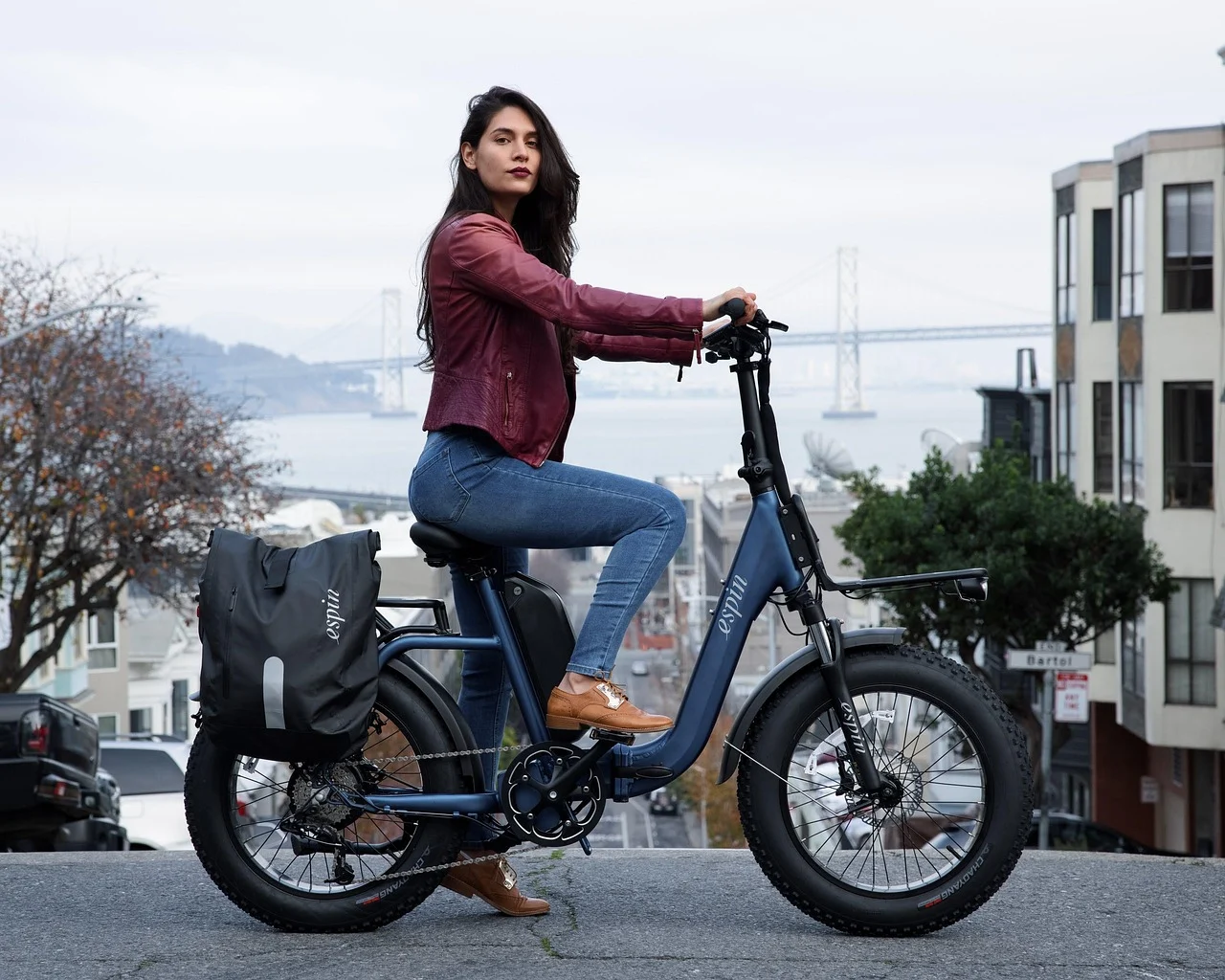
Understanding these rules is important because owning or riding a non-compliant throttle electric bike on public roads, cycle paths, or pavements can lead to serious legal consequences, including fines, penalty points, and even the seizure of the bike. It is a common area of confusion, and the editorial team aims to help readers handle the complexities of UK electric bike law to ensure they stay on the right side of it.
What Defines a Legal Electric Bike (EAPC) in the UK?
For an electric bike to be legally used on public roads in the UK without needing registration, tax, insurance, or a driving licence, it must qualify as an Electrically Assisted Pedal Cycle (EAPC). The Department for Transport sets out these specific criteria. You must know them inside out if you are considering an e-bike.
First, the bike must have pedals. You can use them to propel it. This distinguishes it from a moped or scooter. Second, the electric motor must have a maximum continuous rated power output of no more than 250 watts. This power limit is a fundamental aspect for if are throttle electric bikes legal in UK. It ensures the bike’s performance remains within safe and manageable limits for general cycling.
Third, the electrical assistance must cut off when the bike reaches 25 km/h (approximately 15.5 mph). This speed limit is critical. Once you exceed this speed, the motor assistance must cease. You can, of course, pedal faster under your own power. This is a key safety measure. It aligns e-bikes with traditional bicycles. This helps understand are throttle electric bikes legal in UK.
Finally, the throttle’s role is key. A legal EAPC throttle assists up to 6 km/h (3.7 mph). The rider does not need to pedal. This ‘walk assist’ helps move the bike from still. It also helps push it up slight inclines. If a throttle propels the bike faster than 6 km/h without pedalling, it requires type approval to be used legally on public roads as an EAPC. [gov.uk] Then, are throttle electric bikes legal in UK, is a different legal question.
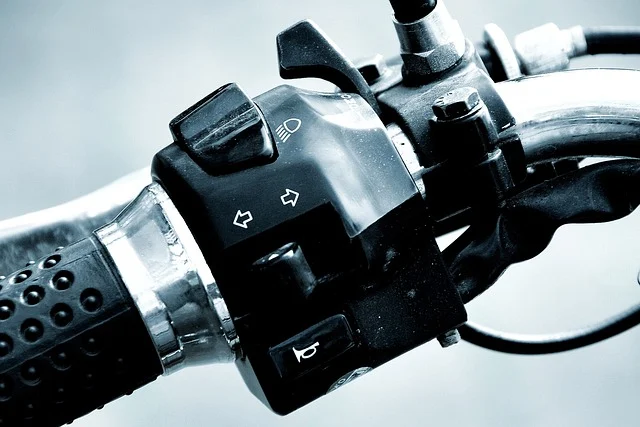
Are Throttle Electric Bikes Legal in the UK for Sale?
The sale of throttle electric bikes in the UK is not inherently illegal, even if they do not meet EAPC standards. This is a important distinction. Retailers can sell bikes that exceed the 250W power limit, the 25 km/h speed cut-off, or have a throttle that propels the bike above 6 km/h without pedalling. However, these bikes are not legal for use on public roads, cycle paths, or pavements.

When buying such a bike, sellers usually state it is for ‘off-road use only’. This means private land with permission. The buyer must know if are throttle electric bikes legal in UK. A good seller clarifies if a bike is an EAPC or ‘off-road’. Always check specifications against EAPC rules. Do this before buying, especially for public use.
What Happens if an Electric Bike Does Not Meet EAPC Rules?
If an electric bike has an unrestricted throttle, it may not be legal. It fails EAPC criteria. This includes power output, speed cut-off, or throttle function. UK law then considers it a motor vehicle, not a bicycle. It is a moped or motorcycle. This depends on its power and speed capabilities. Many ask, “Are throttle electric bikes legal in UK?” The answer depends on these rules.

This reclassification has significant legal implications. To use such a vehicle on public roads, you would need to comply with the same regulations as any other moped or motorcycle rider. This includes:
- Registration: You must register the bike with the DVLA. It must also display a number plate.
- Vehicle Tax: You must pay vehicle excise duty (road tax).
- Insurance: Third-party insurance, at a minimum, is legally required.
- Driving Licence: You must hold a valid driving licence for the appropriate category (e.g., AM for mopeds).
- Helmet: A motorcycle helmet must be worn.
- MOT: The vehicle may require an annual MOT test once it is three years old.
Failing these requirements means you are riding an unregistered, uninsured, and untaxed motor vehicle. You may also be riding without the correct licence. Penalties for such offenses are severe. They include substantial fines, penalty points, and immediate bike seizure. This is a risk we strongly advise against taking. This is important when considering are throttle electric bikes legal in UK.
Are Electric Bikes Illegal in the UK if They Have a Throttle?
No, not all electric bikes with throttles are illegal in the UK. The legality hinges entirely on how that throttle functions within the EAPC regulations. If the throttle provides assistance up to 6 km/h (walking speed), the bike can still be a legal EAPC; throttle assistance above that speed requires type approval for road use. [gov.uk] Many legitimate EAPCs include this ‘walk assist’ throttle feature, which is perfectly permissible.
The issue arises when a throttle powers a bike above 6 km/h without the required type approval. [gov.uk] This is without rider pedalling. People call these ‘twist and go’ throttles. They give full power. Such bikes are not EAPCs. The law treats them as motor vehicles. This functionality causes confusion. People ride non-compliant bikes illegally. This impacts the question: are throttle electric bikes legal in UK?
Are Electric Bikes Legal in London?
National UK law governs electric bike legality. This includes those with throttles. City regulations do not apply. Rules for electric bikes in London are the same across England, Scotland, and Wales. If an electric bike meets EAPC criteria, you can ride it legally. This applies to public roads and cycle paths in London. If it does not, the law considers it a motor vehicle. It is subject to corresponding regulations. So, are throttle electric bikes legal in UK? Yes, if EAPC compliant.
There are no special exemptions or stricter rules for electric bikes within London’s boroughs regarding their classification or use. The same advice applies: ensure your e-bike complies with EAPC standards if you intend to ride it on public routes in the capital.

Understanding Different Types of Throttles
It’s helpful to distinguish between the types of throttles you might encounter on electric bikes. This is where much of the confusion lies regarding UK law:
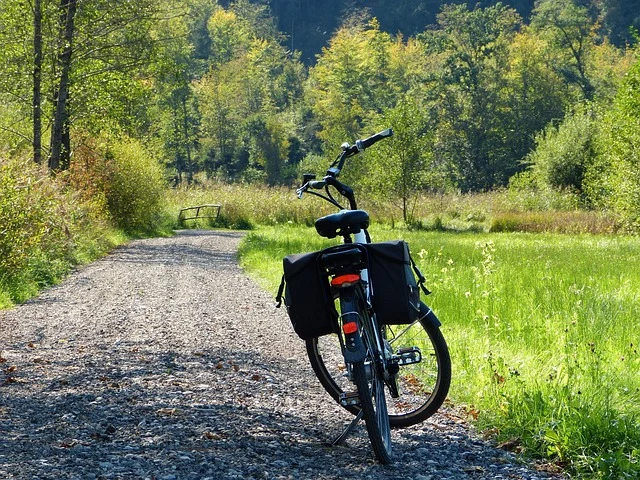
- Walk Assist Throttle (Legal EAPC): This type of throttle only provides power up to 6 km/h without pedalling. Its primary purpose is to help you maneuver the bike at very low speeds, such as starting from a standstill or walking alongside it. Beyond 6 km/h, the motor only engages if you are pedalling, adhering to the 25 km/h cut-off.
- Full Power ‘Twist and Go’ Throttle (Requires Type Approval): This throttle allows the rider to propel the bike using only motor power, often up to the maximum assisted speed (e.g., 25 km/h or higher if unrestricted), without any pedalling input. [gov.uk] These bikes are classified as motor vehicles and require registration, tax, insurance, and a licence for public road use.
- Pedal-Assist Override Throttle (Not a Legal EAPC): Some e-bikes might primarily be pedal-assist but include a throttle that can override the pedal-assist system to provide full motor power without pedalling, even at higher speeds. While they might still have pedals, this throttle functionality makes them non-compliant with EAPC rules for public roads.
When purchasing an e-bike, we always recommend asking the retailer specifically about the throttle’s functionality and how it complies with UK EAPC law, especially if you are buying online or from a brand less familiar with the UK market. Don’t assume a bike is legal just because it’s sold in the UK; verify its specifications against the EAPC rules.
What to Look For When Buying an Electric Bike for UK Roads
To ensure you purchase a legal electric bike for use on UK public roads, keep these key points in mind:

- Motor Power: Confirm the continuous rated power output is no more than 250 watts. Manufacturers usually state this clearly in the specifications.
- Speed Cut-off: The motor assistance must cease when the bike reaches 25 km/h (15.5 mph). This is a standard feature on all compliant EAPCs.
- Pedal Assist: The motor must primarily assist when you are pedalling. If the bike has a throttle, it should only provide assistance up to 6 km/h without pedalling. Any throttle that powers the bike above this speed without pedal input means it’s not a legal EAPC.
- Manufacturer’s Compliance: Look for bikes that explicitly state they comply with EN15194 standards. This is the European standard for EAPCs. While the UK has left the EU, people still widely use and recognize these standards for compliance.
- Reputable Retailer: Purchase from a reputable dealer who understands UK e-bike law and can clearly explain the bike’s compliance. They should be able to provide documentation or clear specifications confirming it meets EAPC rules.
Some retailers sell ‘de-restricted’ or ‘off-road’ kits that can modify an EAPC to exceed the legal limits. Installing such a kit immediately renders the bike illegal for public road use, even if it was originally compliant. We strongly advise against using such modifications if you plan to ride on public roads.
The Bottom Line on Throttle Electric Bikes in the UK
The desire for an easy, throttle-powered ride is understandable. However, the legal landscape for electric bikes in the UK is clear. If you want to ride on public roads, your e-bike must meet the EAPC criteria. This means a maximum 250W motor, assistance cutting off at 25 km/h. Any throttle only provides power up to 6 km/h without pedalling.

Anything beyond these specifications transforms your electric bike into a motor vehicle, bringing with it all the associated legal requirements for registration, tax, insurance, and a driving licence. The risks of non-compliance are significant, both legally and financially.
When in doubt, we always recommend erring on the side of caution. Choose an e-bike that is unequivocally compliant with EAPC regulations. This ensures you can enjoy the benefits of electric cycling without the worry of legal repercussions, making your rides enjoyable and stress-free.
Sources: E-bike
Frequently asked questions
Can I ride an electric bike on public roads without pedalling in the UK?
You can only ride an electric bike on public roads without pedalling if it has a throttle that assists up to a maximum speed of 6 km/h (walking pace). Beyond this speed, the motor must only provide assistance while you are actively pedalling for the bike to remain a legal EAPC.
What are the penalties for riding an illegal electric bike in the UK?
You can face penalties for riding an electric bike that does not meet EAPC standards on public roads. These penalties include significant fines, penalty points on your driving licence, and police seizure of the bike. This is because it is classified as an unregistered and uninsured motor vehicle.
Are there different electric bike laws for private land use?
Yes, the EAPC regulations specifically apply to public roads, cycle paths, and pavements. On private land, with the landowner’s explicit permission, you can typically ride electric bikes that do not meet EAPC standards without the same legal restrictions, though safety considerations still apply.