
 By Hashim Hashmi

When you encounter a cyclist on the road, knowing the correct way to pass them is not just good practice. It is a legal requirement under the Highway Code. The Highway Code gives recommended safe passing distances for drivers overtaking cyclists. [gov.uk] This protects these vulnerable road users.
The highway code passing cyclists distance and safety
The updated Highway Code rules directly respond to the inherent vulnerability of cyclists. These rules particularly concern safe passing distances. Unlike drivers in enclosed vehicles, cyclists have no protective cage around them. A slight misjudgment from a driver can have severe, often life-changing, consequences for a cyclist.

Cyclists navigate roads with various hazards, making safe passing distances critical for their protection.
The primary reason for specific distances is to create a buffer zone. This zone accounts for several factors. A cyclist may need to swerve to avoid potholes or debris. A passing vehicle creates an aerodynamic effect, which can destabilize a cyclist. This zone provides reaction time for both parties if an unexpected event occurs. Without adequate space, you can push a cyclist off balance. This forces them into a dangerous position. This increases the risk of a collision.
Understanding the Specific Passing Distances
The Highway Code provides clear, measurable guidelines for safe overtaking. These distances are not merely suggestions; they are legal requirements designed to minimize risk.

- At speeds up to 30 mph: You must leave at least 1.5 metres (approximately 5 feet) of space when passing a cyclist. This distance applies to cars and vans.
- At speeds over 30 mph: The minimum safe passing distance increases to at least 2 metres (approximately 6.5 feet) for cars and vans.
- For larger vehicles (lorries, buses, coaches): You must always leave at least 2 metres of space, regardless of your speed. These larger vehicles create a more significant wind disturbance, making the increased distance essential.
Remember that these are minimums. In conditions where visibility is poor, the road is wet, or the cyclist appears unstable, always give even more space. You want to ensure the cyclist feels safe and has ample room to manoeuvre if necessary.
How to Assess a Safe Passing Distance
Judging distances accurately while driving can be tricky, especially when you are focused on multiple aspects of the road. However, you can develop a good sense for the Highway Code’s requirements.

A good rule of thumb is to imagine the width of a small car (like a Mini or a Fiat 500) between a vehicle and the cyclist. This often approximates the 1.5-metre minimum in the highway code passing cyclists distance. For the 2-metre distance, think of a slightly larger car or even two small cars side-by-side. Road conditions should also be considered. If a road is narrow, or if there are parked cars or roadworks ahead, it might not be safe to overtake at all. Patience is key; wait for a clear, safe opportunity.
When You Cannot Maintain the Distance
There will be times when you simply cannot maintain the minimum safe passing distance. This can be due to road width, oncoming traffic, or other hazards. In these situations, the Highway Code is clear: you must not overtake the cyclist.
Always prioritize cyclist safety. You might need to slow down. Stay behind the cyclist until it’s safe to pass. This could mean waiting for a wider road. Or wait for a junction. Wait for no oncoming traffic. On narrow roads, follow at a safe distance for highway code passing cyclists distance. Do not attempt a risky overtake.
Cyclist Positioning and the Highway Code
The Highway Code advises cyclists to ride in the centre of the lane in certain situations. [gov.uk] This affects how drivers overtake. Cyclists should ride in the lane center. Do this near junctions or on narrow roads. Also, use this in slow traffic. This is the ‘primary position’. It helps them see and be seen. It also deters unsafe overtakes for a highway code passing cyclists distance.
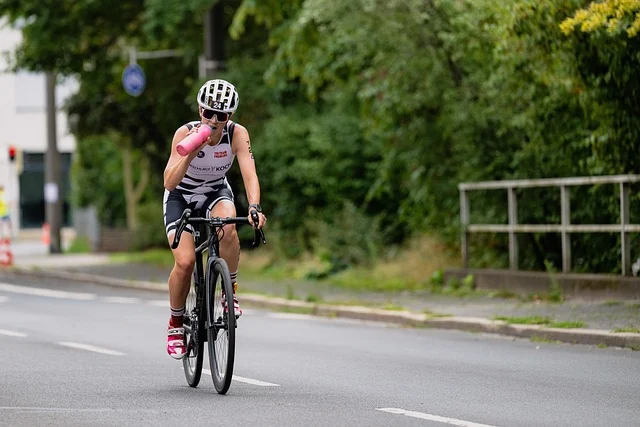
When a cyclist adopts this position, it is not to obstruct traffic, but to enhance their own safety. It forces drivers to wait for a clear passing opportunity, rather than squeezing past unsafely. Understanding this aspect of the Highway Code helps foster a more respectful and safer interaction between drivers and cyclists. It is a reminder that cyclists have a right to the road and are actively taking steps to protect themselves.
Edge Cases: Roundabouts and Queues
Specific situations like roundabouts and traffic queues require particular attention:
- Roundabouts: Cyclists may take the primary position in the centre of the lane. This prevents vehicles from passing them on the inside or cutting them off. You should give them space and treat them as you would any other vehicle. Only overtake a cyclist on a roundabout if you can do so safely, leaving ample room. Never overtake them on the inside.
- Traffic Queues: Cyclists are permitted to filter through slow-moving or stationary traffic. If you are a driver, be aware of cyclists potentially passing on either side of your vehicle. Check your mirrors and blind spots carefully before opening your door or changing lanes. As a cyclist, we always advise caution and making eye contact with drivers where possible when filtering.
Penalties for Unsafe Overtaking
Failing to adhere to the highway code passing cyclists distance rules can lead to serious consequences. There is no specific ‘passing too close’ offence with a fixed penalty. However, dangerous or careless driving charges may apply. These offenses carry significant penalties. Penalties include points, fines, and in severe cases, driving disqualification. Police can also issue fixed penalty notices for driving without due care. This applies if an officer observes an unsafe overtake.

Beyond legal penalties, an unsafe overtake risks a collision that could cause severe injury or even death to a cyclist. We always stress that the safety of vulnerable road users should be the paramount concern for every driver.
Developing a Safer Driving Mindset Around Cyclists
Ultimately, drivers and cyclists achieve safe interaction through a mindset of respect and awareness. Rather than viewing cyclists as an impediment, we encourage drivers to see them as fellow road users. They deserve consideration and protection, as covered in the highway code for passing cyclists distance.

Cultivating a mindset of respect and awareness is key for safer interactions between drivers and cyclists.
Here are some practical tips to foster this mindset:
- Anticipate: Expect to encounter cyclists, especially in urban areas or on popular cycling routes.
- Be Patient: It might take a few extra seconds to wait for a safe overtaking opportunity. Those seconds are insignificant compared to the potential consequences of a rushed manoeuvre.
- Check Blind Spots: Always perform thorough mirror checks and head checks (looking over your shoulder) before turning, changing lanes, or opening your car door.
- Make Eye Contact: If possible, try to make eye contact with cyclists to ensure mutual awareness, especially at junctions or when preparing to turn.
- Understand Vulnerability: Remember that cyclists are unprotected. A small error on your part can have devastating effects on them.
By consistently applying these principles and adhering to the Highway Code’s specific passing distances, we can all contribute to safer roads for everyone, reducing accidents and fostering a more harmonious shared space.
Related guides
Frequently asked questions
What is the minimum passing distance for a car overtaking a cyclist in the UK?
The minimum passing distance for a car overtaking a cyclist in the UK is 1.5 metres (about 5 feet) at speeds up to 30 mph, with more space at higher speeds, as per the Highway Code. [highwaycode.org.uk]
Do Highway Code rules for cyclists apply to all roads?
Yes, the Highway Code rules for cyclists and drivers apply to all public roads in the UK, including motorways for drivers and all other roads for cyclists, unless specific local restrictions are signposted.
What should I do if a road is too narrow to pass a cyclist safely?
If a road is too narrow to pass a cyclist while maintaining the minimum safe distance, you should not overtake. Instead, slow down and follow the cyclist until a safe and clear opportunity arises to pass them, even if it means waiting for a longer period.
Sources
- The Highway Code – Using the road (159 to 203) – Guidance …
- The Highway Code – Rules for cyclists (59 to 82) – Guidance