
 By Hashim Hashmi

Understanding the legal position outlined in The Highway Code, including Rule 61, helps cyclists make confident and safe choices. This article explores when using a cycle lane is beneficial. It also explains when choosing the main carriageway might be safer. We cover different types of cycle lanes and their implications. We also cover using bus lanes and provide practical tips for safer cycling.
Do Cyclists Have to Use Cycle Lanes in the UK?
No, cyclists in the UK are not legally obliged to use cycle lanes. While the Highway Code advises you to use them where provided and when it would improve your safety, you always retain the right to ride on the main carriageway.

This discretion is a important point for cyclists, as it allows you to make an informed decision based on road conditions, your safety, and the quality of the cycle lane itself. Understanding your rights and responsibilities is key to confident and safe cycling on British roads.
Understanding the Highway Code on Cycle Lanes
The legal position regarding cycle lanes in the UK is primarily outlined in The Highway Code. Specifically, Rule 61 states: “Cycle lanes are marked by a white line (which may be broken) and a cycle symbol. You MUST NOT drive or park in a cycle lane marked by a solid white line during its times of operation. [road.cc] Use facilities such as cycle lanes and tracks, advanced stop lines and toucan crossings (see Rules 62 and 73) where they make your journey safer and easier. [weightmans.com] [highwaycodeuk.co.uk] When using a cycle lane, take care to avoid pedestrians and other cyclists.”

The distinction between ‘MUST NOT’ and ‘SHOULD’ is vital here. ‘MUST NOT’ indicates a legal requirement, typically backed by legislation. Failure to comply can result in a fine, penalty points, or even disqualification. This applies to motor vehicle drivers who must not enter cycle lanes during operating hours.
For cyclists, the term ‘SHOULD’ is advisory. It means that while the recommendation is to use the lane, you are not breaking the law if you choose not to. This flexibility acknowledges that cycle lanes are not always the safest or most practical option for every cyclist in every situation.
When You Should Consider Using a Cycle Lane
While not mandatory, authorities often install cycle lanes to enhance cyclist safety. They separate you from faster or heavier motor traffic. Many situations exist where using a cycle lane is a sensible and beneficial choice.
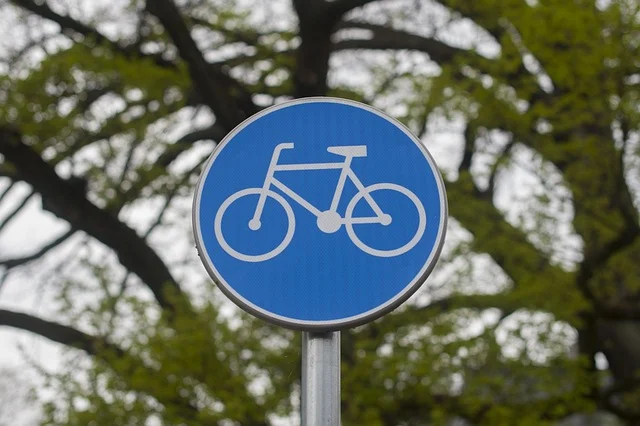
- High-Traffic, Fast Roads: On busy main roads, a segregated or well-marked cycle lane can provide a valuable buffer. It reduces your exposure to potential hazards where motor traffic is moving quickly.
- Less Confident or Novice Cyclists: If you are new to cycling, less confident in traffic, or cycling with children, cycle lanes can offer a perceived and often actual sense of security, allowing you to focus on your riding without the immediate pressure of navigating alongside vehicles.
- Dedicated Cycle Paths: Many modern cycle routes feature fully segregated paths, completely separate from the road. These are generally the safest option and are ideal for leisurely rides or commuting away from traffic.
- Clear and Well-Maintained Lanes: When a cycle lane is clearly marked, free from debris, potholes, and parked cars, and adequately wide, it often offers a smoother and safer passage than the main carriageway.
For many urban commutes, particularly during peak hours, a well-designed cycle lane can significantly reduce stress and improve journey times by offering a dedicated route. However, it’s important to stay vigilant even in these lanes, as pedestrians or other cyclists might unexpectedly enter your path.
When Choosing Not to Use a Cycle Lane Might Be Safer
Despite their intention, cycle lanes are not always the safest or most efficient option. Cyclists often choose to ride on the main carriageway for valid safety reasons, and this is entirely within your rights.
-
Poorly Maintained Lanes
Many UK cycle lanes have poor maintenance. Potholes, cracks, and debris make them dangerous. Swerving in a narrow lane is perilous. It is safer to take a main road position. Cyclists use cycle lanes but face obstacles. Parked cars, delivery vehicles, or bins block lanes. This forces sudden merging into traffic. This can be more dangerous than consistent road positioning.
Cyclists often brake or swerve. Unexpected obstacles appear in lanes.
Junction Design
Cycle lanes have common issues. This occurs with junction design. Left turns for cyclists are a problem. (For the UK, this means left turns for oncoming traffic). Cyclists use cycle lanes, but lanes often disappear. This places cyclists in vulnerable spots. They are close to turning traffic.
- Taking primary position in the main lane helps visibility. It lets one control the lane and show intentions.
-
Speed and Flow of Traffic
Faster cyclists may find maintaining traffic flow safer. Keeping pace prevents repeated overtakes, reducing risk. Slow traffic in a cycle lane invites close passes. This happens when the lane merges or ends. Cyclists use cycle lanes but sometimes need to leave them.
-
Group Riding
Group riding can make single-file cycle lanes impractical in the UK. [gov.uk] This can force riders into dangerous situations.
Taking a more prominent position on the road allows for safer group formation and better visibility for motorists.

Types of Cycle Lanes and What They Mean for You
Understanding the different types of cycle lanes can help you make better decisions about whether to use them.

-
Mandatory Cycle Lanes
These are marked by a solid white line and a cycle symbol. While vehicles are prohibited from entering them (hence the ‘MUST NOT’ for drivers in Rule 61), cyclists are still not legally obliged to use them. The solid line indicates a higher degree of separation but does not change your discretionary right to use the main carriageway.
-
Advisory Cycle Lanes
These are marked by a broken white line and a cycle symbol.
They suggest a space for cyclists, but other vehicles can enter. This is allowed if necessary, for example, to pass a stationary vehicle. For cyclists, the same discretion applies. You are not obliged to use them.
Shared Use Paths
These paths are shared by cyclists and pedestrians. Specific signage often indicates them. This is a blue circular sign with a cycle and pedestrian symbol. [gov.uk] On these paths, cyclists use cycle lanes. You have a responsibility to ride considerately. Give way to pedestrians. Warn them of your approach.
While often off-road and seemingly safer, conflicts with pedestrians can arise, and we always advise extreme caution and reduced speed on these routes.
Can Cyclists Use Bus Lanes in the UK?
Yes, in the UK, cyclists are generally permitted to use bus lanes. This is a common and often beneficial arrangement, particularly in urban areas.

Most bus lanes are marked with a sign indicating which vehicles are allowed to use them. If a bus lane sign includes a bicycle symbol, then cyclists are explicitly permitted to use it. The vast majority of bus lanes in the UK allow this. These lanes often provide a clearer, wider path than standard cycle lanes. They can offer a significant advantage by separating cyclists from general traffic during peak hours.
However, you must check the signage for each specific bus lane. There might be rare exceptions where cyclists are not permitted. Always be aware of buses, taxis, and other authorized vehicles using the lane. Position yourself to be visible, especially at junctions where buses might be turning.
Practical Tips for Safer Cycling, On or Off Cycle Lanes
Regardless of whether you choose to use a cycle lane or the main road, adopting proactive safety habits is essential. Being predictable and visible are your two most powerful tools on the road.

-
Adopt Primary Riding Position
This means riding in the center of the lane, approximately 1 meter from the left-hand kerb or parked cars. This position makes you more visible to drivers, prevents them from trying to squeeze past you dangerously, and gives you space to react to hazards. It’s particularly effective when approaching junctions or narrow sections of road.
-
Be Predictable and Communicate
Use clear hand signals for turning and stopping. Maintain a straight line and avoid sudden, erratic movements.
- Make eye contact with drivers and pedestrians. This ensures they have seen you.
-
Maintain Situational Awareness
Scan the road ahead, behind, and to your sides. Anticipate hazards like opening car doors. Watch for merging traffic or pedestrians. Listen for unseen traffic. Cyclists use cycle lanes in the UK.
-
Ensure Visibility
Wear bright or reflective clothing. Do this in low light or at night. Use good front and rear lights. Use them even during the day. This enhances your road presence.
Remember, according to the Highway Code Rule 60, you MUST have lights and reflectors when cycling between sunset and sunrise.
-
Be Assertive, Not Aggressive
Claim your space on the road confidently but politely. You have a right to be there, and assertive positioning is a key safety measure. Avoid confrontation, but do not compromise your safety by allowing drivers to intimidate you into unsafe positions.
-
Consider Road Surface and Conditions
Always assess the road surface.
Wet leaves, gravel, drain covers, and potholes can all be significant hazards. Sometimes, moving slightly away from the kerb provides a cleaner, safer line, even if it means occupying more of the lane.
Who This Advice Does Not Suit
While the general guidance promotes discretion, there are specific contexts where the default advice might shift.

-
Very Young or Inexperienced Cyclists
For children or those extremely new to cycling, the priority is often maximum separation from motor traffic. In such cases, using any available cycle lane, however imperfect, might be the safest starting point, under supervision. As confidence grows, they can learn to assess lanes critically.
-
High-Performance Road Cyclists
If you’re training or racing on a road bike at higher speeds, cycle lanes can often be too narrow, poorly surfaced, or filled with obstacles that disrupt your rhythm and potentially cause crashes.
For these scenarios, a strong primary position on the main carriageway is safer. You can maintain speed and flow with traffic.
Group Rides on Specific Routes
When in an organized group, cycle lanes are impractical. This is especially true on designated training routes. The group's cohesion and safety might make riding two abreast safer. [gov.uk] Or cyclists use cycle lanes by taking primary position. The group’s collective visibility is paramount. Predictable movement is also key.
Ultimately, the decision rests with you.
An informed cyclist is a safer cyclist. This person is capable of adapting to the diverse and often challenging conditions of UK roads.
Sources: Cycling
Frequently asked questions
Is it illegal for a cyclist not to use a cycle lane in the UK?
No, it is not illegal for a cyclist to choose not to use a cycle lane in the UK. The Highway Code states that cyclists “should” use cycle lanes where provided, but this is advisory, not a legal requirement.
What is the purpose of cycle lanes if they are not mandatory?
Cycle lanes offer cyclists a safer and often more direct route. They provide separation from motor traffic. These lanes improve road safety and encourage cycling. However, their non-mandatory status allows cyclists to prioritize their safety based on real-time road conditions.
Can I be fined for not using a cycle lane in the UK?
No, authorities cannot fine a cyclist for not using a cycle lane in the UK. Cyclists have no legal obligation to do so. Authorities typically associate fines with breaking legal requirements, not advisory guidelines.
Are all cycle lanes the same in the UK?
No, cycle lanes vary significantly in design and quality. They can be mandatory (solid white line), advisory (broken white line), or fully segregated paths. Some are well-maintained and clear, while others may be narrow, poorly surfaced, or frequently obstructed.
Do cyclists have priority in cycle lanes?
While cycle lanes are designated for cyclists, priority depends on the specific situation, especially at junctions. Cyclists should always be vigilant and assume drivers may not see them, even within a cycle lane. On shared-use paths, cyclists must give way to pedestrians.