
 By Hashim Hashmi
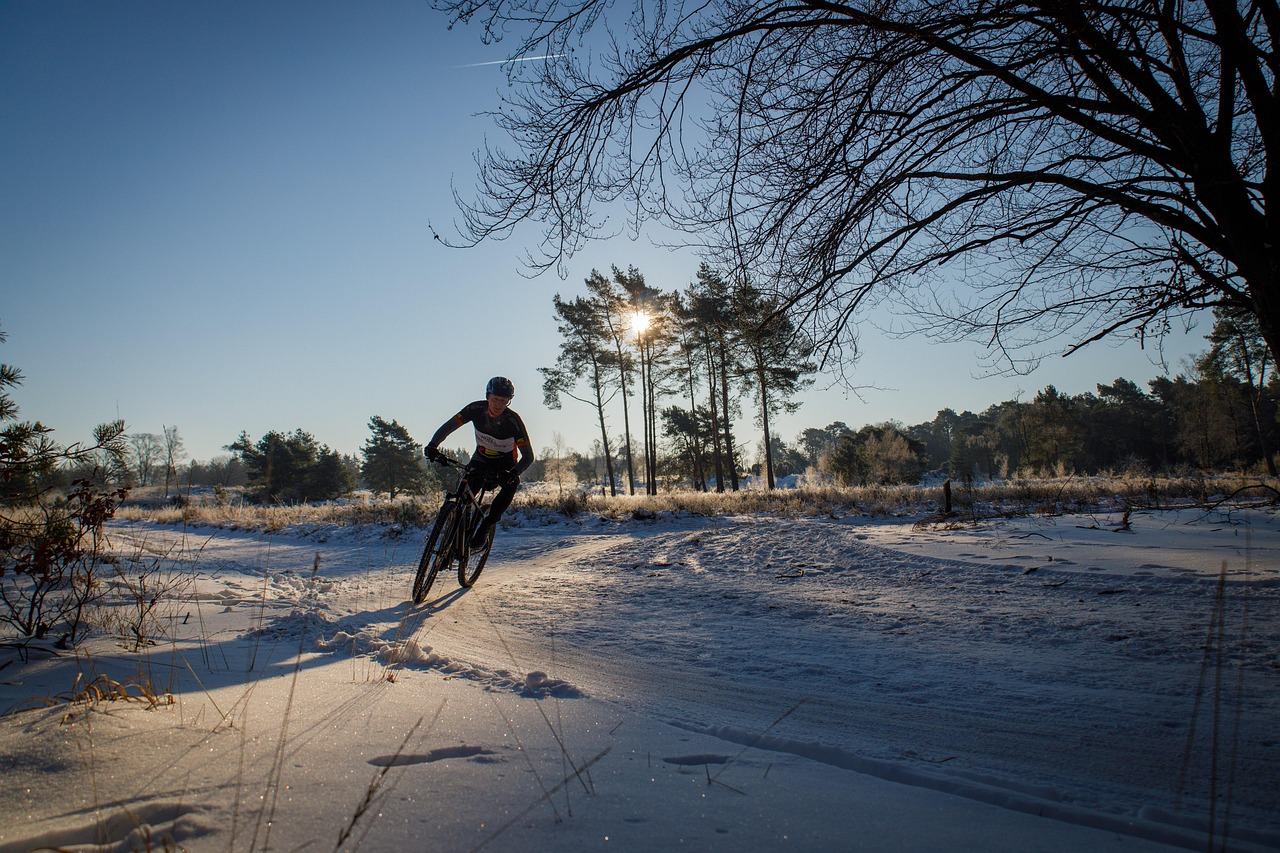
The DJI Osmo Action 5 Pro is a robust action camera designed for capturing high-quality footage in demanding environments, featuring a large 1/1.3-inch sensor, advanced stabilization, and extended battery life. It’s particularly well-suited for cyclists due to its durable, waterproof design and versatile magnetic mounting system, making it ideal for road, gravel, and trail recording.
Building on the reliable foundation of previous Osmo Action models, the Osmo Action 5 Pro addresses critical challenges faced by riders, such as short battery runtimes, screen glare, dynamic range in varied lighting, and complex audio setups. Its practical performance in the face of severe vibration and unpredictable weather often outweighs raw specifications for those mounting cameras on handlebars or helmets.
What is the DJI Osmo Action 5 Pro?
The DJI Osmo Action 5 Pro is the latest iteration in DJI’s line of compact, rugged action cameras, released in 2026. It’s engineered to capture dynamic video and photos in challenging conditions, making it a popular choice for adventurers, vloggers, and particularly cyclists. Key features include a high-performance image sensor, advanced electronic image stabilization, extended battery life, and a durable, waterproof build.
The “Pro” designation signifies its enhanced capabilities over standard action cameras, focusing on professional-grade image quality and user experience. It’s designed to withstand impacts, extreme temperatures, and submersion, ensuring reliable operation whether you’re on a mountain bike trail or a stormy road ride.
How does the Osmo Action 5 Pro handle bike vibration and video quality?
High-frequency road feedback and rough off-road terrain are the quickest ways to ruin action footage. The Osmo Action 5 Pro uses DJI’s RockSteady 4.0 stabilization alongside HorizonSteady and HorizonBalancing modes to combat this. RockSteady 4.0 cancels out pitch and roll movement caused by uneven surfaces without introducing unpleasant distortion along the edges of the frame.
When riding a rigid gravel bike or a full-suspension mountain bike on singletrack, the stabilization keeps the horizon steady and the handlebars predictable. HorizonSteady locks the horizon horizontally even through 360-degree rotations at resolutions up to 2.7K, while HorizonBalancing corrects tilt up to 45 degrees at 4K resolution.
The 1/1.3-inch CMOS sensor paired with 4K recording at up to 120 frames per second allows for clean slow-motion playback during technical jumps or fast sprints. The camera features 10-bit D-Log M and HLG color profiles, providing wider dynamic range when riding through rapidly changing lighting conditions, such as moving from open sunlight into dense forest canopy. The addition of 47GB of built-in storage ensures you can keep recording even if you forget to insert a microSD card before rolling out.
How long does the battery last and how do you charge the Osmo Action 5 Pro?
Battery anxiety is a primary headache when recording endurance rides. The camera houses a 1950 mAh battery rated for up to 240 minutes of operation in standard conditions. In actual road and trail scenarios recording 4K footage, riders can expect between two and three hours of active recording depending on ambient temperatures and enabled features.

Cold weather performance is significantly improved compared to earlier action camera designs. The battery retains voltage down to -20°C (-4°F), preventing sudden shutdowns during winter training rides.
Charging the Osmo Action 5 Pro
To charge the Osmo Action 5 Pro, use its USB-C port. The camera supports 30W USB-C fast charging, which can restore approximately 80% battery capacity in just 18 minutes. A full charge typically takes around 49 minutes. For all-day gravel races or multi-day bikepacking, you can plug in a compact external power bank via USB-C or swap in pre-charged spare batteries. You can also pair external cycling sensors via Bluetooth to overlay telemetry data—including speed, cadence, gradient, and power metrics—directly onto your video clips using compatible phone apps (see Bike Power Meter: What You Need to Know for bike computer setup options).
Is the Osmo Action 5 Pro waterproof and durable for cycling?
Cycling exposes equipment to persistent road spray, mud splatter, torrential rain, and occasional crashes. The Osmo Action 5 Pro features an IP68 weather rating and is waterproof down to 20 metres without needing an additional underwater housing. This means it can easily handle heavy downpours and even accidental submersion without issue.
The glass lens protective cover is hydrophobic, allowing rain drops to bead off quickly rather than lingering across the lens element. If the protective lens cap sustains scratches from flying gravel or trail debris, it unscrews easily for replacement without needing to replace the entire camera. Cleaning off caked mud after a messy cyclocross or trail session requires nothing more than rinsing the camera under a tap or squirting it with a water bottle.
How easy are the screens and controls to use on the move?
Setting up shots while wearing full-finger gloves or riding on rough tarmac requires clear visibility and responsive controls. The camera incorporates dual high-brightness OLED touchscreens on both the front and rear.
The front 1.4-inch display gives solo riders and vloggers instant visual feedback on framing and recording status. The rear 2.5-inch screen serves as the primary navigation interface. Both displays utilize high peak brightness to remain legible under direct sunlight.
Touch response remains accurate when operated with damp fingers or thin cycling gloves. Physical controls include a large top shutter/record button and a side quick-switch button to toggle between custom filming presets without opening touch menus. Voice control and gesture control functions let you start or stop recording with simple spoken commands or hand motions, keeping your hands safely on the handlebars during technical sections.
Which bike mounting option provides the best perspective?
The magnetic quick-release mounting system allows rapid transfer between different attachment points without unscrewing mounting thumb bolts every time. The dual-latch mechanism snaps firmly into place and withstands heavy off-road vibrations.
Different mounting locations offer distinct visual perspectives for cycling video:
Handlebar Mount
A handlebar position offers a stable forward view of the road or trail ahead. It places the camera directly in front of the rider, ideal for race footage and group rides. However, mounting directly on aluminum or carbon bars transfers direct road buzz, making stabilization features mandatory.
Helmet Mount
Attaching the camera to your helmet provides a dynamic first-person perspective that follows your line of sight. It eliminates bike frame chatter because your body acts as a natural dampener. The downside is added weight on the head and potential snag hazards on overhanging branches during trail rides.
Chest Mount
A chest harness captures the handlebars, front wheel, and trail simultaneously, giving viewers an immersive sense of speed and body movement. It works exceptionally well for mountain biking and gravel riding.
Seatpost Mount (Rear-Facing)
A rearward seatpost mount delivers compelling footage of chasing riders, pacelines, or changing scenery behind you. It exposes the camera to high amounts of tire spray in wet conditions, requiring frequent lens wiping.
| Mounting Location | Primary Advantage | Best Cycling Application | Main Limitation |
|---|---|---|---|
| Handlebar | Unobstructed forward view and easy control access | Road racing, commuting, group rides | Transmits maximum road vibration to camera |
| Helmet | Follows rider line of sight with natural body dampening | Technical singletrack, urban commuting | Adds top-heavy weight to helmet and increases drag |
| Chest Harness | Immersive view showing cockpit and terrain dynamics | Enduro, downhill, gravel riding | Can shift position when leaning forward aggressively |
| Seatpost (Rear) | Captures rear paceline action and draft riders | Group rides, gran fondos, criteriums | High exposure to rear tire water and mud spray |
How does the Osmo Action 5 Pro compare to its competitors and the Osmo Action 6?
When choosing an action camera for cycling, key decision factors include battery life, low-light image fidelity, mounting convenience, and software ecosystem. The Osmo Action 5 Pro faces strong competition from other major brands, and many riders also consider the newer Osmo Action 6.
| Feature / Spec | DJI Osmo Action 5 Pro | GoPro HERO13 Black | Insta360 Ace Pro 2 | DJI Osmo Action 6 |
|---|---|---|---|---|
| Max Resolution & Frame Rate | 4K / 120fps | 5.3K / 60fps | 8K / 30fps (4K / 120fps) | 5.3K / 60fps (4K / 120fps) |
| Sensor Size | 1/1.3-inch CMOS | 1/1.9-inch CMOS | 1/1.3-inch CMOS | 1/1.3-inch CMOS |
| Claimed Max Battery Life | Up to 240 mins | Up to 150 mins | Up to 180 mins | Up to 200 mins |
| Waterproof Rating (No Case) | 20 metres (IP68) | 10 metres | 12 metres | 18 metres |
| Mounting System | Magnetic Quick-Release | Folding Fingers & Magnetic | Magnetic Quick-Release | Magnetic Quick-Release |
| Internal Storage | 47GB Built-in | None (MicroSD required) | None (MicroSD required) | None (MicroSD required) |
The Osmo Action 5 Pro stands out for its superior battery endurance, built-in storage safety net, and rapid magnetic mounting setup. While GoPro offers higher native resolution at 5.3K for heavy cropping in post-production, and Insta360 provides 8K capability, the Osmo Action 5 Pro strikes an excellent balance of battery runtime, fast charging, and low-light dynamic range for long outdoor rides.
Osmo Action 5 Pro vs. Osmo Action 6
The Osmo Action 6, released after the 5 Pro, offers some iterative improvements. While both share the same 1/1.3-inch sensor for excellent low-light performance, the Action 6 introduces slightly enhanced stabilization algorithms and a more refined user interface. However, the Action 5 Pro still boasts a longer claimed maximum battery life (240 mins vs. 200 mins) and a deeper waterproofing rating (20m vs. 18m). The Action 6 removes the internal 47GB storage, relying solely on microSD. For many cyclists, the Osmo Action 5 Pro remains a highly competitive option, often available at a more accessible price point than the newer model, especially when considering its battery performance and built-in storage.
What settings and audio options work best on a bike?
Getting the best quality footage requires configuring the right internal settings before riding:

- Field of View (FOV): Select ‘Standard (Dewarp)’ or ‘Wide’ for forward road riding to avoid heavy barrel distortion. Use ‘Ultra-Wide’ on chest mounts to capture handlebars and trail together.
- Stabilization Mode: Enable ‘RockSteady’ for general riding. Switch to ‘HorizonBalancing’ if you want a flat horizon while leaning into road corners up to 45 degrees.
- Frame Rates: Set 4K at 60fps for standard riding clips to ensure smooth motion blur. Use 4K at 120fps specifically for technical trail drop-offs or sprint finishes where slow-motion playback adds dramatic value.
- Color Profile: Use the 10-bit D-Log M color profile if you intend to color grade in video editing software. For immediate sharing, the standard color profile delivers vibrant, natural contrast straight out of the box.
- Microphone Settings: High wind speed destroys audio quality above 20 km/h. Enable the built-in wind noise reduction mode in the audio settings menu. Alternatively, pair a wireless microphone directly to the camera via Bluetooth without requiring external receivers or dongles.
What common mistakes should cyclists avoid with the Osmo Action 5 Pro?
- Insecure Mount Latching: Always listen for the physical click on the magnetic quick-release latch before riding. Dirt or grit inside the latch mechanism can prevent full engagement, leading to accidental detachment on rough trails.
- Using Slow MicroSD Cards: 4K video recording at high bitrates requires high-speed memory cards. Always use microSD cards rated UHS Speed Class 3 (U3) or Video Speed Class 30 (V30) to prevent drop-outs or corrupted video files.
- Ignoring Lens Smudges: Sweaty thumbs or trail splashes on the lens element turn bright streetlights and sunlight into blurry smears. Keep a small microfiber cloth in your jersey pocket to wipe the glass before key recording moments.
- Over-Stabilizing Light Rides: Using HorizonSteady 360 on smooth road rides needlessly crops your field of view. Reserve heavy horizon-locking features for extreme off-road terrain where bike tilt is excessive.
Who is the Osmo Action 5 Pro NOT for?
While the camera excels across road, gravel, and trail disciplines, it may not suit every rider:
- Cyclists wanting 360-degree reframing: If you want to record in every direction simultaneously and choose angle perspectives in post-production, a dual-lens 360 camera is a more suitable choice than a fixed wide-angle action camera.
- Ultra-minimalist weight obsessives: Ounce-counting hill climbers who want the lightest possible camera for weight saving may prefer ultra-light wearable pod cameras, compromising battery life and resolution for minimal grams (see Balance Bike Basics: Your First Step to Two-Wheeled Freedom for lightweight kit optimization).
- Riders on a strict budget: If you only need occasional 1080p commuter footage for safety recording, basic dash-cam style bike cameras offer simpler functionality at lower price points.
Frequently asked questions
What is the battery life of the Osmo Action 5 Pro on a typical bike ride?
In standard 4K recording mode, expect between two and three hours of active continuous video capture. Lowering resolution or using energy-saving display settings can extend runtime closer to four hours.
Is the Osmo Action 5 Pro truly waterproof for cycling in the rain?
Yes, the camera carries an IP68 weather resistance rating and is waterproof down to 20 metres without a protective case. It easily withstands heavy rain downpours, road spray, and hose washing.
Can I mount the Osmo Action 5 Pro on different parts of my bike?
Its magnetic quick-release mounting system allows swift repositioning between handlebars, chest harnesses, helmet mounts, and seatposts using standard quarter-inch or two-prong bike mounts.
How good is the stabilization for off-road cycling?
RockSteady 4.0 stabilization effectively smooths out aggressive vibrations from gravel chatter, brake bumps, and rocky singletrack, making off-road footage significantly smoother without distorting the edges of the frame.
Does the Osmo Action 5 Pro come with essential cycling mounts?
Standard bundles include basic quick-release adapters and adhesive mounts, but dedicated cycling attachments like handlebar clamps, chest harnesses, or seatrail mounts are sold separately or in specific combo packages like the DJI Osmo Action 5 cycling accessory sets. The “Adventure Combo” or “Standard Combo” often include a wider range of accessories.
Source: Britannica.