
 By Hashim Hashmi
The choice between 1x and 2x isn’t about one being inherently superior. Rather, it is about which system better aligns with your specific riding style, the terrain you tackle most often, and your personal preferences for shifting feel and maintenance. Riders often gravitate towards one system based on their prior cycling experience. However, gravel riding introduces unique demands that make this decision more nuanced.
What is a 1x Gravel Bike Drivetrain and Who is it For?
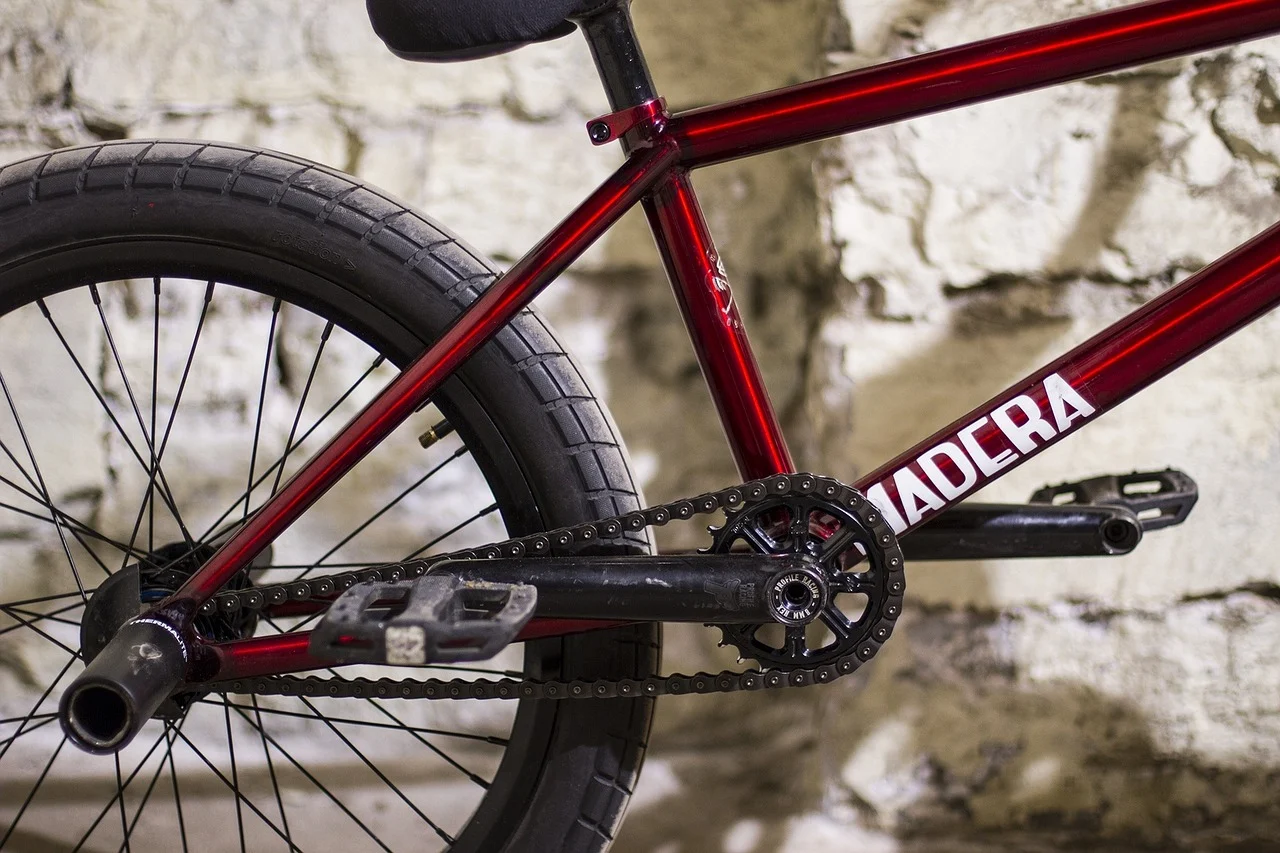
A 1x gravel bike drivetrain uses a single chainring at the front, paired with a wide-range cassette at the rear. This setup eliminates the front derailleur and one shifter, simplifying the cockpit and reducing the number of moving parts. It is generally ideal for riders who prioritize simplicity, solid chain retention, and tackling steep, technical off-road terrain. Rapid, dramatic gear changes are more important than fine-tuning cadence in these situations.
The Advantages of 1x Gearing for Gravel
- Simplicity and Ease of Use: With only one shifter to operate (for the rear derailleur), changing gears becomes more intuitive. There is no need to worry about cross-chaining or deciding which front chainring to be in. This is particularly beneficial when riding technical sections. Riders need to focus on handling the bike rather than complex shifting patterns. This aspect is particularly appealing for riders who are new to off-road riding or prefer a less cluttered experience.
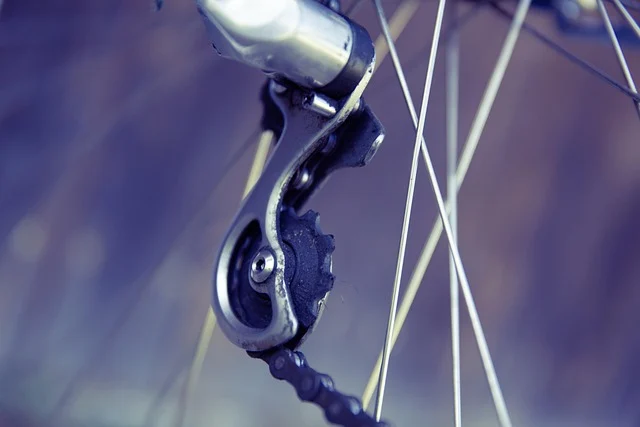
- Improved Chain Retention: 1x systems typically use narrow-wide chainrings. These have alternating tooth profiles designed to grip the chain more securely. Coupled with clutch-equipped rear derailleurs, this significantly reduces the chance of dropping the chain on rough, bumpy gravel tracks. For many, this is a major peace of mind factor when hitting unexpected potholes or washboard sections.
- Reduced Weight and Maintenance: Eliminating the front derailleur, its associated shifter, and one chainring shaves off a small amount of weight. More significantly, it removes a component that can get gummed up with mud and grit. This reduces maintenance needs and potential points of failure in dirty conditions.
- Increased Tyre Clearance: Without a front derailleur, frame designers have more freedom. This sometimes allows for slightly wider tyre clearance at the chainstays. While not always a deciding factor, it can be a benefit for those pushing the limits of tyre width.
When 1x Gearing Might Not Be Your Best Choice
- Larger Jumps Between Gears: To achieve a wide gear range with a single chainring, 1x cassettes often feature significant jumps between cogs, especially at the larger end. This can make it harder to find the ‘perfect’ gear to maintain a consistent cadence on flatter terrain or gradual climbs. If you are sensitive to cadence changes, these larger gaps can be noticeable and potentially frustrating.
- Limited Overall Gear Range (Potentially): While modern 1x cassettes are impressively wide (e.g., 10-50T or 10-52T), a 2x system can often offer both a lower ‘granny’ gear for steep climbs and a higher ‘top’ gear for fast descents or road sections. If your rides involve extremely varied elevation or long stretches of fast road, you might find yourself either spinning out or grinding more than you would prefer with a 1x setup.
- Chainring Wear: Since you are always using the same chainring, it will wear out faster than the two chainrings in a 2x system. This is a minor consideration, but it is something to factor into long-term running costs.
What is a 2x Gravel Bike Drivetrain and Who is it For?
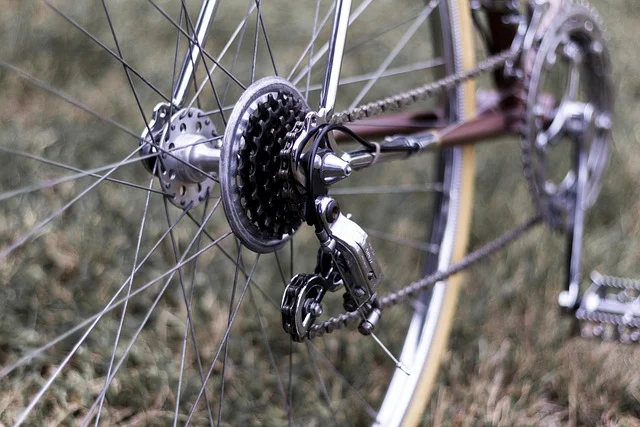
A 2x gravel bike drivetrain features two chainrings at the front (a larger one for speed and a smaller one for climbing), combined with a narrower-range cassette at the rear. This setup is generally favored by riders who demand a broad, finely-tuned gear range, often for mixed-terrain rides that include significant road sections, long, gradual climbs, or high-speed group riding where maintaining a precise cadence is paramount.
The Advantages of 2x Gearing for Gravel
- Wider Gear Range: The primary benefit of a 2x system is the extensive gear range it offers. By combining two chainrings with a cassette, you get a broader spread of gears, from very low climbing gears to very high speed gears. This is particularly useful if your gravel rides frequently transition from steep off-road climbs to fast, flat road sections. It also helps if you plan to use your gravel bike for touring or road cycling too.
- Smaller Jumps Between Gears: With more gears available, the steps between individual cogs on the cassette are typically smaller. Such a setup allows riders to maintain a more consistent cadence. Pedaling becomes more efficient and comfortable, especially on long rides or when riding in a group. These close ratios are especially valuable on rolling terrain where minor adjustments can prevent fatigue.
- Finer Cadence Control: The ability to fine-tune your gearing means you can always find a comfortable pedalling rhythm, regardless of gradient or headwind. This is a significant advantage for riders who are particular about their cadence. It also benefits those who spend a lot of time on varied terrain where consistent power output is key.
- Familiarity for Road Cyclists: Many cyclists coming from a road background are already accustomed to 2x drivetrains. The shifting logic and feel are often very similar, making the transition to a gravel bike smoother.
When 2x Gearing Might Not Be Your Best Choice
- Increased Complexity: A 2x system requires a front derailleur and an additional shifter, adding complexity to the shifting process. You have to manage both front and rear gears, and be mindful of cross-chaining. In technical terrain, this can be a distraction when you need to focus on handling.
- Potential for Chain Drops: While modern 2x systems are very reliable, the presence of a front derailleur and the act of shifting between chainrings can increase the risk of dropping your chain, especially on very rough ground or if the derailleur is not perfectly adjusted. This is less of a concern on smoother gravel but can be an issue on more aggressive trails.
- More Moving Parts and Maintenance: More components mean more potential points of failure. More parts can collect mud and grit, requiring more frequent cleaning and adjustment. The front derailleur is particularly susceptible to contamination in muddy gravel conditions.
- Slightly Heavier: The extra chainring, front derailleur, and shifter add a small amount of weight compared to a 1x setup. While often negligible for most riders, it is a factor if you are chasing every gram.
Making Your Choice: 1x vs 2x Gravel Drivetrain
To help you decide, we recommend considering a few key factors. Think about your riding habits and the types of routes you typically enjoy.
Consider Your Primary Riding Terrain
If your local gravel routes are predominantly hilly with steep, loose climbs and technical descents, a 1x setup often makes more sense. The wide-range cassette gives you the low gears you need for climbing. Additionally, the enhanced chain retention is a huge benefit on bumpy descents. The simplicity of shifting means you can focus on navigating the terrain without thinking about which chainring to be in.
Conversely, if your rides involve long stretches of rolling gravel roads, significant road sections, or group rides where maintaining a tight pace is important, a 2x system will likely serve you better. The smaller gear steps allow for finer cadence adjustments. This can be more efficient and comfortable over long distances and varied, but less extreme, gradients. Think about the gradients you regularly encounter. If you are often stuck in between gears on a gradual incline, a 2x setup would resolve that.
Think About Your Riding Style and Ambitions
Are you an aggressive rider who loves to push the limits on technical trails, or do you prefer endurance rides and bikepacking adventures? For the former, the simplicity and chain security of 1x can be a significant advantage. For the latter, especially if you are carrying extra weight, the wider and more precise gear range of 2x might be more beneficial for tackling varied terrain and maintaining comfort over many hours.
If you plan to race your gravel bike, the decision can be even more critical. Some racers prefer 1x for its simplicity in high-stress situations. Others prefer 2x for its ability to fine-tune cadence and maintain speed on diverse courses. The choice often comes down to the specific race course profile. For example, a very technical course with short, punchy climbs might favour 1x. A fast, open course with long, gradual ascents might be better suited to 2x.
Maintenance and Mechanical Aptitude
If you prefer minimal fuss and maintenance, or if you are not confident with intricate derailleur adjustments, a 1x system is generally simpler to maintain. With fewer components, there are fewer things to go wrong or require fine-tuning. A 2x system, with its front derailleur, can be more prone to issues if not kept clean and properly adjusted, especially in muddy conditions.
Budget Considerations
Generally, a 1x system can be slightly cheaper to buy initially because it has fewer components. However, the wide-range cassettes often found on 1x setups can be more expensive to replace than their 2x counterparts. Also, as mentioned, the single chainring will wear faster than two. This potentially leads to more frequent replacement costs for that specific part. It is worth looking at the long-term cost of consumables when making a decision.
Specific Scenarios and Edge Cases
The 1x vs 2x debate is not always clear-cut, and some situations highlight the strengths or weaknesses of each system.
Bikepacking and Touring
When bikepacking, you often carry extra weight. This makes climbing harder. A 2x system can offer a lower ‘granny’ gear than most 1x setups, providing important assistance on steep ascents when loaded down. The wider range also means you are less likely to spin out on fast descents with a heavy bike. However, the simplicity of 1x can be appealing for multi-day trips where reliability and ease of repair are paramount. One less component to worry about can be a big plus.
Mixed-Surface Commuting
If your gravel bike doubles as a commuter, especially on routes with both road and light off-road sections, a 2x system often provides a better experience. The finer gear steps are excellent for maintaining speed and cadence in traffic or on open road. They still offer sufficient range for light gravel paths. The ability to shift quickly through a wide range of gears is beneficial when encountering varied urban terrain.
Extreme Terrain or Muddy Conditions
For truly extreme gravel, such as cyclo-cross-style courses or very muddy trails, the chain retention and simplified shifting of a 1x system are undeniable advantages. A front derailleur can quickly become clogged with mud and debris, leading to poor shifting performance or even complete failure. The clutch derailleur and narrow-wide chainring of a 1x setup are far more resilient in these conditions.
The Middle Ground: Optimizing Each Setup
Evaluating 1x vs 2x gravel bike pros cons shows that both systems have evolved significantly. Modern componentry allows for a lot of customization to tailor either setup to your needs.
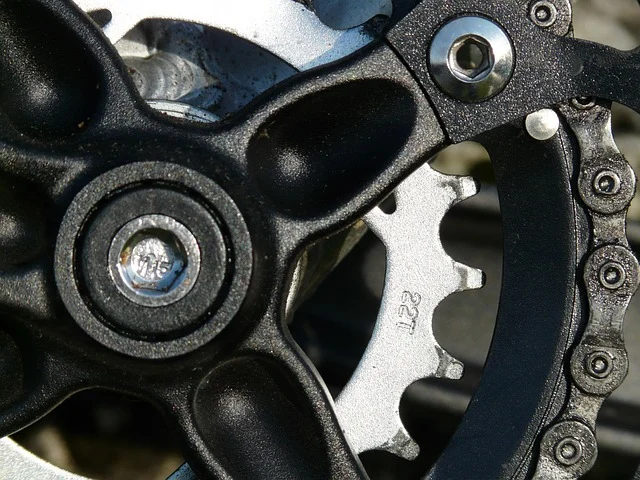
For 1x users seeking more range, larger cassettes (e.g., 10-52T) are available, or you can experiment with different chainring sizes (e.g., a smaller chainring for more climbing focus, or a larger one for speed). The trade-off remains the larger jumps between gears.
For 2x users who want better chain retention, some manufacturers offer clutch-equipped rear derailleurs that are compatible with 2x road/gravel systems. This helps mitigate one of the main downsides of 2x on rough terrain. You can also choose chainring combinations that provide a very wide range, such as 46/30T or 48/32T, paired with a wide-range cassette like an 11-34T or 11-36T to get truly low climbing gears.
Ultimately, the best way to choose is to honestly assess riding habits. If predominantly riding rough, technical gravel or valuing absolute simplicity, 1x is a strong contender. If riding a lot of mixed terrain, valuing precise cadence control, and often finding oneself on faster roads, a 2x system would be favoured. Neither choice is permanent, and parts can be swapped. However, making an informed decision upfront will enhance the riding experience significantly.
Sources: SHIMANO BIKE HOME
Frequently asked questions
Can I convert my 2x gravel bike to 1x?
Yes, converting a 2x gravel bike to a 1x setup is generally possible. You would typically need to replace the crankset with a single narrow-wide chainring, remove the front derailleur and its shifter, and potentially upgrade your rear derailleur to a clutch-equipped model and your cassette to a wider range.
Do I lose much top speed with a 1x system?
Whether you lose much top speed with a 1x system depends on your specific chainring and cassette combination. While 2x systems often offer higher top gears, modern 1x setups with large cassettes (e.g., a 42T chainring with a 10T smallest cog) can still provide ample top-end speed for most gravel riding, though you might spin out on very fast road descents.
Is a 1x or 2x setup better for climbing?
Both 1x and 2x setups can be excellent for climbing, but they achieve it differently. A 1x offers very low gears for steep climbs through its wide-range cassette, while a 2x system can provide an even lower ‘granny’ gear and smaller steps between gears, which can be more comfortable for maintaining a consistent cadence on long, gradual ascents or when carrying extra weight.
Are 1x drivetrains more expensive than 2x?
The initial cost can vary, but generally, a 1x system might be slightly cheaper due to fewer components (no front derailleur or second shifter). However, the wide-range cassettes often used in 1x setups can be more expensive to replace. The single chainring may wear out faster, potentially offsetting some initial savings over time.