
 By Hashim Hashmi
Understanding these distinctions is important. They impact everything from your bike’s price to its performance on the road. Cyclists, from keen amateurs to seasoned club riders, often weigh these two options carefully. Let’s look at what separates them. This will help a rider make an informed choice that suits their riding style and budget.
The difference in Shimano 105 vs Tiagra explained
The shimano 105 vs tiagra difference targets slightly different market segments for these road cycling workhorses. Shimano’s well-established hierarchy places Dura-Ace at the top, then Ultegra, 105, and Tiagra. Technologies from top-tier groupsets reach affordable options through this trickle-down effect.
Shimano 105 is often considered the entry point into serious performance road cycling. It’s known for offering a significant chunk of the performance of its higher-end siblings, Ultegra and Dura-Ace, but at a much more accessible price. The current mechanical 105 (R7100 series) boasts 12 speeds, alongside a more ergonomic design and advanced braking capabilities. The editorial team would describe it as the benchmark for enthusiasts who want reliable, precise shifting and a lightweight feel without breaking the bank.
Shimano Tiagra, on the other hand, is positioned as a high-value, performance-oriented option. It suits recreational riders, commuters, and those new to road cycling. The current Tiagra (4700 series) features 10 speeds. It shares much of the aesthetic and some ergonomic features with the higher-end groupsets, particularly the 105 R7000 and Ultegra R8000. It’s designed to be solid and reliable, providing a smooth riding experience for everyday use and longer weekend rides.
Gear Count and Shifting Performance
The most immediately noticeable difference between 105 and Tiagra is the number of gears they offer. Shimano 105 is a 12-speed system, while Tiagra is a 10-speed system. [bikeradar.com] This single difference has ripple effects throughout the groupset and your riding experience.
11-Speed vs. 10-Speed Cassettes
With 12 speeds, 105 allows for closer gear ratios, meaning smaller jumps between cogs on the cassette. [bikeradar.com] This enables riders to maintain a more consistent cadence. They can find the ‘sweet spot’ for their pedalling more easily. This can be particularly beneficial on varied terrain or when riding in a group. It is especially useful for maintaining momentum on rolling hills or when making subtle adjustments to speed.
Tiagra’s 10-speed cassette still provides a good range of gears, perfectly adequate for most recreational riding. While the jumps between gears might be slightly larger, it’s generally not a deal-breaker for those not focused on racing or highly precise cadence control. For commuting or touring, where a rider might be less concerned with micro-adjustments, the 10-speed system is perfectly capable.
Shifter Ergonomics and Mechanism
Both groupsets benefit from Shimano’s ‘trickle-down’ technology, giving them a similar ergonomic feel in the brake levers (STIs). The current Tiagra 4700 series adopted the same cable pull ratio as the 11-speed road groupsets. This means the shifting action highlights the shimano 105 vs tiagra difference more clearly than older Tiagra versions. This was a significant upgrade for Tiagra, making its shifting feel more crisp and precise.
However, 105 R7000 still holds an edge. Its shifters typically offer a slightly lighter and more immediate shift action, thanks to more refined internal mechanisms and materials. The front derailleur, in particular, on the 105 R7000, uses a toggle link design. This makes front shifts feel incredibly light and precise, requiring less effort than Tiagra’s more traditional front derailleur.
Weight and Materials
Weight is a common differentiator as you move up Shimano’s hierarchy, and the shimano 105 vs tiagra difference is no exception. Generally, a full Shimano 105 groupset will be lighter than a comparable Tiagra groupset.
Component Materials and Construction
This weight difference stems from the use of more advanced and lighter materials in 105 components. For instance, 105 often incorporates more aluminium alloys and lighter steels in its construction, particularly in parts like the crankset, brake calipers, and derailleurs. Tiagra, while still using durable materials, tends to opt for slightly heavier alloys or more steel. This contributes to its overall weight.
While the exact weight difference can vary depending on specific components like crank length and cassette range, one can typically expect a 105 groupset to be several hundred grams lighter than Tiagra. For a casual rider, this weight difference might not be immediately noticeable. However, for someone interested in climbing performance or reducing overall bike weight, it becomes a more significant factor. Such traits provide tangible benefits for riders looking to shave seconds off times or make long climbs a little easier.
Braking Performance
Braking is paramount for safety and control, and both groupsets offer reliable stopping power. However, there are nuances in their performance, especially with the widespread adoption of disc brakes.
Rim Brake Calipers
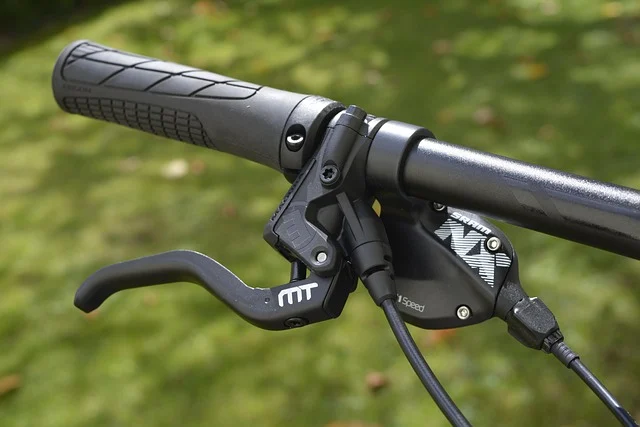
The shimano 105 vs tiagra difference highlights R7000 calipers over Tiagra 4700 in rim brake modulation and stopping power. The 105 calipers feature a more symmetrical dual-pivot design, which reduces friction and improves efficiency. This gives you a more confident feel at the levers. You apply more precise braking force when descending or navigating technical sections.
Tiagra 4700 rim brake calipers are still very effective and offer good stopping power for most situations. They are solid and reliable, making them a solid choice for general road riding. The difference here is more about refinement and feel than outright stopping ability.
Hydraulic Disc Brakes
Both 105 (R7020/R7070) and Tiagra (4720/4770) are available with hydraulic disc brake options. This is where the gap between them often narrows in terms of raw stopping power. Hydraulic disc brakes, by their nature, provide consistent, powerful braking regardless of weather conditions. Both groupsets deliver on this promise.
The primary difference in the disc brake versions tends to be in the ergonomics of the lever hoods and the overall weight. 105 disc brake levers often have a slightly more refined shape and lighter action, reflecting their higher-tier status. For riders who value consistent braking in all conditions, both options are excellent. 105 offers a marginal improvement in feel and weight.
Durability and Maintenance
When investing in a groupset, longevity and ease of maintenance are important considerations. Understanding the shimano 105 vs tiagra difference highlights their solid construction and impressive durability, which is a hallmark of Shimano components.
Longevity in Real-World Use
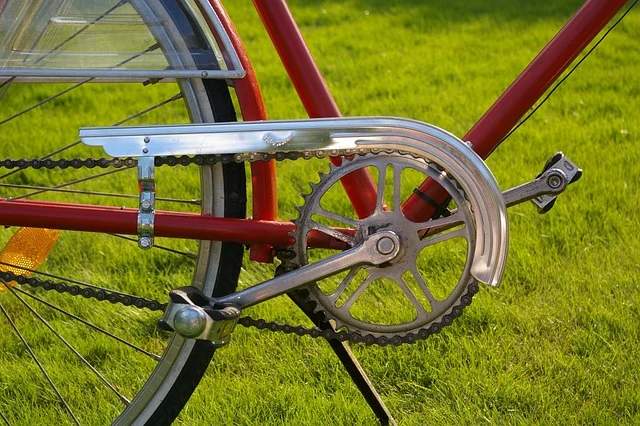
In terms of outright lifespan, both groupsets are exceptionally durable under normal riding conditions. With regular cleaning and maintenance, you can expect many thousands of miles from either. The slight advantage 105 might have in materials could translate to marginally better resistance to wear over a very long period. This is particularly true in high-stress components like chainrings and cassette cogs. However, for most riders, the practical difference in durability is minimal.
Maintenance Requirements
Noting the shimano 105 vs tiagra difference reveals maintenance for both is largely similar. Regular cleaning of the chain, cassette, and chainrings, plus cable lubrication for mechanical systems, keeps them running smoothly. Neither groupset demands specialist tools beyond standard bike maintenance equipment. Replacing wear-and-tear items like chains, cassettes, and brake pads is straightforward for both.
Where 105 might offer a slight benefit is in the availability of higher-performance replacement parts. This is particularly true if a rider is looking to upgrade individual components later. However, Tiagra replacement parts are readily available and typically more affordable. From a maintenance perspective, this would not be a deciding factor; both are user-friendly.
Cost and Value Proposition
The financial aspect often drives a choice. Bikes with Shimano 105 cost more. This reflects the performance upgrades and lighter weight, a key shimano 105 vs tiagra difference.
Bike Price Differences
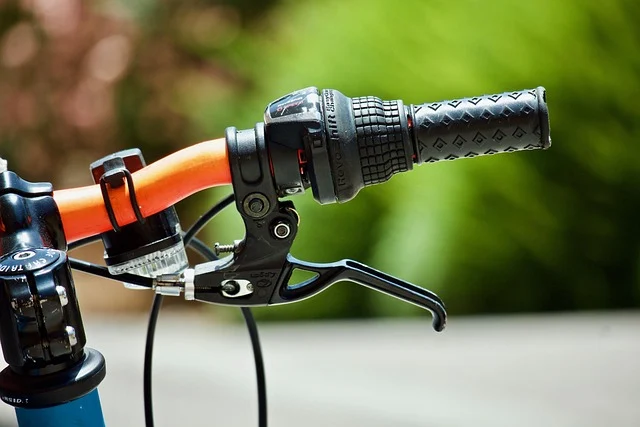
For a complete road bike, you might see a price difference of several hundred pounds due to the Shimano 105 vs Tiagra difference. This gap can widen or narrow depending on the frame material, wheelset, and other bike components. For example, a carbon fibre bike with 105 will naturally be much more expensive than an aluminium bike with Tiagra.
When considering value, it’s not just about the upfront cost. We always advise considering your riding goals. If you’re buying your first road bike for casual rides and commuting, a Tiagra-equipped bike offers excellent value. It provides reliable performance without a significant investment. If you’re looking to get into more serious club riding, sportives, or even dabble in racing, understanding the difference in Shimano 105 vs Tiagra might justify the extra expenditure. This can provide better long-term value for your specific aspirations.
Upgrade Potential
If you purchase a Tiagra-equipped bike, upgrading to 105 later can be costly. This is because of the difference in gear count (10-speed vs. 12-speed). [bikeradar.com] You would need to replace not just the cassette and chain, but also the shifters, front and rear derailleurs. Potentially, you might also need to replace the crankset if you want full compatibility. This can often amount to a significant portion of the cost of a new bike. Therefore, we suggest buying the best groupset you can realistically afford from the outset if you anticipate wanting higher performance down the line.
Who is Each Groupset For?
Making the right choice depends heavily on your riding style, aspirations, and budget. Let’s break down who each groupset is best suited for.
Choose Shimano 105 if…
- You’re an enthusiastic road cyclist: If you regularly participate in group rides, sportives, or charity events, and you value crisp, precise shifting and a responsive feel.
- You want competitive performance: While not a professional-level groupset, 105 offers performance that’s more than capable for amateur racing or challenging personal bests.
- Next, you ride varied terrain: The closer gear ratios of 12-speed allow for better cadence management on climbs and descents. [bikeradar.com]
- You prioritize weight and refinement: If you appreciate a lighter bike and the subtle improvements in ergonomics and brake modulation.
- Also, you plan to keep the bike for a long time: The slight boost in durability and performance will be appreciated over years of riding.
Choose Shimano Tiagra if…
- You’re new to road cycling: It’s an excellent entry point that provides a fantastic road cycling experience without a huge financial commitment.
- Then, You’re a commuter or recreational rider: For daily commutes, weekend leisure rides, or light touring, Tiagra offers all the reliability and performance you’ll need.
- You’re on a tighter budget: Tiagra-equipped bikes offer superb value for money, allowing you to get a high-quality road bike at a more accessible price point.
- You prefer simplicity and robustness: While 105 is also solid, Tiagra is often seen as a no-nonsense workhorse, perfectly suited for everyday use where absolute latest performance isn’t the top priority.
- You’re happy with 10 speeds: If you don’t feel the need for the minute gear adjustments offered by 11 speeds, Tiagra will serve you well.
Final Thoughts on Your Decision
Ultimately, understanding the shimano 105 vs tiagra difference comes down to a balance of performance, budget, and specific riding needs. Both are excellent groupsets that deliver reliable, high-quality performance characteristic of Shimano. We often tell riders that if their budget allows, stretching for 105 is a worthwhile investment for the additional gear, lighter weight, and more refined shifting experience, particularly if they see themselves becoming more serious about road cycling.
However, if your primary goal is reliable commuting, comfortable leisure rides, or simply getting into road cycling without breaking the bank, Tiagra is an outstanding choice that will not disappoint. You’ll get a groupset that looks and feels much more premium than its price point suggests, thanks to Shimano’s continuous ‘trickle-down’ of technology. Whichever you choose, you’ll be getting a dependable partner for many miles on the road.
Frequently asked questions
Can I mix Shimano 105 and Tiagra components?
Mixing 105 (R7100 series, 12-speed) and Tiagra (4700 series, 10-speed) components is generally not recommended for the drivetrain (shifters, derailleurs, cassette, chain). [bikeradar.com] This is due to the difference in gear count and cable pull ratios. While Tiagra 4700 uses the same cable pull ratio as 11-speed road groupsets for its derailleurs, its shifters are designed for 10 speeds. You can, however, often mix brake calipers between the two series if they are both rim or both hydraulic disc, as long as the brake levers match the brake type.
Is Shimano Tiagra good enough for racing?
While Shimano Tiagra is not typically found on dedicated race bikes, it is certainly capable of handling amateur races or club time trials. Its reliability and smooth shifting are perfectly adequate for competitive efforts, especially for newer racers. However, the 12-speed 105 groupset offers closer gear ratios and lighter weight. [bikeradar.com] This can provide a marginal advantage in racing scenarios where every detail counts.
How much heavier is Tiagra than 105?
A complete Shimano Tiagra groupset is typically a few hundred grams heavier than a comparable Shimano 105 groupset. This weight difference stems from the use of slightly heavier materials in Tiagra’s construction. For most recreational riders, this difference is often negligible in real-world performance, but for those focused on minimizing bike weight, 105 offers a noticeable advantage.
What is the difference between Shimano 105 Di2 and mechanical 105?
The primary difference between Shimano 105 Di2 (R7150) and mechanical 105 (R7100 series) is the shifting mechanism. [bikeradar.com] Di2 uses electronic signals for gear changes. This offers incredibly precise, fast, and consistent shifting with minimal effort, often at the press of a button. Mechanical 105 relies on traditional cables for shifting. This is still highly effective but requires slightly more physical input and occasional cable maintenance. Di2 also typically comes at a higher price point.