
 By Hashim Hashmi
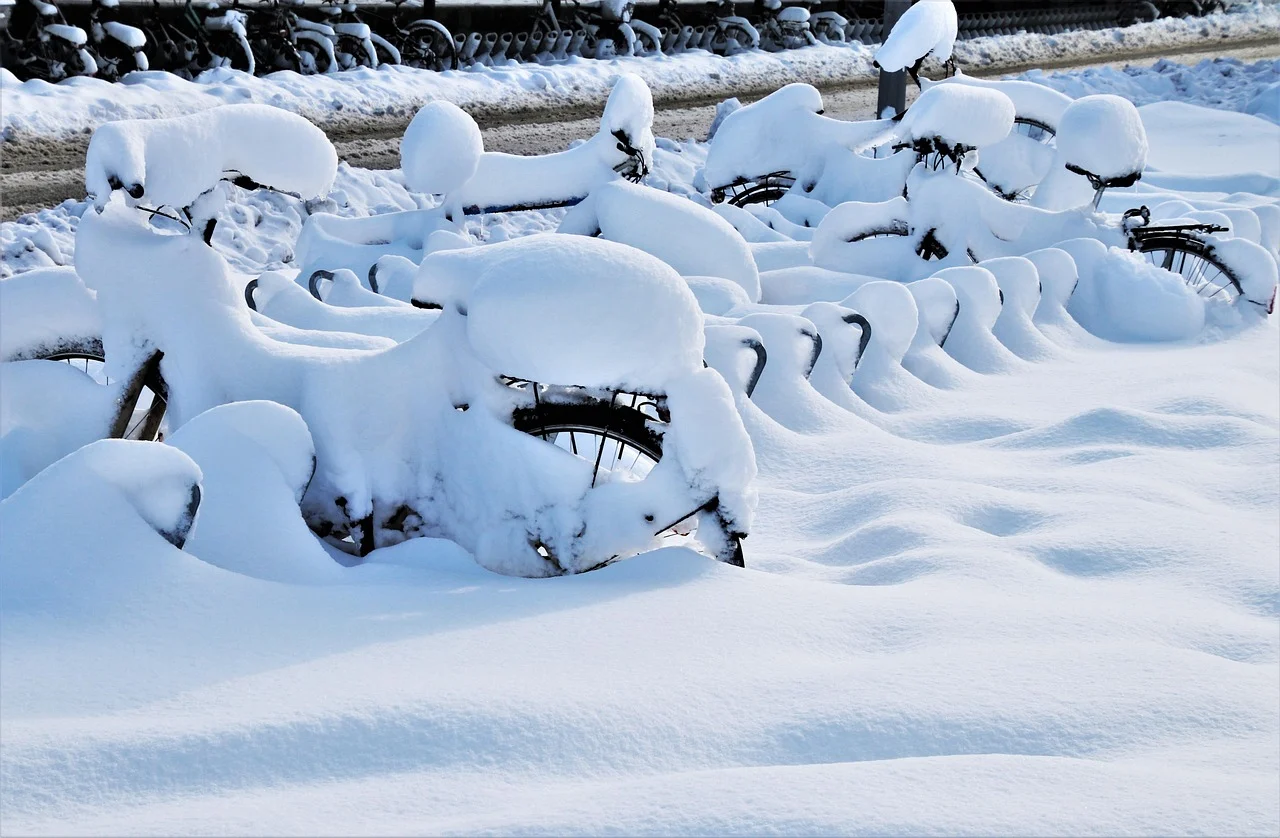
Why fat bike tyres use such massive volumes
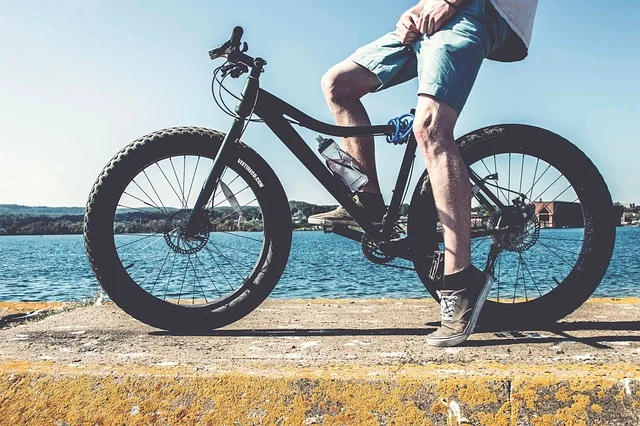
Fat bike tyres use massive volumes ranging from 3.8 to 5 inches to radically increase the contact patch with the ground. This drops ground pressure low enough to prevent sinking into loose terrain. According to Wikipedia’s encyclopedic overview of fatbikes, these machines rely on wide frames, broad forks, and stretched stays to clear the extra-large 26-inch or 27.5-inch rims. I think the visual impact of these huge tyres often overshadows the subtle engineering required to keep the drivetrain clearing the chainstays, but that extra width is the entire point of the platform.
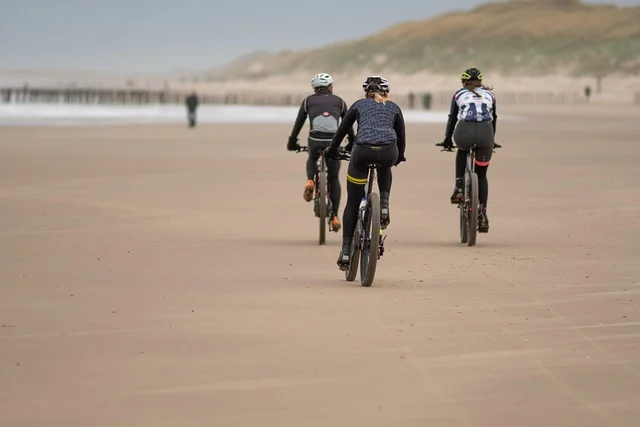
When you ride across a boggy moor or a sandy estuary path, standard mountain bike tyres act like narrow blades that slice straight down through the loose top layer until they hit hardpan. Fat tyres do the opposite. They spread your combined weight across a much larger surface area. This flotation effect changes how you approach winter riding in the UK, turning impassable mud baths into manageable tracks. However, I always remind riders that they do not magically float over everything; extremely wet, bottomless snow or sticky clay will still overwhelm even a 5-inch tyre if you push the physics too far.
The wider footprint also delivers a secondary benefit: mechanical damping. Because you run much lower air volumes and pressures than you would on a standard trail hardtail, the tyre casing itself absorbs high-frequency chatter from roots, rocks, and frozen ruts. You do not always need a complex suspension fork on a fat bike because the front tyre acts as a high-volume pneumatic spring. If you build up a winter machine, we suggest experimenting with tyre pressures before spending money on heavy suspension forks that add unnecessary maintenance overhead to your workshop schedule.
How fast a fat bike can go and how pressure changes performance
Fat bikes can easily match standard mountain bike speeds on hard surfaces, typically cruising between 15 and 25 km/h depending on rider fitness, though their increased rotational weight and rolling resistance demand more physical effort. On loose surfaces, speeds drop significantly because the tyres must displace sand or snow.
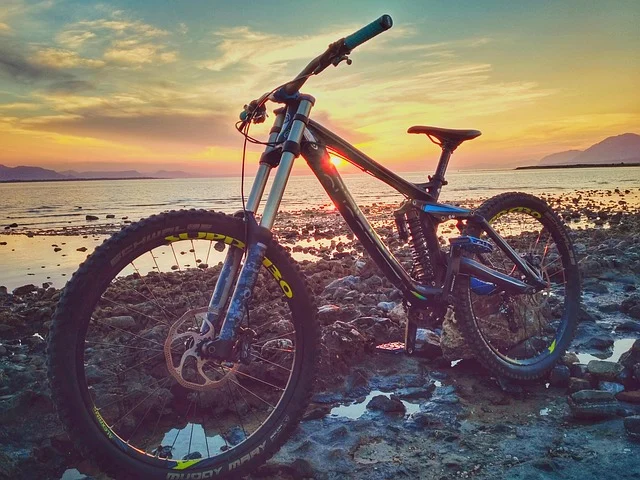
Tyre pressure dictates how a fat bike handles every single surface. According to established cycling standards, tyre pressures can drop as low as 5 psi (34 kPa) to create a massive contact patch for crawling over rough obstacles or floating across loose snow. For general trail riding and commuting, most riders find that 8 to 10 psi (55 to 69 kPa) strikes the ideal balance between pinch-flat protection and comfortable damping. If you pump them up to 15 or 20 psi for a tarmac commute, the bike feels surprisingly fast and rolls with a distinct humming sound, but you lose the primary flotation advantage that makes the design unique.
Managing this low-pressure environment requires a digital gauge or a reliable low-pressure pump. Standard track pumps designed for road bikes will overwhelm a fat tyre instantly, making it impossible to dial in precise single-digit psi readings. We recommend keeping a dedicated low-pressure gauge on your workshop bench. A difference of just 2 psi transforms the bike from a sluggish anchor into a nimble winter trail machine.
What you need to know about electric fat bikes and recent legal rules
Electric fat bikes combine high-volume tyres with a pedal-assist motor. Legal versions in Europe must limit continuous rated power to 250 W and cut motor assistance at 25 km/h. Motor throttles that propel the bike faster than 6 km/h without pedaling are prohibited on standard e-bikes. Violating these rules can reclassify the machine as an illegal moped.
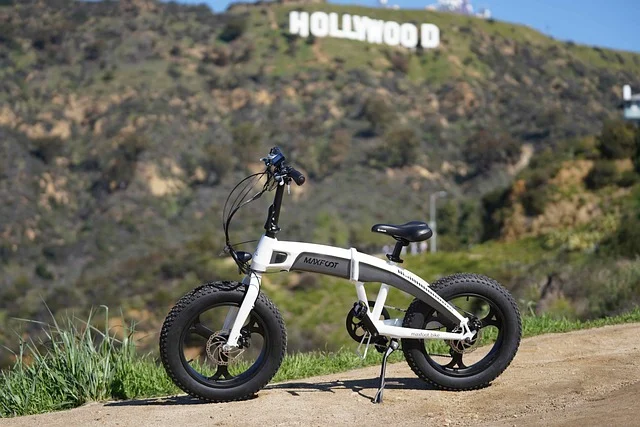
The rapid rise of electric fat bikes has triggered significant regulatory changes across Europe. In the Netherlands, where adoption rates surged through recent years, municipal authorities have started pushing back against nuisance riding and safety concerns. Amsterdam banned fat bikes from Vondelpark starting May 11, 2026. Enschede introduced a ban in its city centre pedestrian zone on March 11, 2026, targeting bikes with tyres over 7 cm. Furthermore, the Dutch cabinet presented its Approach to Fatbikes on April 24, 2026. This paves the way for a mandatory helmet requirement for all riders under 18 starting in 2027. Riders planning to commute on an electric fat bike must check local municipal rules carefully to avoid sudden fines or restricted zones.
Battery range also drops sharply in cold weather. When temperatures plunge below freezing, chemical reactions inside lithium-ion batteries slow down, reducing your total assisted range by up to a third compared to summer rides. If you rely on an e-fat bike for winter commuting, plan your routes with shorter distances in mind. Keep your battery indoors at room temperature until just before you ride.
Comparing fat bike options across different price points
Fat bike prices span a wide spectrum, ranging from budget-friendly entry models under £500 to premium titanium or carbon builds exceeding £3,000, with the global market projected to reach USD 2.3 billion by 2033. To help you evaluate what fits your budget, consider the distinct tiers available on the market.
| Category | Typical Price Range | Key Characteristics | Best Suited For |
|---|---|---|---|
| Budget Entry | Under £600 | Hi-ten steel frames, mechanical disc brakes, heavy alloy rims. | Casual weekend riders testing winter conditions. |
| Mid-Range Trail | £1,000 to £2,000 | Aluminium frames, hydraulic brakes, tubeless-ready 4-inch tyres. | Regular off-road explorers and year-round commuters. |
| Premium & E-Fat | £2,500 to £4,000+ | Carbon or high-grade alloy frames, powerful mid-drive motors, high-end suspension. | Dedicated winter adventurers and utility riders. |
Budget steel fat bikes give you an affordable entry point, but their heavy frames demand much more leg power on climbs. Mid-range aluminum models offer the best performance-to-cost ratio for most riders because they drop significant weight from the wheelsets. Premium models suit riders who demand electric assistance or ultra-light carbon frames for expedition touring.
What to avoid: safety recalls and buyer traps
You must verify safety recalls and frame integrity before purchasing a used or new fat bike. Several major manufacturers have issued critical notices regarding structural failures. Industry safety alerts highlight notable issues. These include Pedego recalling their Fat Tire Trikes on December 18, 2025, due to frame fractures that risk causing falls and lacerations. Similarly, Trek and Electra recalled specific model year electric bicycles in early 2026 because rear wheel bolts could shear off. This leads to unexpected wheel separation.
Specialized also issued a recall for the Turbo Como SL fork steerer in March 2026, while the U.S. Consumer Product Safety Commission issued a safety warning about certain RAD Power Bikes batteries in late 2025. [cpsc.gov] If you purchase a second-hand fat bike online, always cross-reference the frame serial number against manufacturer recall databases. Component brands like 45NRTH also update winter-specific gear, such as their revised Warhammerr and Ragnarök boot lines released for the 2026 winter season, proving that material quality matters profoundly when temperatures drop.
Another common buyer trap is assuming that any fat bike frame can accept any tyre width. Frame clearances vary wildly. A frame designed for 4.0-inch tyres will often rub violently if you attempt to squeeze 4.8-inch rubber into the stays. Always check manufacturer clearance specifications before ordering replacement tyres online.
What size fat bike should I get and can mountain bikes handle roads?
You should choose a fat bike frame size using your height and inseam measurements just like a standard mountain bike. This ensures proper standover clearance for deep snow or technical dismounts. Standard wheel diameters include 20, 24, 26, and 27.5 inches, with frame sizing generally following traditional small, medium, large, and extra-large categories.

Many riders also wonder whether a standard mountain bike can be used on the road or if a fat bike makes a better tarmac commuter. Standard mountain bikes handle tarmac perfectly fine with semi-slick tyres fitted. Fat bikes on asphalt provide an exceptionally smooth, cushioned ride at the cost of noticeable rolling resistance and road hum. If your daily commute involves pothole-ridden city streets and broken pavement, a rigid fat bike absorbs urban obstacles with ease, though you will work harder against aerodynamic drag and tyre friction.
When sizing your machine, remember that fat bikes feature wider bottom brackets, known as Q-factor. This wider stance pushes your feet further apart as you pedal, which can feel unusual if you transition directly from a narrow road bike. Give yourself a few rides to adapt to the wider pedalling stance before attempting long-distance tours.
Frequently asked questions
Can a 300lb person ride a fat bike?
Yes, fat bikes are exceptionally well-suited for heavier riders. Their high-volume tyres and solid frames distribute loads effectively and resist pinch flats better than skinny tyres. Always check the manufacturer’s total weight limit, which typically ranges from 130 kg to 150 kg across quality models.
Why are fat bikes banned in some areas?
Certain municipalities ban fat bikes or restrict them in specific parks. Heavy, low-pressure tyres can tear up fragile groomed cross-country ski tracks or cause trail erosion when ridden through deep mud. Always check local trail etiquette and municipal bylaws before heading out.
Do I need suspension on a fat bike?
Most riders do not need suspension on a fat bike because the massive tyres absorb low-level bumps and trail chatter natively when run at correct low pressures. Rigid carbon or alloy forks keep the bike lighter and more reliable in freezing winter conditions.